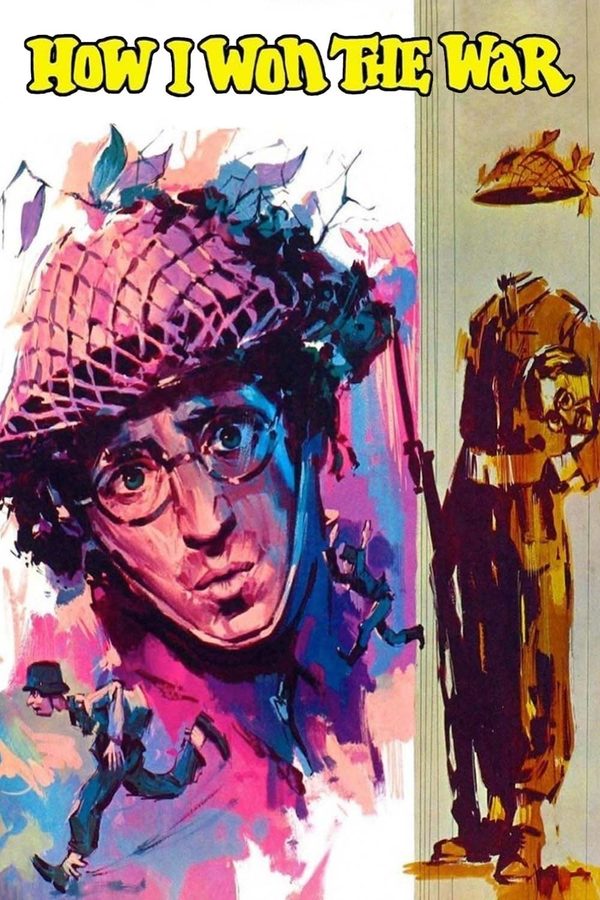
How I Won the War (1967) on Netflix
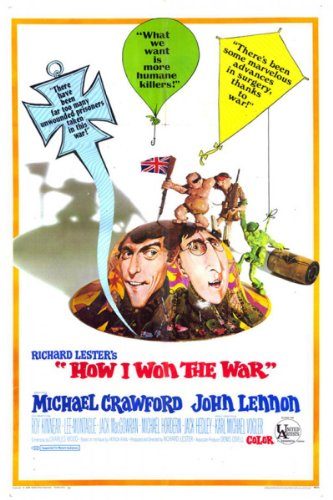
Lieutenant Earnest Goodbody, an inept British officer, leads the 3rd Troop, 4th Musketeers through the Second World War. Their first mission is to build a cricket pitch behind enemy lines.
- Netflix2.5/5
- IMDb5.5/102,696 votes
- Rotten Tomatoes44%
Trailer

Plot summary
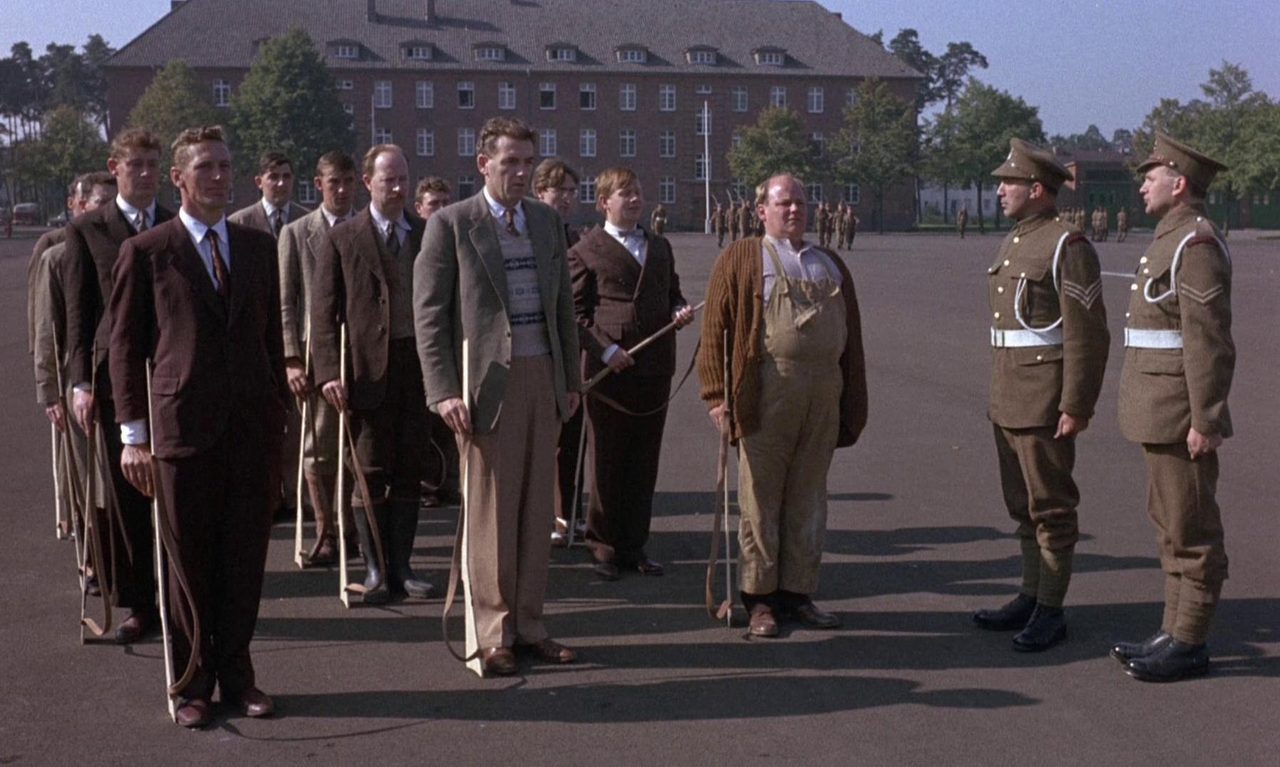
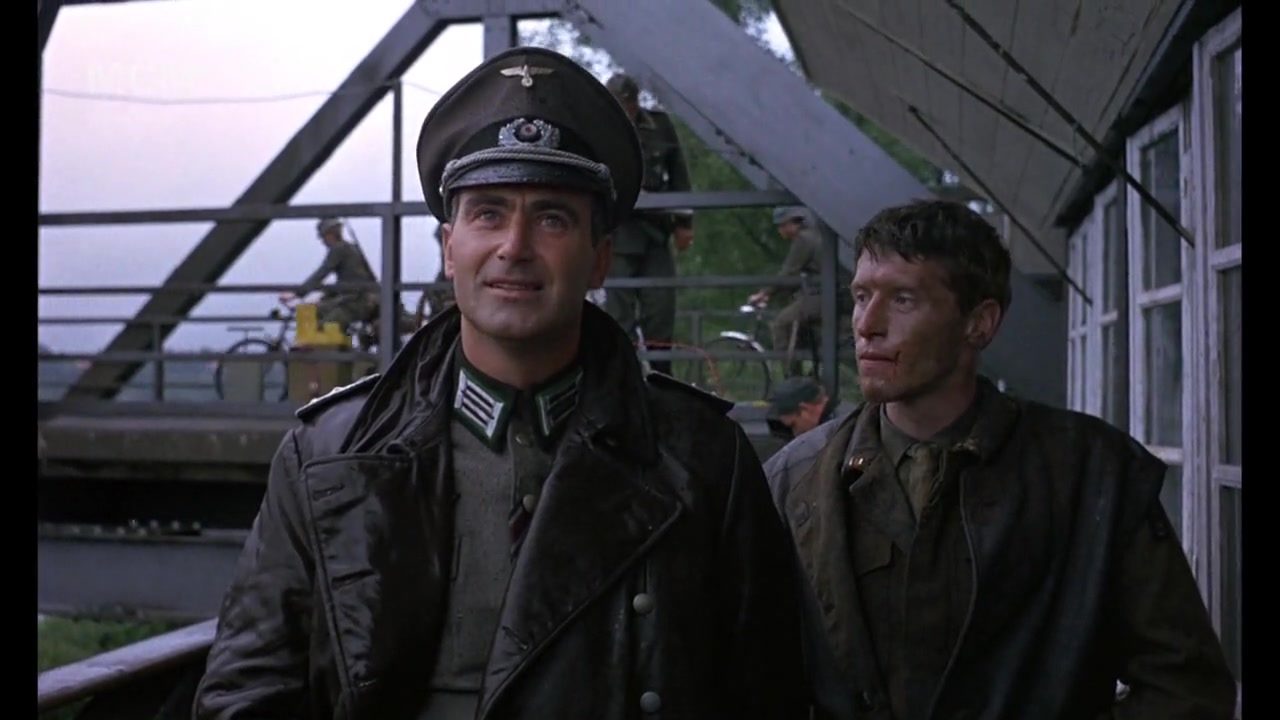
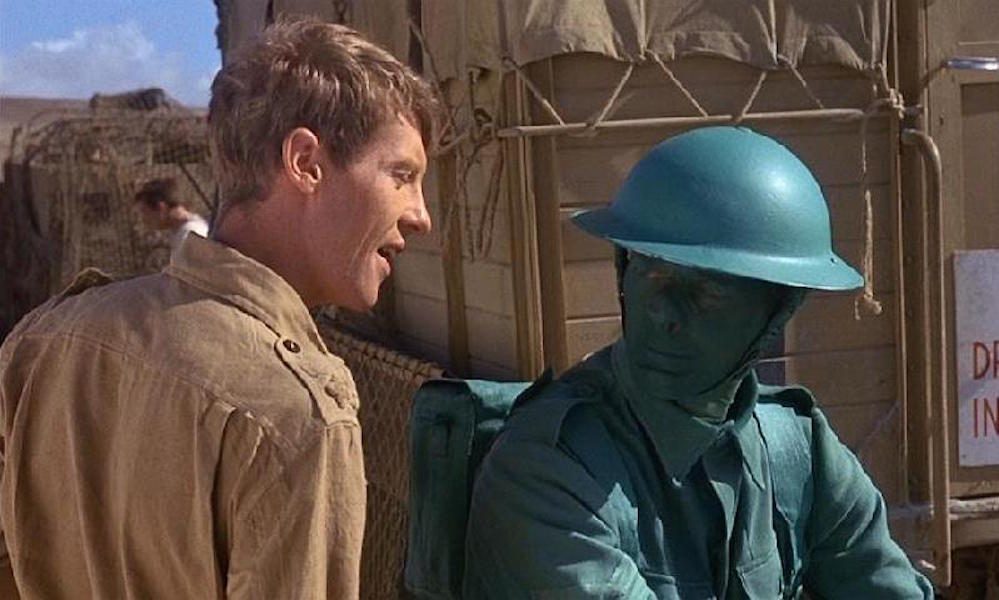
The 3rd Troop, 4th Musketeers goes to war under Lieutenant Earnest Goodbody, a wartime-commissioned officer who is idealistic, naïve and jingoistic. His men include Transom, the hard-working second-in-command; Dooley, the third; Clapper, who believes his wife is unfaithful; Drogue, who expects to die in North Africa; Spool, the clumsy wireless operator; the elderly Juniper; and Gripweed, the lieutenant's batman and a compulsive thief. A soldier known only as the Melancholy Musketeer is unsure what he signed up for. Their first assignment sends them behind enemy lines to prepare a cricket pitch at an oasis, so Allied troops will have something to look forward to when the region falls. Goodbody recounts his war afterward to Odlebog, a German officer, while what his men actually lived runs alongside his account.
Cast


Did you know?!Facts and trivia about How I Won the War (1967)
Can contain spoilers, watch the movie first.
- While filming in Almería, John Lennon rented a villa called Santa Isabel that he shared with his wife Cynthia and co-star Michael Crawford. Its wrought-iron gates and lush vegetation reminded Lennon of Strawberry Field, a Salvation Army garden near his childhood home, and that inspired him to write "Strawberry Fields Forever".
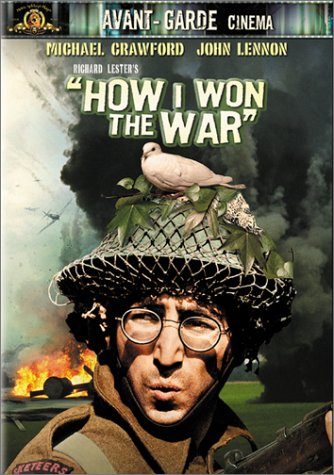
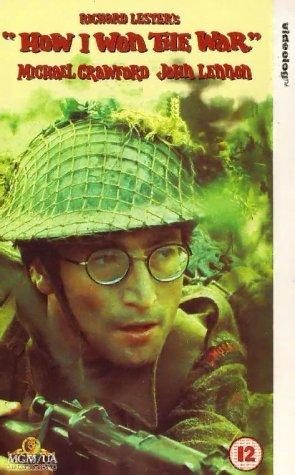
- While making the film, John Lennon began wearing round "granny" glasses, the same type worn by its screenwriter Charles Wood. The glasses became iconic and the nearsighted Lennon wore that style for the rest of his life.
- Charles Wood, who wrote the screenplay, borrowed themes and dialogue from his own surreal and bitterly dark anti-war play Dingo, which had been banned. He modeled the film's spectral clown Juniper on the play's Camp Comic, who used black comedy to ridicule the glorification of war.
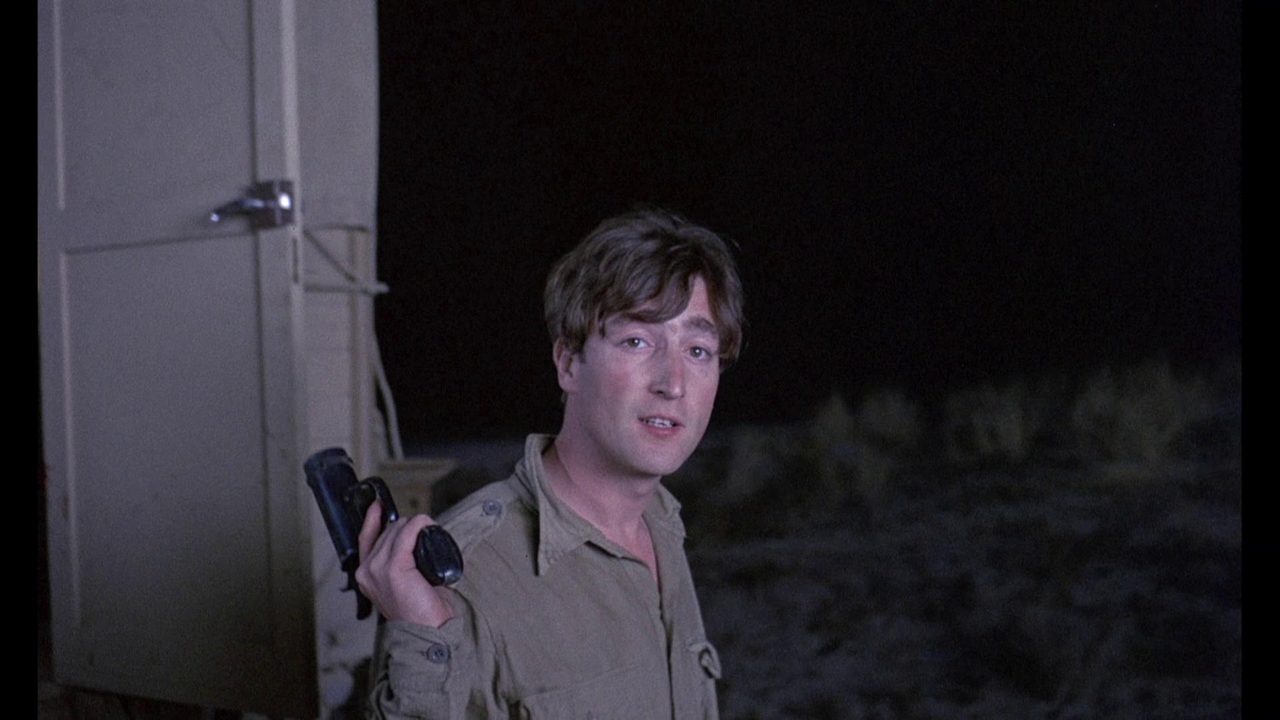
- A photograph of John Lennon in character as Gripweed appeared in many print publications, among them the front page of the first issue of Rolling Stone in November 1967.