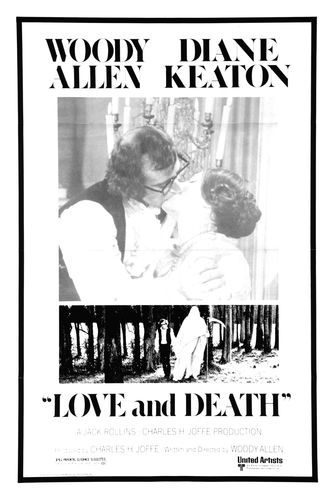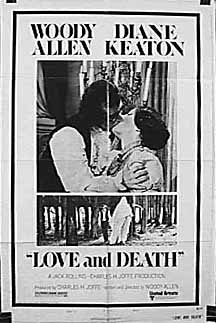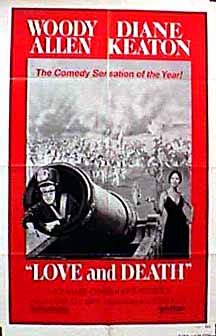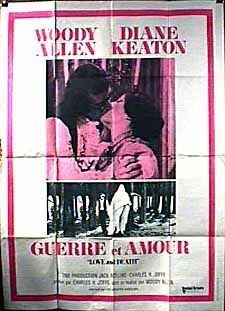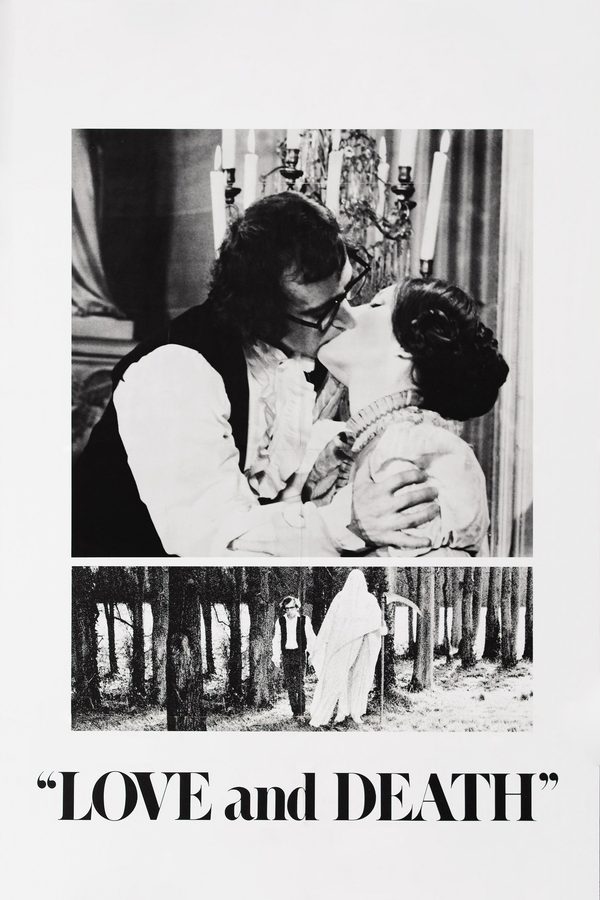
Love and Death (1975) on Netflix
In czarist Russia, Boris Grushenko loves his cousin Sonja, who is in love with his brother Ivan. When Napoleon's army invades Austria, Boris, a pacifist, is pushed into the Russian Army.
- Netflix3.7/5
- IMDb7.6/1044,210 votes
- Rotten Tomatoes100%
Trailer
Plot summary
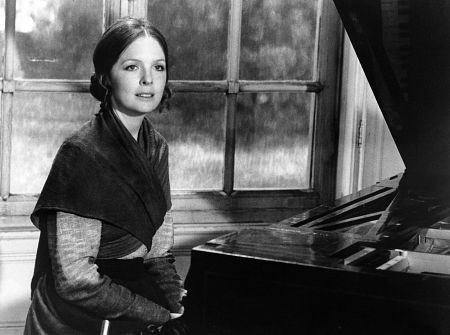
In czarist Russia, Boris Grushenko grows up scrawny beside his brawny brothers Ivan and Mikhail. He loves his cousin Sonja, and the two hold long philosophical conversations. Sonja says she wants a man who combines intellect, spirituality and sensuality, and Boris takes the confession as a sign of her love, but she has loved Ivan all her life. Napoleon's army invades Austria. Boris, who would rather write poetry, is branded a coward by his parents and by Sonja, and they compel him to join the Russian army. He completes training, and on a furlough he visits the opera in Saint Petersburg, where he flirts with the Countess Alexandrovna.
Cast






- Frank Aduas Drill Sergeant




Did you know?!Facts and trivia about Love and Death (1975)
Can contain spoilers, watch the movie first.
- Allen shot Love and Death in France and Hungary, where he had to deal with unfavorable weather, spoiled negatives, food poisoning, physical injuries and communication difficulties, and he swore never to shoot outside the United States again. He filmed abroad again starting in 1996 with Everyone Says I Love You.
- The dialogue parodies Russian novels by Dostoyevsky and Tolstoy, including The Brothers Karamazov, Crime and Punishment and War and Peace; a conversation between Boris and his father is made of lines that allude to, or are composed entirely of, Dostoyevsky book titles.
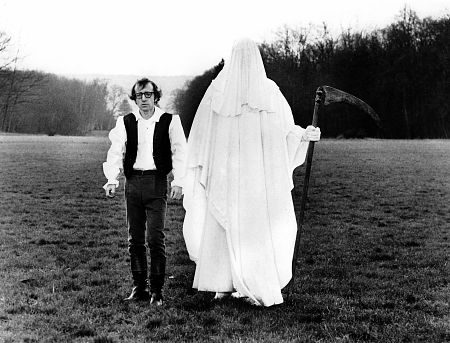
- The film's jokes rely on classic cinema: the final shot of Keaton references Ingmar Bergman's Persona, the stone lions sequence parodies Sergei Eisenstein's Battleship Potemkin, and the battle against Napoleon's army parodies that film's "Odessa steps" sequence. Bergman's The Seventh Seal is parodied at the climax.