Trailer

Plot summary
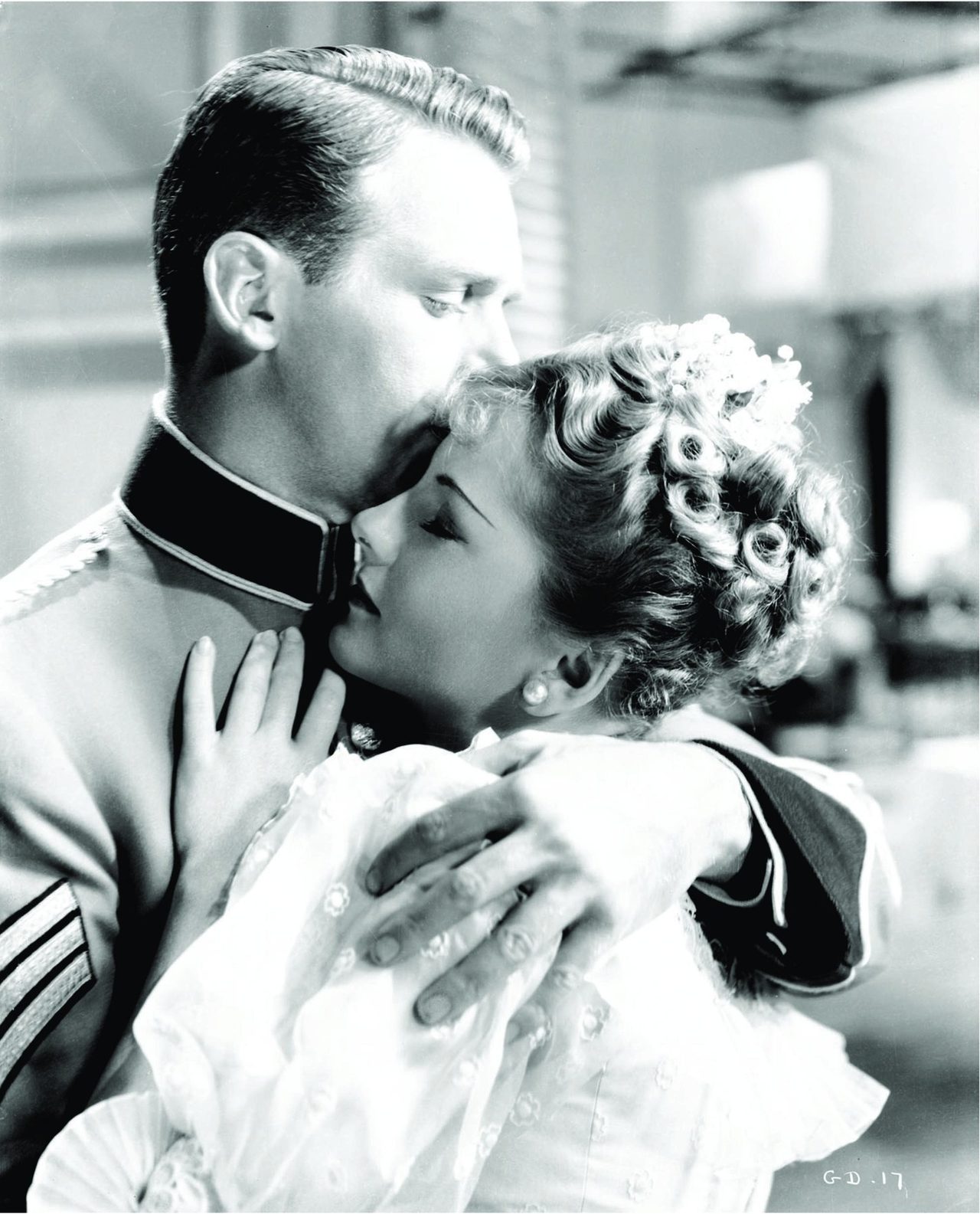
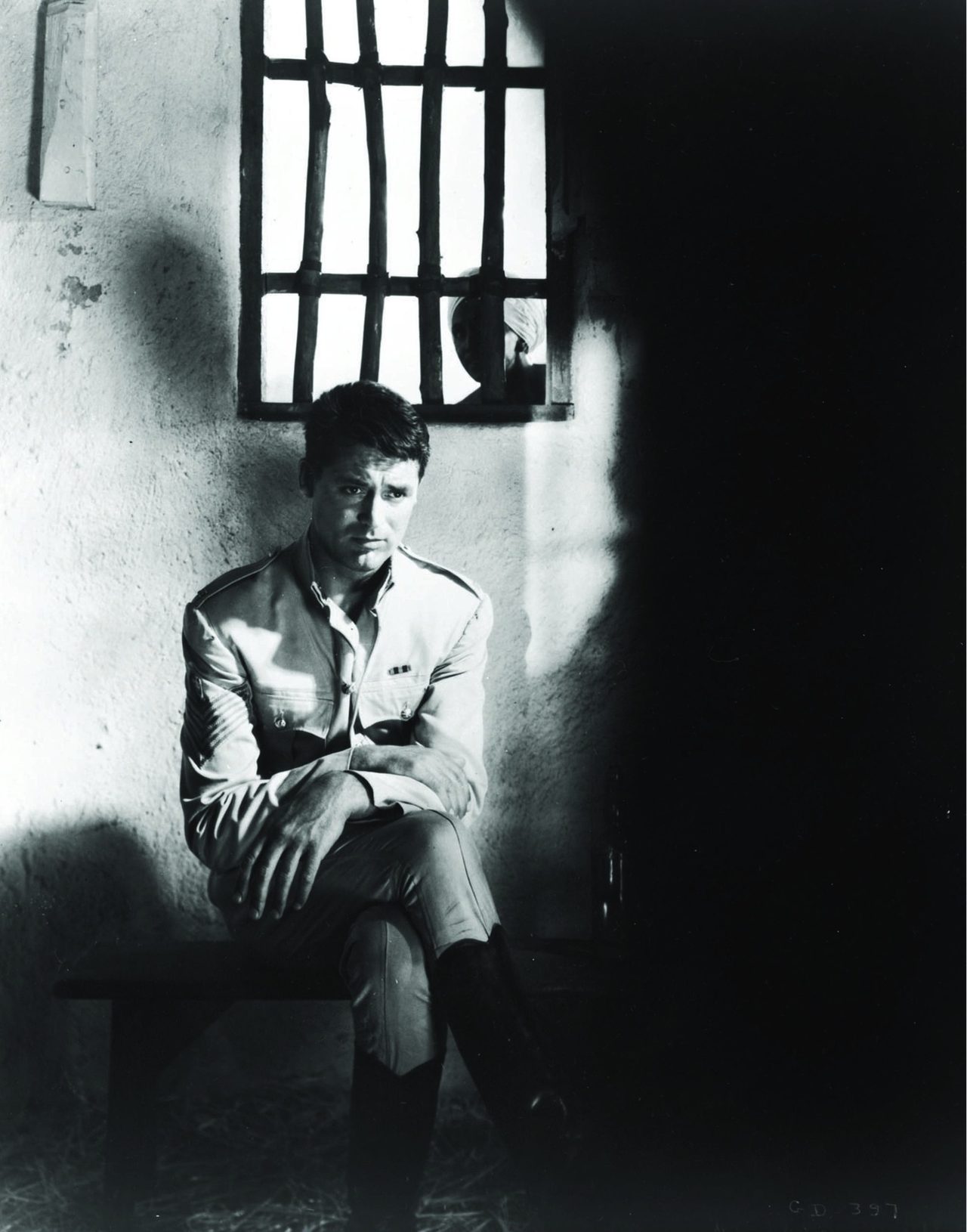
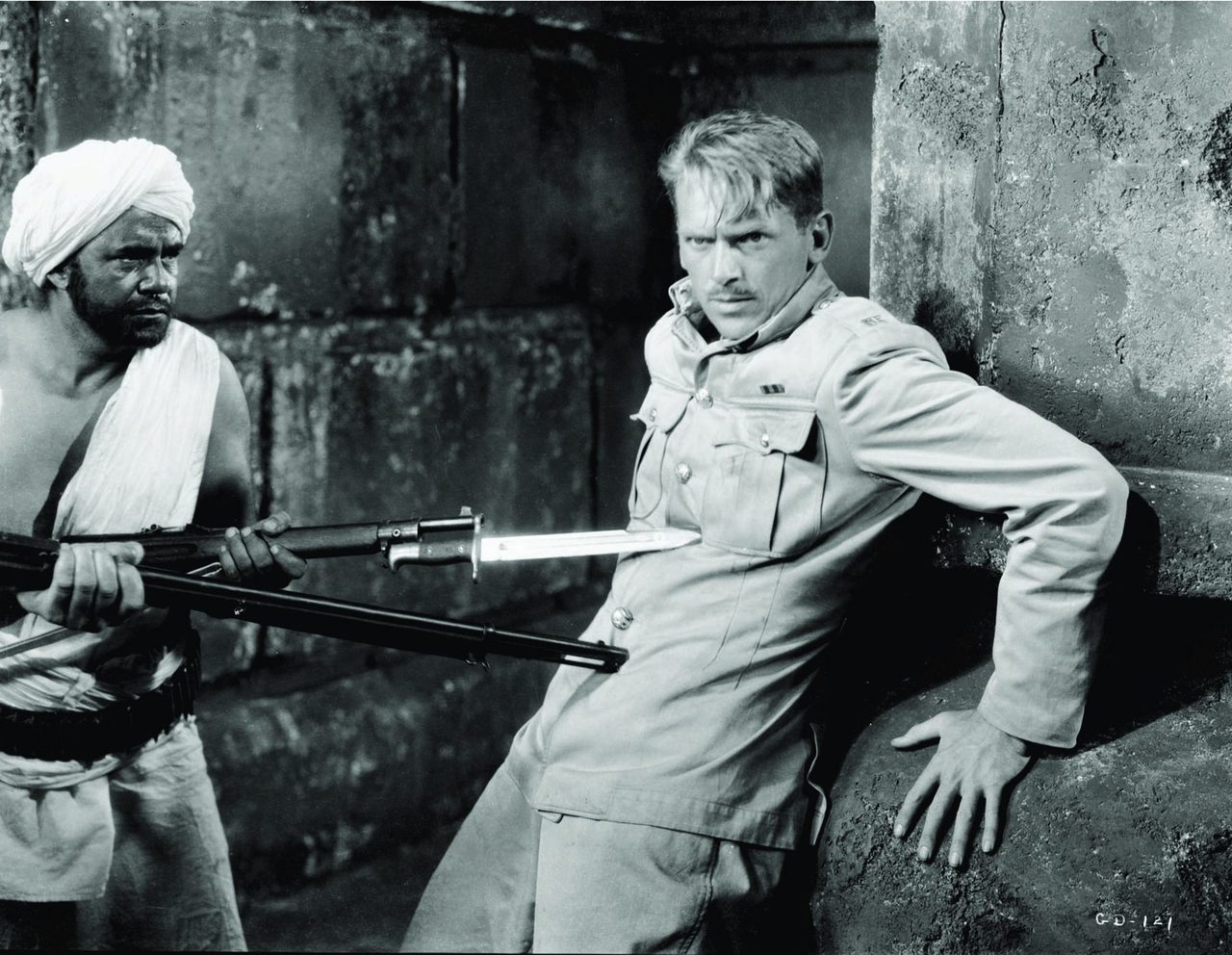
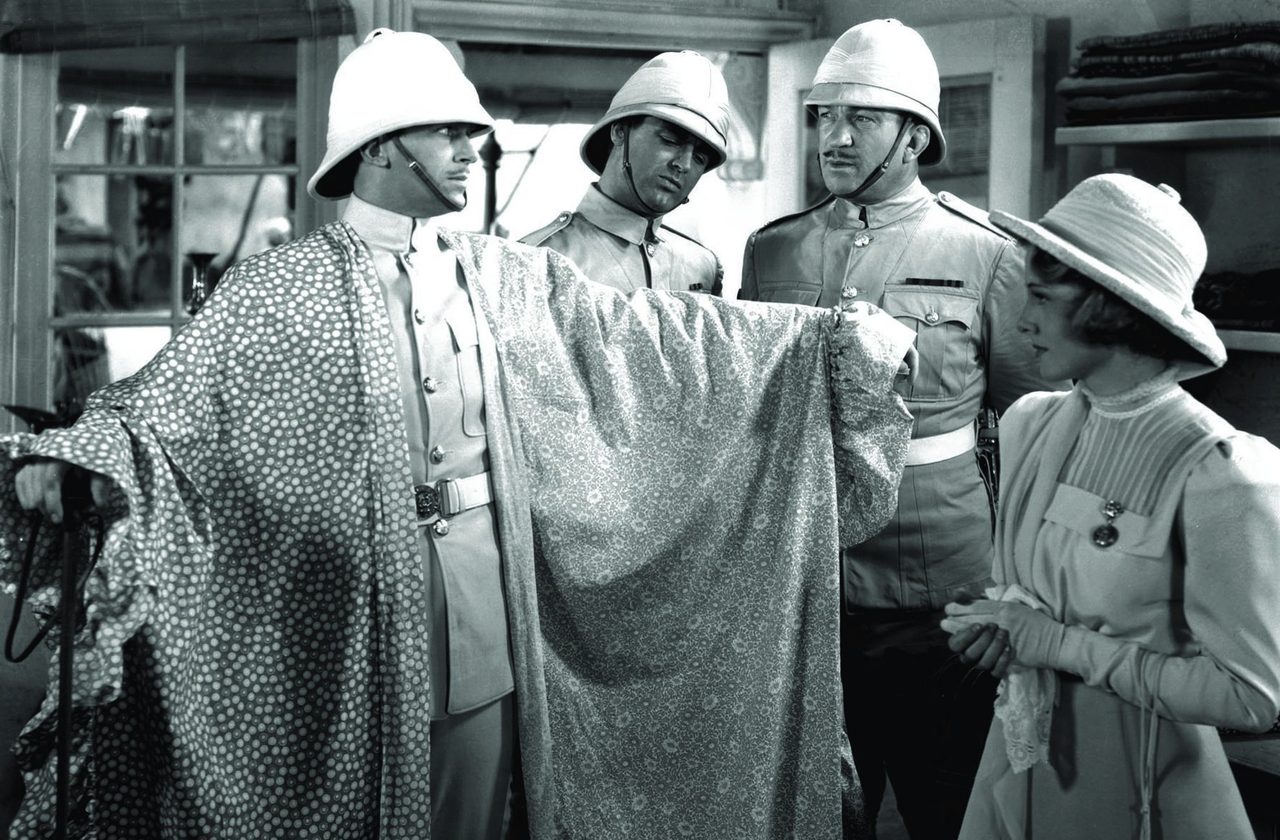
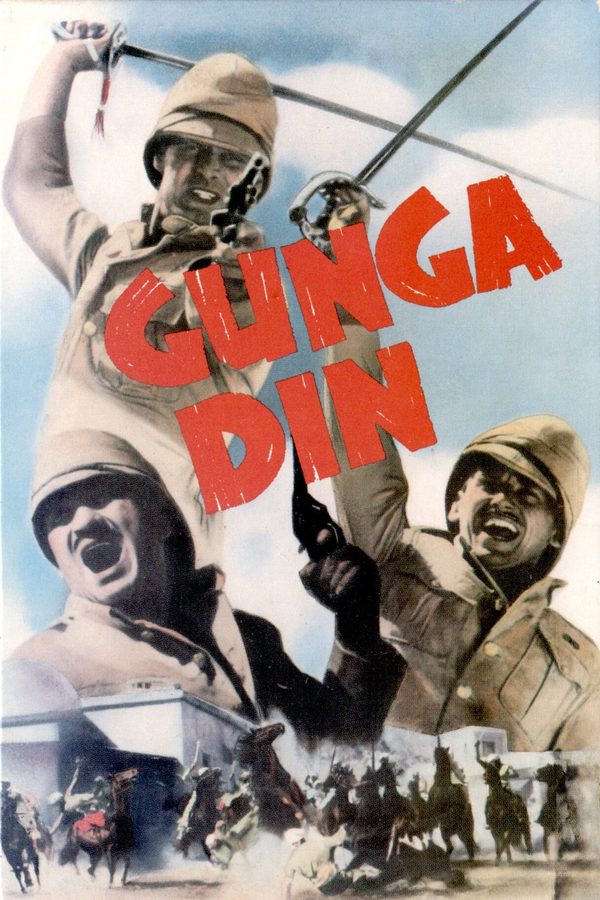
In colonial India in the 1880s, the British outpost at Tantrapur on the Northwest Frontier goes quiet. Colonel Weed sends twenty-five troops to investigate, led by three veteran sergeants of the Royal Engineers: MacChesney, Cutter and Ballantine. Six Indian camp workers accompany the detail, among them Gunga Din, the regimental water carrier, who longs to serve as a soldier of the Queen. The outpost looks deserted, and while the troops repair the telegraph they are surrounded by hostile locals. The survivors bring back a weapon that Weed and Major Mitchell recognize as Thuggee, the murder cult Sleeman had suppressed fifty years before. Weed readies a larger force to retake Tantrapur, but Ballantine is days from discharge and intends to marry Emmy Stebbins and enter the tea trade instead.
Cast


- Leslie Sketchleyas Corporal (uncredited)



Show all 20 cast

- Audrey Mannersas Girl at Party (uncredited)

- Clive Morganas Lancer Captain (uncredited)
- Frank Leyvaas Merchant (uncredited)


Did you know?!Facts and trivia about Gunga Din (1939)
Can contain spoilers, watch the movie first.
- Howard Hawks developed the picture and hired Ben Hecht and Charles MacArthur to write it, but RKO fired him after his Bringing Up Baby flopped commercially and handed the film to George Stevens.
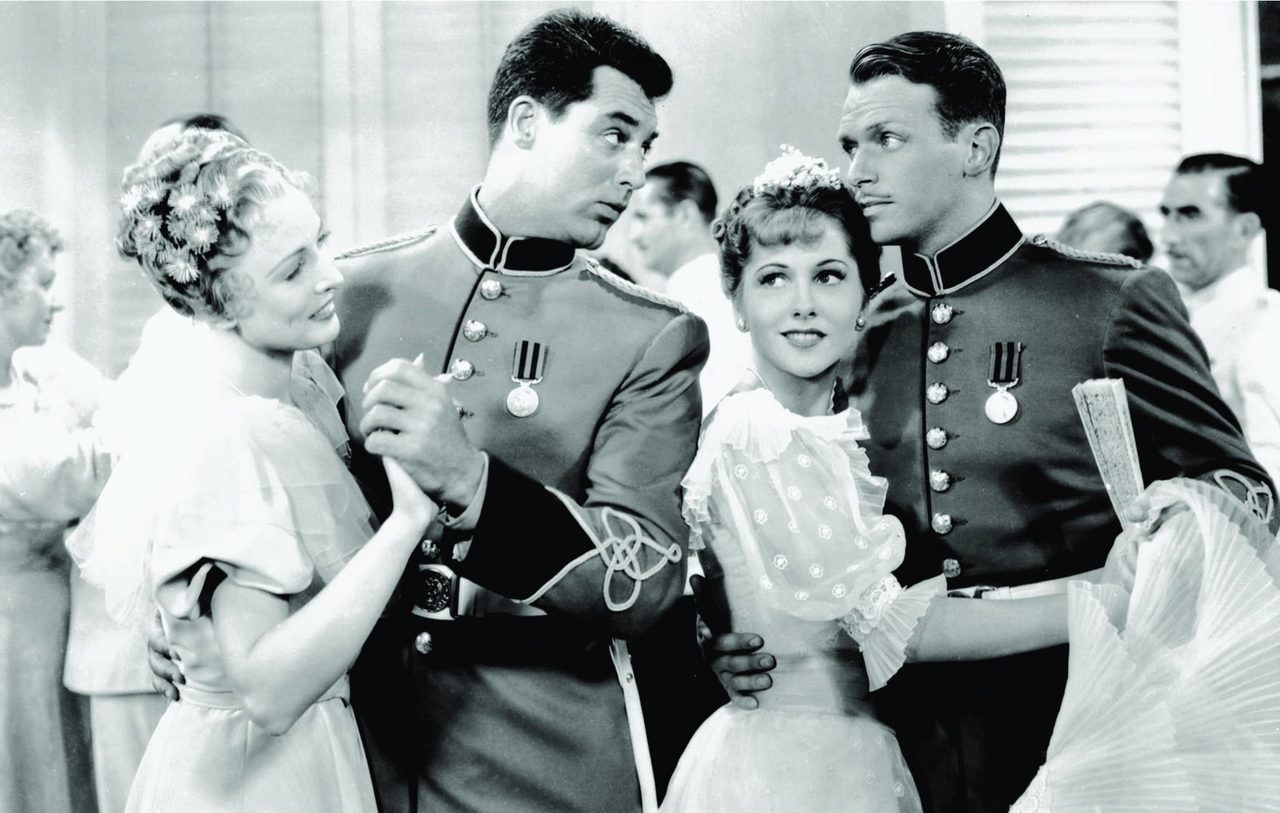
- Cary Grant and Douglas Fairbanks Jr. were first given each other's roles. Grant was to be the sergeant leaving the army to marry Joan Fontaine's character, and Fairbanks the happy-go-lucky treasure hunter, a part close to his father's famous screen persona.
- Robert Osborne of Turner Classic Movies told the story that when Cary Grant asked to swap parts, director George Stevens settled it with a coin toss. Grant won, and Douglas Fairbanks Jr. lost what would have been his biggest role.
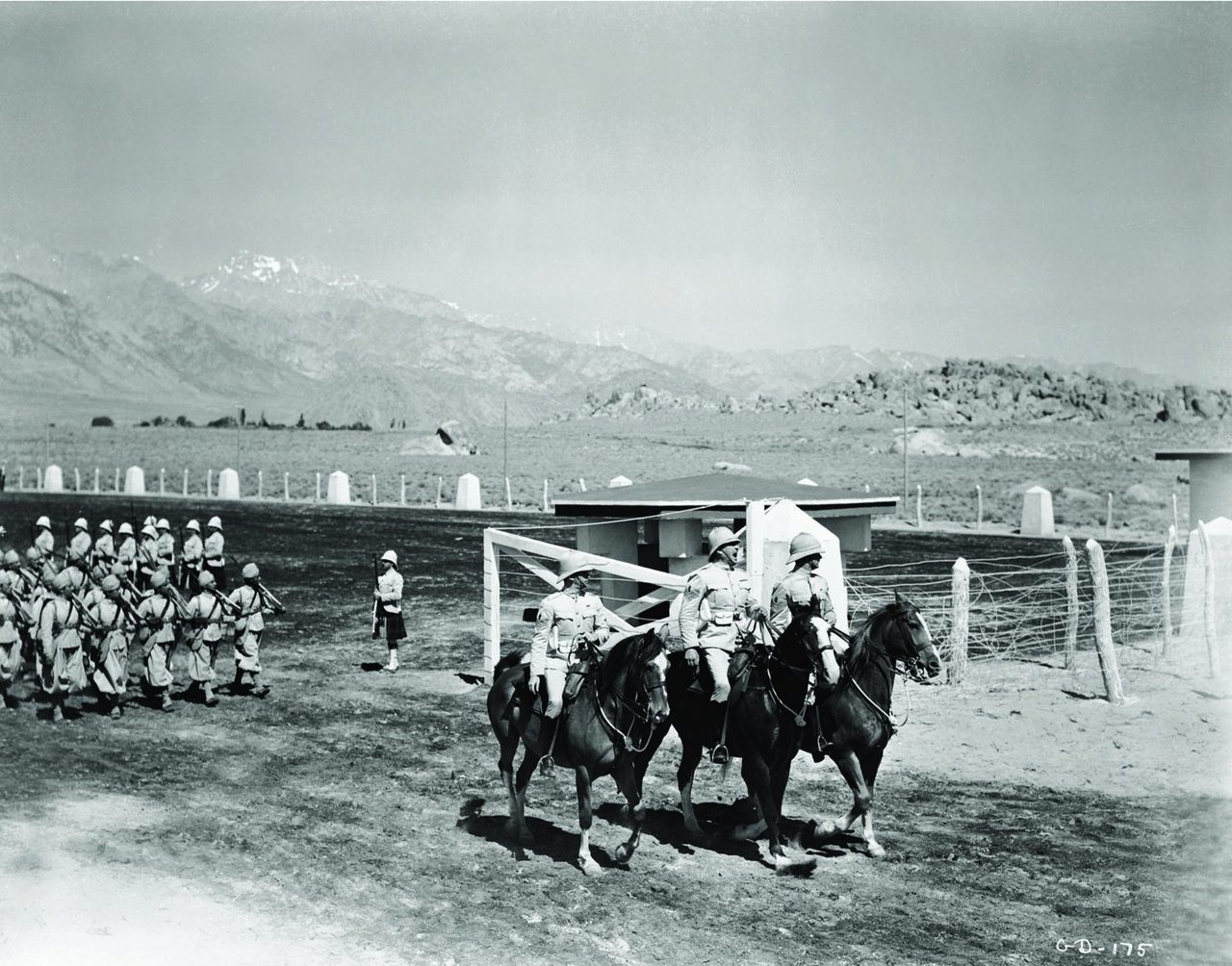
- The Khyber Pass was really California: the Sierra Nevada, the Alabama Hills and the country around them. Variety reported that the last of the battle scenes were shot with hundreds of half-clad extras shivering in the cold.
- The California locations passed for India so convincingly that Douglas Fairbanks Jr. said he met several Indians in his travels who were certain the exteriors had been shot at the real Khyber Pass.
SPOILER
The film ends with a fictionalized Rudyard Kipling, played by Reginald Sheffield, watching events and being moved to write his poem. Kipling's family objected, so the character was cut out of some prints, and was only restored later.- After attacks from Indian newspapers including the Bombay Chronicle and Filmindia, Gunga Din was banned in Bengal and Bombay, and later banned in Japan on the grounds that it injured the sentiments of a friendly nation.
- Indiana Jones and the Temple of Doom, set in India in 1935, lifts a great deal from Gunga Din, including the murderous cult and its leader, cast with a look-alike, and the bridge sequence.