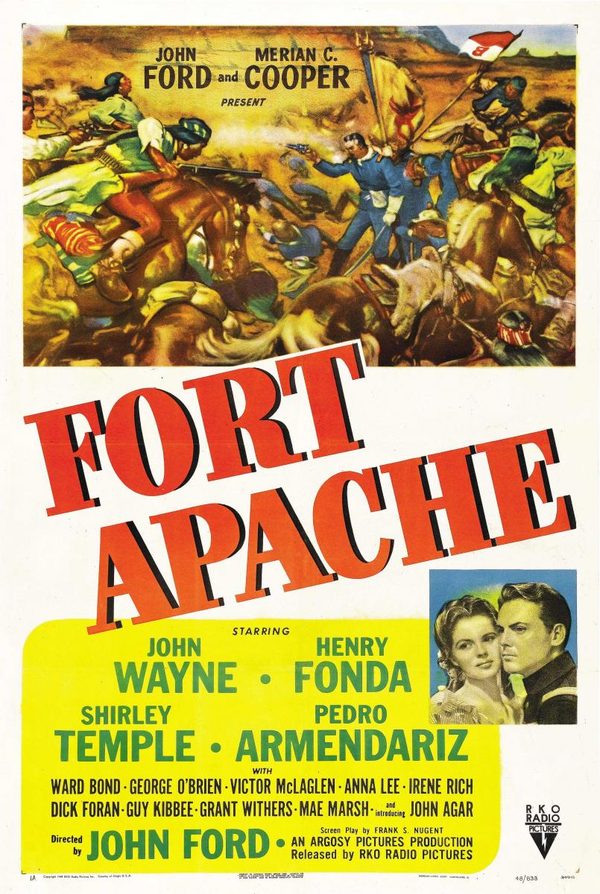
Fort Apache (1948) on Netflix
Passed19482h 8mActionAdventureWestern
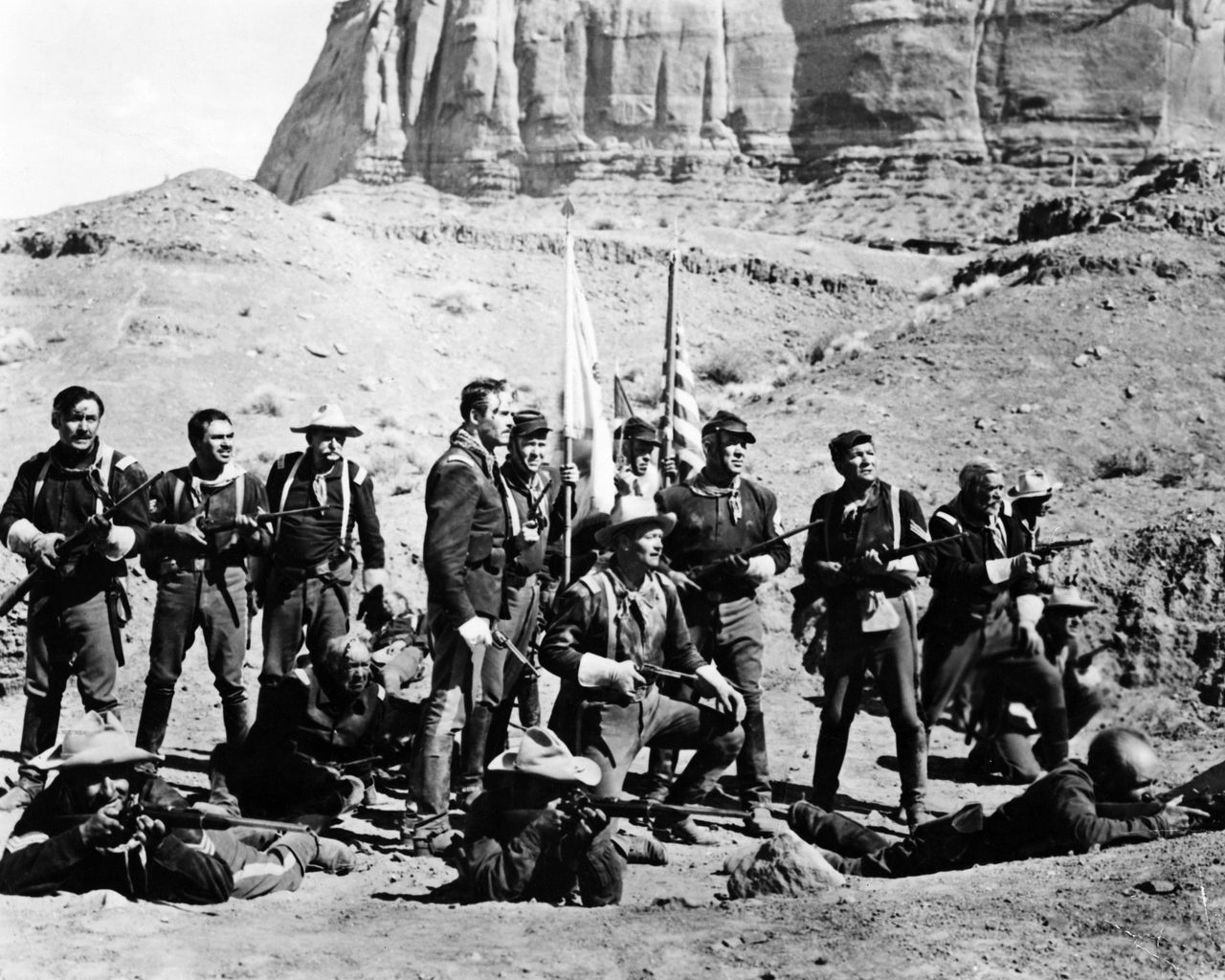
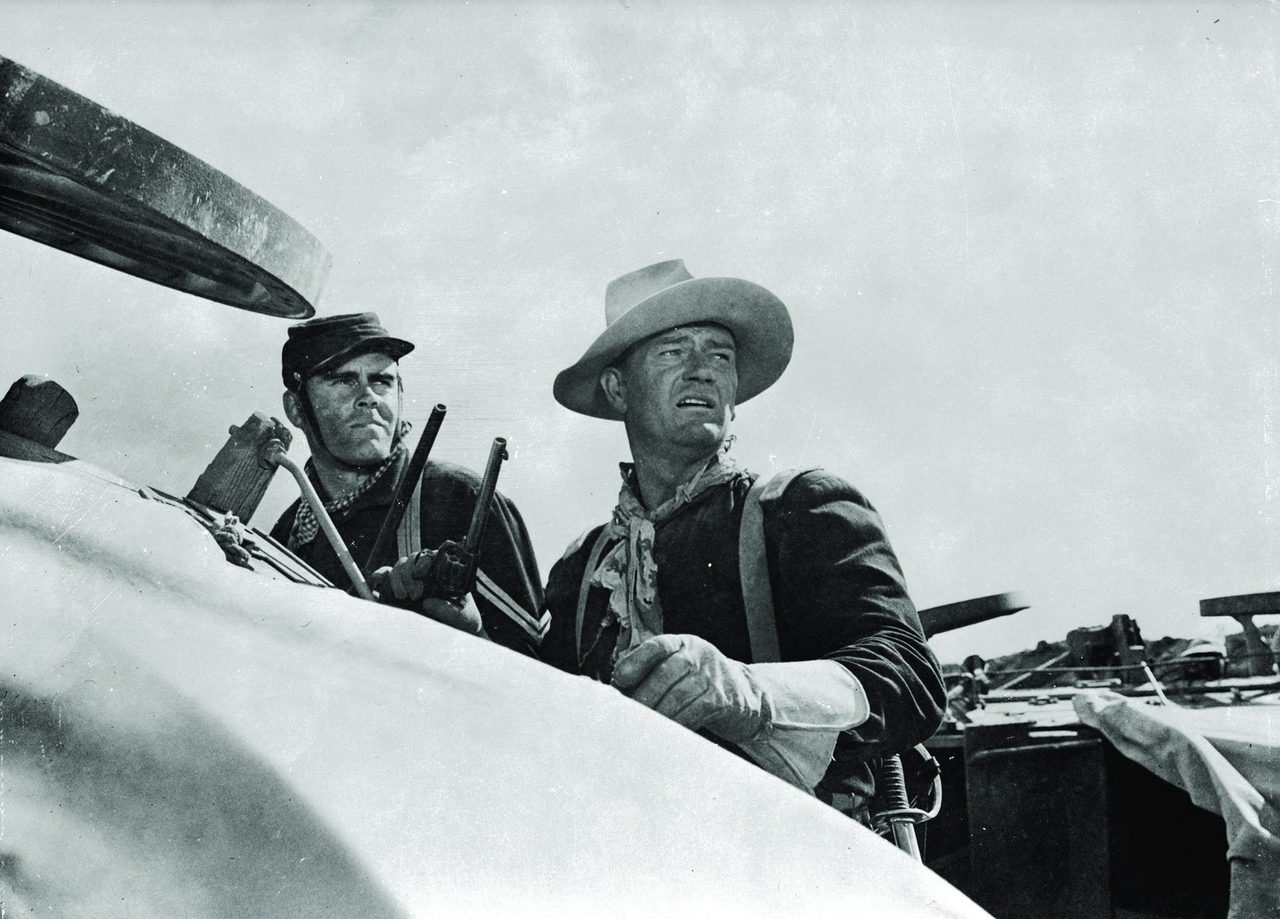
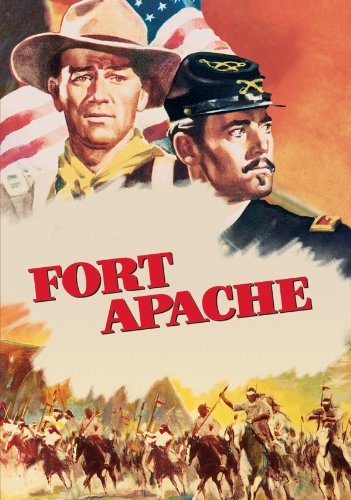
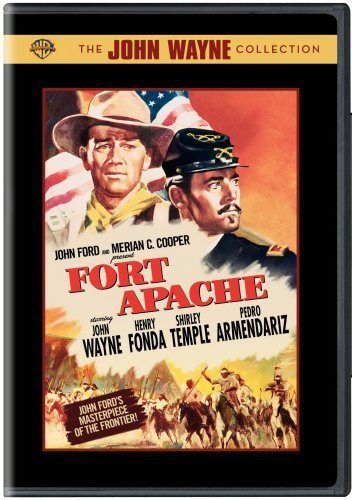
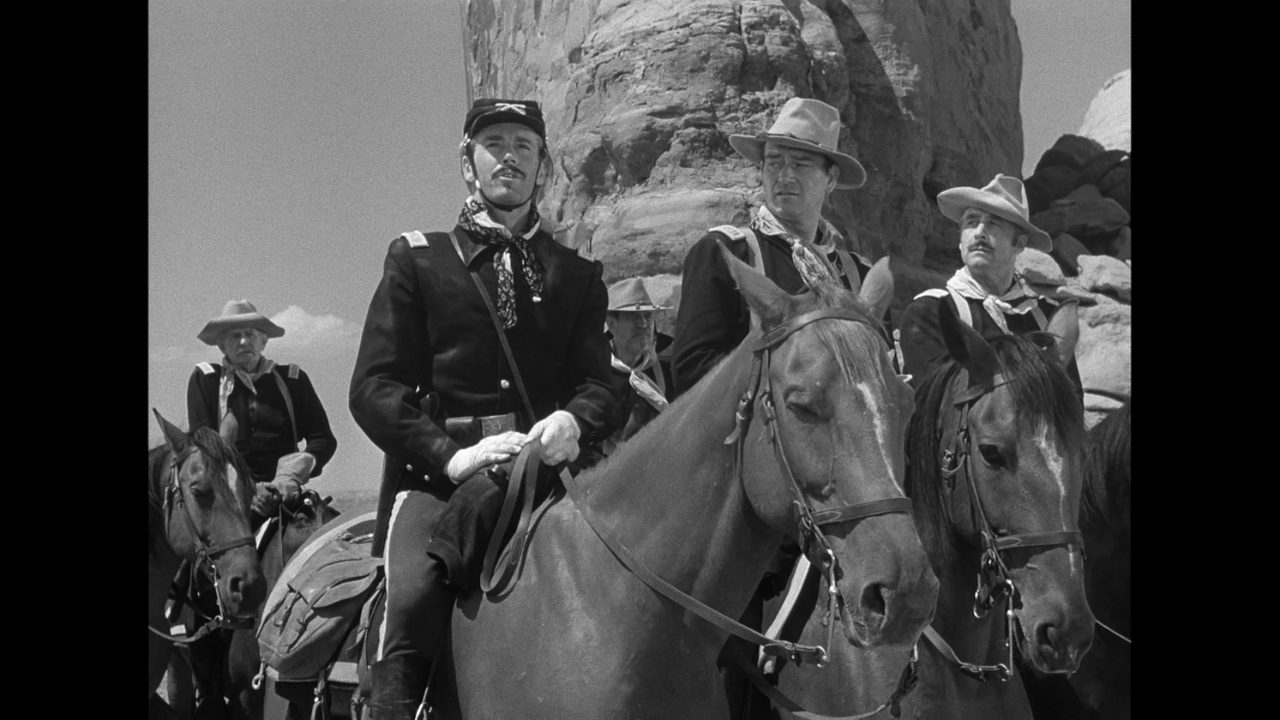
Lieutenant Colonel Owen Thursday takes command of Fort Apache with his daughter Philadelphia. He resents the posting and dismisses the Apaches; Captain Kirby York knows their ways and disagrees.
- Netflix3.8/5
- IMDb7.4/1021,644 votes
- Rotten Tomatoes100%
Trailer

Plot summary
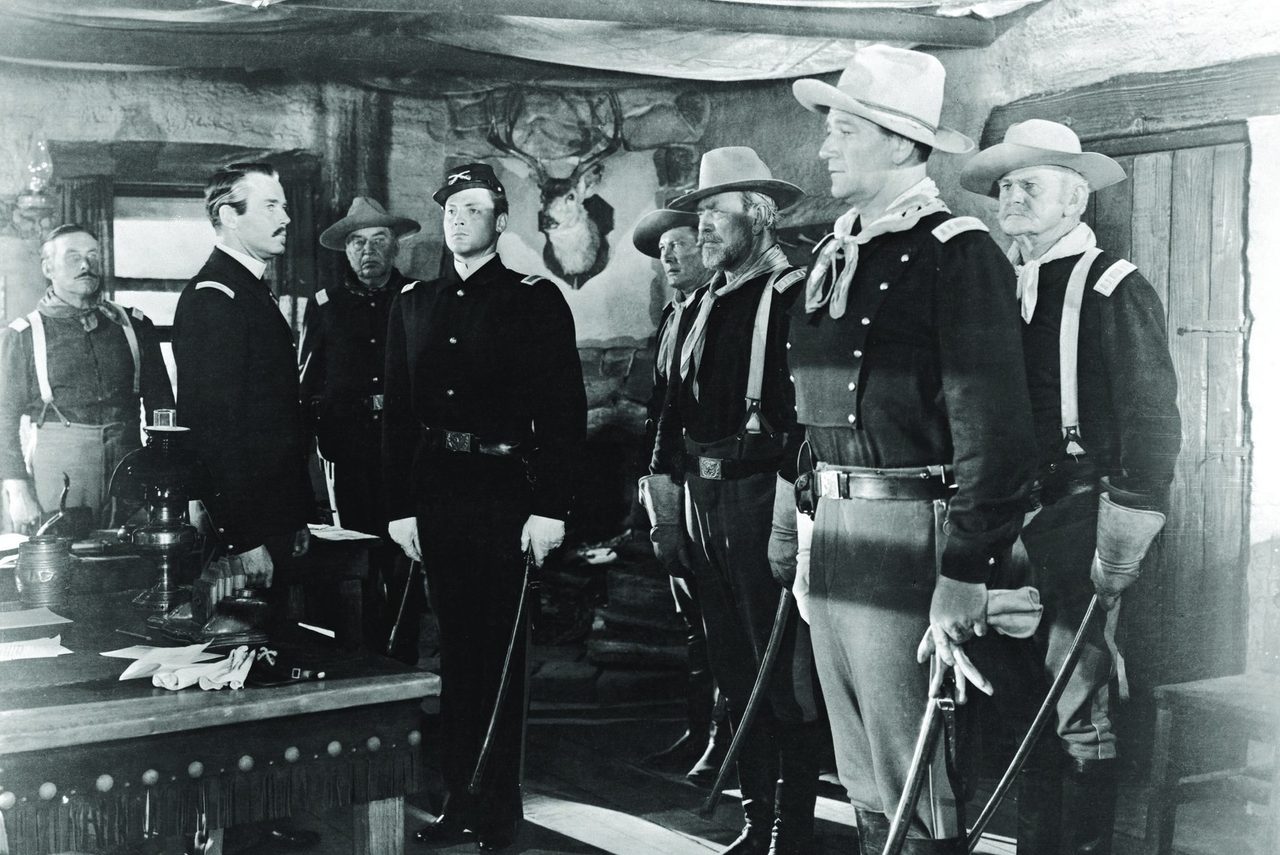
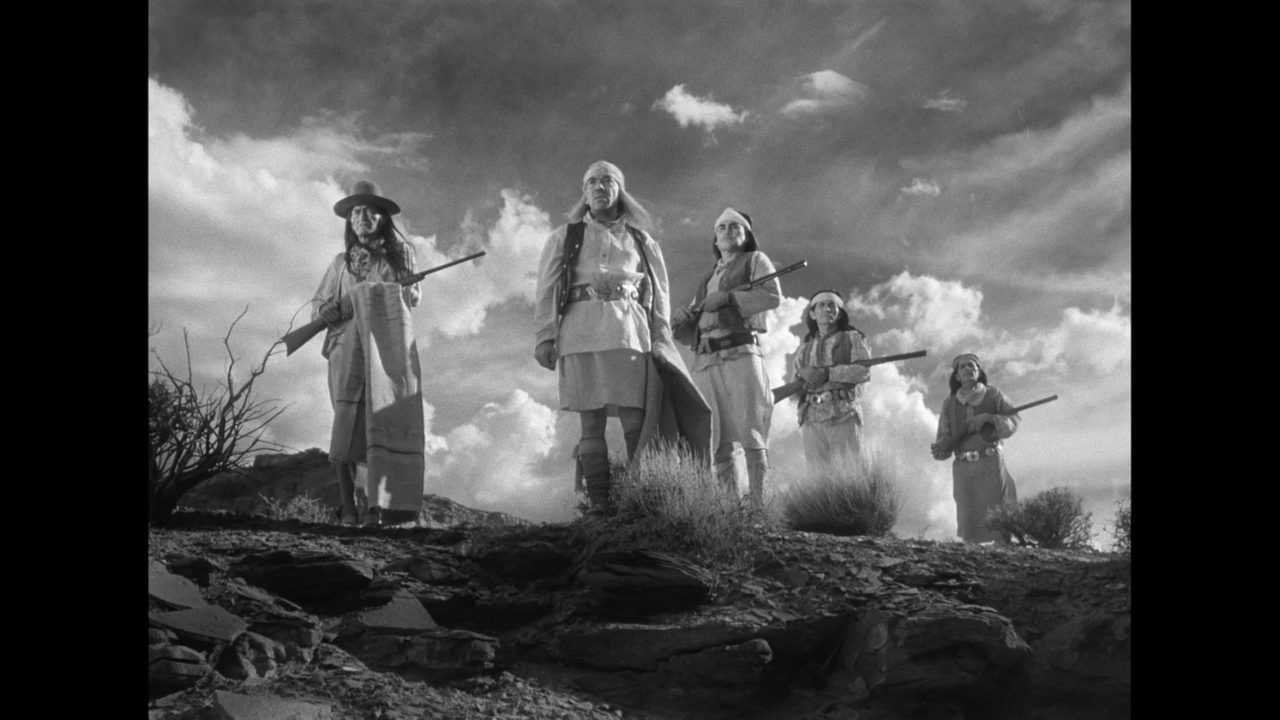
A brevet general in the Civil War, Owen Thursday is posted to Fort Apache in Arizona and arrives with his daughter Philadelphia, resentful of the assignment. At a waystation the two meet Second Lieutenant Michael O'Rourke, newly graduated from West Point and bound for the same post, and Philadelphia is drawn to him. Thursday assumes command and criticizes the officers for their dress, establishing himself as a martinet. He dismisses the Apaches as digger Indians, while Captain Kirby York, who knows their ways, argues that the tribes must be treated with honor. Michael is the son of the post's ranking sergeant major, Michael O'Rourke, a Medal of Honor holder from the Irish Brigade, which takes Thursday aback.
Cast






Did you know?!Facts and trivia about Fort Apache (1948)
Can contain spoilers, watch the movie first.
- The historical sources for James Warner Bellah's short story "Massacre", which inspired the screenplay, have been attributed to both George Armstrong Custer's Battle of Little Bighorn and the Fetterman Fight; Colonel Thursday closely resembles Lt. Howard B. Cushing in story and appearance.
- The 1948 Western Fort Apache was one of the first films to present an authentic and sympathetic view of Native Americans.
- The real Fort Apache was not so named until five years after the death of Cochise in 1874, a point noted by Brown.