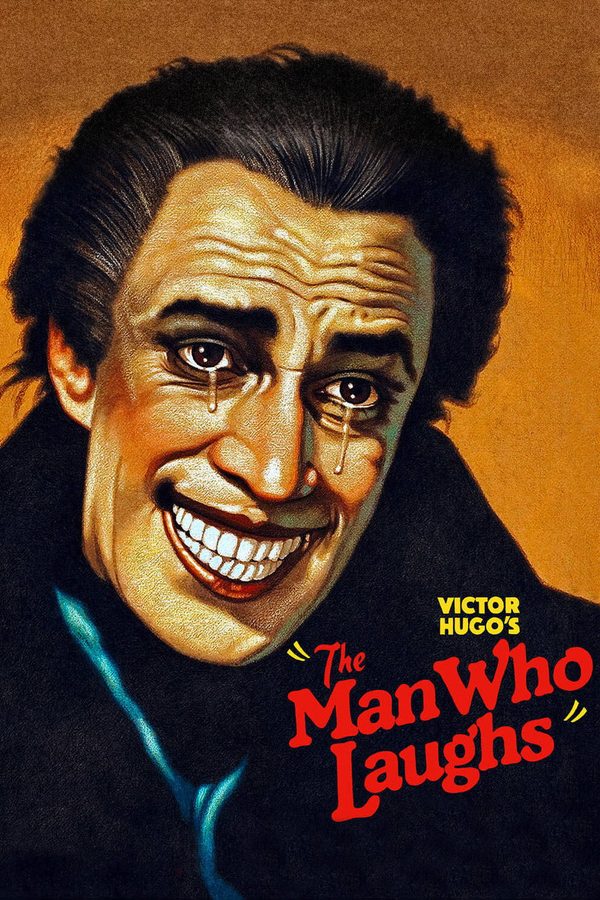
The Man Who Laughs (1928) on Netflix
NR19281h 50mDramaMysteryRomance
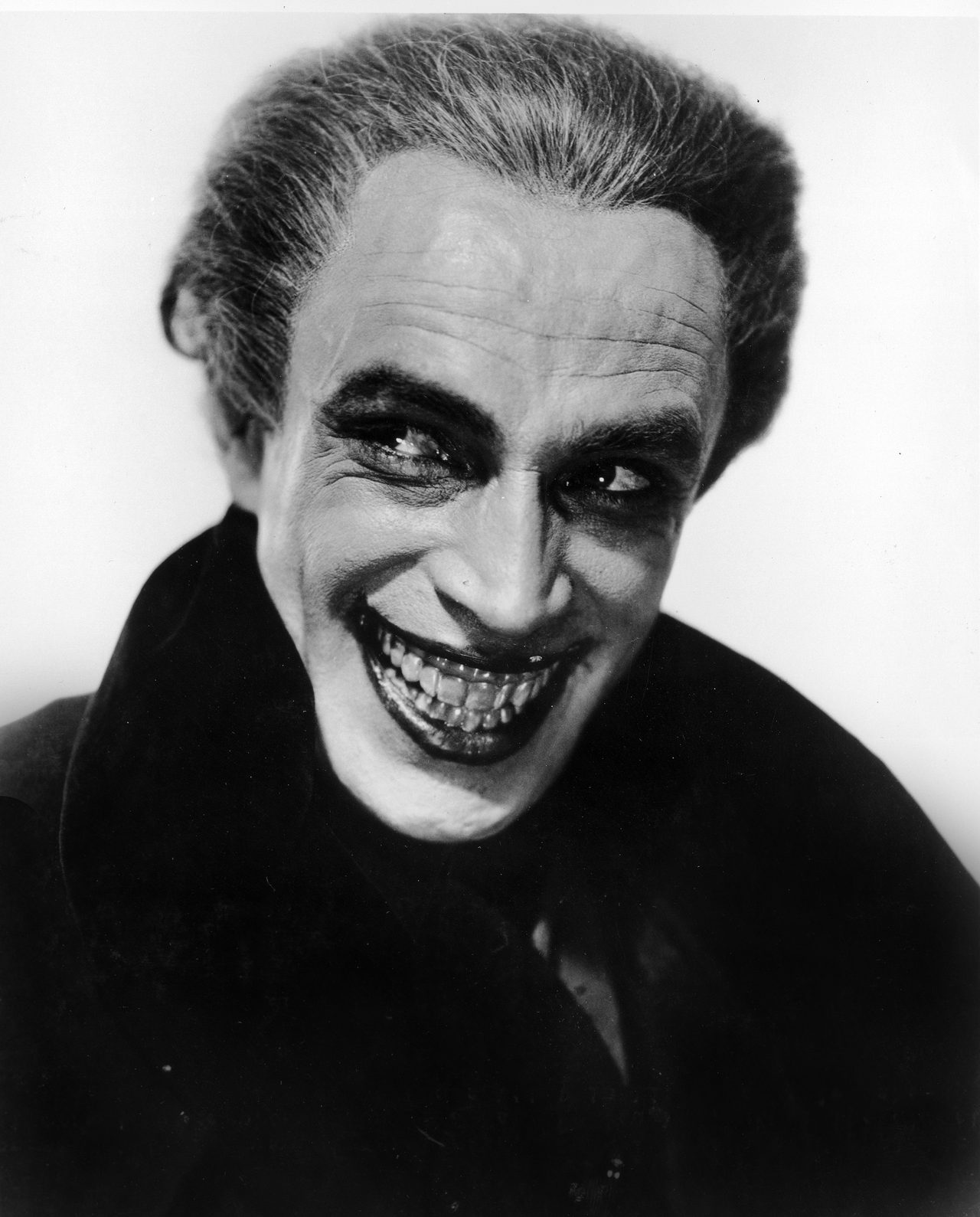
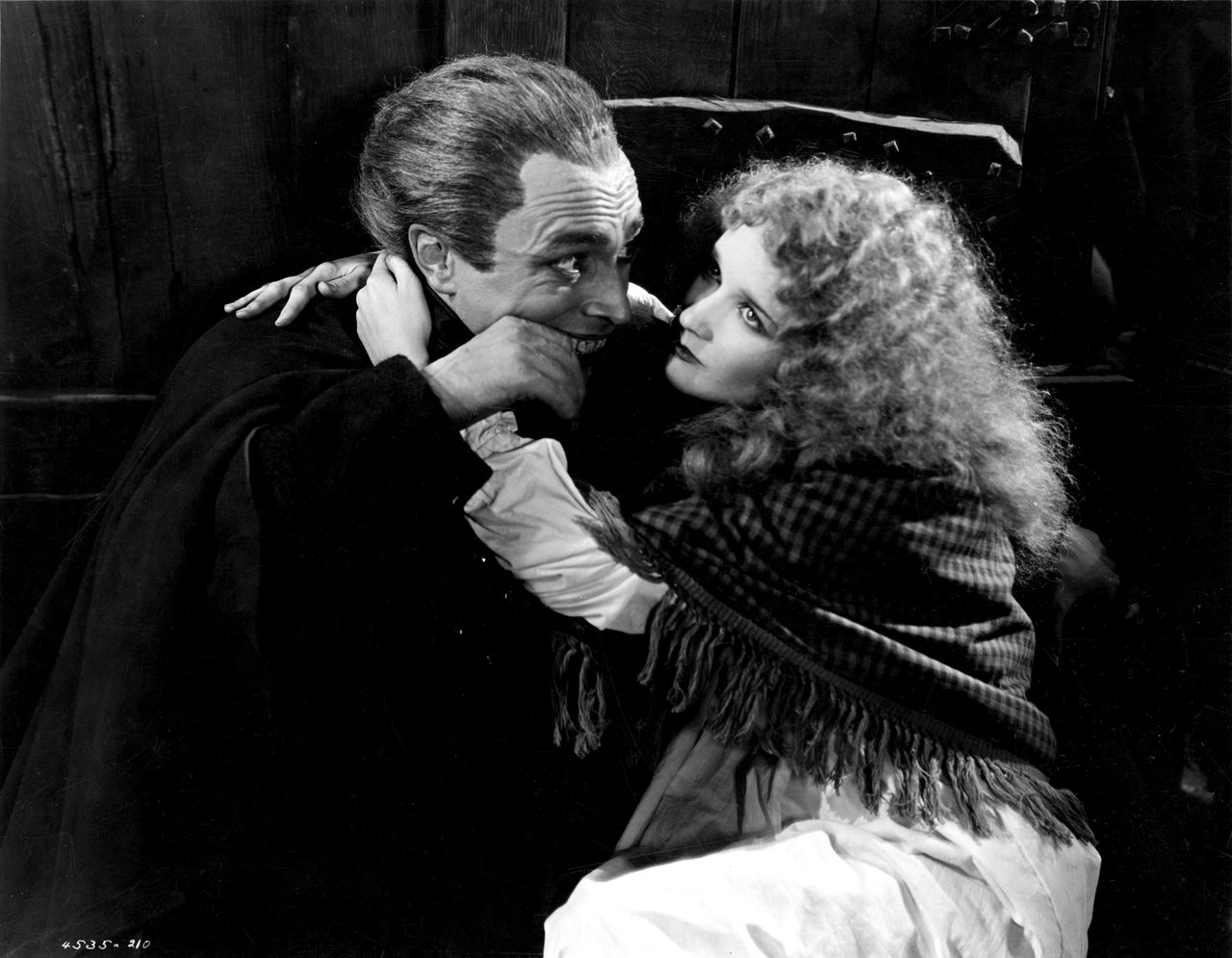
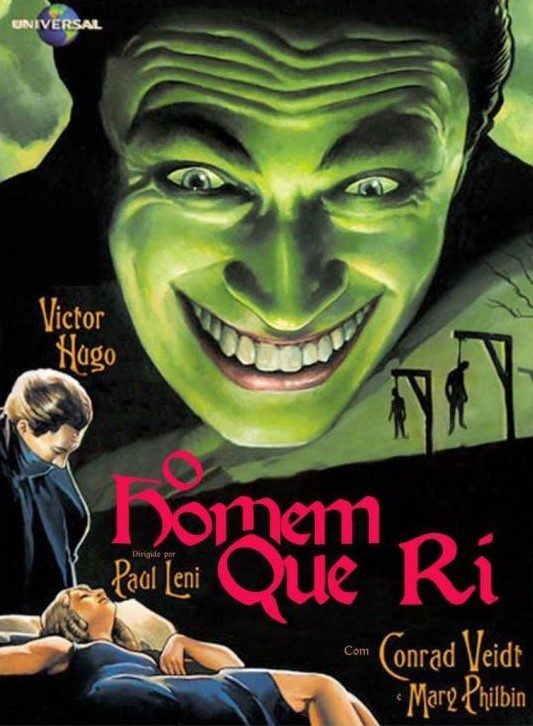
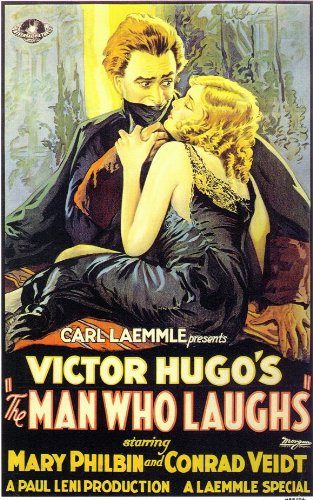
In 1690 England, King James II has Lord Clancharlie executed and his son Gwynplaine disfigured, a grin carved on the boy's face. Abandoned, Gwynplaine later rescues a blind baby, Dea.
- Netflix3.3/5
- IMDb7.6/109,356 votes
- Rotten Tomatoes100%
Trailer

Plot summary
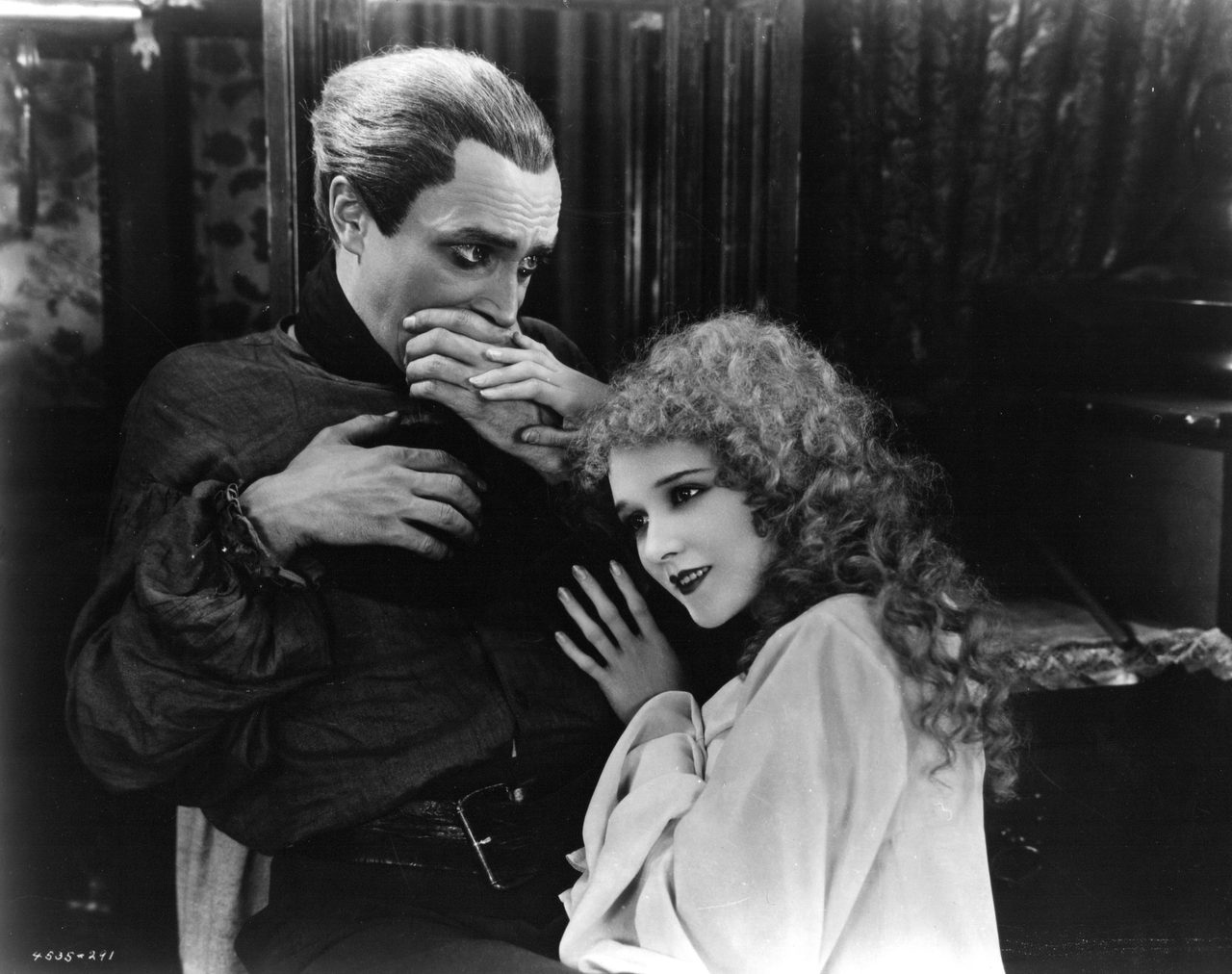
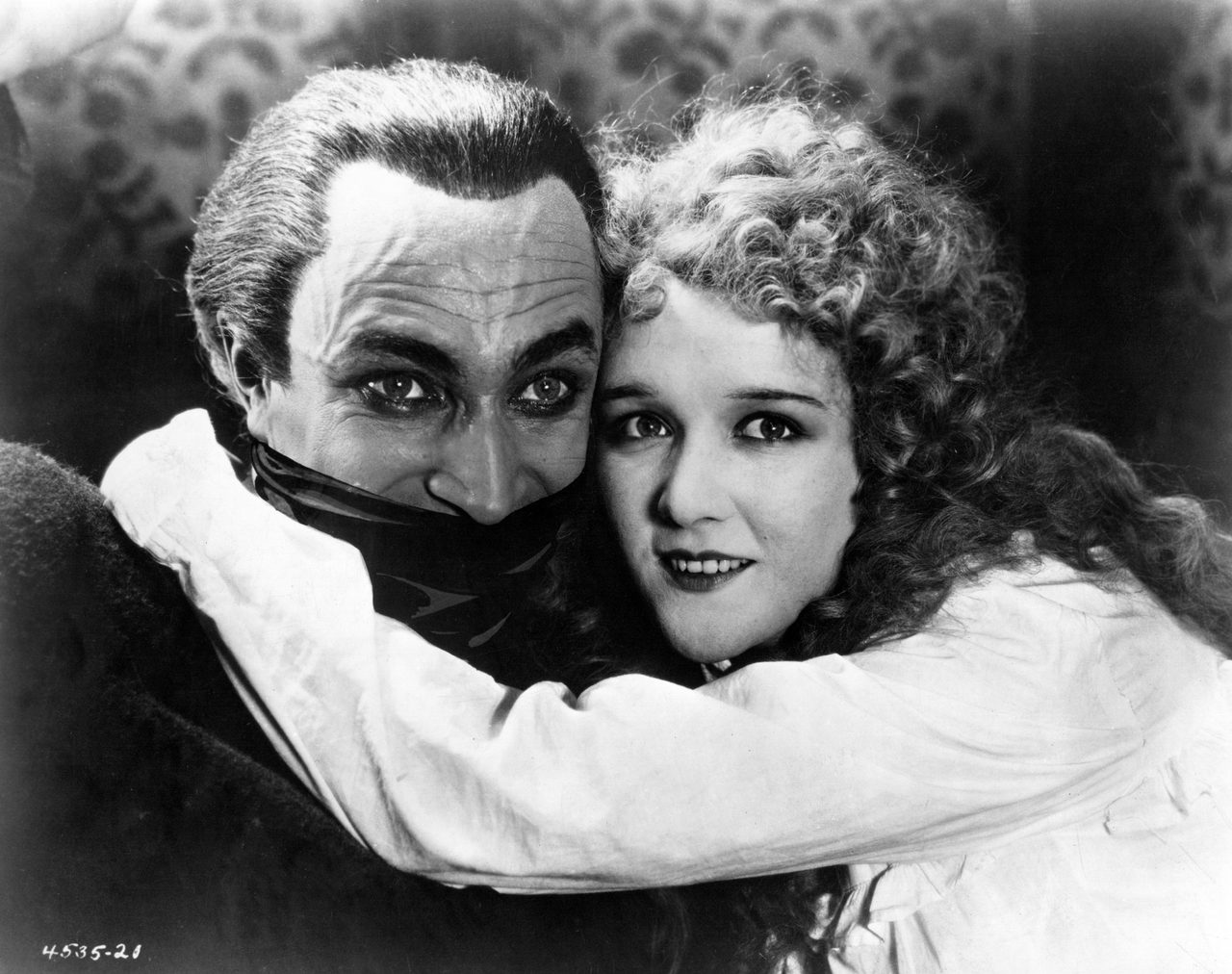
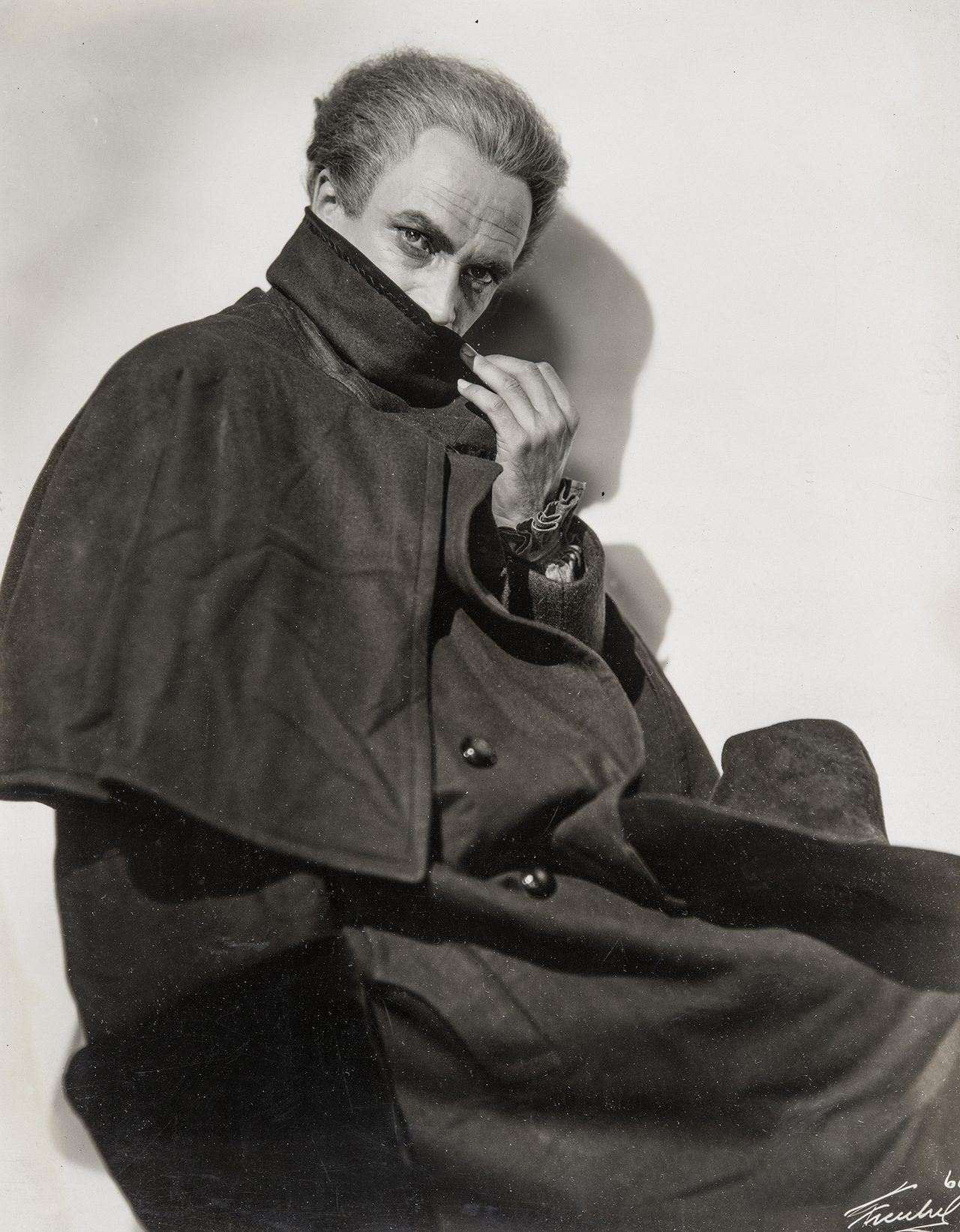
Court jester Barkilphedro brings King James II word that the exiled Lord Clancharlie has been captured, and the King has him executed. The nobleman's young son is sold to the Comprachicos, who carve a grin that will never leave his face before abandoning him in a snowstorm. The boy comes upon a baby girl beside her dead mother and carries her to safety. Ursus, a showman and philosopher, raises them both, and his wolf Homo travels with the troupe. Years afterward, Gwynplaine and the blind Dea perform Ursus's plays at fairs, billed as The Laughing Man. Gwynplaine loves Dea but keeps his face hidden, believing she could never love a man marked as he is.
Cast




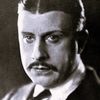

- Julius Molnaras Gwynplaine as a child
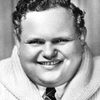
- Deno Fritzas Sword Swallower
- Delmo Fritzas Sword Swallower


Show all 20 cast
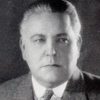
- Richard Bartlettas Undetermined Secondary Role

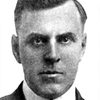
- Carmen Castilloas Dea's Mother (uncredited)
- Allan Cavanas Undetermined Secondary Role (uncredited)
- Zimbo the Dogas Homo the Wolf


Did you know?!Facts and trivia about The Man Who Laughs (1928)
Can contain spoilers, watch the movie first.
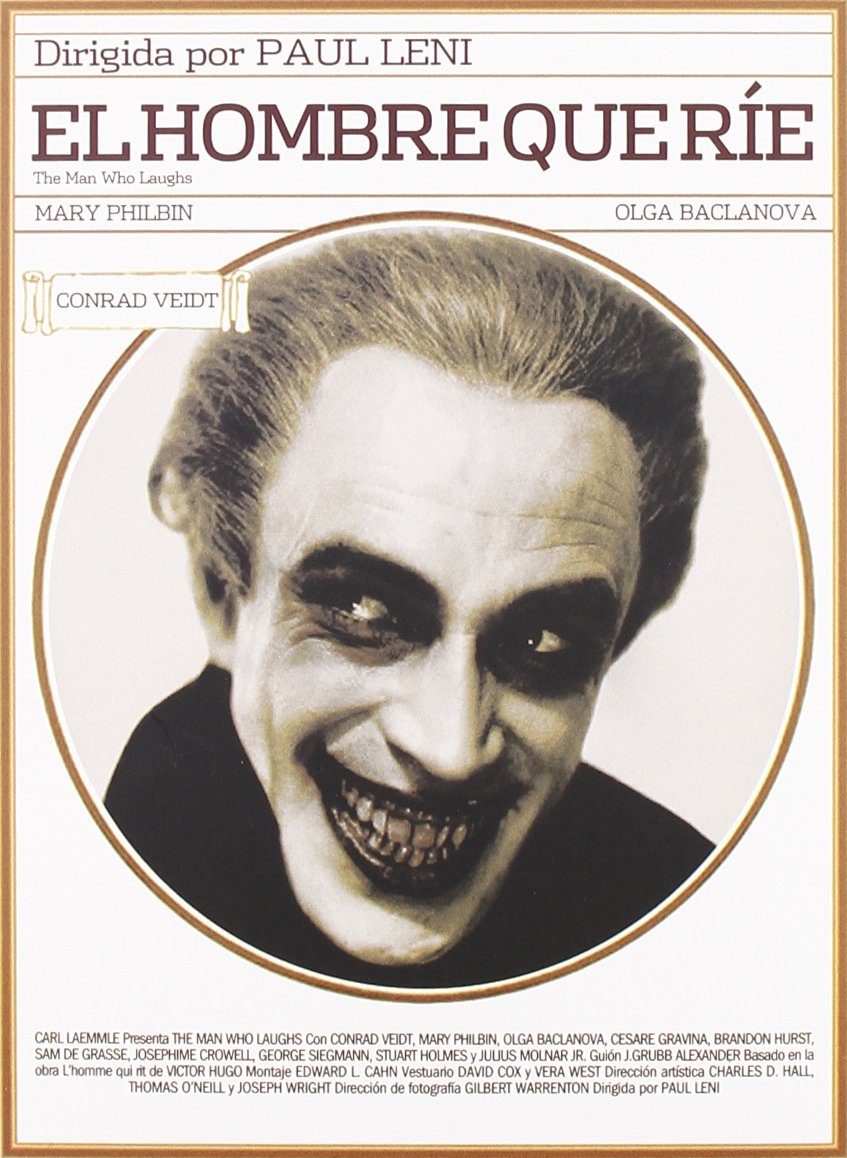
- The Joker, Batman's nemesis, owes his appearance to Conrad Veidt's Gwynplaine: Bill Finger, Bob Kane and Jerry Robinson, who created the Joker in 1940, agreed his exaggerated smile was influenced by a photograph of Veidt from the film.
- While filming the sequence in which Gwynplaine is presented to the House of Lords, the extras were so moved by Conrad Veidt's performance that they burst into applause.
- After Universal failed to acquire the film rights to Hugo's novel from the French studio Société Générale des Films, Lon Chaney's contract was amended: he was released from The Man Who Laughs but allowed to name the replacement film, which became the 1925 The Phantom of the Opera.
- Christopher Lee and Kirk Douglas were among the prominent actors who expressed interest in playing Gwynplaine in a remake, yet there has never been an American sound-era adaptation of The Man Who Laughs, only European ones.
- The film's theme song, "When Love Comes Stealing", had first been recorded by tenor Lewis James in 1924 as Victor 19326-A, and enjoyed a resurgence of popularity in early 1928 with the vogue for film theme songs.
- Decades after its release, the themes and style of The Man Who Laughs were an influence on Brian De Palma's 2006 film The Black Dahlia, which even incorporates some footage from the 1928 film.