Trailer

Plot summary
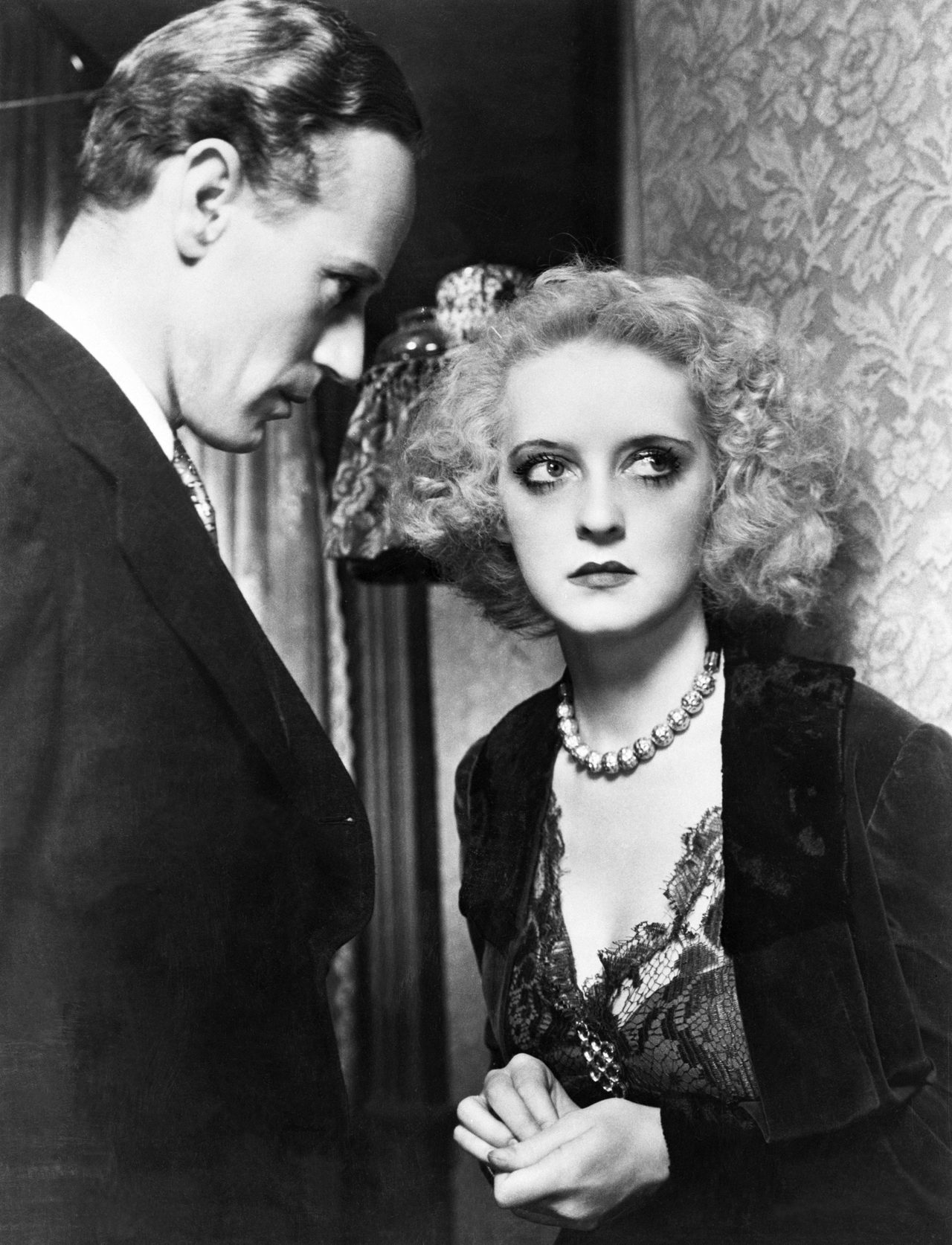
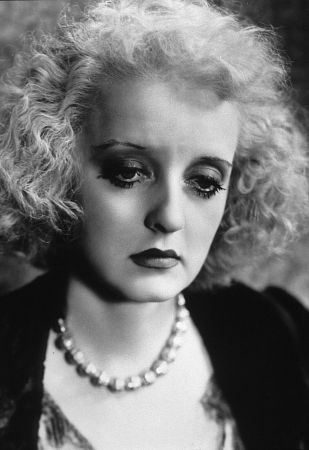
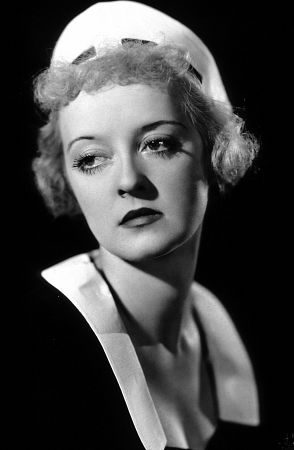
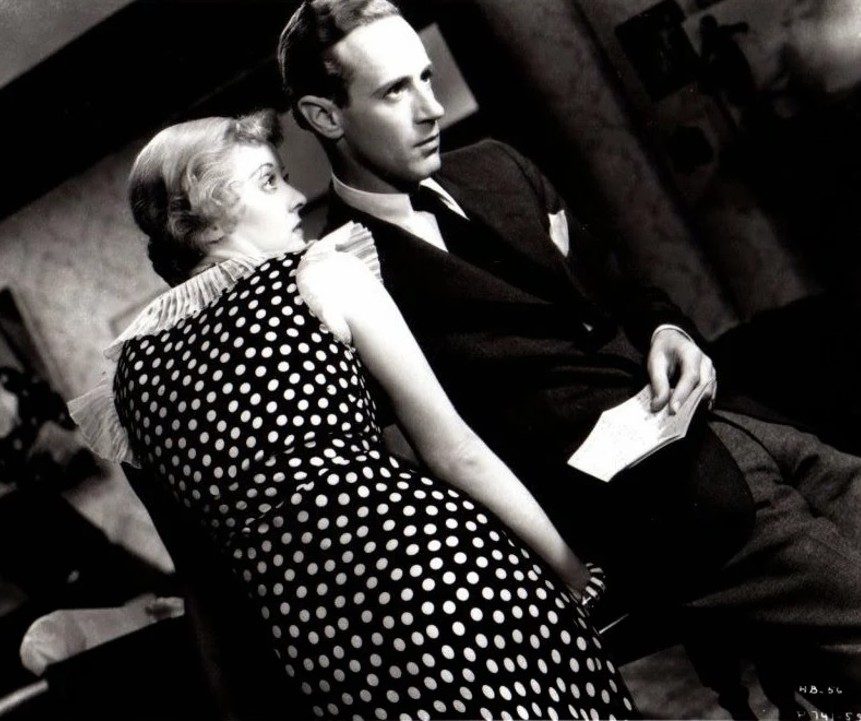
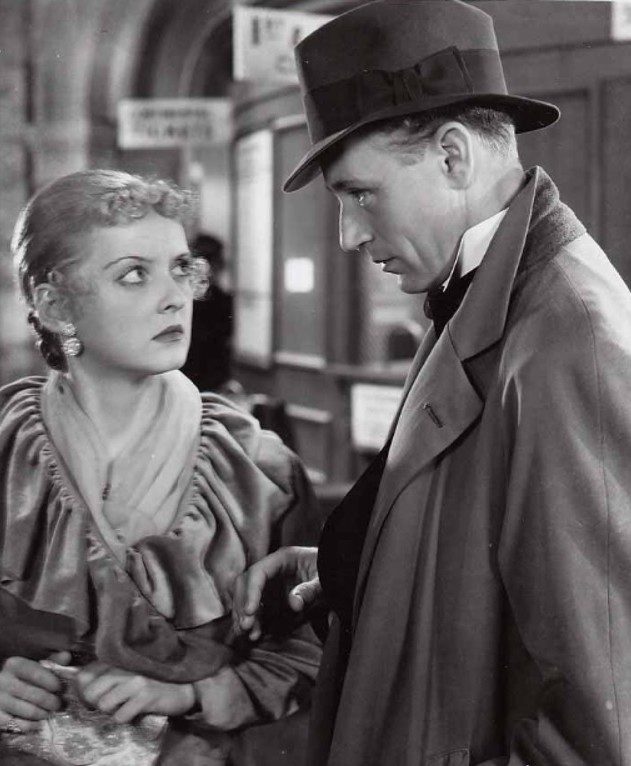
Philip Carey has spent four years studying painting in Paris, until his teacher tells him his work shows no talent. He returns to London to train as a doctor, but self-doubt makes his coursework a struggle. Then he meets Mildred Rogers, a waitress in a tearoom, and falls in love with her. She is scornful of his club foot and of his obvious interest, and answers his invitations with an indifferent phrase that infuriates him. Daydreaming about her costs him his medical examinations. When he proposes, she turns him down and says she will marry Emil Miller, a salesman, instead, and she berates him for wanting her at all.
Cast






- Ray Atchleyas J. Murphy (uncredited)



Show all 20 cast

Did you know?!Facts and trivia about Of Human Bondage (1934)
Can contain spoilers, watch the movie first.
- Bette Davis was left off the Best Actress ballot, so angry Academy voters wrote her name in anyway; she came third behind Claudette Colbert and Norma Shearer, and Price Waterhouse was hired to count the votes, starting the custom of keeping the results secret.
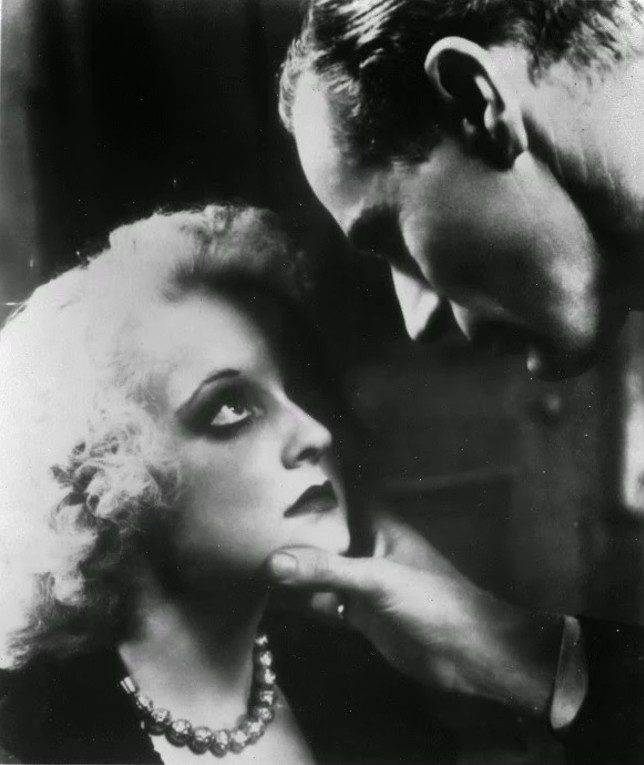
- Katharine Hepburn, Irene Dunne and Ann Harding reportedly declined the role of Mildred Rogers, which Warner Brothers objected to because he felt it would destroy Bette Davis's glamorous image.
- Bette Davis was lent out for the part only when Warner Brothers traded her to RKO, after Mervyn LeRoy wanted RKO's Irene Dunne for Sweet Adeline, the Jerome Kern and Oscar Hammerstein II musical.
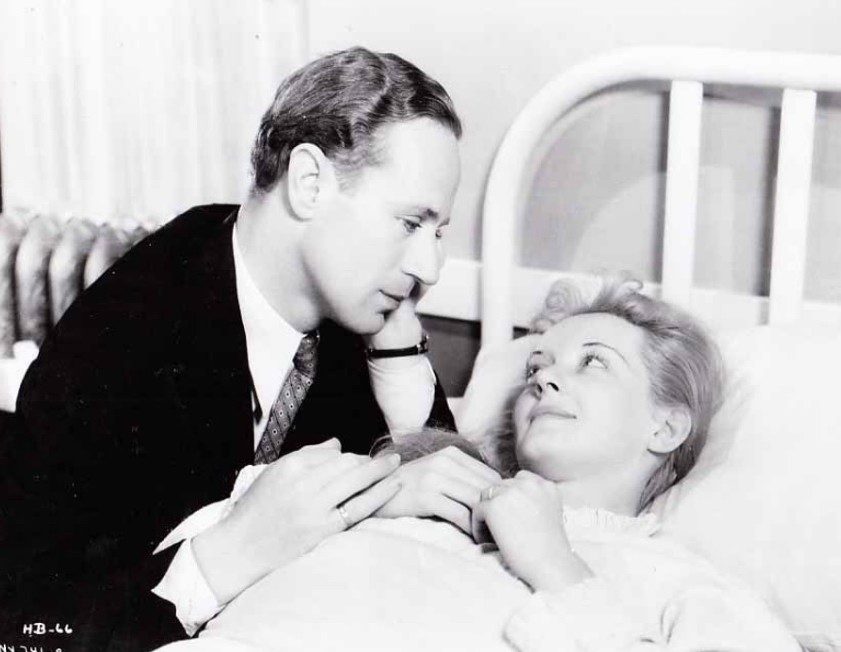
- Leslie Howard was upset that an American, Bette Davis, had been cast as Mildred, and on set he read a book off-stage while throwing her his lines during her close-ups; he became less detached once told she was walking away with the picture.
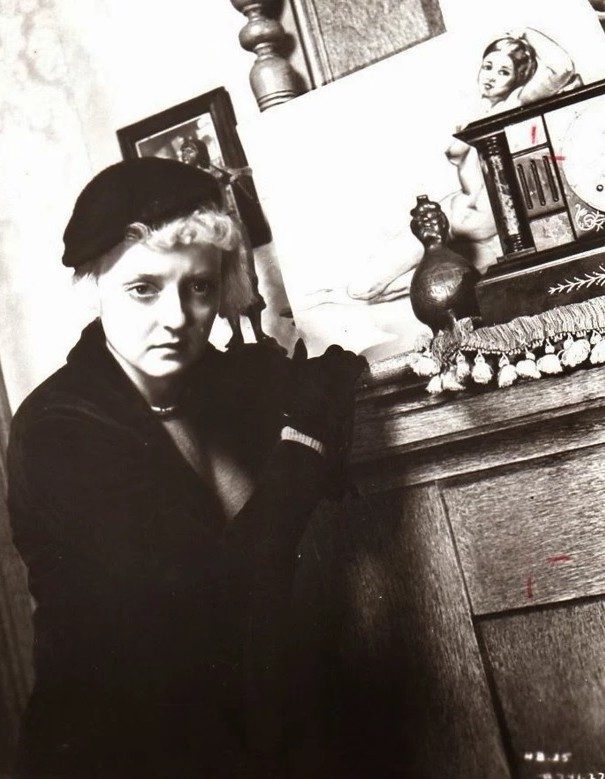
- Mildred's illness was changed from syphilis to tuberculosis to satisfy the demands of the Hays Code, and Bette Davis designed her own make-up for the character's last stages; the upgraded censorship system was announced on July 1, 1934.
- To prepare Mildred's cockney accent, Bette Davis hired an English housekeeper and never told her she was being used as a teacher, for fear the woman would exaggerate her own accent.
- RKO executives were startled to hear laughter at a preview of the film and blamed Max Steiner's score, so the composer wrote a new one with a motif for each of the principal characters.