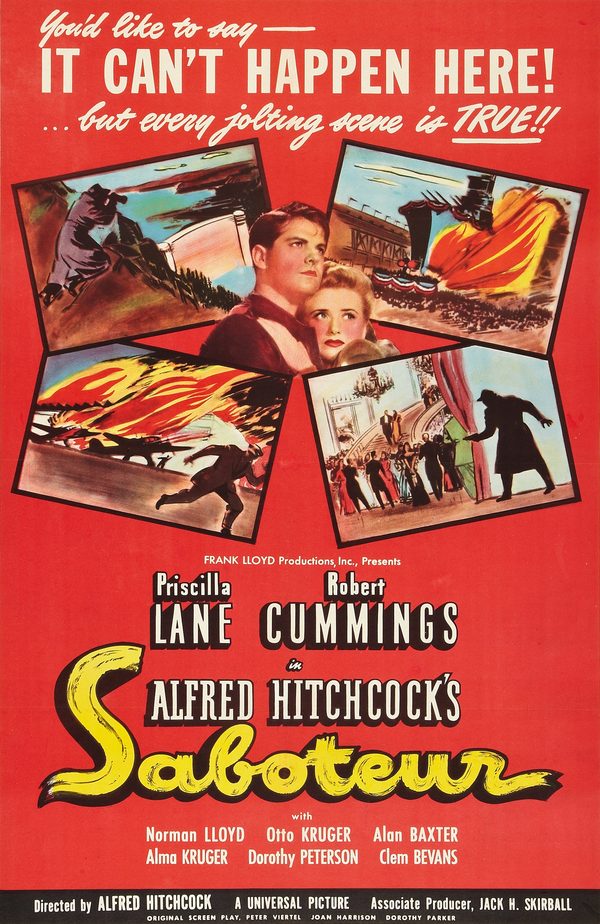
Saboteur (1942) on Netflix
Fire destroys a Glendale aircraft plant and kills Barry Kane's best friend. Kane, a worker there, is blamed for the sabotage and sets out to find the man he believes started it.
- Netflix3.5/5
- IMDb7.1/1029,957 votes
- Rotten Tomatoes81%
Trailer

Plot summary
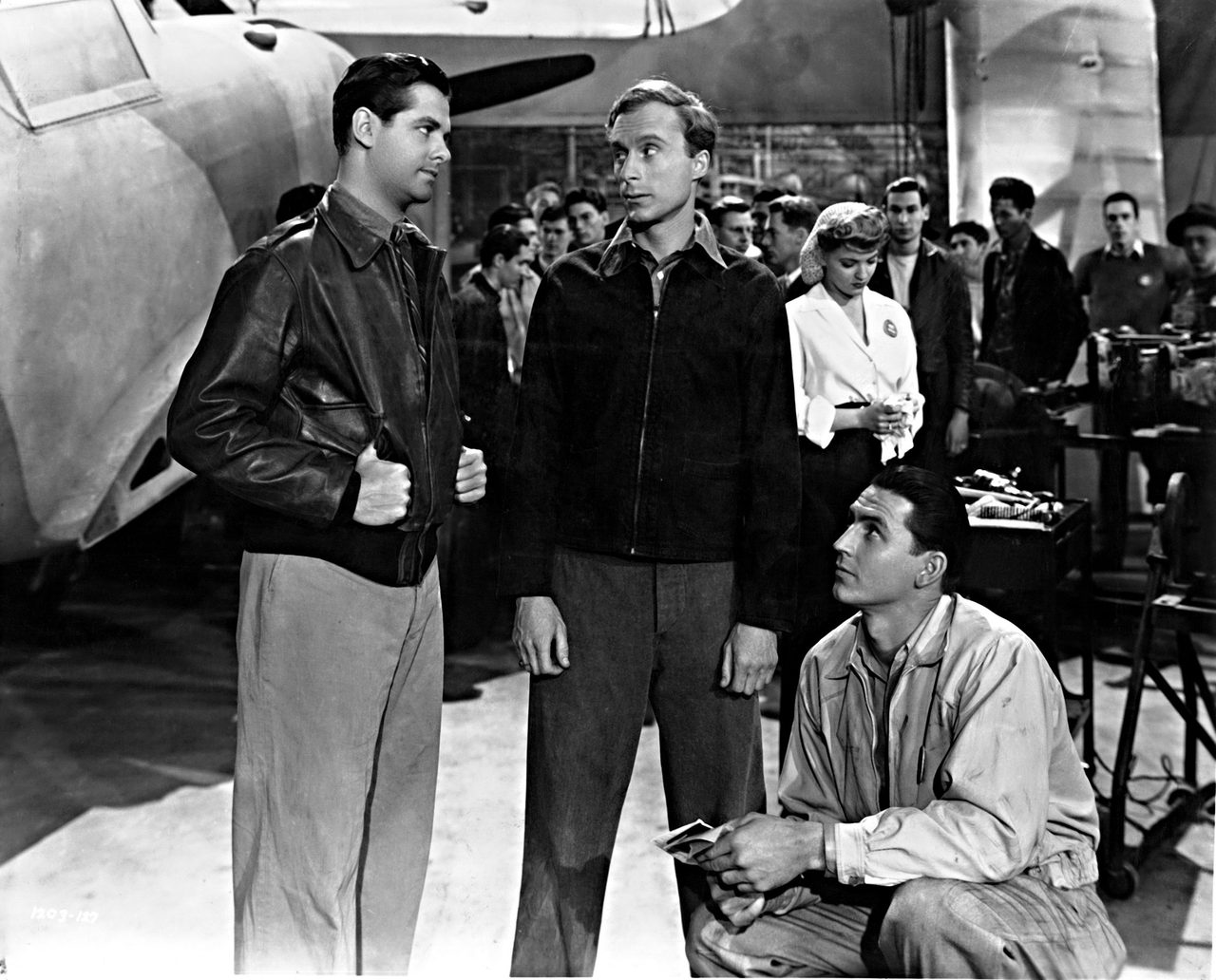
Barry Kane works at an aircraft plant in Glendale, California, during World War II. A fire breaks out there and his best friend dies; Kane is accused of starting it. He recalls a man named Fry, who had seemed to be an employee but appears on no staff record, and an address written on an envelope Fry was carrying. Hunted by the police, Kane follows that lead and hitches a truck ride into the desert. He hides at the home of a blind man whose niece, Patricia Martin, believes he is guilty and tries to hand him to the police. Kane takes her along and travels east, still chasing the man he holds responsible for the fire.
Cast




Show all 20 cast


Did you know?!Facts and trivia about Saboteur (1942)
Can contain spoilers, watch the movie first.
- Hitchcock could not get either actor he wanted for the leads: Gary Cooper was uninterested and Barbara Stanwyck had other commitments, so he cast Robert Cummings, who had a new Universal contract, and borrowed Priscilla Lane from Warner Bros.
- War Office officials redflagged Saboteur over its scene involving the SS Normandie (renamed USS Lafayette); Hitchcock said the Navy "raised hell" with Universal because the film implied the ship had been sabotaged, but the scene stayed in the final film.
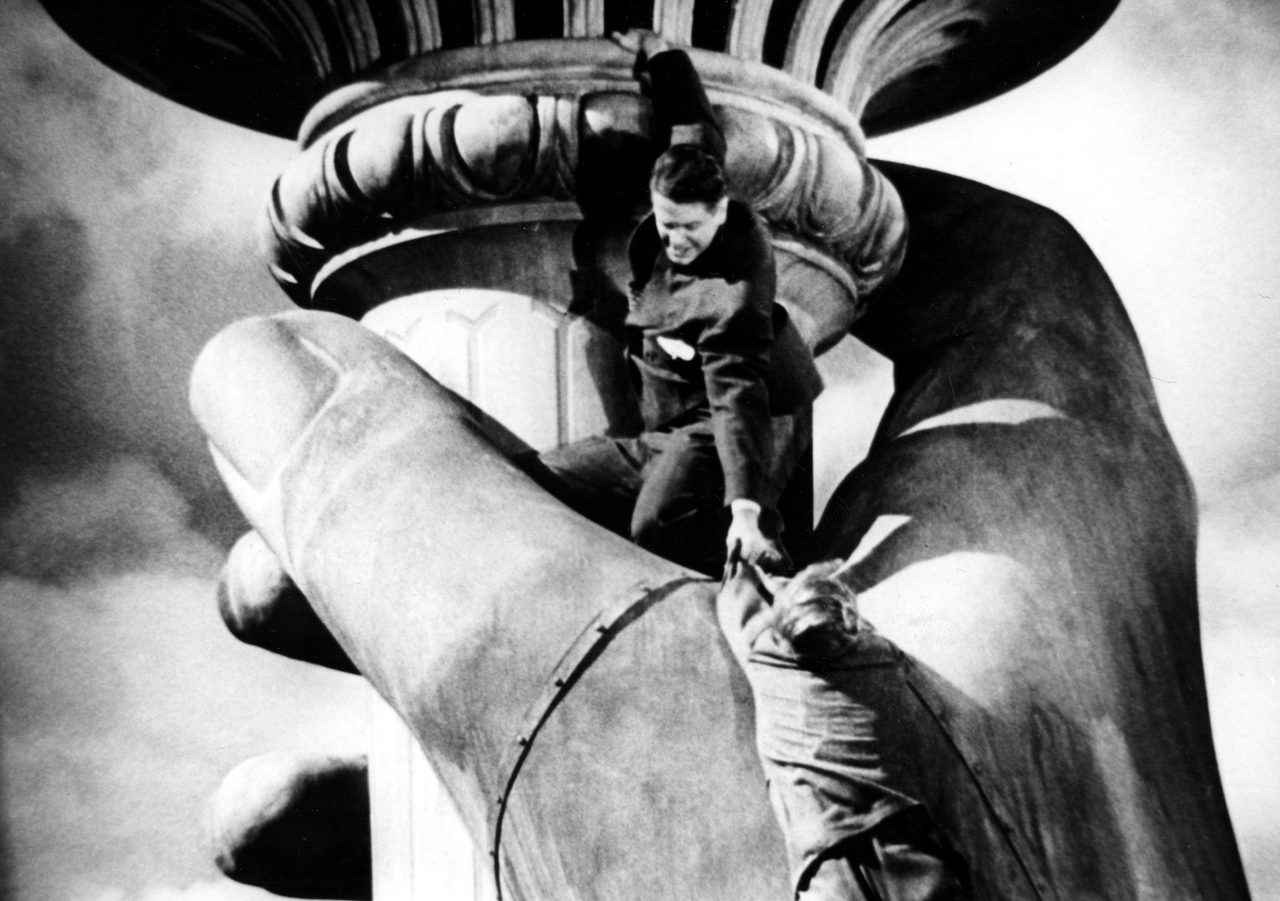
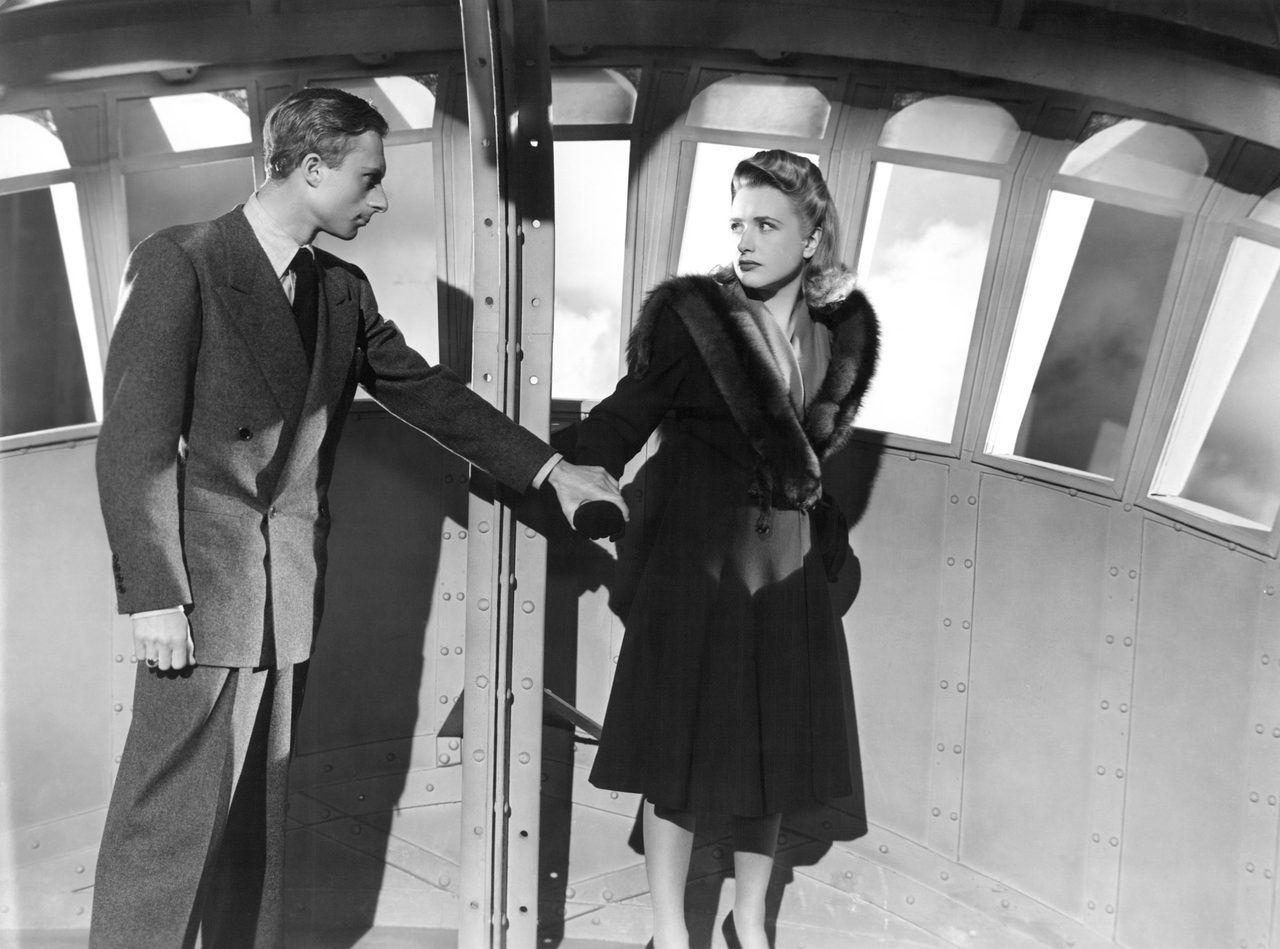
- For the Statue of Liberty climax, Norman Lloyd lay on his side on a black saddle on a black floor while the camera was moved from close-up to 40 feet above him to make him appear to drop away; footage taken from the top of the Statue was then superimposed on the black background.
- Hitchcock pitched the film to producer David O. Selznick, but Selznick's story editor Val Lewton rejected the script, so Selznick forced Hitchcock to offer it to other studios, a sale whose terms would have netted Selznick a three-hundred percent profit and caused ill feelings between them.
- The Statue of Liberty torch platform where the climax is set had been closed to public access since the Black Tom sabotage in 1916, so a mock-up that accurately depicted that part of the statue was built for filming.
- When the US War Production Board issued 1942 clothing-rationing guidelines (General Limitation Order L-85), it invited Hollywood designers including Travis Banton, Walter Plunkett, Irene Saltern and Vera West to create compliant fashions; Saltern's contest designs were then used for Priscilla Lane's costumes.
- No music was scored for the film's climactic Statue of Liberty scene or the Radio City sequence, and Hitchcock let those scenes carry on their own, mixing the gunshots on the theater screen with the shootout in the theater.
- Scripting, pre-production and principal photography on Saboteur wrapped in 15 weeks, the fastest Hitchcock had ever worked on a film.