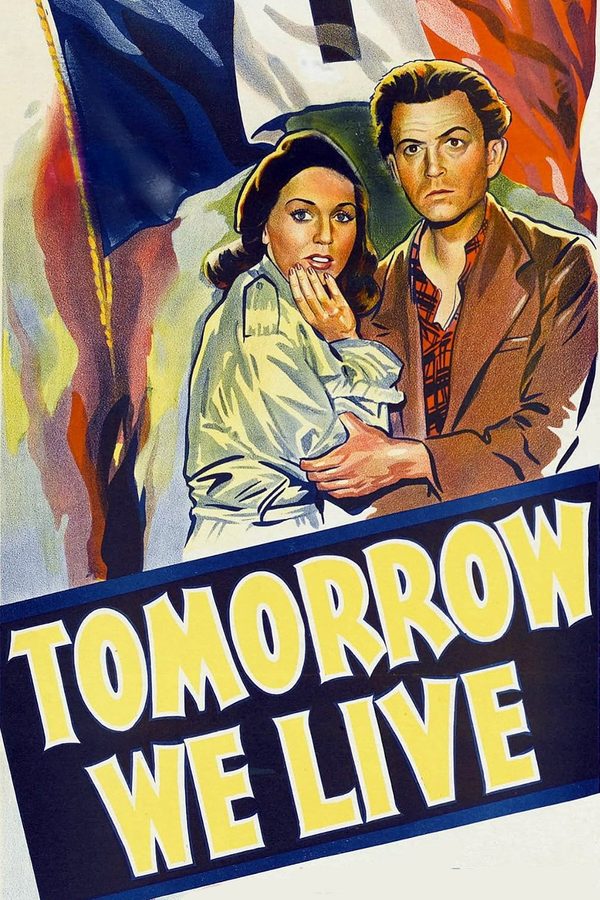
Tomorrow We Live (1942) on Netflix
Approved19421h 25mDramaRomanceThrillerWar
Jean Baptiste comes to the occupied town of St Pierre-le-Port with details of the U-boat base at Saint-Nazaire. He needs passage to England, and a baker's mother hides him.
- Netflix3.2/5
- IMDb6.3/10325 votes
- Rotten TomatoesNot available
Clip

Plot summary
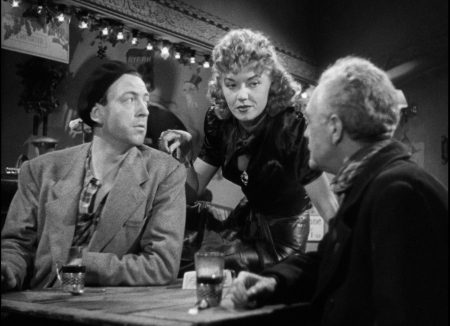
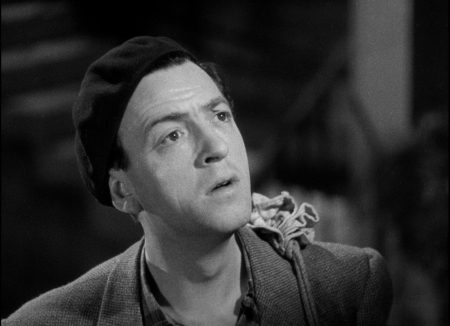
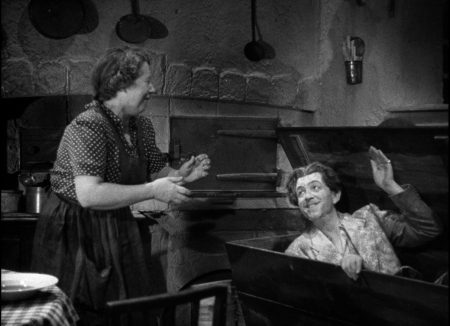
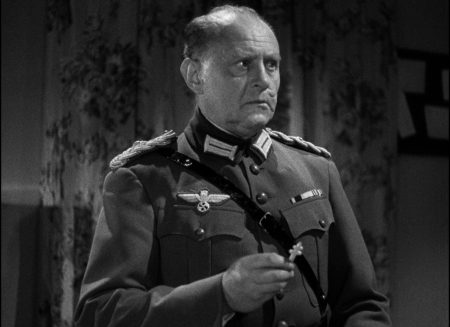
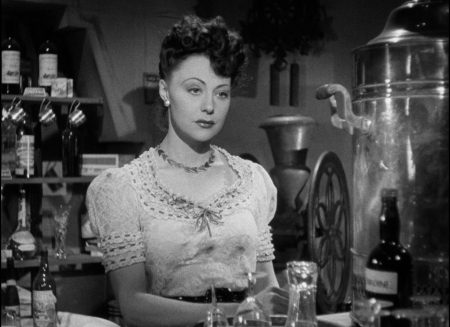
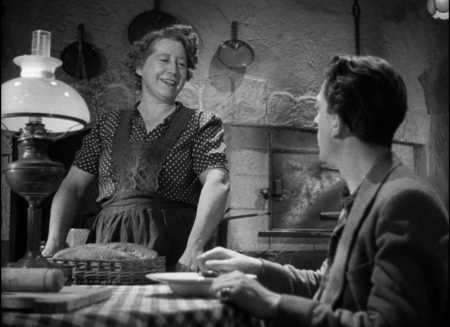
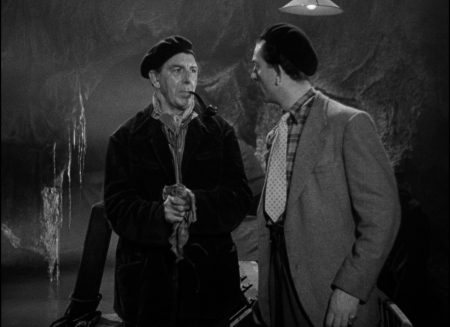
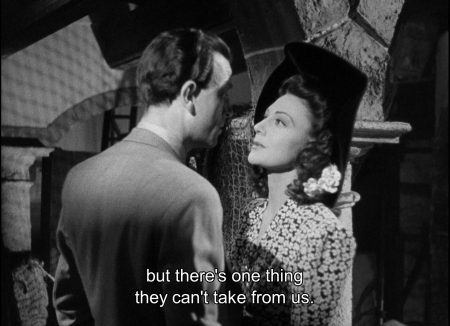
Saint-Nazaire on the Atlantic coast is a German U-boat base, and Jean Baptiste arrives in the nearby town of St Pierre-le-Port carrying intelligence about the base's docks and power plant, looking for passage to England. The waitress Frisette befriends him, and Madame L. Labouche, the baker's mother, gives him refuge and bluffs a German searcher away. Boileau, the mayor's secretary, issues him papers that get him work in the shipyard. Matthieu takes him underground, where the rebel Pogo smuggles three English sailors out by channel. The mayor, Pierre DuSchen, and his daughter Marie let the occupiers take them for collaborators; their supposed cooperation persuades the commandant to lessen his patrols. The Germans hold the town answerable for acts of sabotage.
Cast





- Judy Kelleyas Germaine Bertan








Did you know?!Facts and trivia about Tomorrow We Live (1942)
Can contain spoilers, watch the movie first.
- Roy Douglas, credited with orchestrating the score, claimed in a memoir held in the William Walton Archive that Nicholas Brodzsky was a so-called composer and that he had composed entire film scores for Brodzsky which went under Brodzsky's name.
- Tomorrow We Live, set in occupied France and made during the Second World War, opens with a credit acknowledging the official co-operation of General de Gaulle and the French National Committee.
- In a letter to Roy Douglas dated 23 December 1943, William Walton wrote that, as music adviser to the film company Two Cities, it would be his duty to have to "tick him off" about Brodzsky.