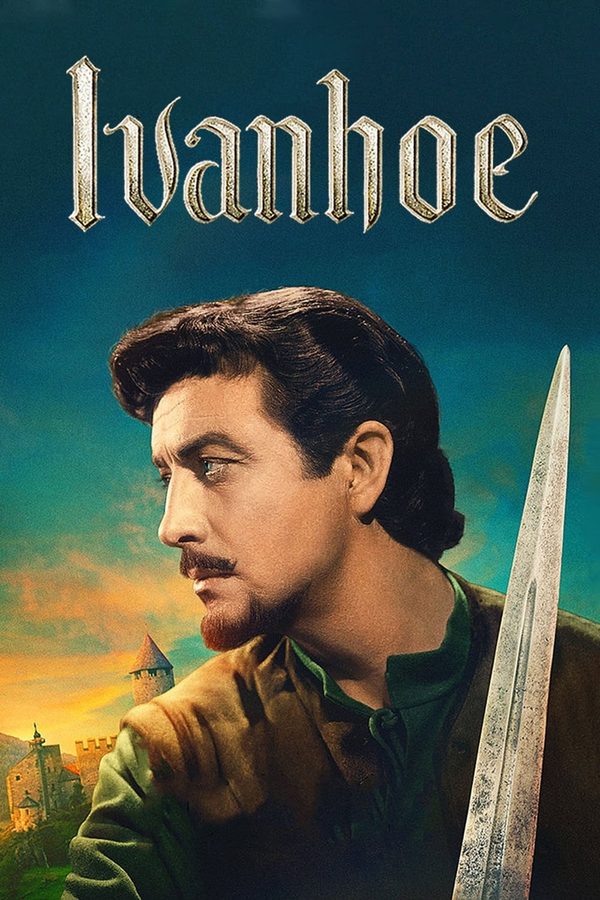
Trailer

Plot summary
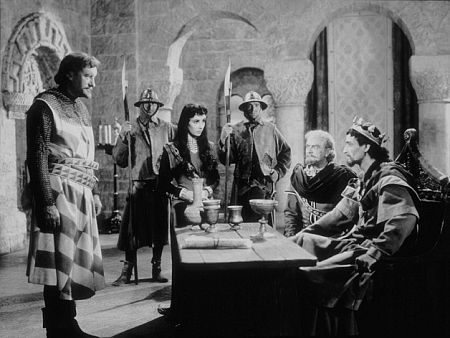
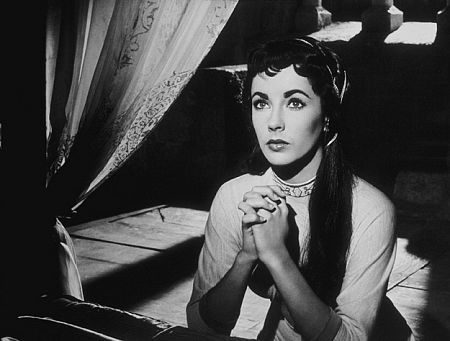
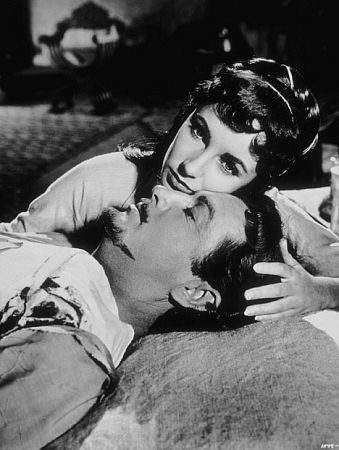
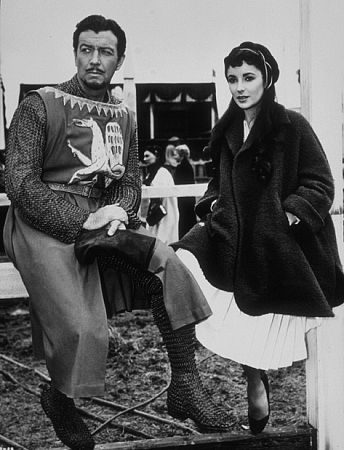
King Richard the Lionheart vanishes on his way home from the Crusades, and his brother Prince John rules England in his absence, content to leave him where he is. Wilfred of Ivanhoe, a Saxon knight, finds the king held by Leopold of Austria for a ransom of 150,000 marks of silver, and returns to England to raise it. Traveling as a minstrel, he falls in with two of John's Norman supporters, Sir Brian de Bois-Guilbert and Sir Hugh de Bracy, and leads them to Rotherwood, the hall of Cedric the Saxon, his father, who disowned him. Cedric wants no part in helping a Norman king. With Wamba, Cedric's jester, as his squire, Ivanhoe rides on and rescues Isaac of York from Norman soldiers; Isaac's daughter Rebecca gives Ivanhoe her jewels to buy a horse and armor for a tournament.
Cast











Did you know?!Facts and trivia about Ivanhoe (1952)
Can contain spoilers, watch the movie first.
- Screenwriter Marguerite Roberts and her husband John Sanford were subpoenaed by the House Un-American Activities Committee in 1951, pleaded the Fifth as former Communist Party members, and were blacklisted; MGM stripped her credit from the film and she did not work in Hollywood again for nine years.
- Ivanhoe set an opening-week box-office record at Radio City Music Hall with a $177,000 gross, and its $1,310,590 haul over its first 39 days set a new record for an MGM film.
- The studio hired real-life British World War II officer Jack Churchill, famous for going into battle carrying a Scottish broadsword, longbow and bagpipes, to play an archer shooting from the walls of Warwick Castle.
- Composer Miklós Rózsa's score earned Academy Award and Golden Globe nominations, yet Rózsa himself later dismissed the film in his 1982 autobiography as 'a typical Hollywood historical travesty' that was 'cliche-ridden and conventional.'