Trailer

Plot summary
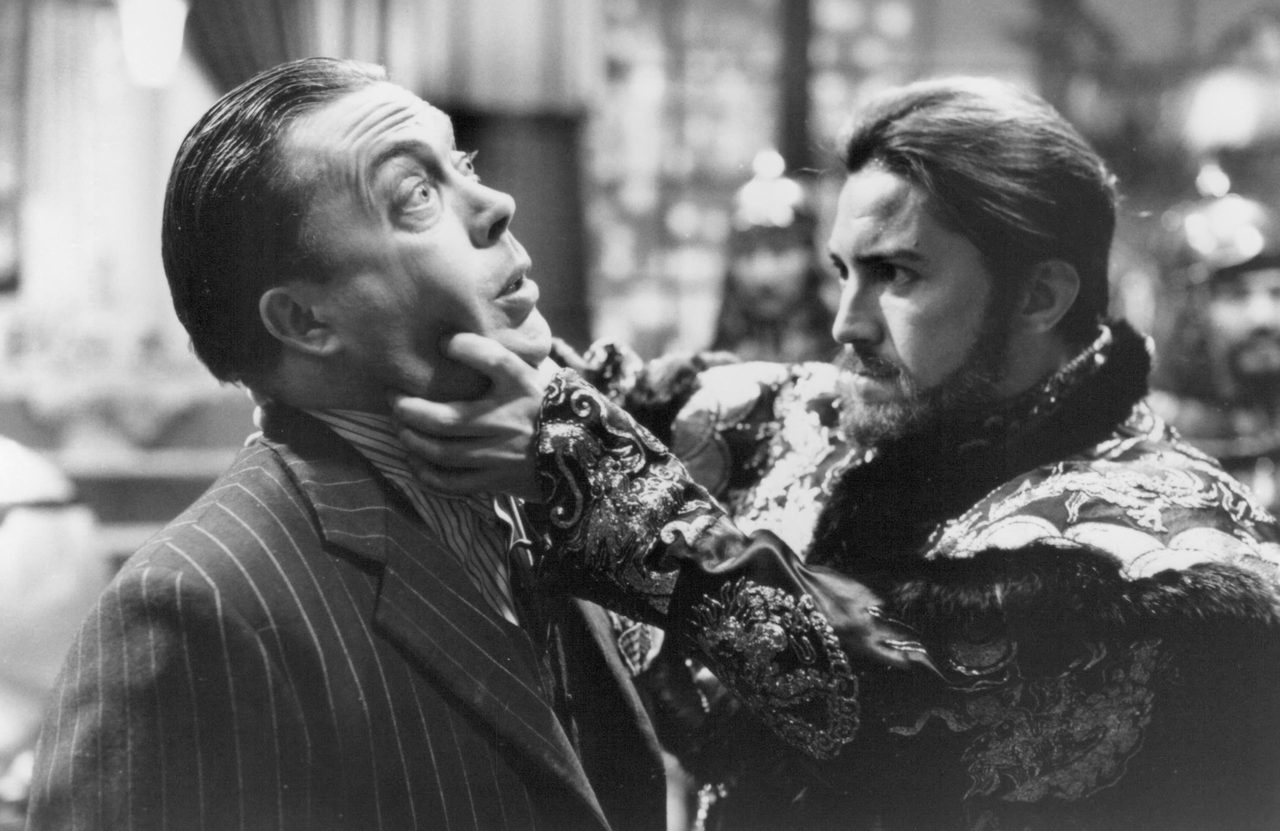
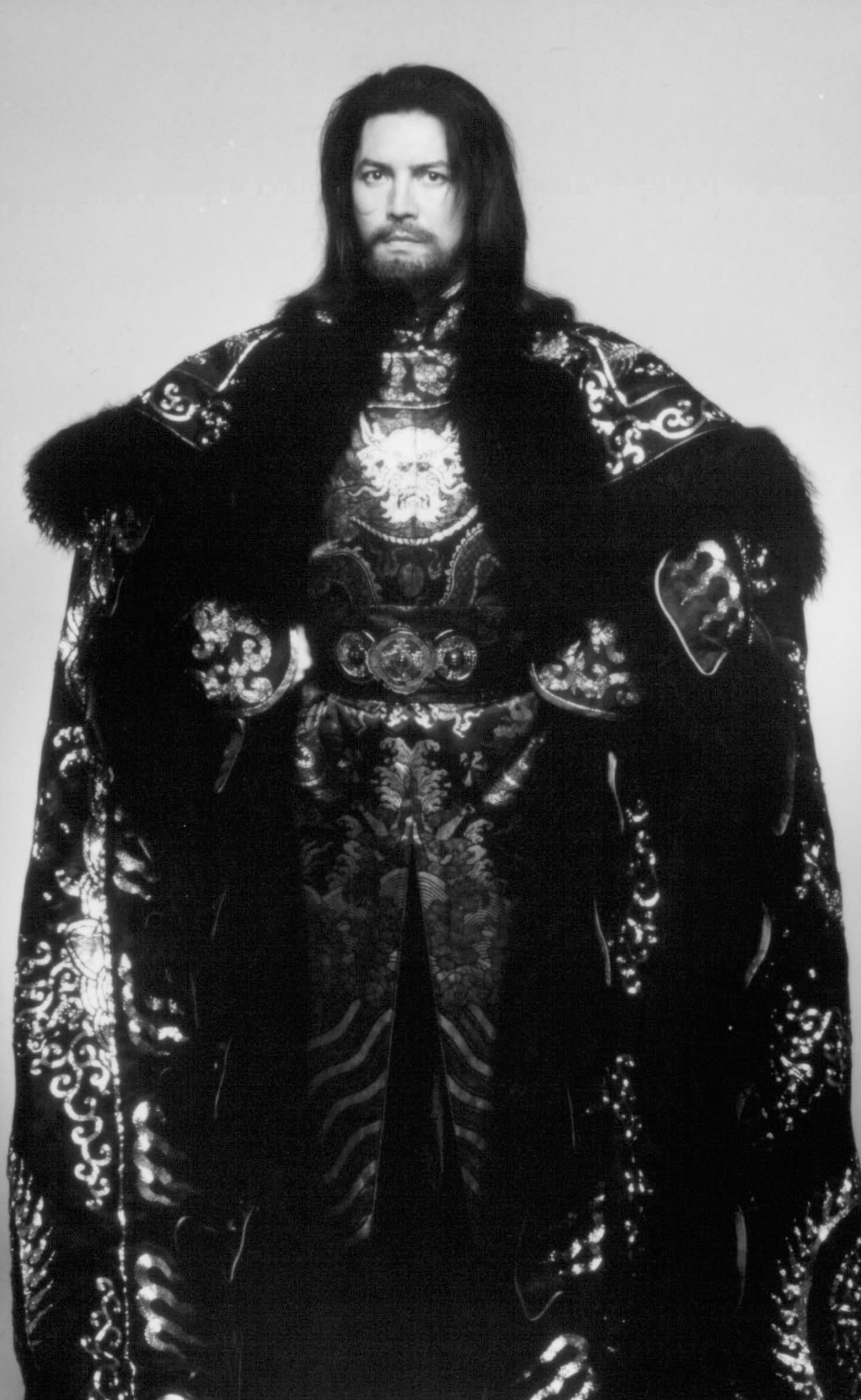
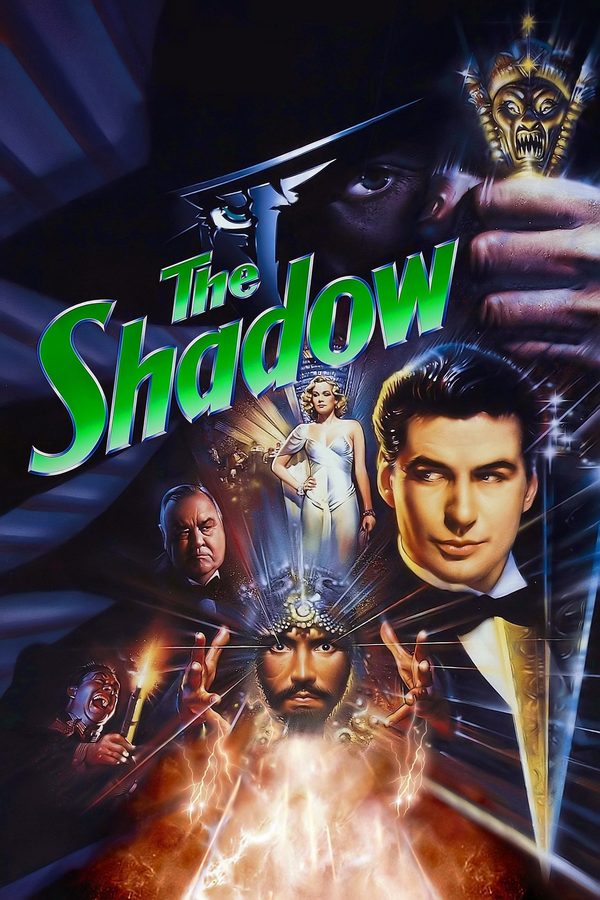
After the First World War, Lamont Cranston runs an opium empire in Tibet until the Tulku, a holy man with psychic powers, takes him as a student. Cranston returns to New York seven years later as a wealthy playboy and works in secret as the Shadow, a vigilante who strikes at the criminal underworld and clouds the minds of men, gathering information from people he saves from criminals. His uncle Wainwright, the police commissioner, is hypnotized to keep him out of the way, and Margo Lane, a telepathic socialite who befriends him, puts his secret at risk. Shiwan Khan, the last descendant of Genghis Khan and a rogue pupil of the Tulku, arrives in the city inside his ancestor's sarcophagus, bent on world domination, and proposes an alliance that Cranston refuses.
Cast




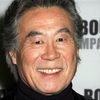
- Brady Tsurutanias Tulku




Did you know?!Facts and trivia about The Shadow (1994)
Can contain spoilers, watch the movie first.
- The production lost a week when an earthquake destroyed the Hall of Mirrors set; the film was shot on the Universal backlot in Hollywood on five sound-stages over sixty days, with a five-day mini-unit of location shooting.
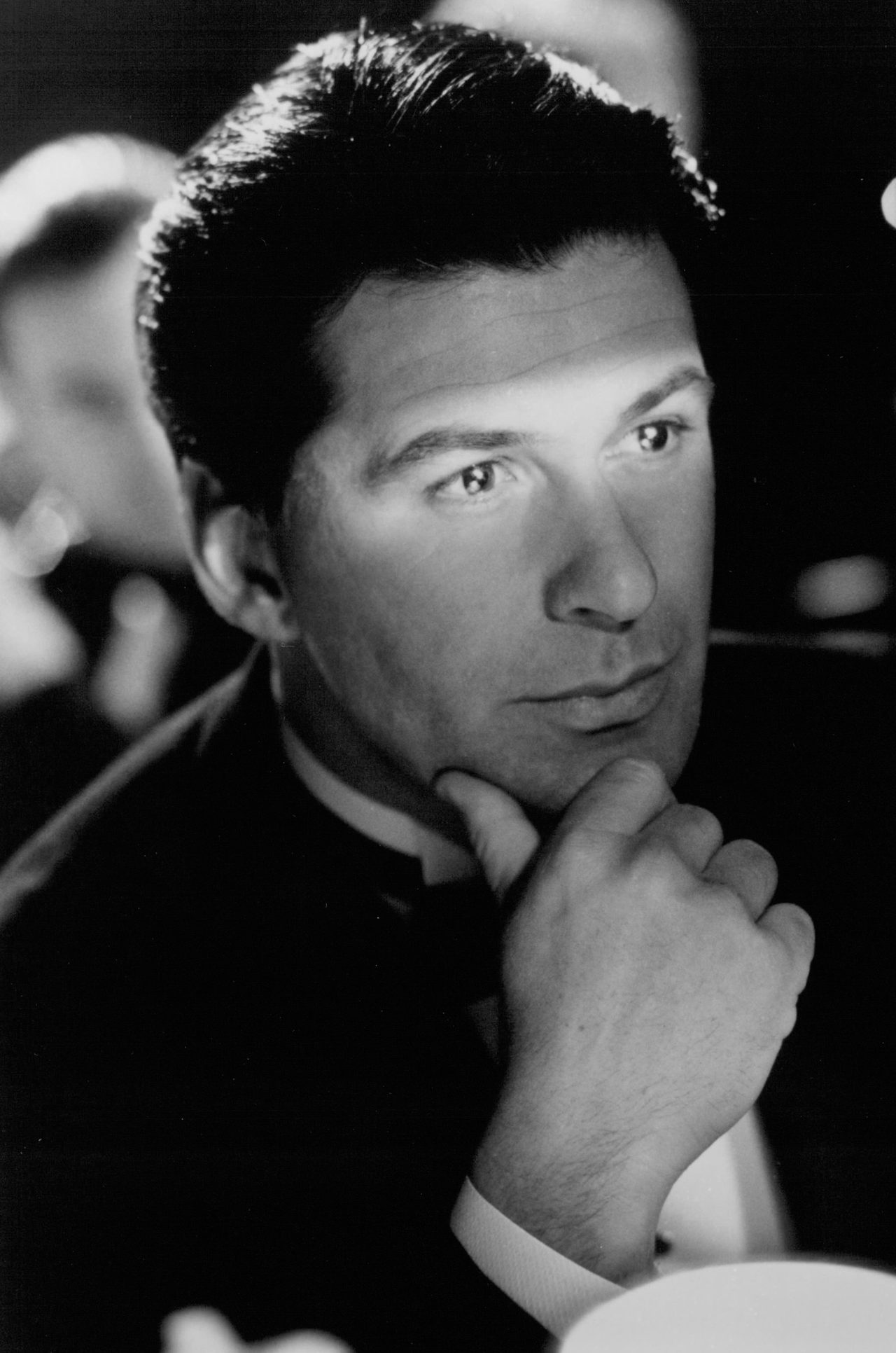
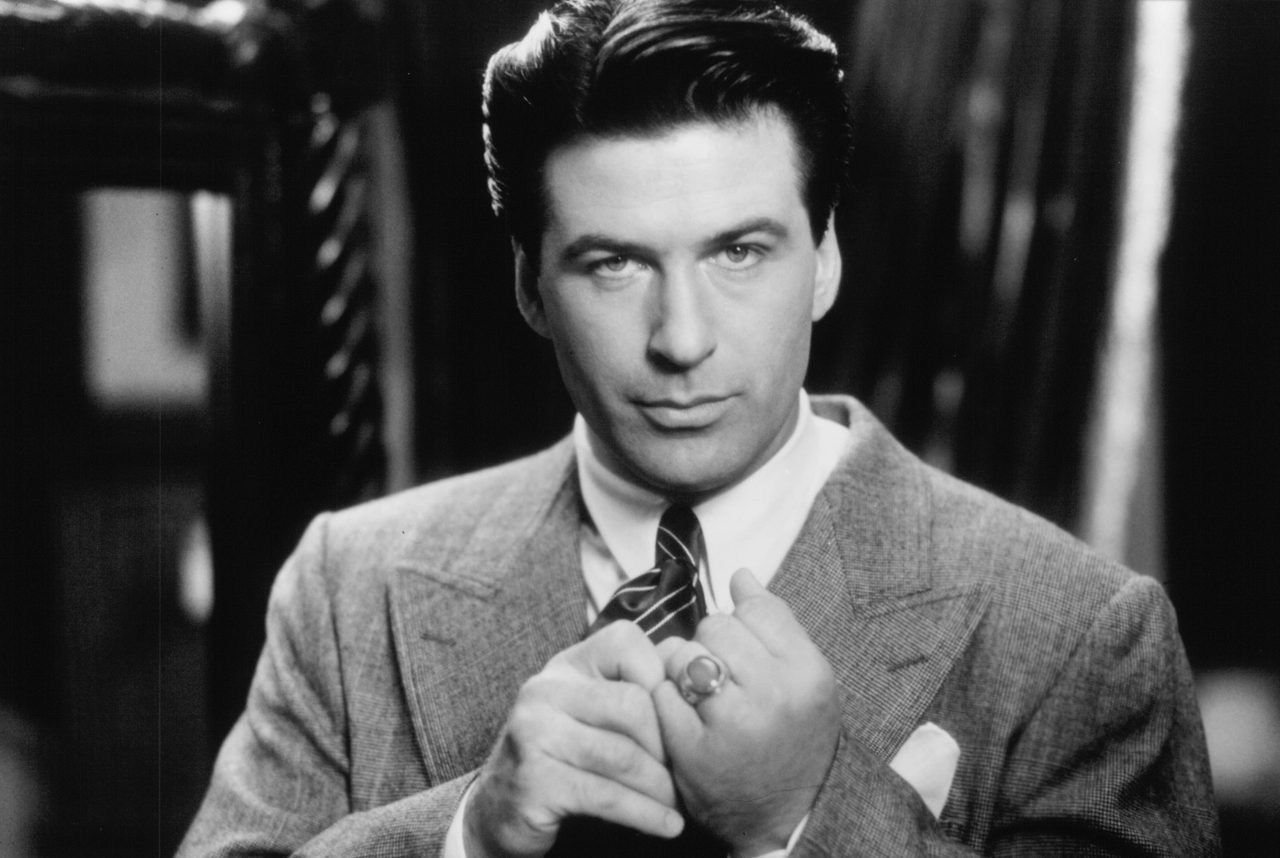
- The screenwriter was a fan of Alec Baldwin and wrote the script with him in mind for Lamont Cranston, saying Baldwin had "the eyes and the voice" and so much of what he pictured for the character.
- Jerry Goldsmith gave the villain no fully developed theme, instead using horns and synthesizers to imitate a howling sound, a musical effect that would later echo in his scores for The Ghost and the Darkness and The Edge.
- A video game version of The Shadow for the Super NES was completed to tie in with the 1994 film, but it was never released because of the film's disappointing box-office gross.
- For the end credits and album, Taylor Dayne performed Jim Steinman's song "Original Sin", which had first appeared on the album of the same name recorded by the female group Pandora's Box.