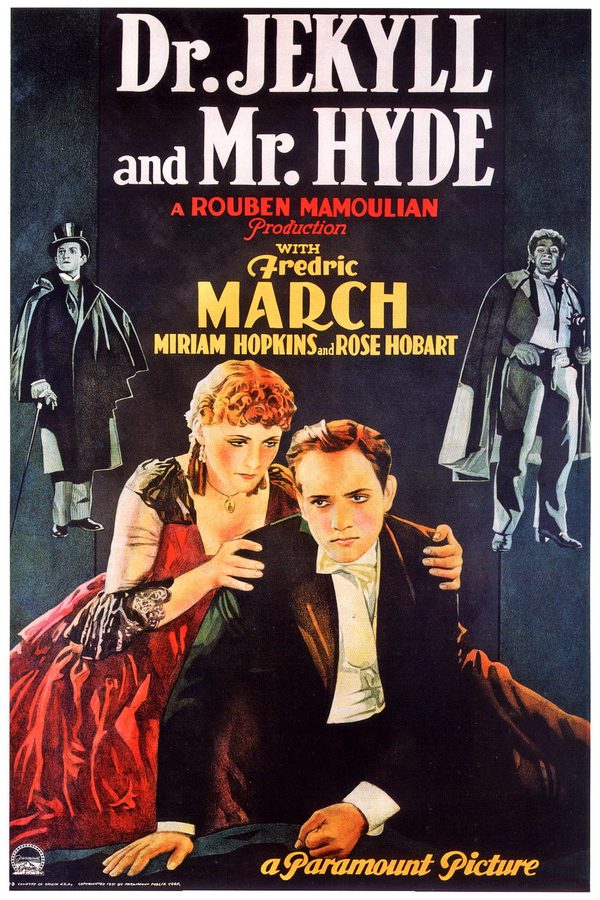
Dr. Jekyll and Mr. Hyde (1931) on Netflix
Dr. Henry Jekyll is certain that good and evil both live in every man. Told to wait before marrying Muriel Carew, he turns to chemicals meant to separate the two sides.
- Netflix4.2/5
- IMDb7.6/1017,958 votes
- Rotten Tomatoes91%
Plot summary
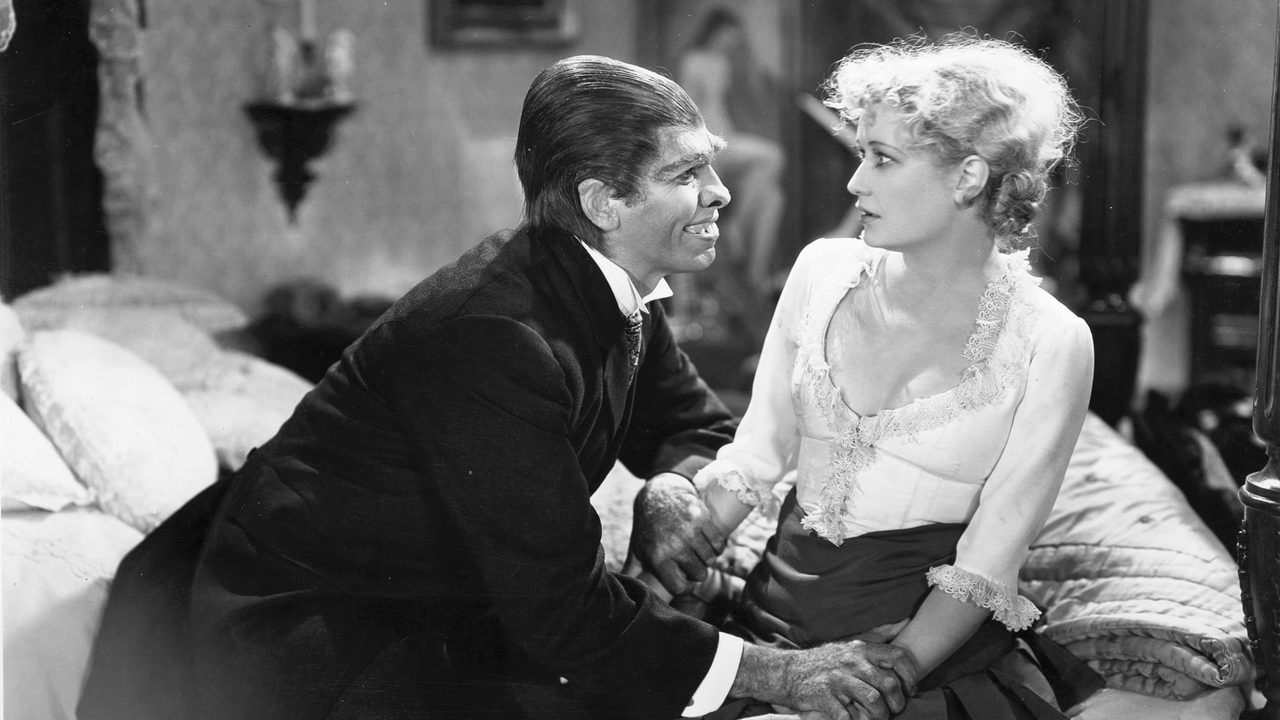
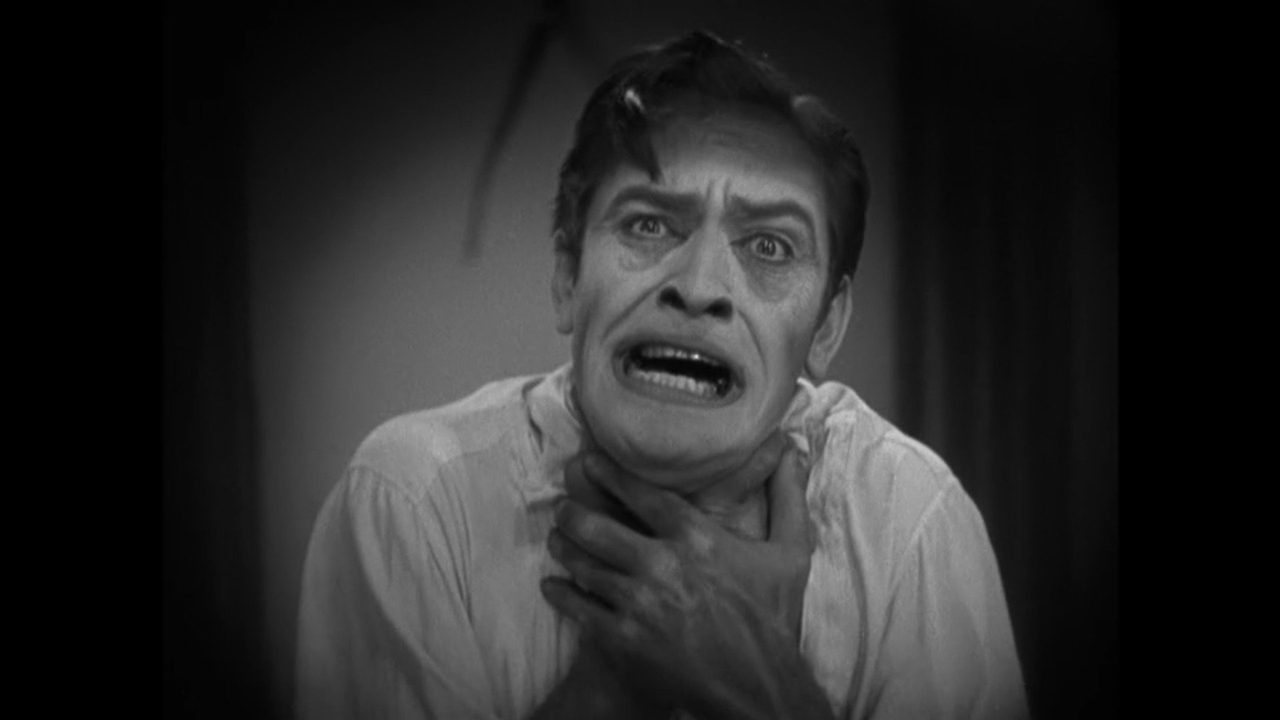
Dr. Henry Jekyll, a London physician, holds that every man carries impulses toward both good and evil, and he is sure he can separate the two. He wants to marry his fiancée, Muriel Carew, at once, but her father, Brigadier General Sir Danvers Carew, insists they wait. One night, on the way home with Dr. John Lanyon, Jekyll stops a man attacking Ivy Pierson, a singer, outside her boarding house and carries her up to tend to her. When Sir Danvers takes Muriel to Bath, Jekyll turns to a chemical mixture he believes will loose his own evil side, and it changes him into Edward Hyde.
Cast



Did you know?!Facts and trivia about Dr. Jekyll and Mr. Hyde (1931)
Can contain spoilers, watch the movie first.
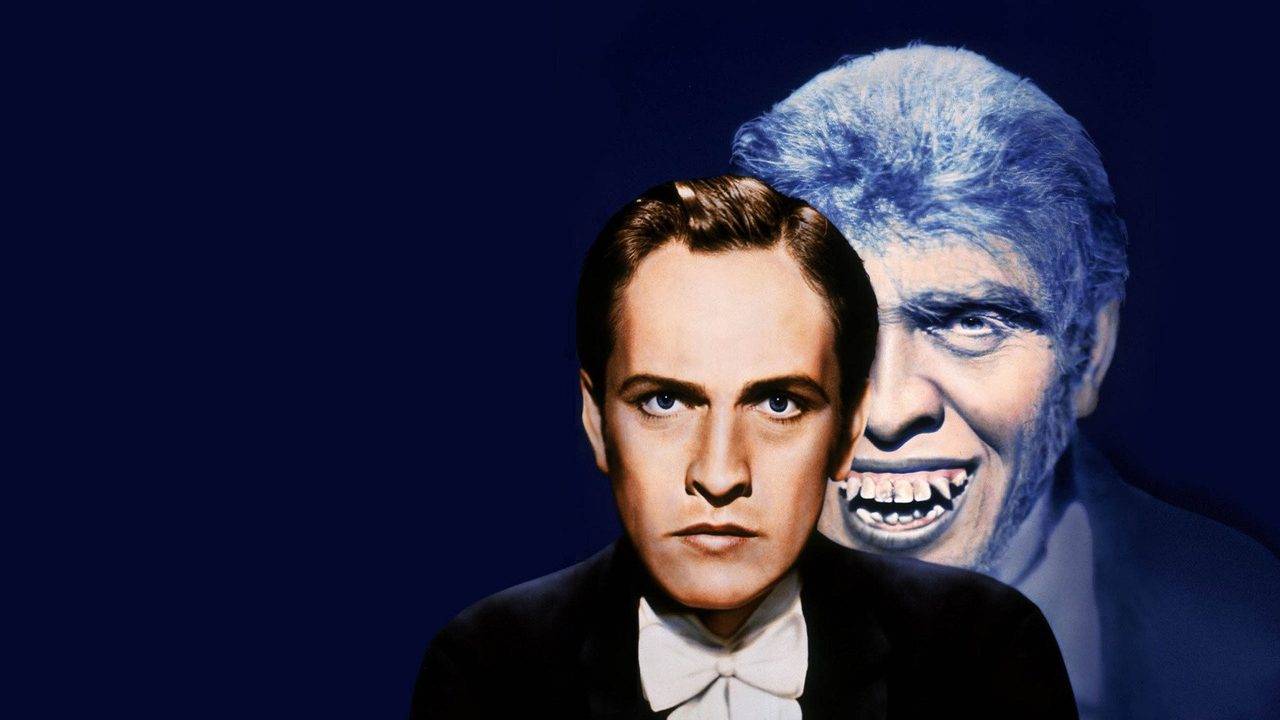
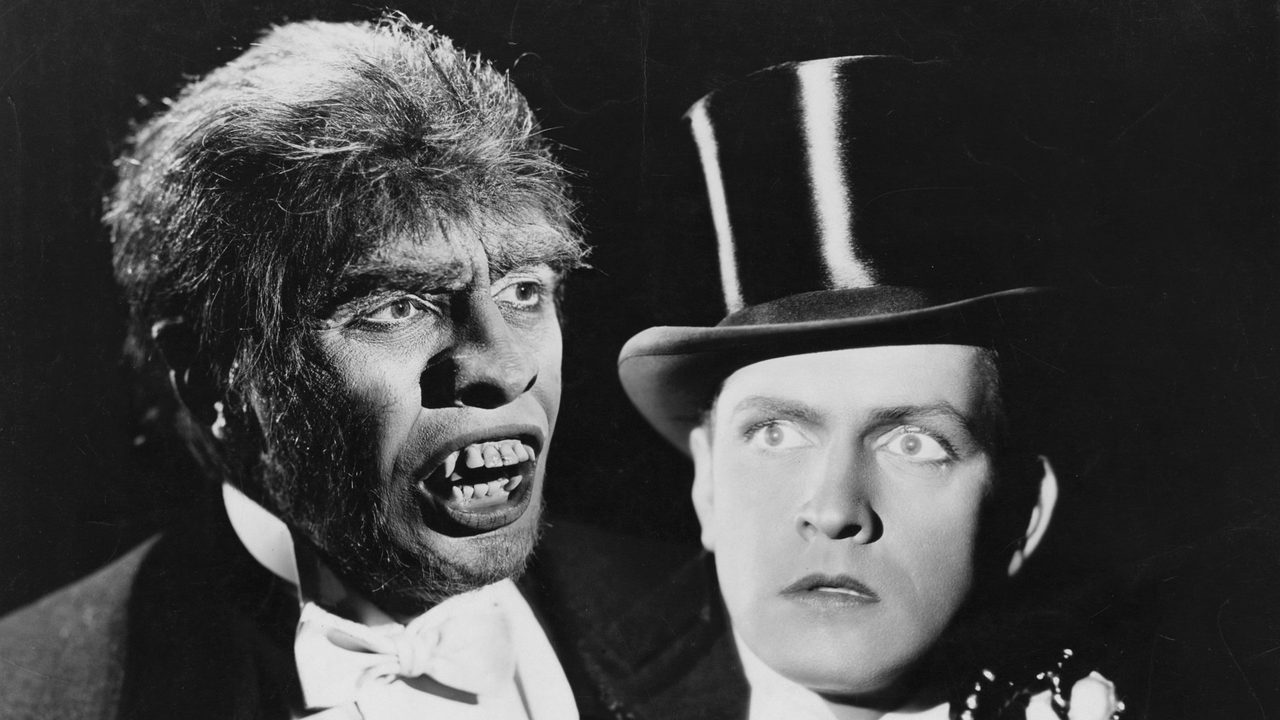
- The secret of the transformation scenes was kept for decades: make-up was applied in contrasting colors and matching colored filters exposed or hid it gradually, invisible on black-and-white film. Mamoulian finally revealed the trick in The Celluloid Muse, a 1969 book of Hollywood interviews.
- Paramount asked John Barrymore to repeat his 1920 Jekyll role, but he was already under contract to Metro-Goldwyn-Mayer. The studio then suggested Irving Pichel, whom the director rejected as not handsome enough, and gave the part to Fredric March, who bore a physical resemblance to Barrymore.
- When MGM remade the story with Spencer Tracy in 1941, it paid $125,000 for the negative and rights to both the 1931 film and the 1920 silent version, then recalled and destroyed every print it could find; for decades the 1931 film was believed lost.
- Made before the Production Code was fully enforced, the film was cut by eight minutes for its 1936 re-release before theaters could show it, and that footage was later restored for the VHS and DVD releases.
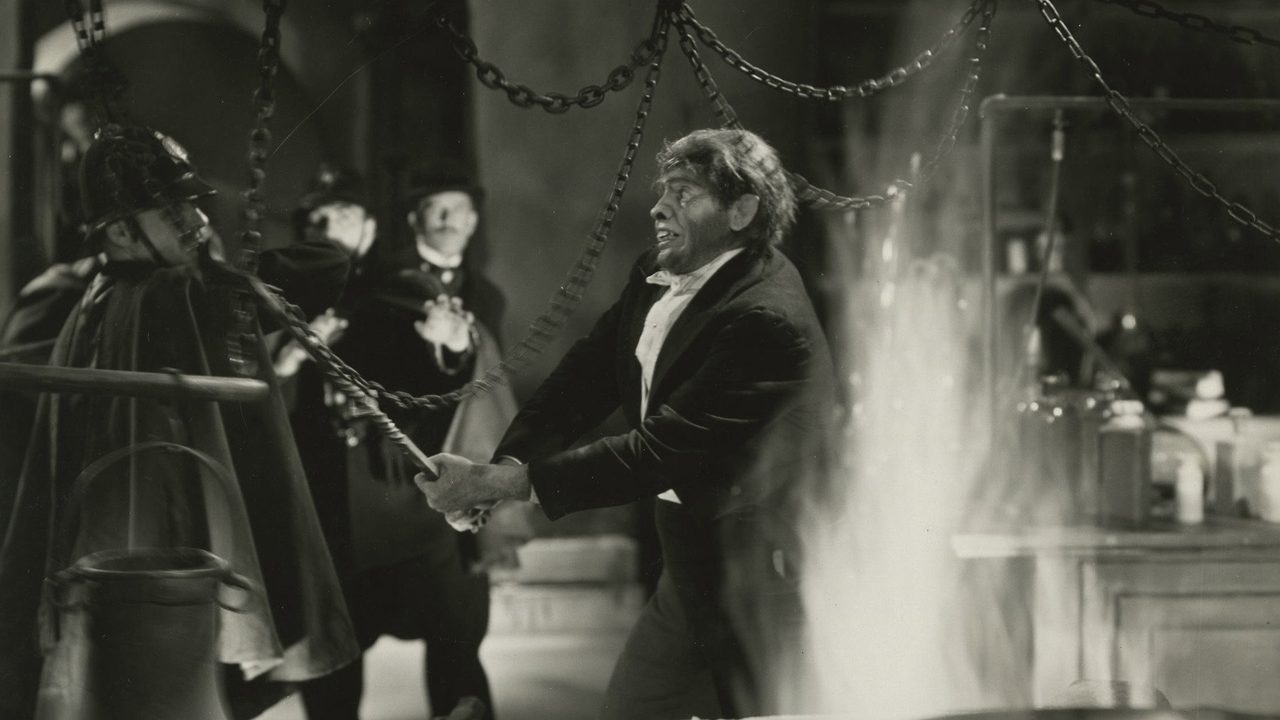
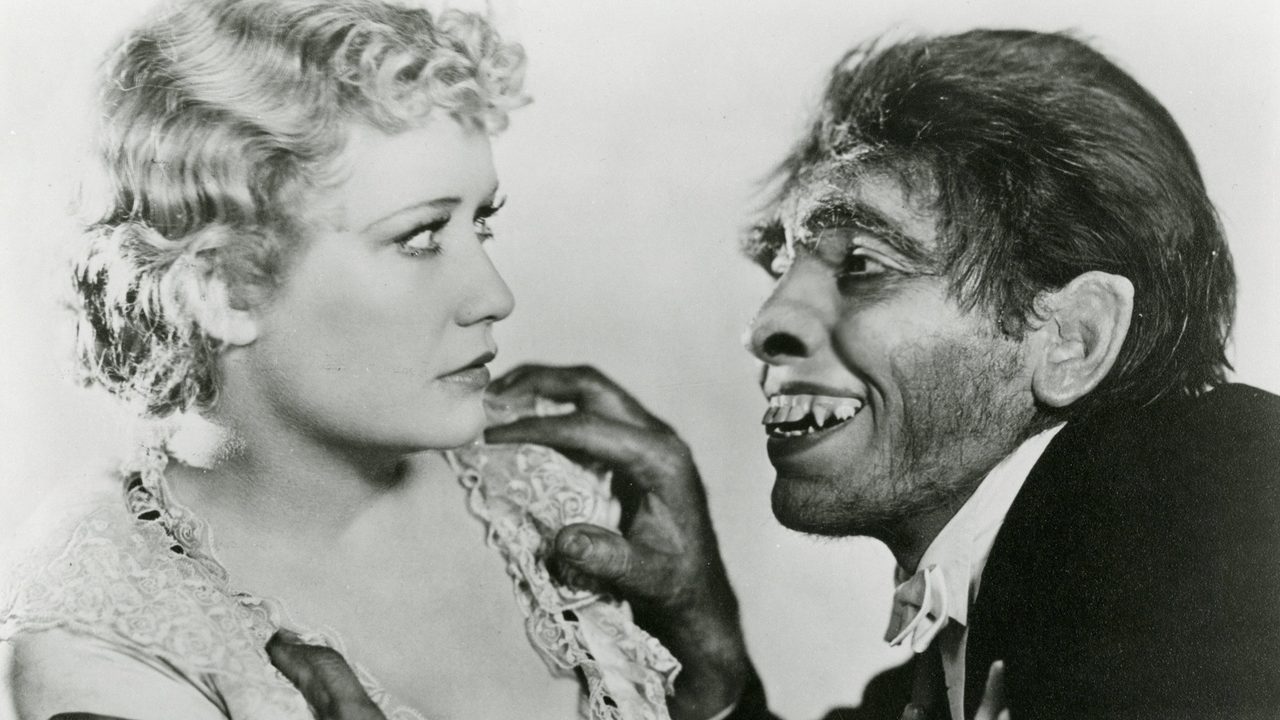
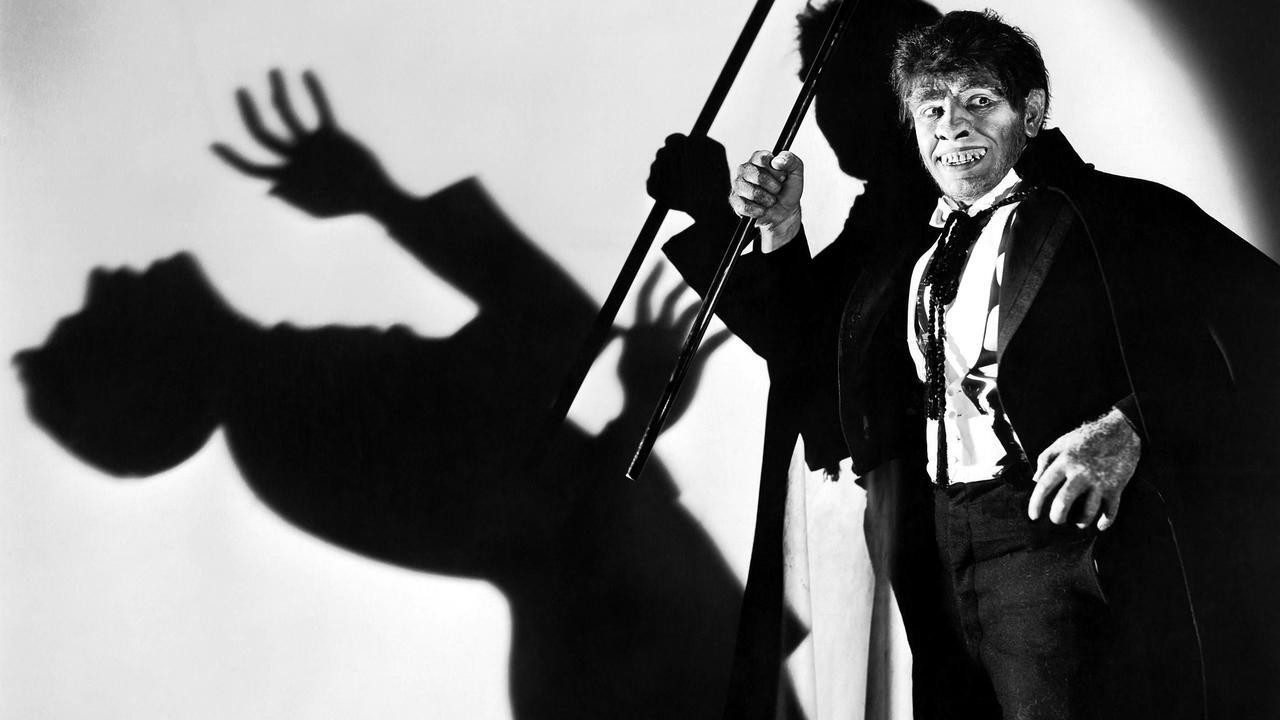
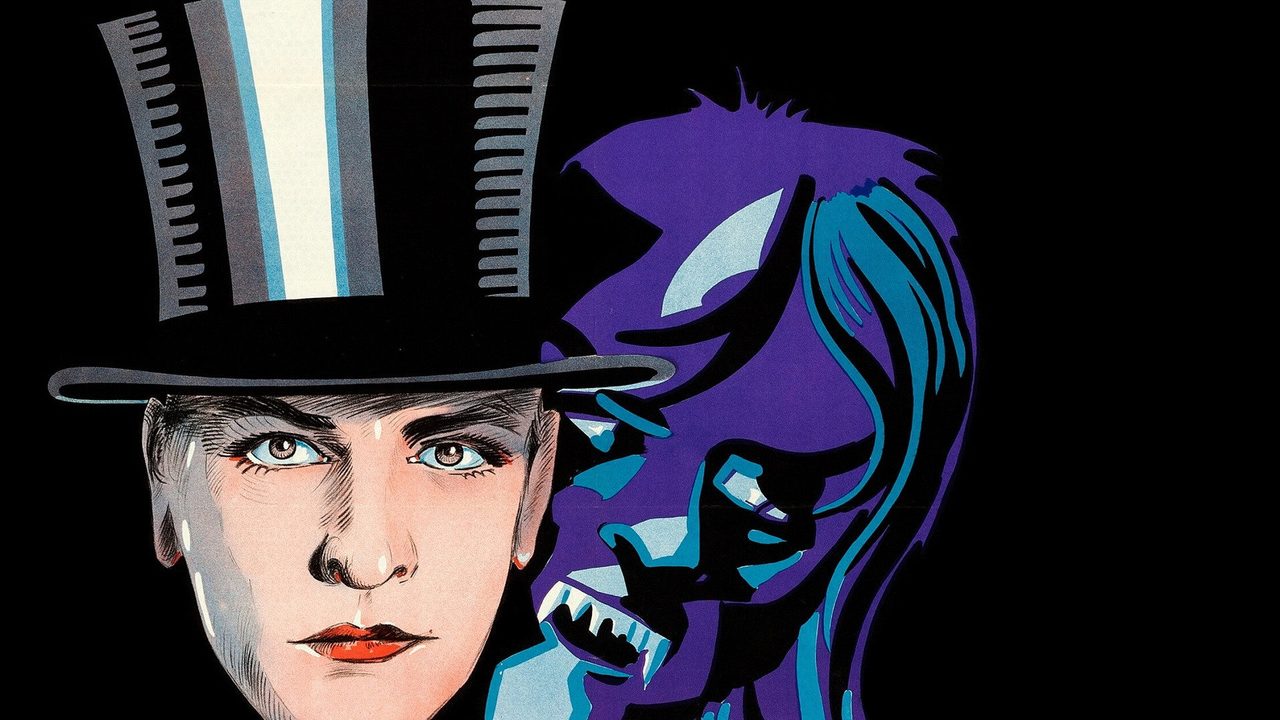
- Wally Westmore's simian, hairy make-up for Hyde, with its large canine teeth, shaped the character's popular image in later media and comic books, reflecting the novella's implication that Hyde is semi-evolved in appearance.
- Fredric March won the Best Actor Oscar for the film, but had to share the award with Wallace Beery, who won the same year for The Champ; the film received three Academy Award nominations in all.