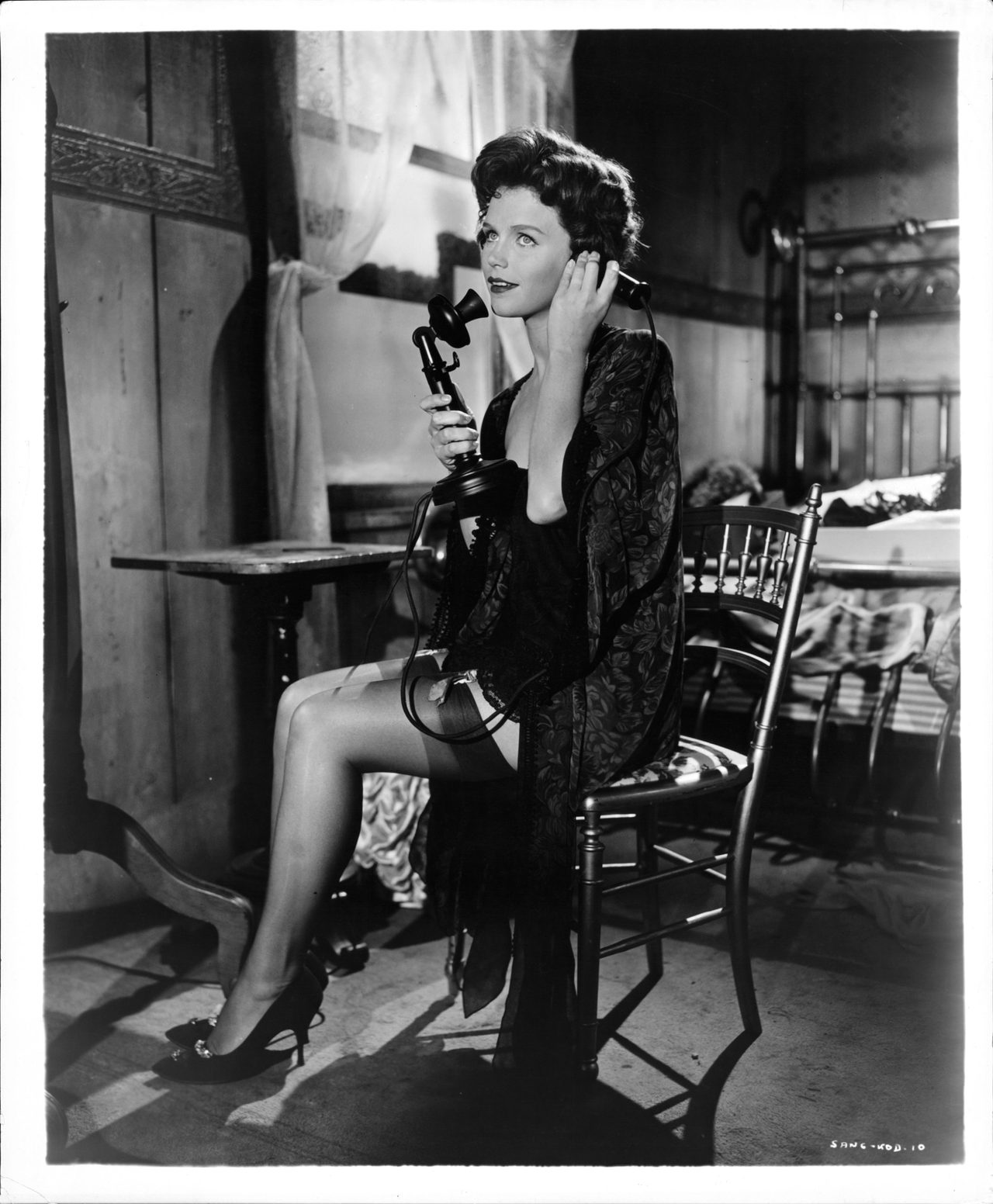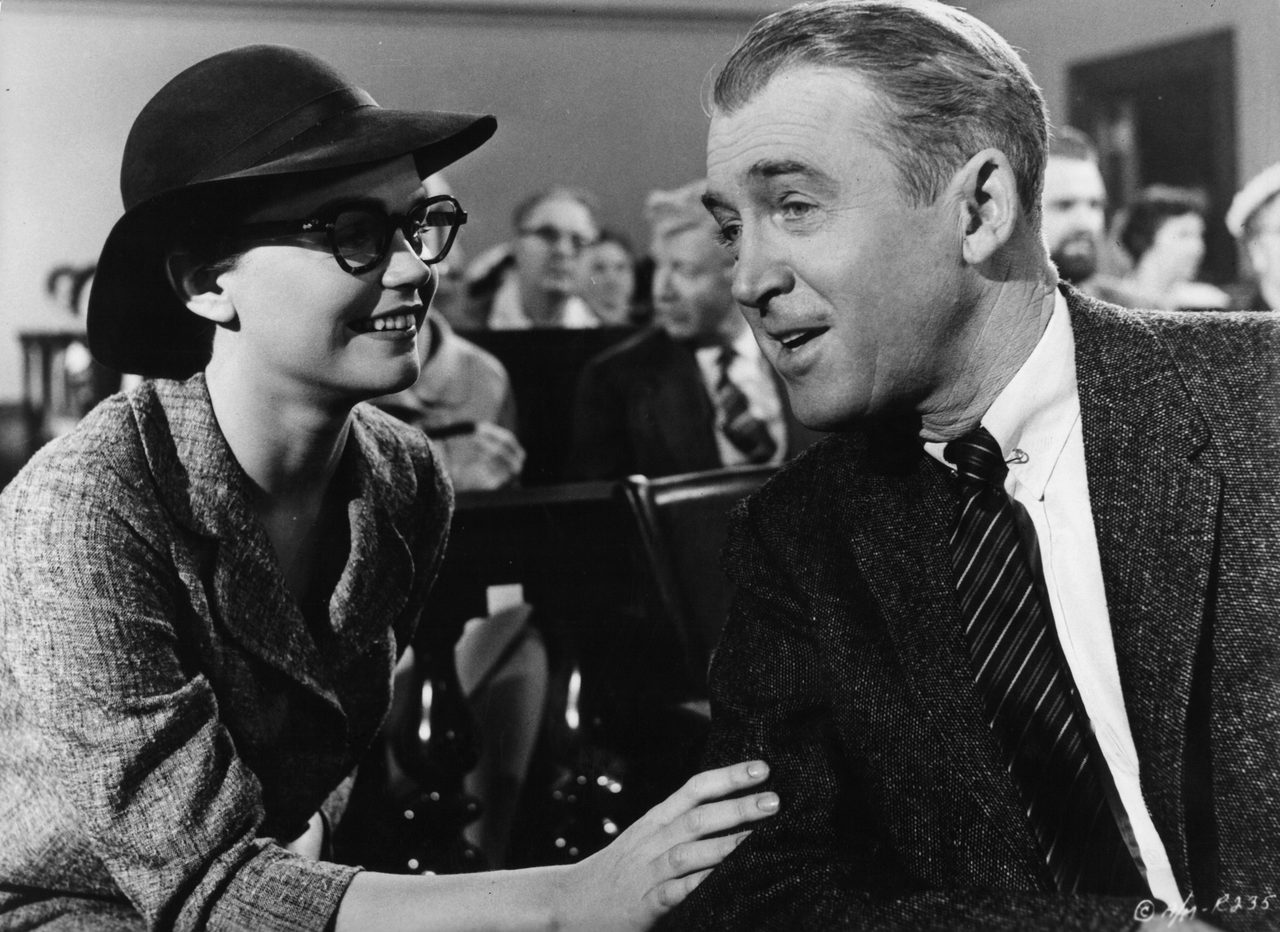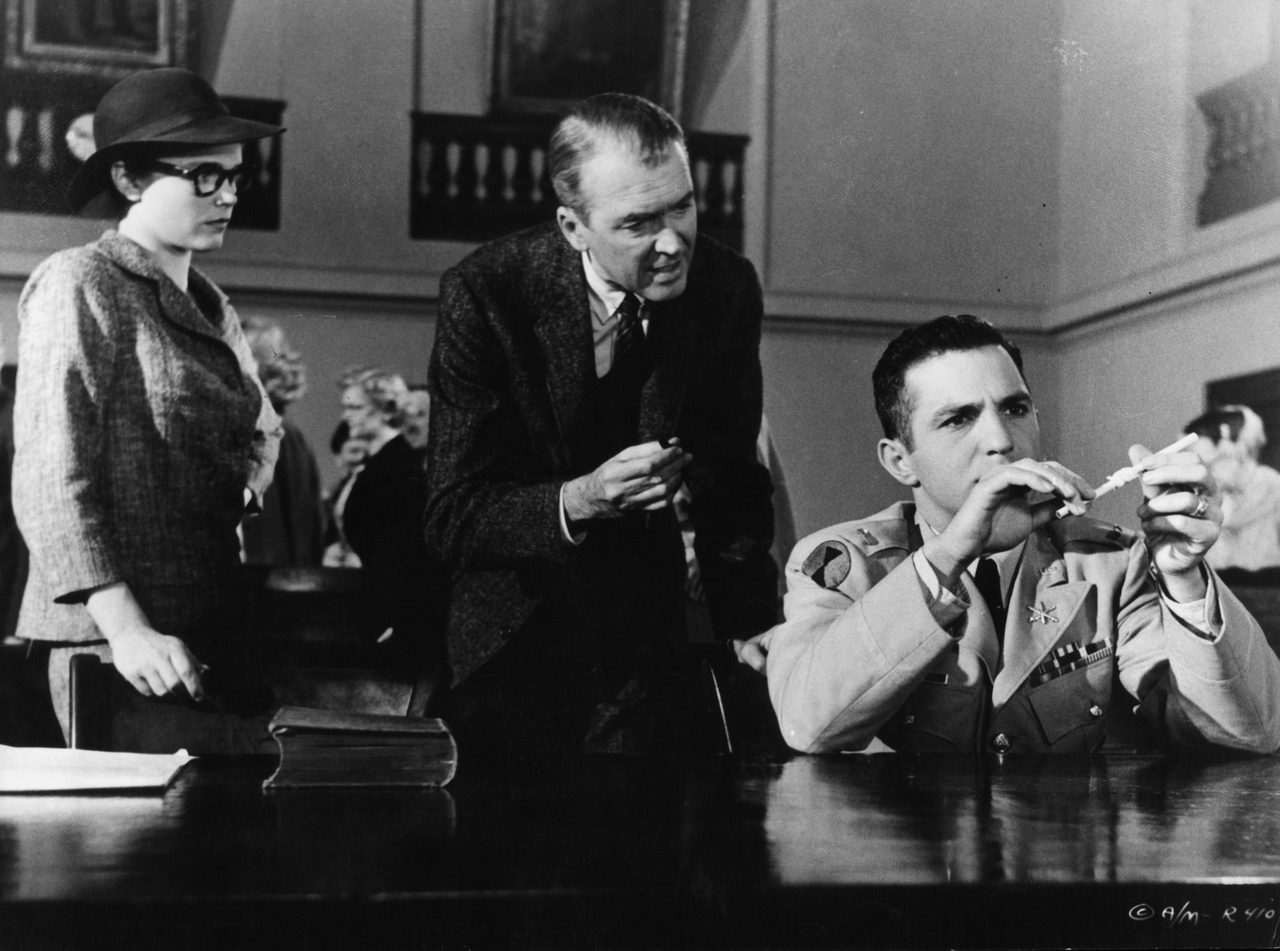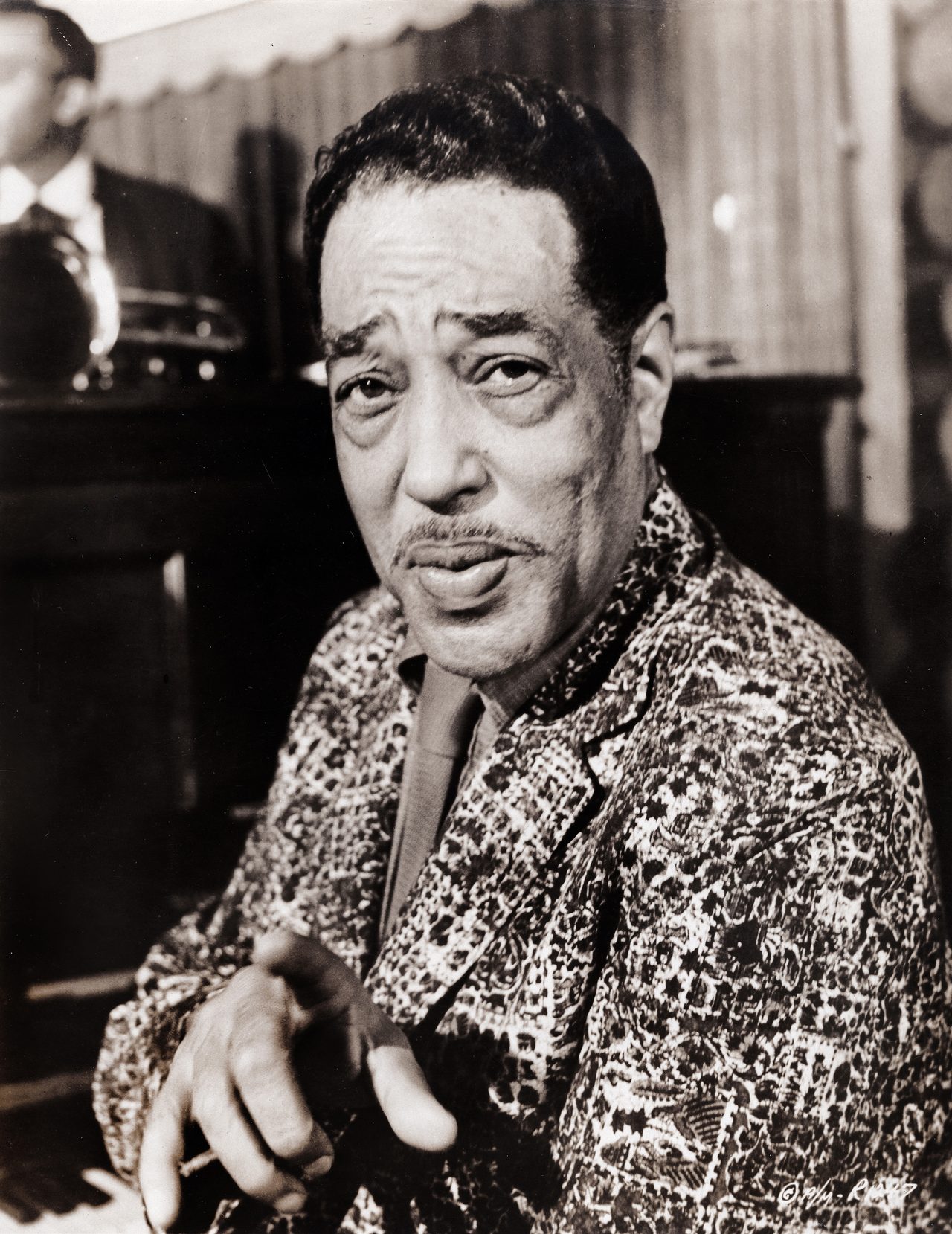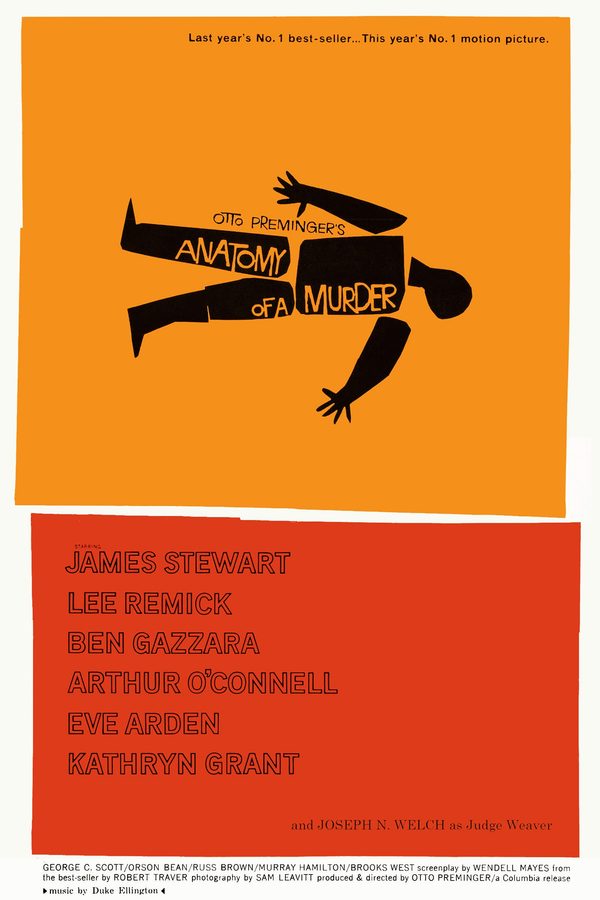
Anatomy of a Murder (1959) on Netflix
NR19592h 41mCrimeDramaMysteryThriller
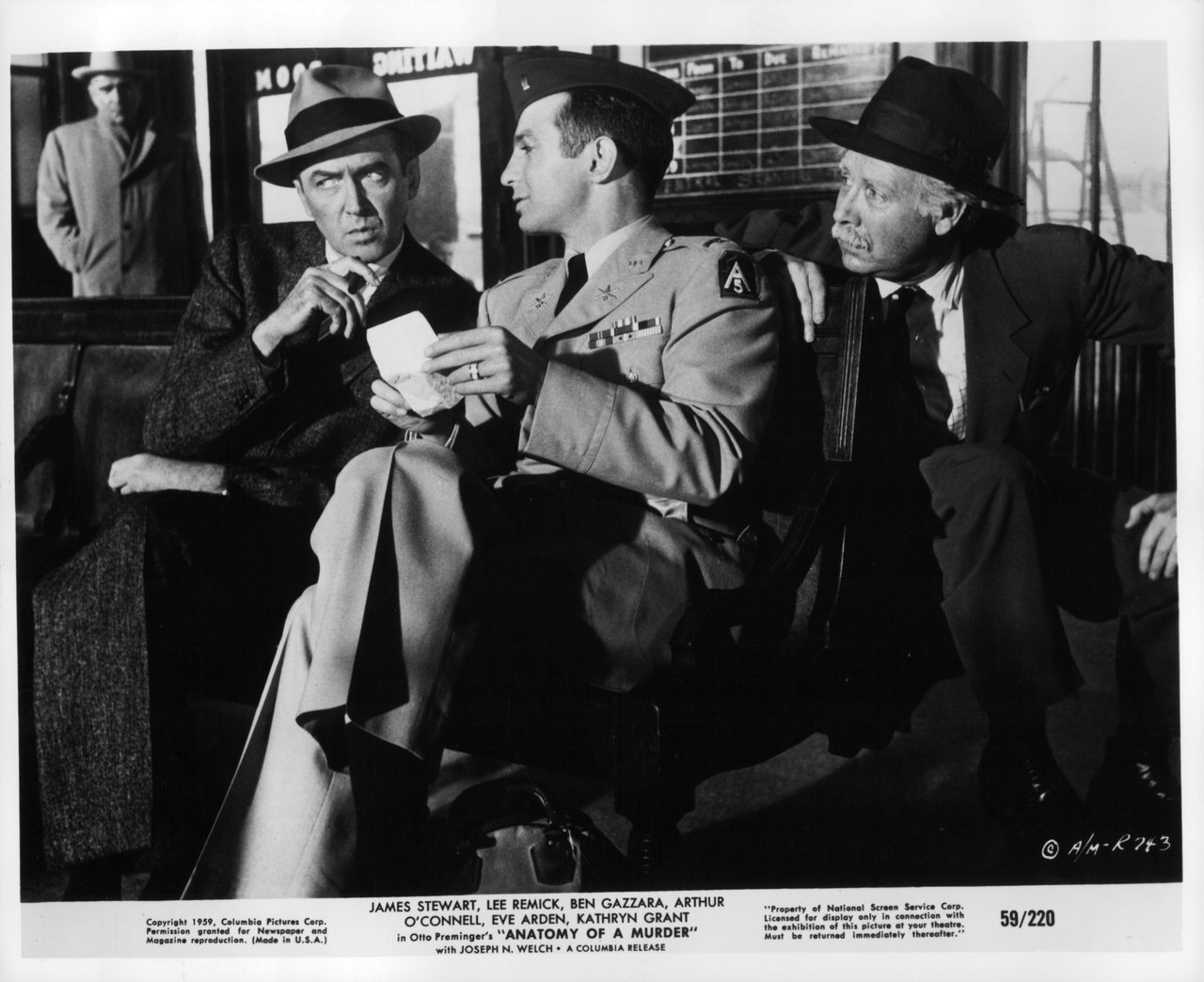
Paul Biegler, a former district attorney with few clients, agrees to defend Army Lt. Frederick Manion, who admits killing innkeeper Barney Quill. Manion claims Quill raped his wife, Laura.
- Netflix3.8/5
- IMDb8.0/1078,788 votes
- Rotten Tomatoes100%
Trailer

Plot summary
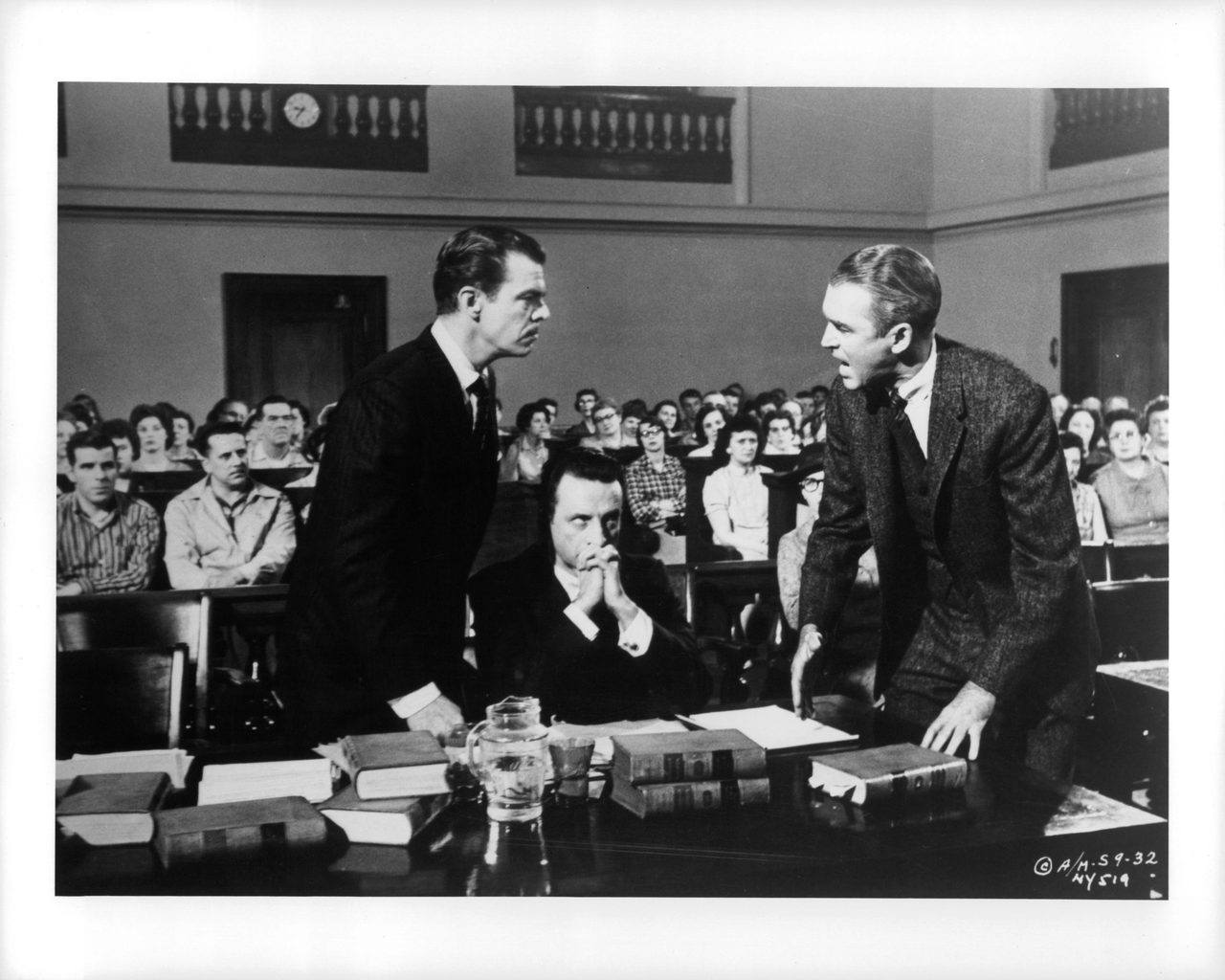
Paul Biegler lost his job as district attorney in Michigan's Upper Peninsula and now has few clients, so he fishes and plays jazz piano. When Laura Manion asks him to defend her husband, Army Lt. Frederick Manion, he takes the case. Manion is charged with killing Barney Quill, an innkeeper, and admits it, saying Quill raped his wife. Manion also says he cannot remember the shooting. There is no physical evidence of the rape beyond Laura's black eye and other marks. Biegler's friend Parnell McCarthy, a former lawyer, and his secretary Maida Rutledge work with him. District attorney Mitch Lodwick and Claude Dancer of the Attorney General's office prosecute, and Judge Weaver presides.
Cast









Did you know?!Facts and trivia about Anatomy of a Murder (1959)
Can contain spoilers, watch the movie first.
SPOILER
The novel was based on a real 1952 killing at the Lumberjack Tavern in Big Bay, Michigan, in which Lt. Coleman Peterson shot Maurice Chenoweth after Peterson's wife Charlotte claimed Chenoweth had raped and beaten her. Author John Voelker was the actual defense attorney hired for that real trial.SPOILER
In the real 1952 case behind the film, defense attorney John Voelker used the insanity defense of "irresistible impulse," a version of the plea that had not been used in a Michigan courtroom since 1886, and won a not-guilty verdict for his client after a four-hour jury deliberation.- Screenwriter Wendell Mayes wrote the entire script before any actor was attached: James Stewart was cast only after the screenplay was finished, and Lana Turner was originally cast in the female lead before she stepped away and was replaced by Lee Remick.
- The film's blunt courtroom language, including clinical sexual terminology, alarmed Chicago Mayor Richard J. Daley enough that the city temporarily banned the movie outright. Director Otto Preminger sued in federal court and won, after a judge ruled the language was realistic and appropriate to the trial it depicted.
- Variety reported that the film used words never before spoken in an American film carrying the Motion Picture Production Code's seal of approval, including "contraceptive," sexual "climax," and "spermatogenesis."
- The daughter of the real 1952 murder victim sued both the book's publisher, Dell, and the film's studio, Columbia Pictures, for libel in 1960, arguing the book and movie followed the actual trial too closely and portrayed the real women unflatteringly; the lawsuit was dismissed the following year.
- Duke Ellington and Billy Strayhorn's jazz score for the film is considered a landmark: film historians call it the first significant Hollywood film music by African American composers to use non-diegetic music, meaning music whose source isn't seen or implied within the scene itself, such as an on-screen band.