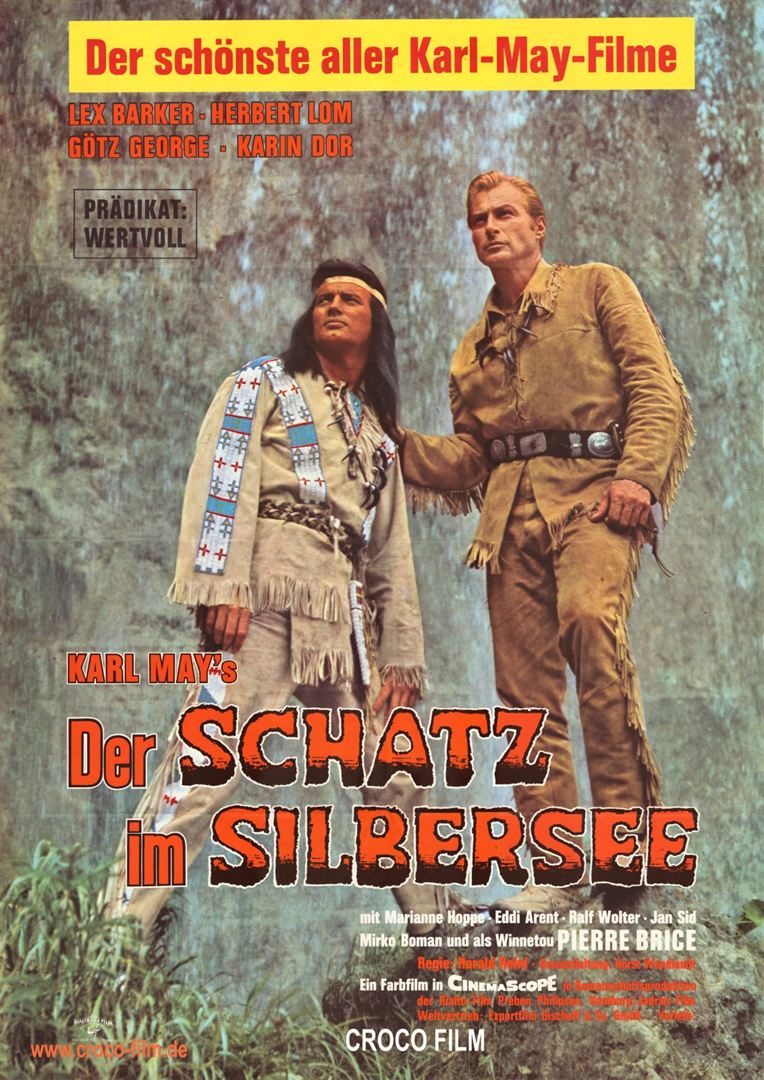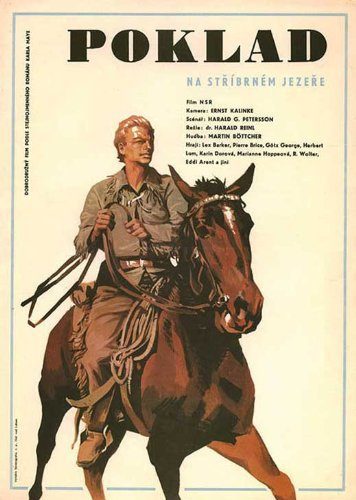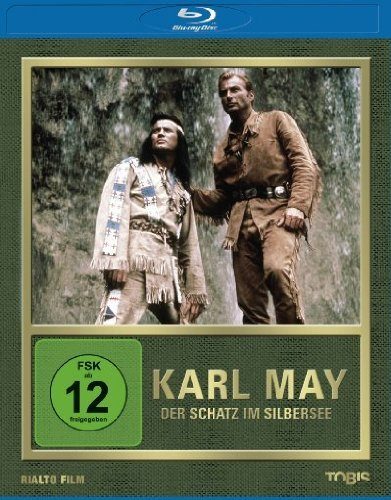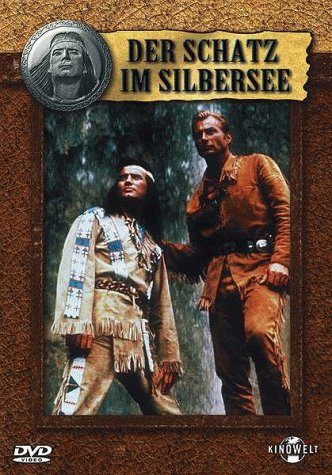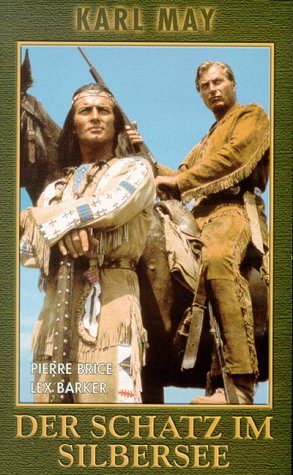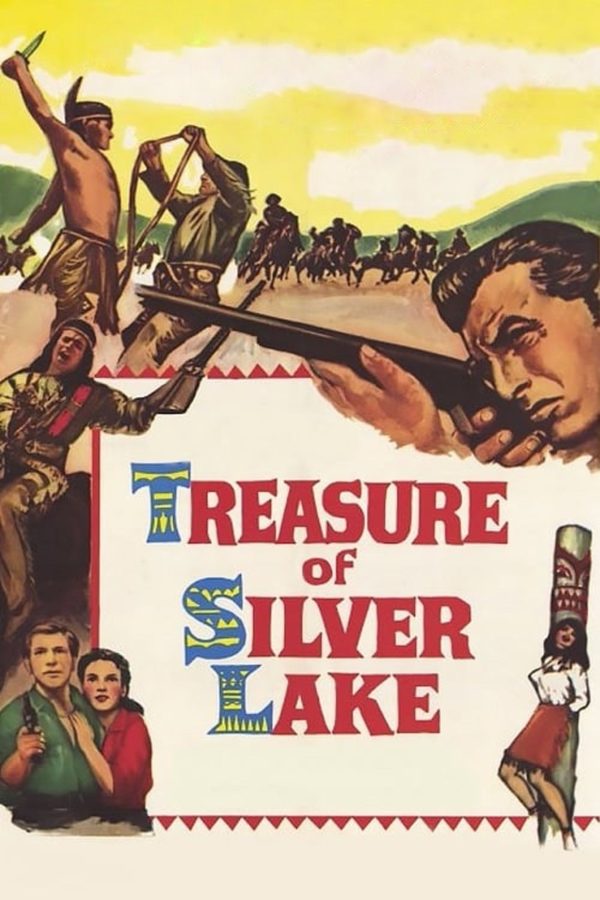
The Treasure of the Silver Lake (1962) on Netflix
Colonel Brinkley's gang robs an Arkansas stagecoach for a treasure map, but Mr. Engel carries only half of it. His son Fred enlists scout Old Shatterhand and Apache chief Winnetou.
- Netflix3.4/5
- IMDb6.8/104,096 votes
- Rotten TomatoesNot available
Trailer

Plot summary
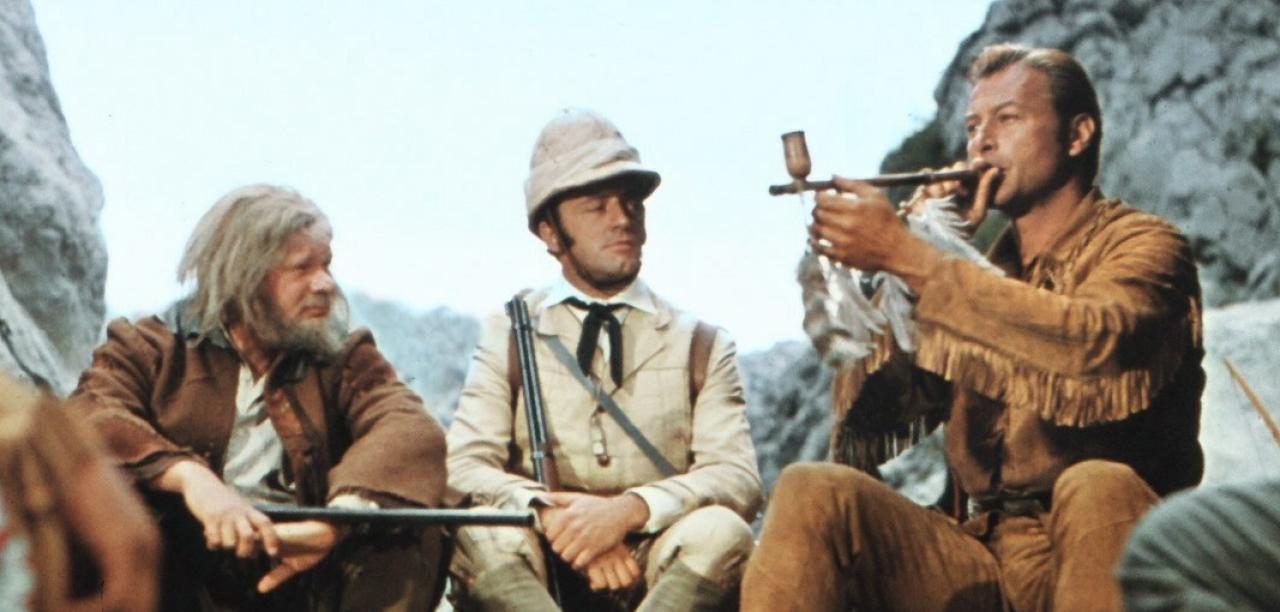
A treasure map split in two is the prize when Colonel Brinkley's gang holds up a stagecoach in Arkansas. The passenger who carries it, Mr. Engel, has only half, and the gang kills him for that half. The other half belongs to Engel's business partner, Mr. Patterson. Fred Engel, the son, turns to the scout Old Shatterhand and to Winnetou, the Apache chief, for help in finding his father's killers and recovering the map. Fred says the missing half points to a gold treasure at Silver Lake. The three ride for Patterson's farm, where Patterson's daughter Ellen lives, and Brinkley's gang wants the second half of the map just as much.
Cast








- Mirko Bomanas Gunstick Uncle





Did you know?!Facts and trivia about The Treasure of the Silver Lake (1962)
Can contain spoilers, watch the movie first.
- American star Lex Barker and French actor Pierre Brice, cast as Old Shatterhand and Winnetou, were not fluent in German, so their dialogue was dubbed — Barker by Horst Niendorf and Herbert Stass — and most of the Yugoslav supporting cast was dubbed too.
- To cut costs, the film was co-produced with Yugoslavia's Jadran Film, and Yugoslavia (mainly Croatia) was chosen for shooting because it was thought a better fit for the story's Southwestern American setting and offered period costumes and experienced stuntmen.
- The film was a phenomenal success that predated Sergio Leone's films, and it helped provide a cultural and financial context for the later Spaghetti Westerns, many of which had West German co-producers and financial interests.