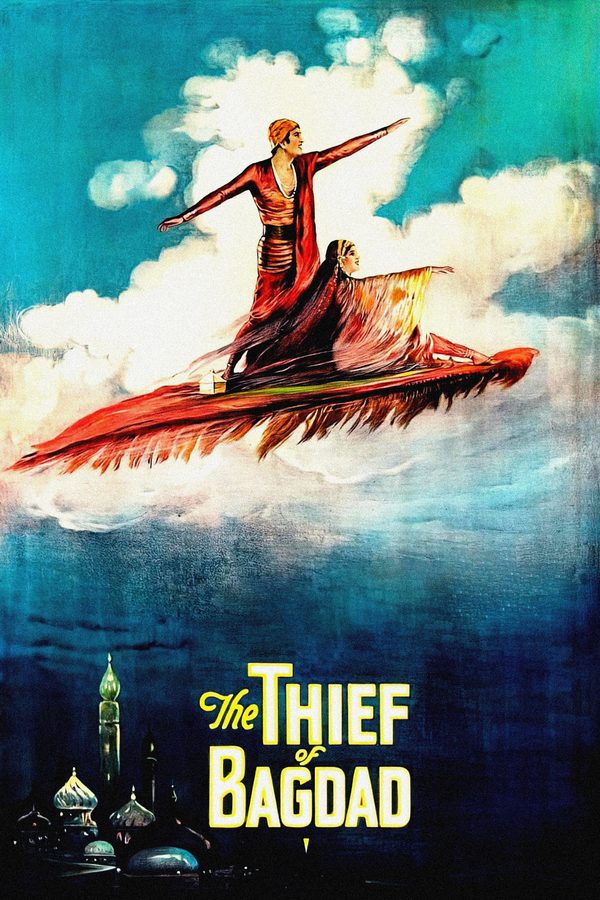
The Thief of Bagdad (1924) on Netflix
NR19242h 29mAdventureFantasyRomance
Ahmed, a thief in Bagdad, slips into the caliph's palace and falls for the caliph's daughter. Three princes court her, and a prophecy marks the suitor who first touches a rose-tree.
- Netflix4.4/5
- IMDb7.7/107,784 votes
- Rotten Tomatoes97%
Trailer
Plot summary
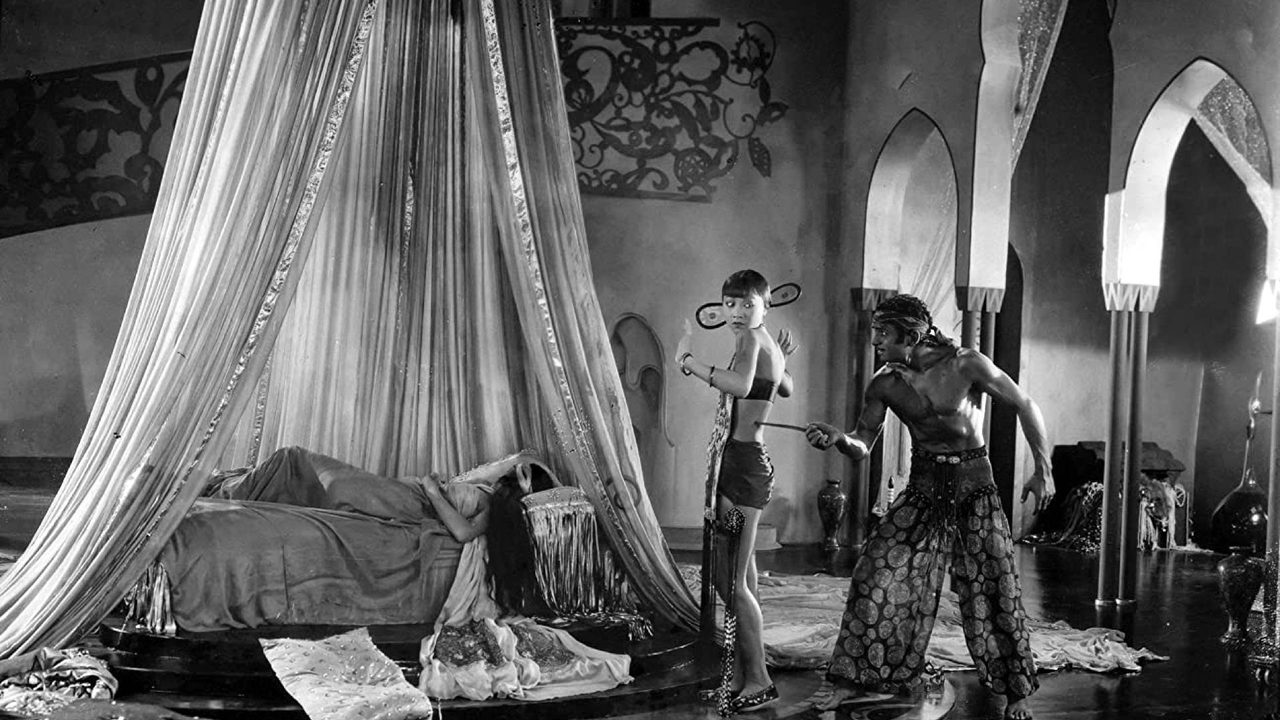
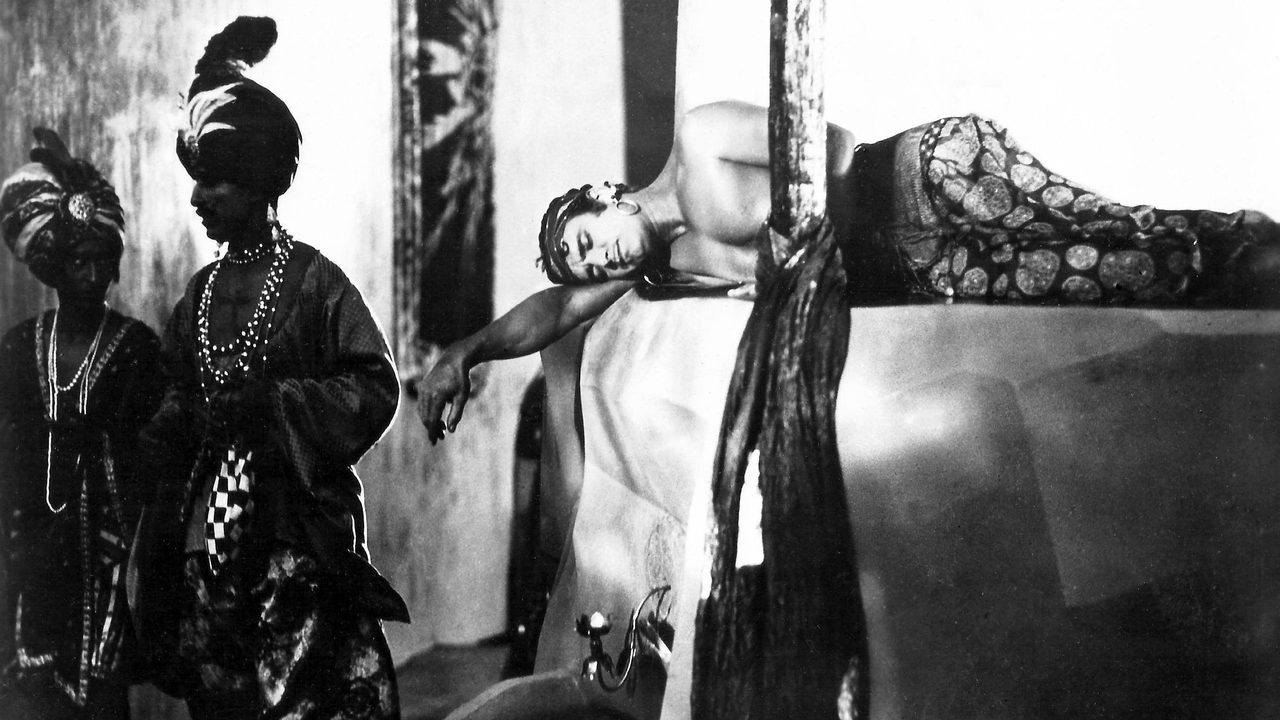
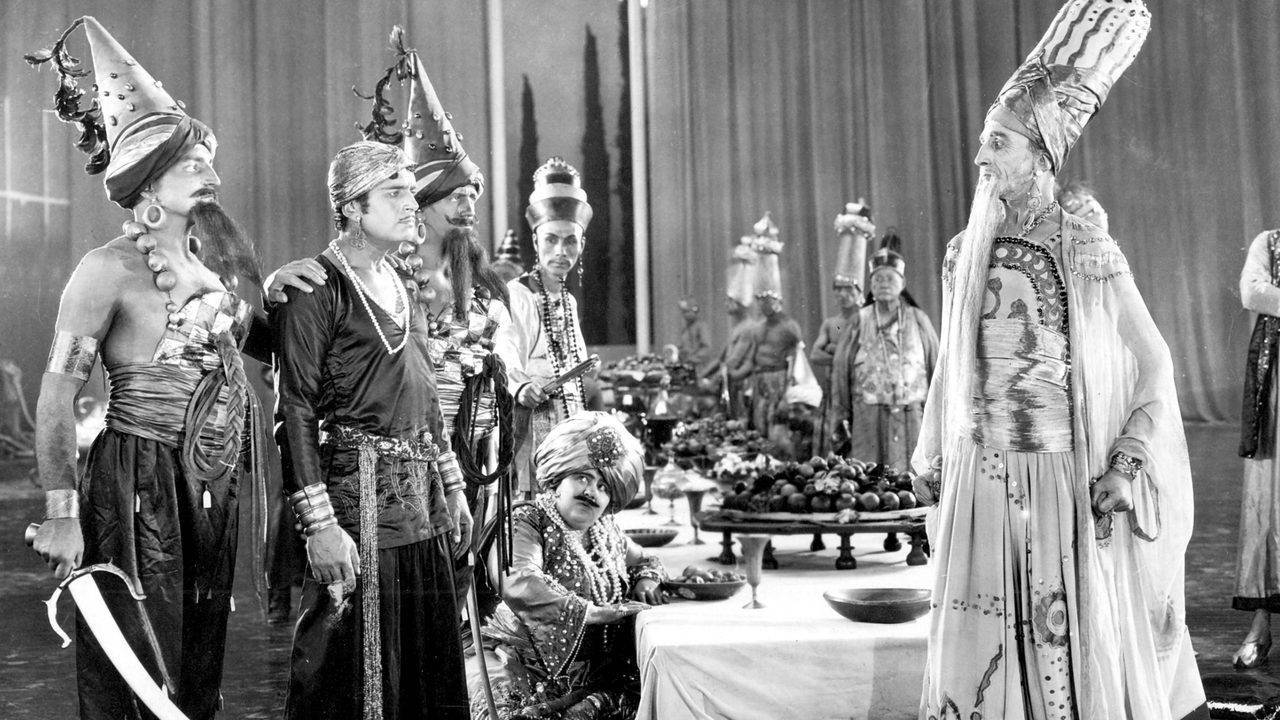
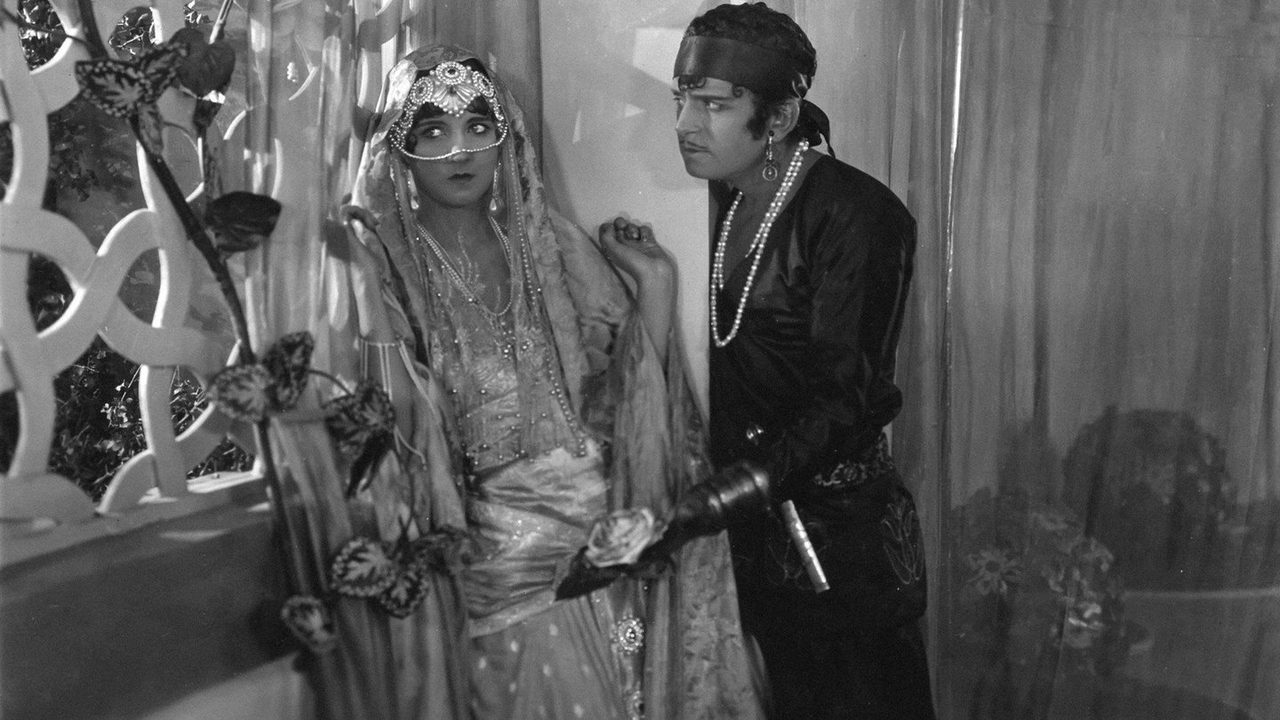
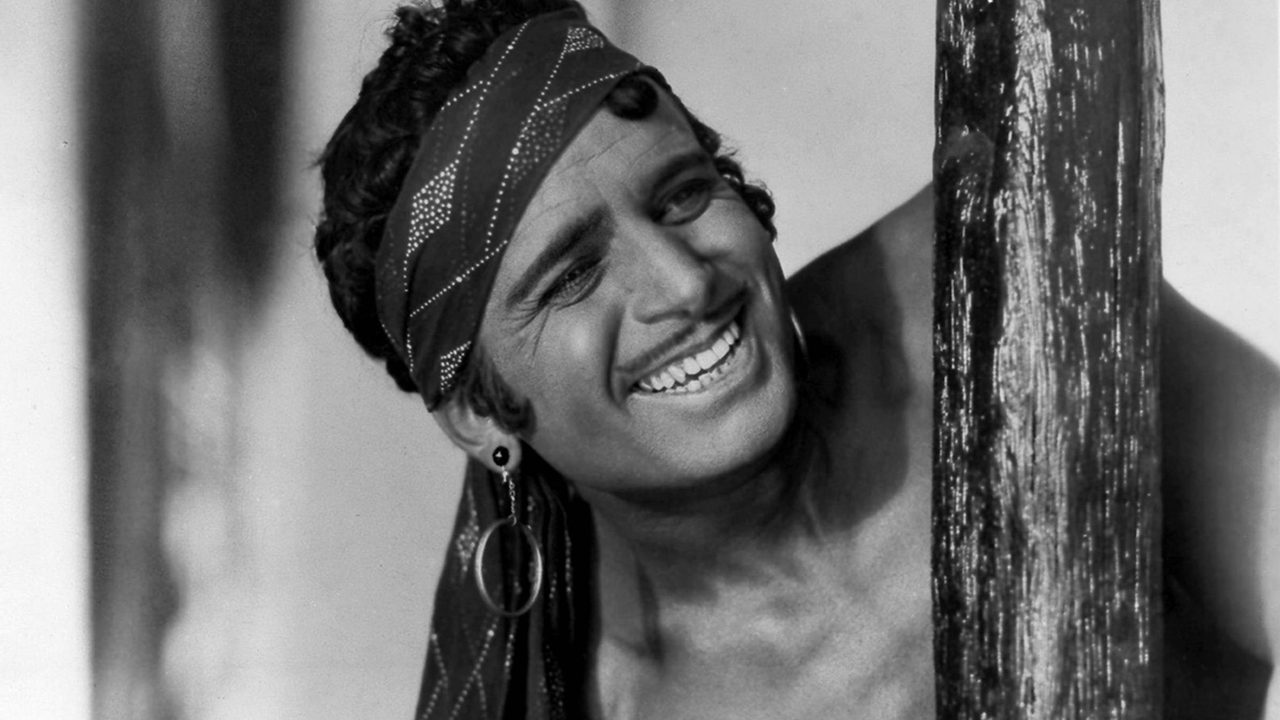
Ahmed takes what he wants on the streets of Bagdad, and he tells a holy man that he has no use for the man's philosophy. One night he uses a stolen magic rope to get into the caliph's palace, where he sees the caliph's sleeping daughter and forgets about plunder. Her Mongol slave raises the alarm and he flees. Ahmed's associate recalls that a thief in the days of Haroun al-Rashid once carried off a princess, and Ahmed decides to do the same. On her birthday three princes come as suitors: the Prince of the Indies, the Prince of Persia and the Prince of the Mongols, each wanting her hand and the city that comes with it. A slave who reads fortunes says the princess will wed the man who touches a rose-tree in her garden first.
Cast











Did you know?!Facts and trivia about The Thief of Bagdad (1924)
Can contain spoilers, watch the movie first.
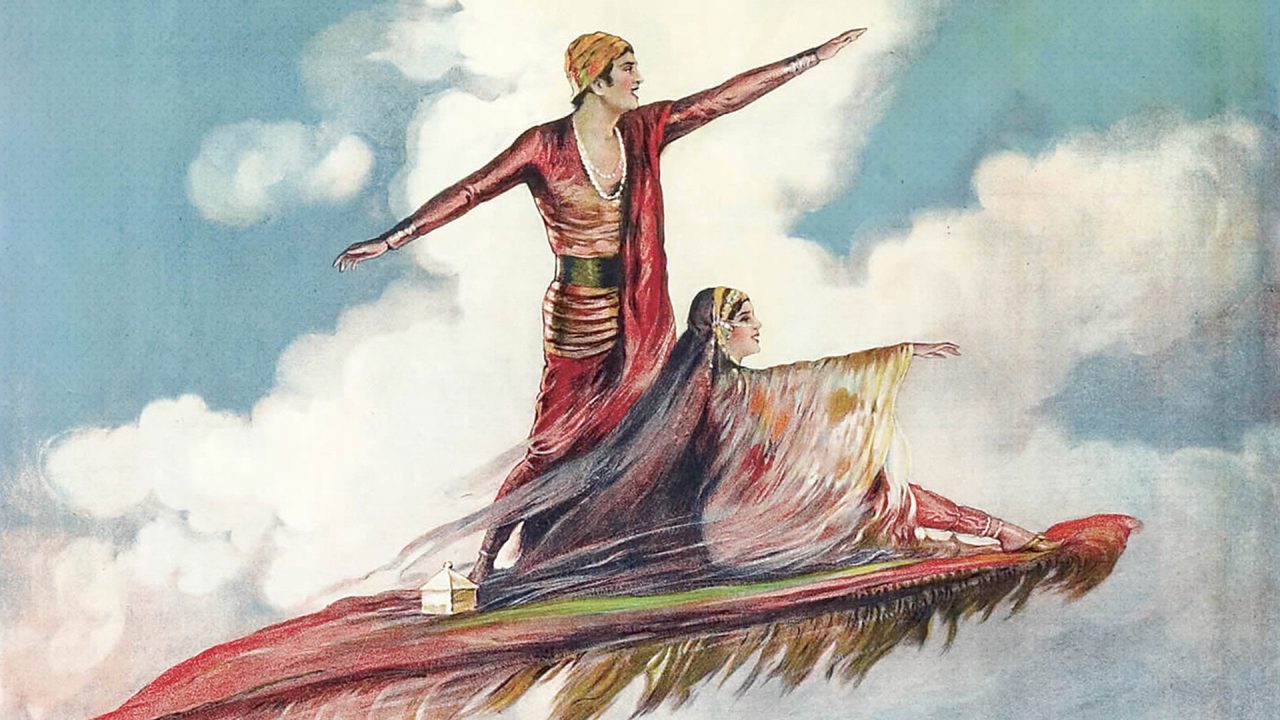
- The Thief of Bagdad was lavishly staged on a Hollywood studio set at a reputed cost of $1,135,654.65, which made it one of the most expensive films of the 1920s.
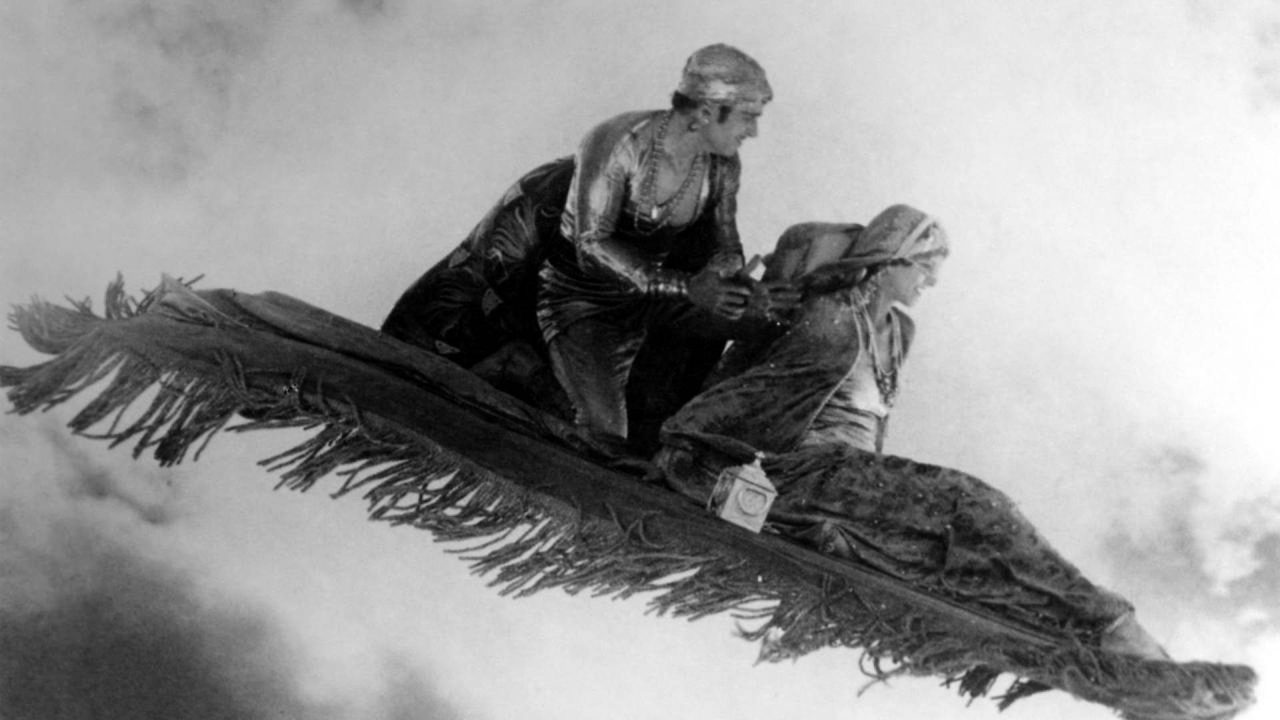
- With its flying carpet, magic rope, monsters and massive Arabian-style sets, the film proved a stepping stone for Anna May Wong, who played the treacherous Mongol slave.
- Coming after Douglas Fairbanks's The Mark of Zorro (1920) and Robin Hood (1922), the film marked his transformation from genial comedy to a career in "swashbuckling" roles.
- Douglas Fairbanks had composer Mortimer Wilson write a full classical score; Wilson composed leit-motifs for each character and spent many hours in the editing room combining his music with the film.