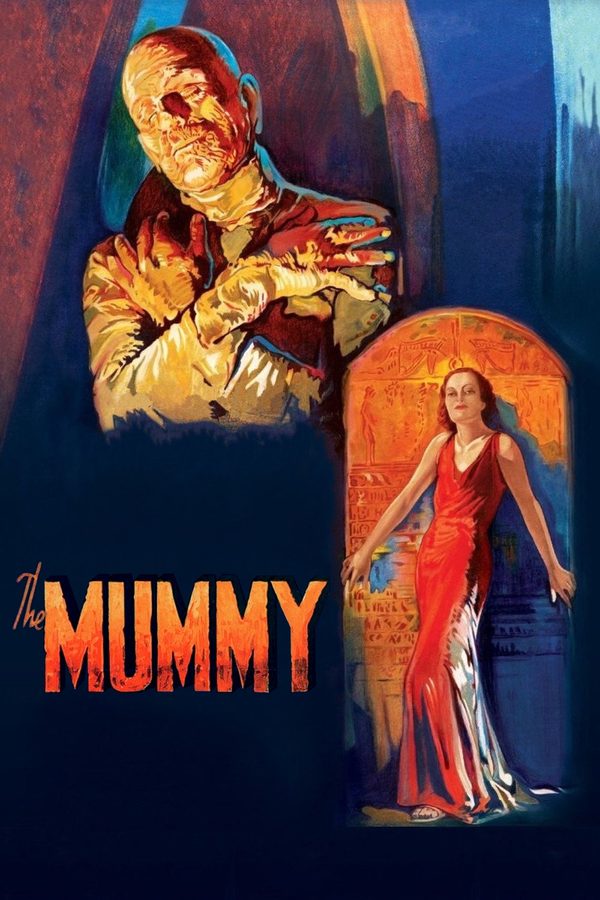
The Mummy (1932) on Netflix
A British expedition unearths the mummy of Imhotep, an Egyptian priest, and a researcher reads the Scroll of Thoth aloud. Revived, he searches for the reincarnated soul of his dead lover.
- Netflix4.0/5
- IMDb6.9/1033,695 votes
- Rotten Tomatoes89%
Trailer
Plot summary
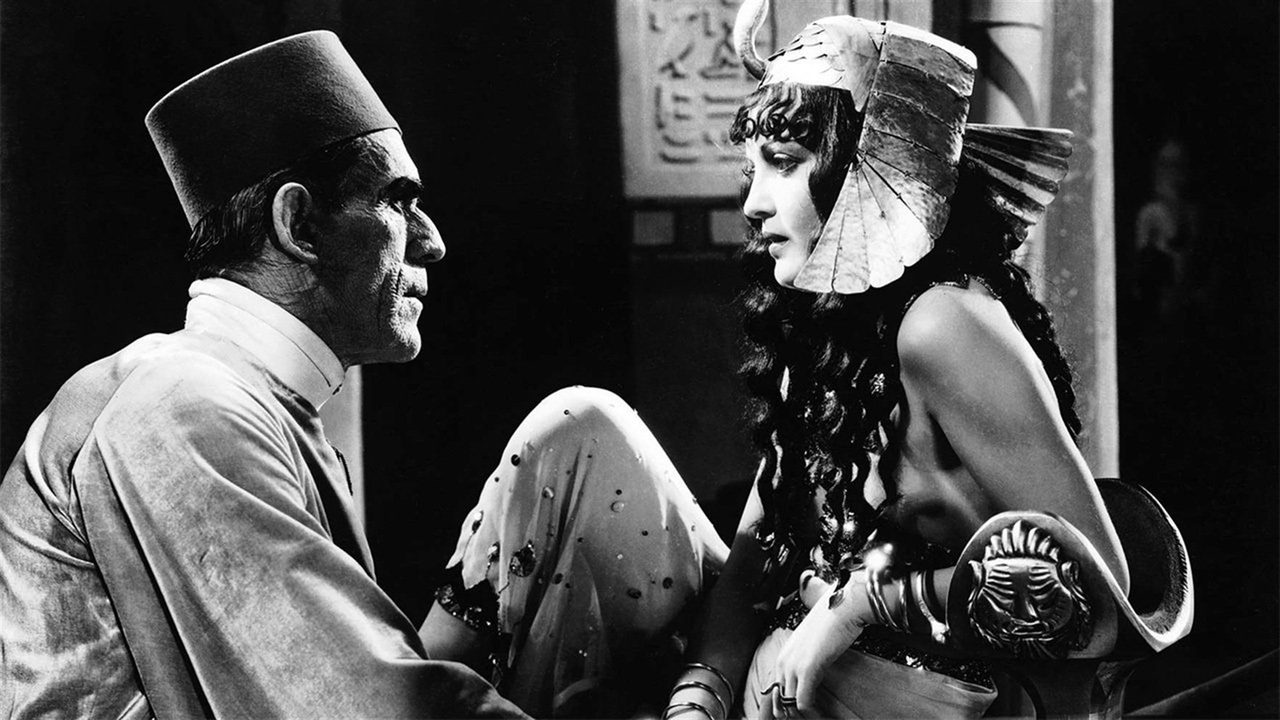
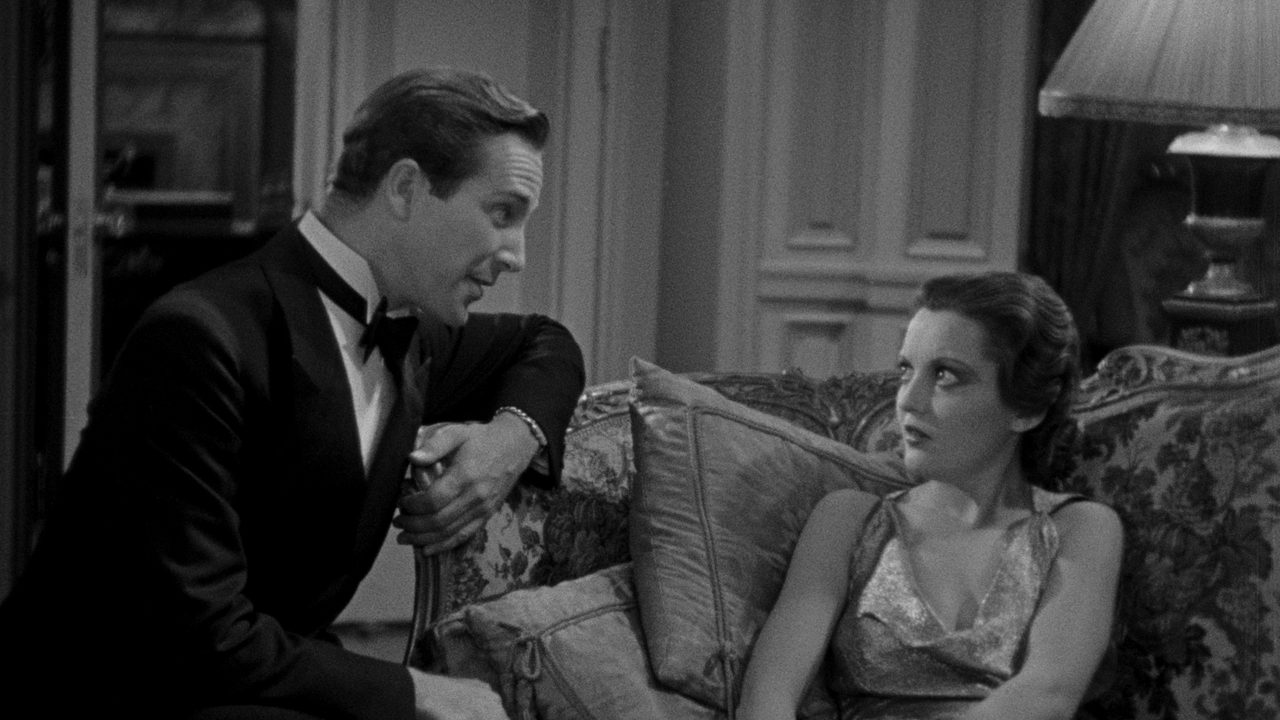
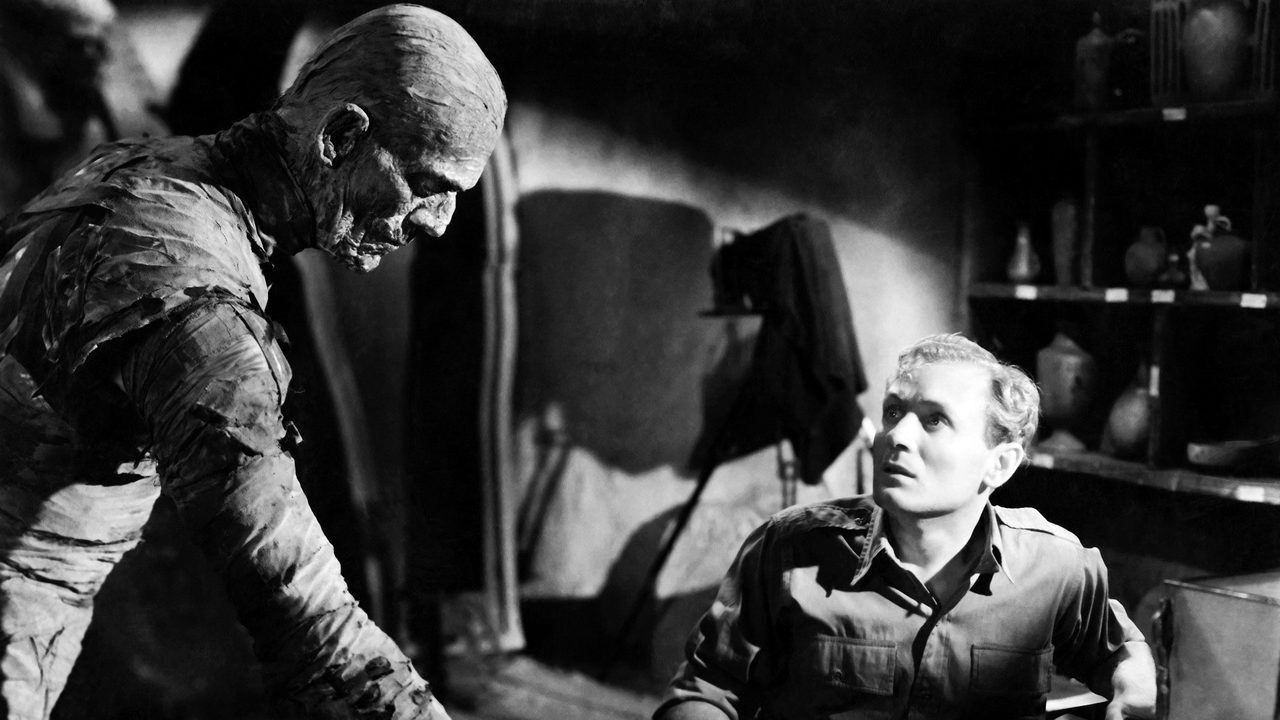
In 1921, Sir Joseph Whemple's expedition in Egypt uncovers the mummy of Imhotep, an ancient Egyptian high priest. Whemple's friend Dr. Muller notices that the viscera were left inside the body and that it shows signs of a struggle, and he concludes that Imhotep was buried alive. Buried with him is a casket holding the Scroll of Thoth, and despite Muller's warning Whemple's assistant Ralph Norton opens it and reads from it. Imhotep rises from the dead and leaves with the scroll. Ten years later he lives in Egypt as Ardath Bey, an Egyptian historian, and he leads Frank Whemple and Professor Pearson to the tomb of Princess Anck-es-en-Amon. Ardath then encounters Helen Grosvenor, a woman of Egyptian descent who strongly resembles the princess, and both he and Frank are drawn to her.
Cast










Did you know?!Facts and trivia about The Mummy (1932)
Can contain spoilers, watch the movie first.
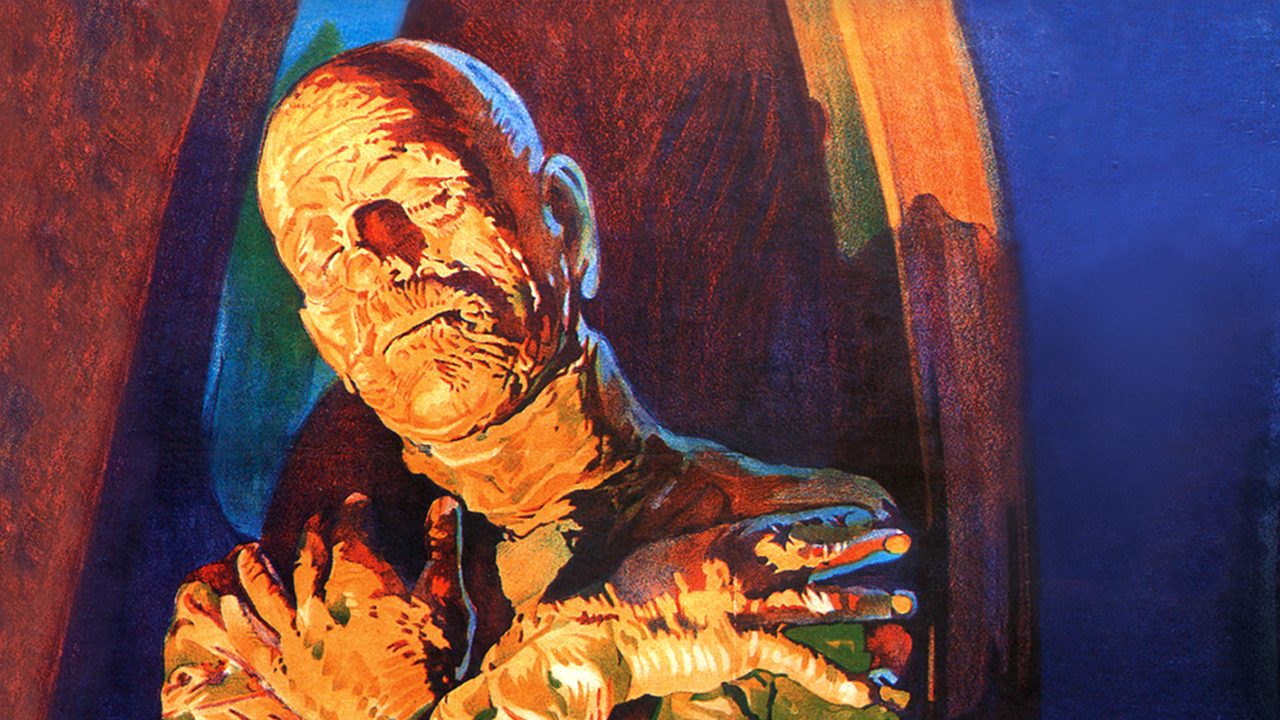
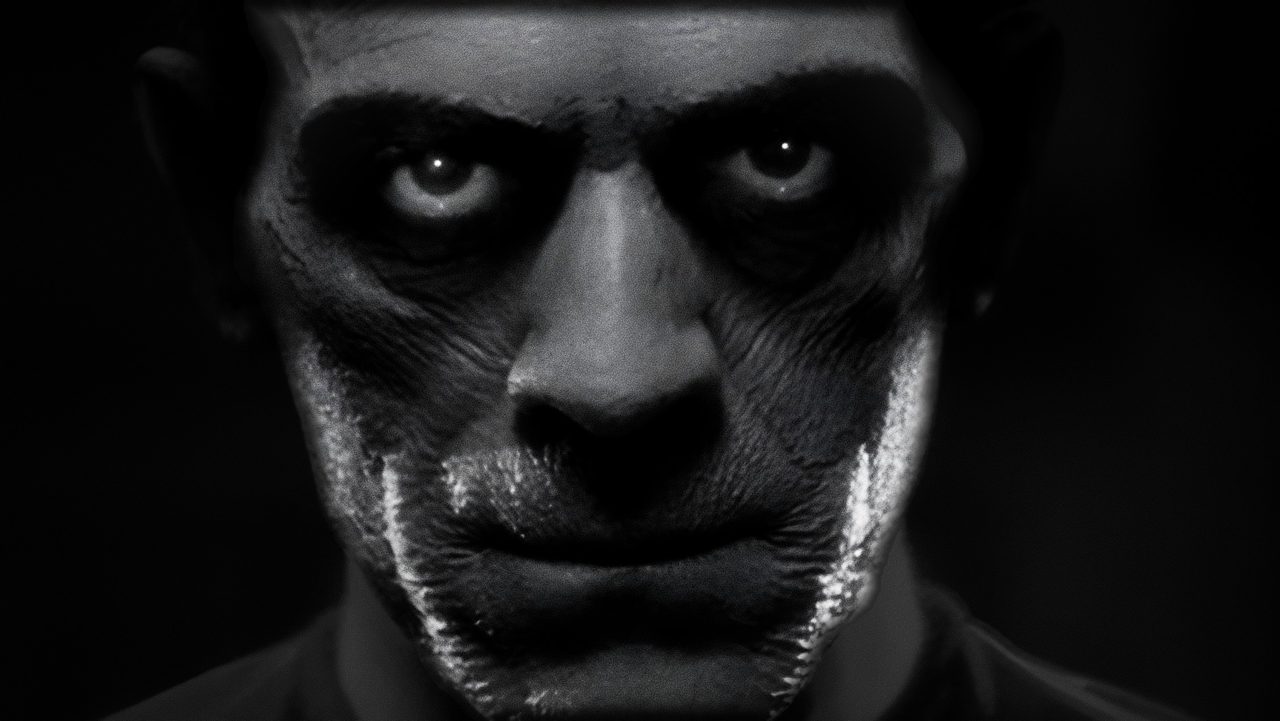
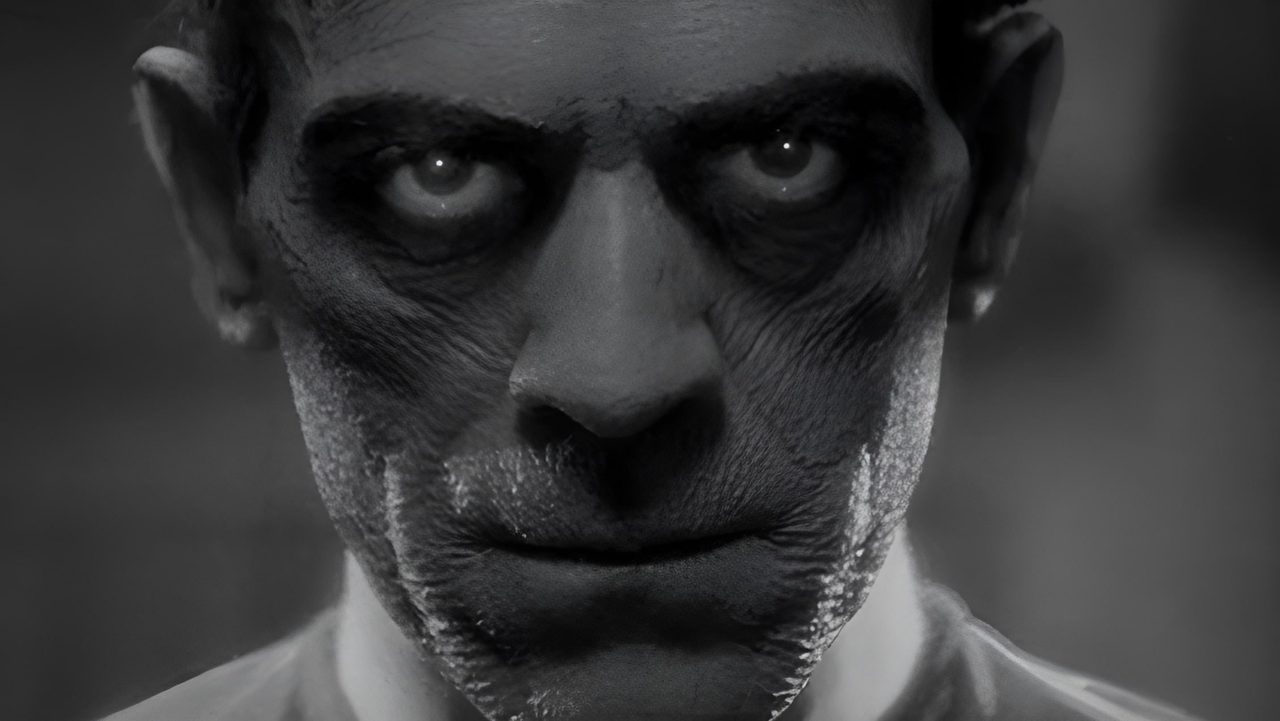
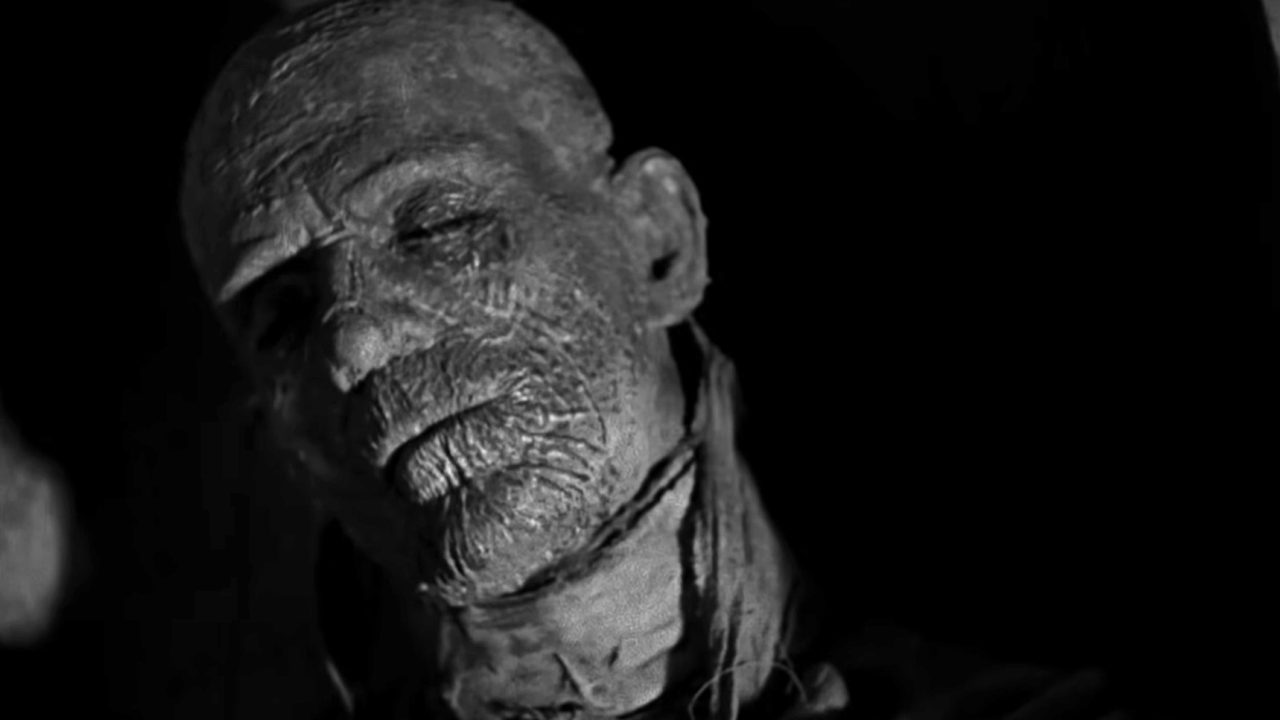
- Make-up artist Jack Pierce worked on Boris Karloff from 11 a.m. to 7 p.m., applying cotton, collodion, spirit gum, clay and linen bandages treated with acid and burnt in an oven. Karloff finished his scenes at 2 a.m., the gum removal was painful, and he called it the most trying ordeal he had ever endured.
- A lengthy, detailed flashback showing the forms Anck-es-en-Amon was reincarnated in over the centuries was longer than the cut that now exists; Henry Victor is still credited as "Saxon Warrior" though his performance was deleted, and the footage survives only as stills.
- Story editor Richard Schayer and writer Nina Wilcox Putnam, after learning about Alessandro Cagliostro, wrote a nine-page treatment titled Cagliostro; set in San Francisco, it told of a 4,000-year-old magician who survived by injecting nitrates.
- John L. Balderston, who had covered the opening of Tutankhamun's tomb for the New York World as a journalist, moved the story to Egypt and renamed the film The Mummy and its title character Imhotep, after the historical architect.
- Archaeological evidence suggesting that one of the conspirators caught plotting to assassinate Pharaoh Ramesses III around 1151 B.C. may have been buried alive probably influenced the film's screenplay.
- The film was inspired by the 1922 opening of Tutankhamun's tomb and the alleged "curse of the pharaohs"; producer Carl Laemmle Jr. had story editor Richard Schayer look for a novel for an Egyptian-themed horror film, as Dracula and Frankenstein had been found for their 1931 films.
- The Tchaikovsky piece from Swan Lake heard during the opening credits was the same arrangement Universal had already used for Dracula (1931) and Murders in the Rue Morgue (1932), and it was reused as the title music of Secret of the Blue Room (1933).