Plot summary
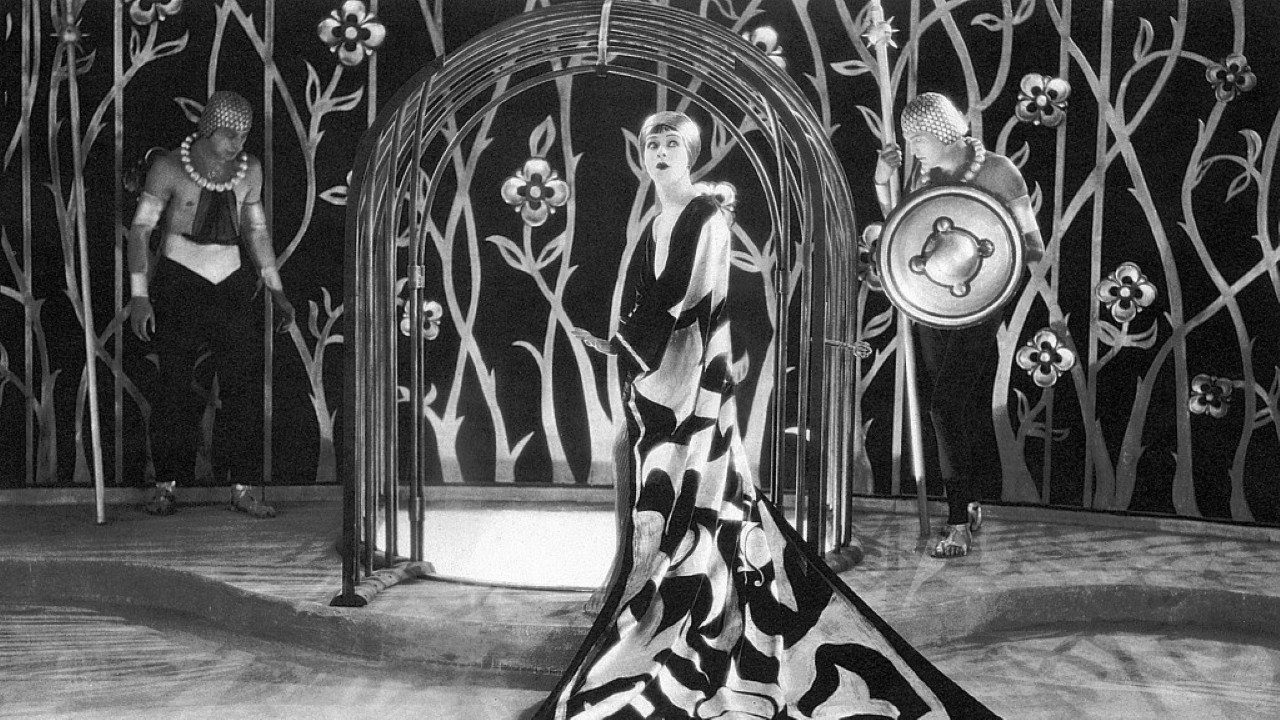
After the Tetrarch murdered his brother to take the throne, and his brother's wife and daughter, the prophet Jokanaan came from the desert. He foretold the coming birth of Christ and revealed the infidelity of Herodias, the Tetrarch's wife, who was furious. The Tetrarch locked Jokanaan in a prison below the palace to protect him from the mobs. Herod is obsessed with Salomé, his stepdaughter and niece, and this angers her mother, Herodias. Salomé leaves the banquet hall and enters the courtyard, where she charms a young guard into bringing the prophet up to her.
Cast


Did you know?!Facts and trivia about Salomé (1923)
Can contain spoilers, watch the movie first.
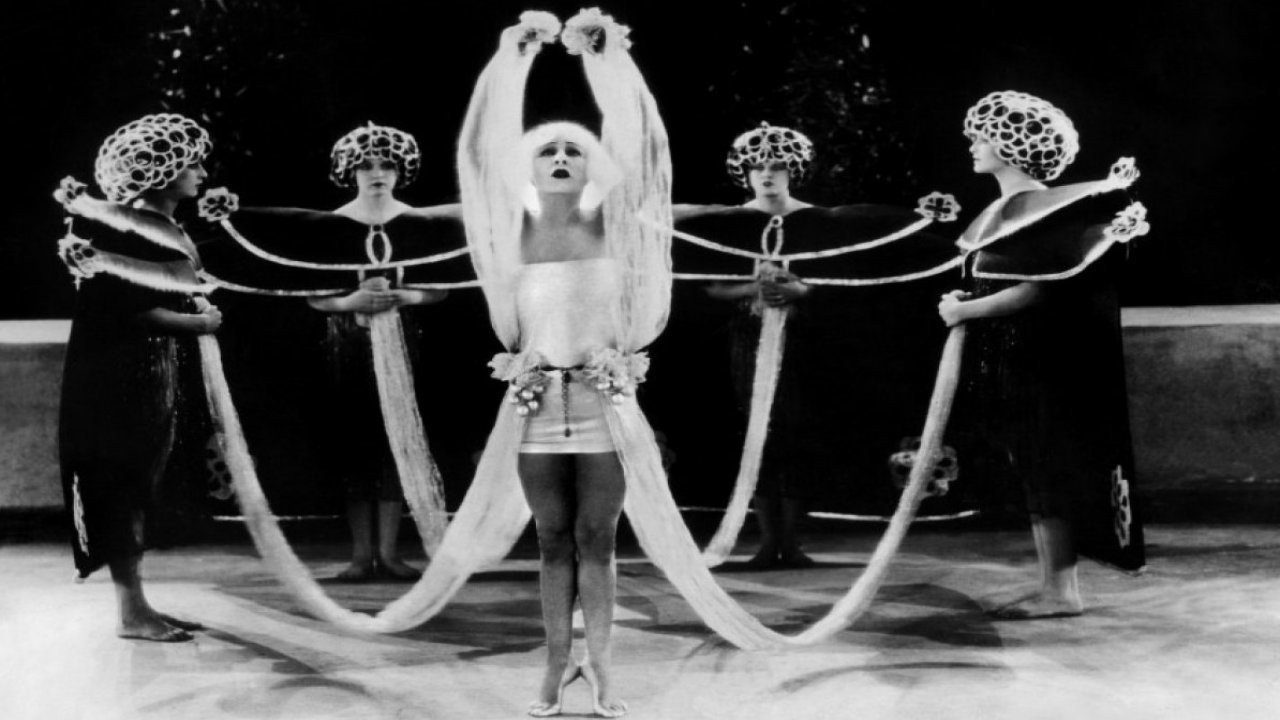
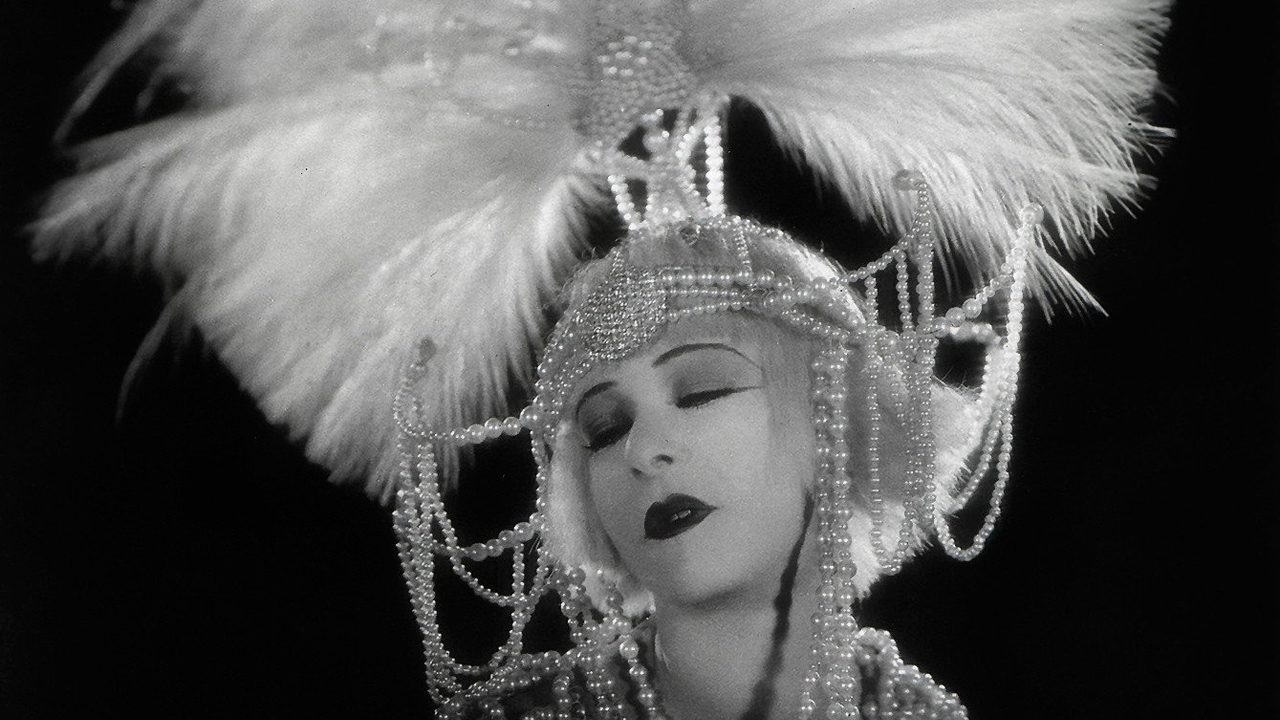
- For Salomé's Dance of the Seven Veils, designer Natacha Rambova put Alla Nazimova in a white satin tunic with a rubber lining specially made by an automobile tyre manufacturer, so that it clung to her body.
- Multiple sources say the cast of Salomé was made up entirely of gay or bisexual actors, as an homage to Oscar Wilde.
- Censors were horrified by the film: historian Vito Russo says they ordered several scenes cut, including one showing a homosexual relationship between two Syrian soldiers, and the New York State Censorship Board examiner called it sacrilegious.
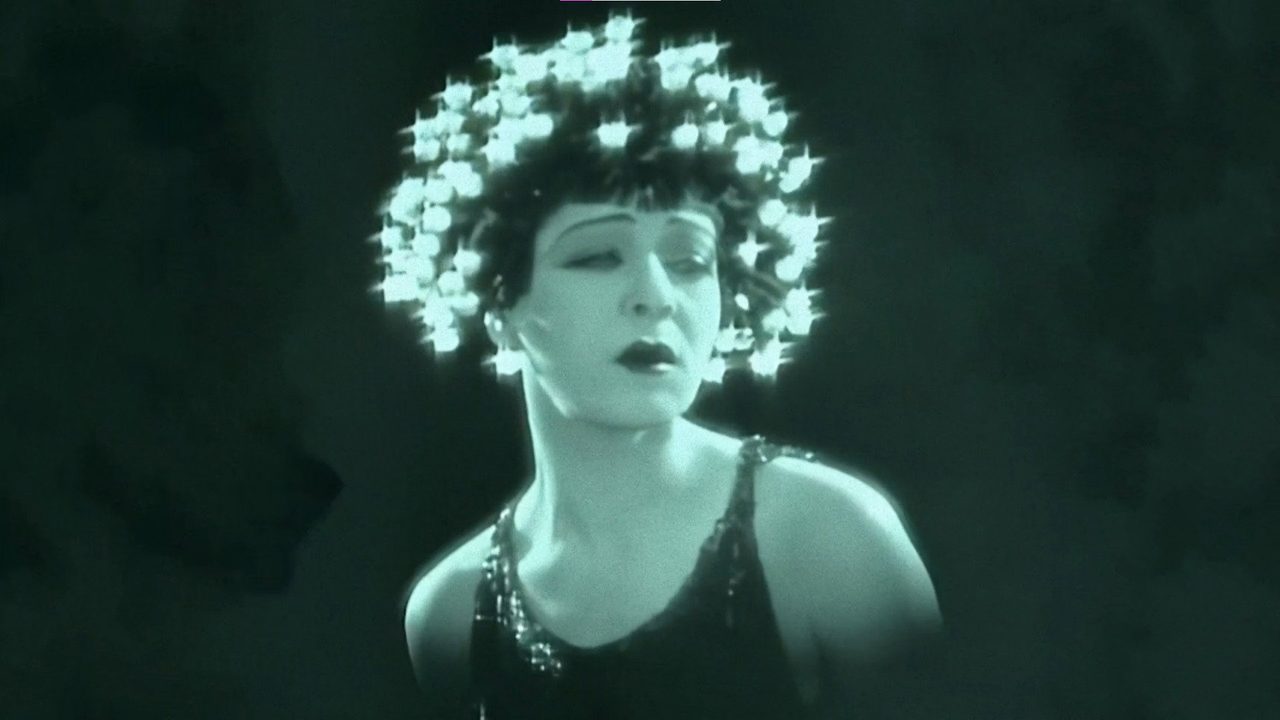
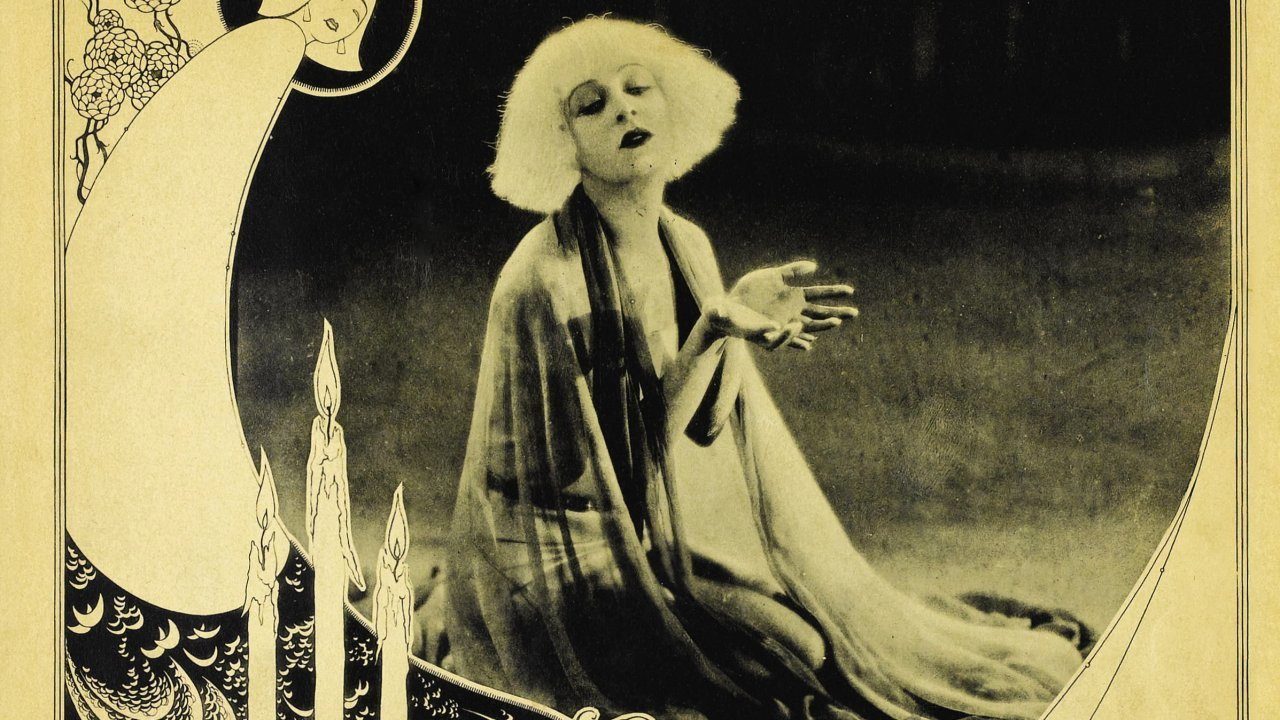
- Nazimova was forty-two when she made Salomé but insisted on playing the princess as a fourteen-year-old; photographer Charles Van Enger used subtle lighting and Rambova designed costumes to make her look thinner and younger.
- Shot in early 1922, Nazimova's Salomé was the first full-scale production of Oscar Wilde's play by a woman.
- Nazimova and her husband had Salomé run unannounced in Venice, California and handed patrons slips asking their opinion; she recalled all but nine were enthusiastic, eight of those nine unfavorable, and one man wrote "rotten".
- Salomé was a box-office flop that effectively ended Nazimova's immediate career; she retired in 1925 and stayed away from films until 1940.