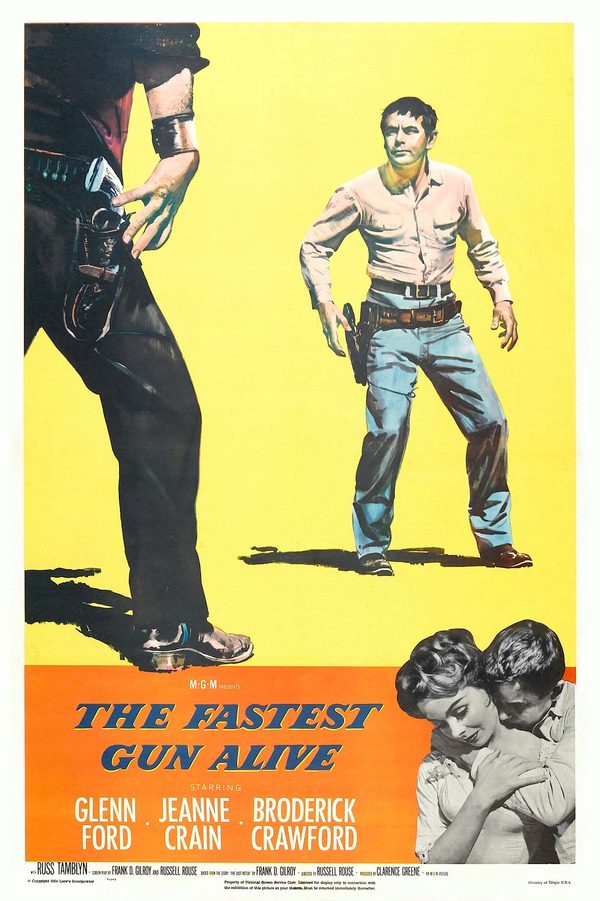
The Fastest Gun Alive (1956) on Netflix
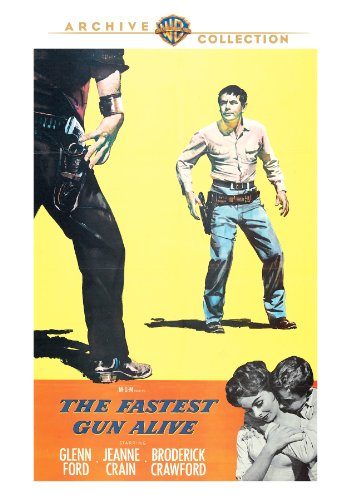
George Temple runs a general store in Cross Creek, hiding that he is the son of a notorious gunfighter. Saloon talk of famous gunmen tempts him to show what he can do.
- Netflix3.6/5
- IMDb7.1/104,194 votes
- Rotten TomatoesNot available
Trailer

Plot summary
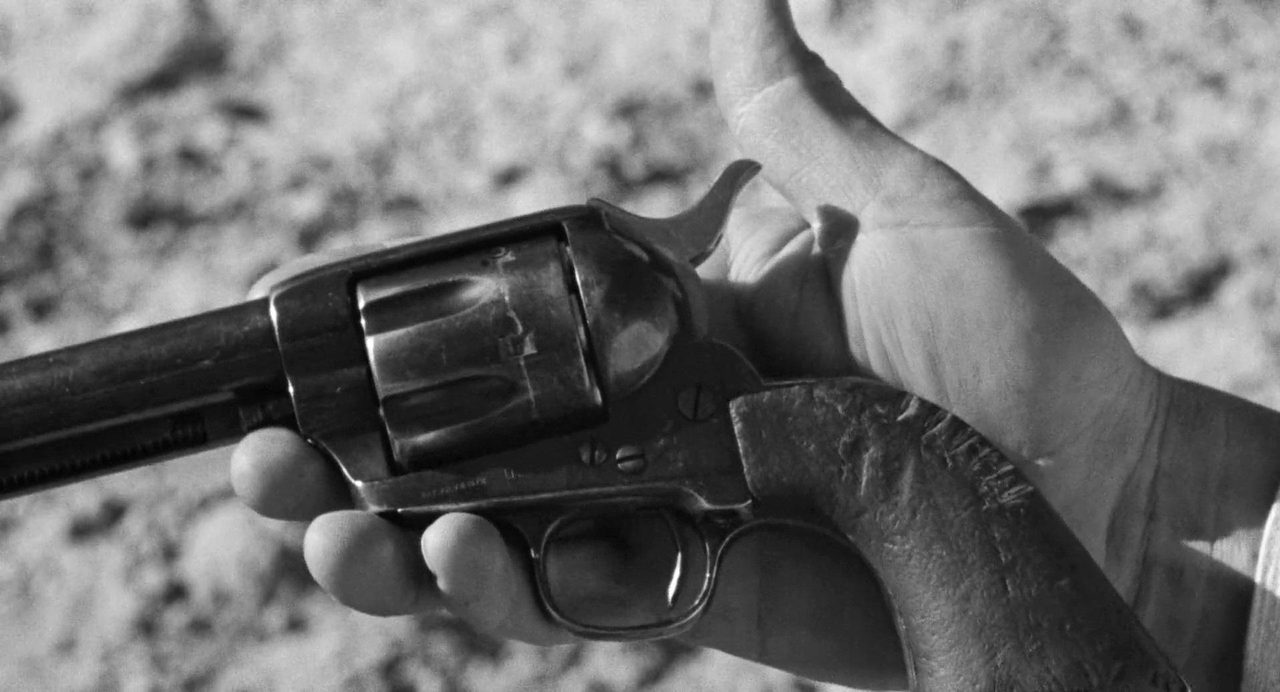
The son of a notorious fast gun, George Kelby Jr. settled in Cross Creek with his wife Dora under the name George Temple. He runs a general store and plays the mild-mannered, unarmed shopkeeper. Dora thinks he discarded his gun years ago, though he still practices his shooting in secret. Then word comes that the gunman Vinnie Harold has killed Clint Fallon, reputed to be the fastest draw in the West, and the saloon falls to arguing about legendary gunfighters. George speaks up, showing how much he knows about guns and declaring himself faster than Fallon, Harold and Wyatt Earp. The townsfolk do not believe him. Goaded by their disbelief, he fetches the hidden gun, proving to Dora that he had kept it.
Cast




Did you know?!Facts and trivia about The Fastest Gun Alive (1956)
Can contain spoilers, watch the movie first.
- The scene where Glenn Ford's character shoots a falling glass of beer was shot from behind the glass with Ford facing straight into the camera, and the feat was actually achieved through trick photography rather than real marksmanship.
- The film's trick-photography gunplay came back to haunt Glenn Ford: while in the service on a pistol range, an instructor who had seen the movie forced him to prove his "fast draw" skill, and he stood there for hours until he succeeded in drawing his pistol and hitting the target.
- Russ Tamblyn, who had gained renown for his dancing in MGM's Seven Brides for Seven Brothers (1954), performs a routine during a hoedown early in the film that includes a "shovel" dance, dancing on shovels used as stilts.