The Diary of Anne Frank (1959) on Netflix
Approved19593hBiographyDramaFamily
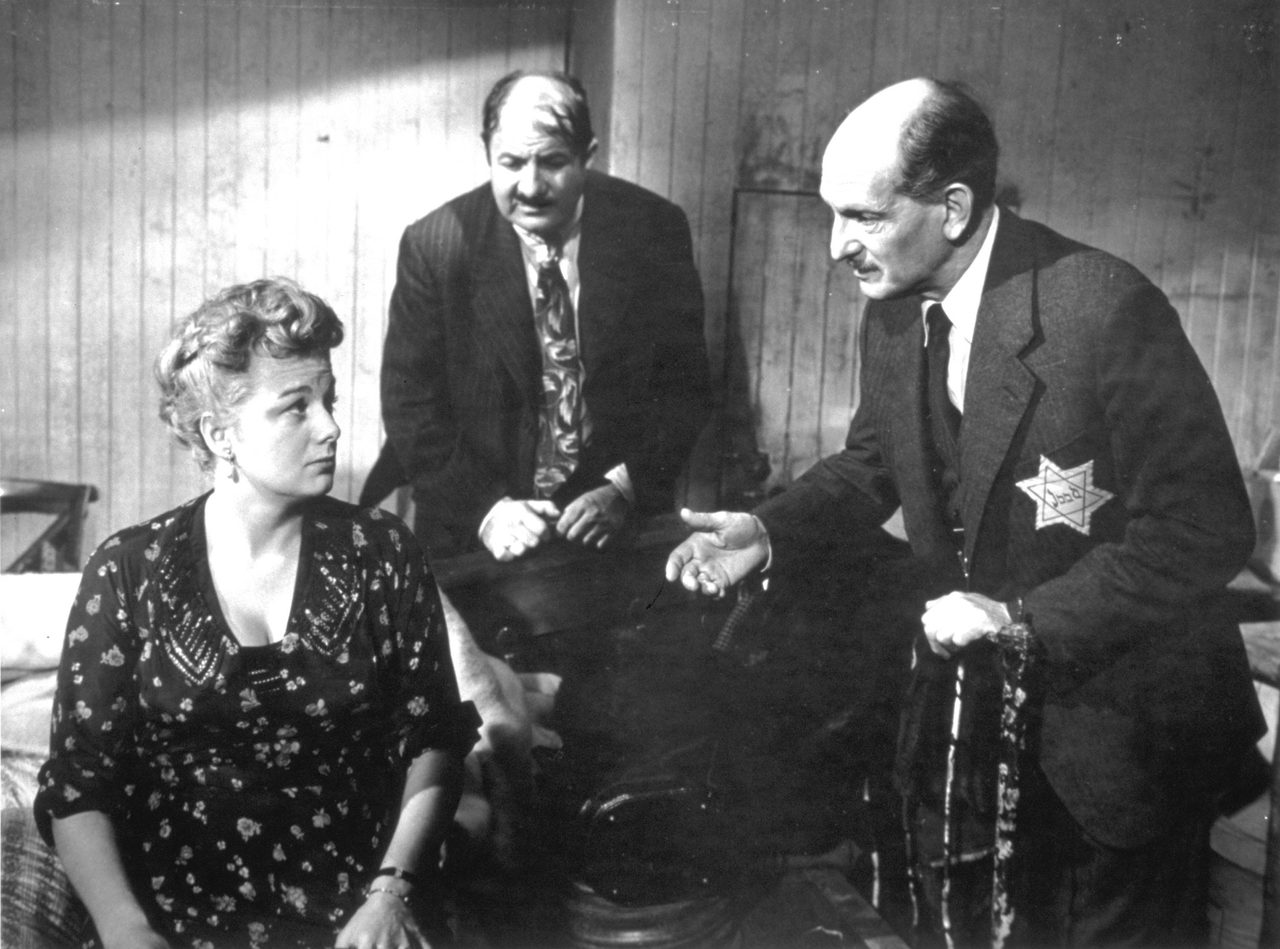
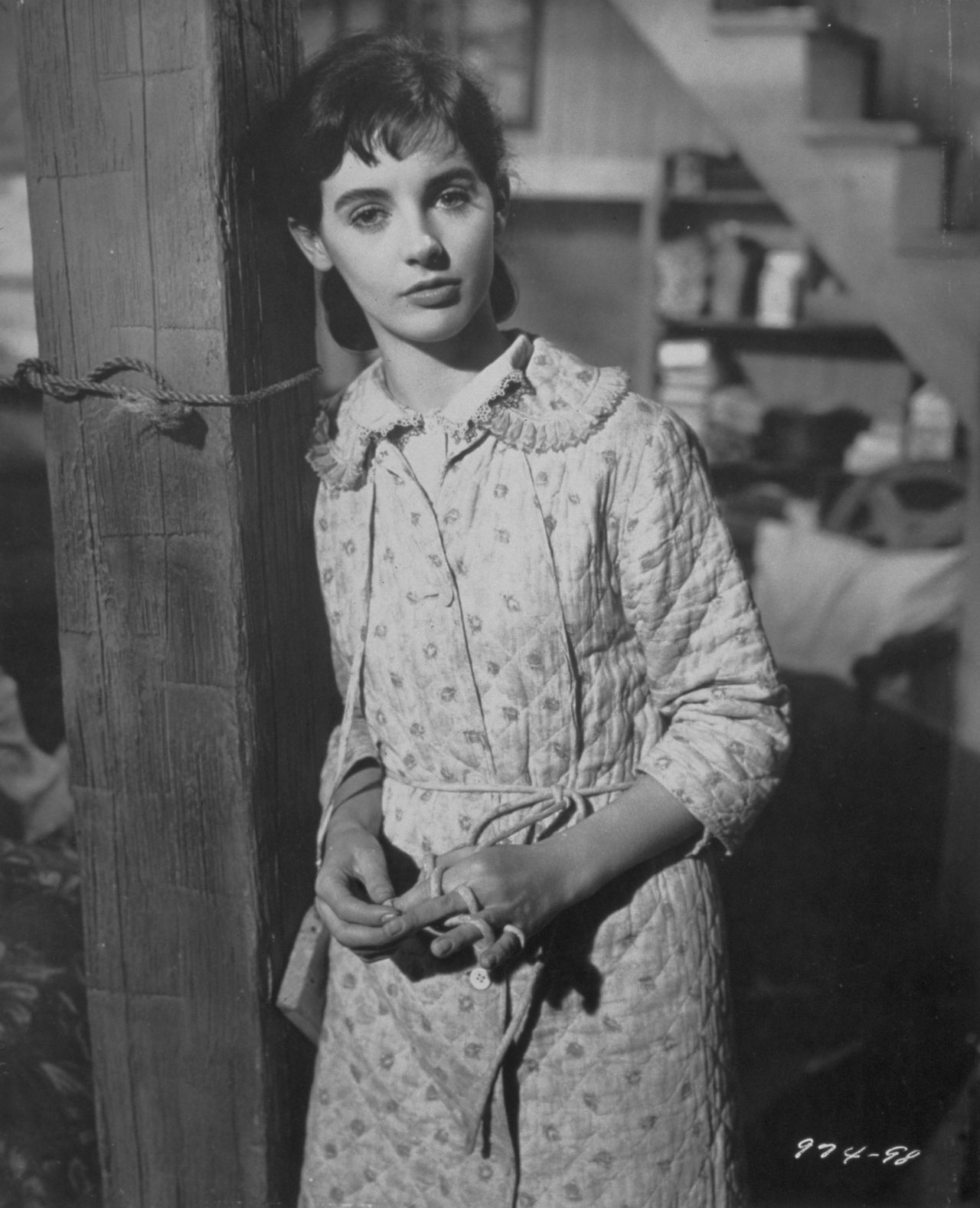
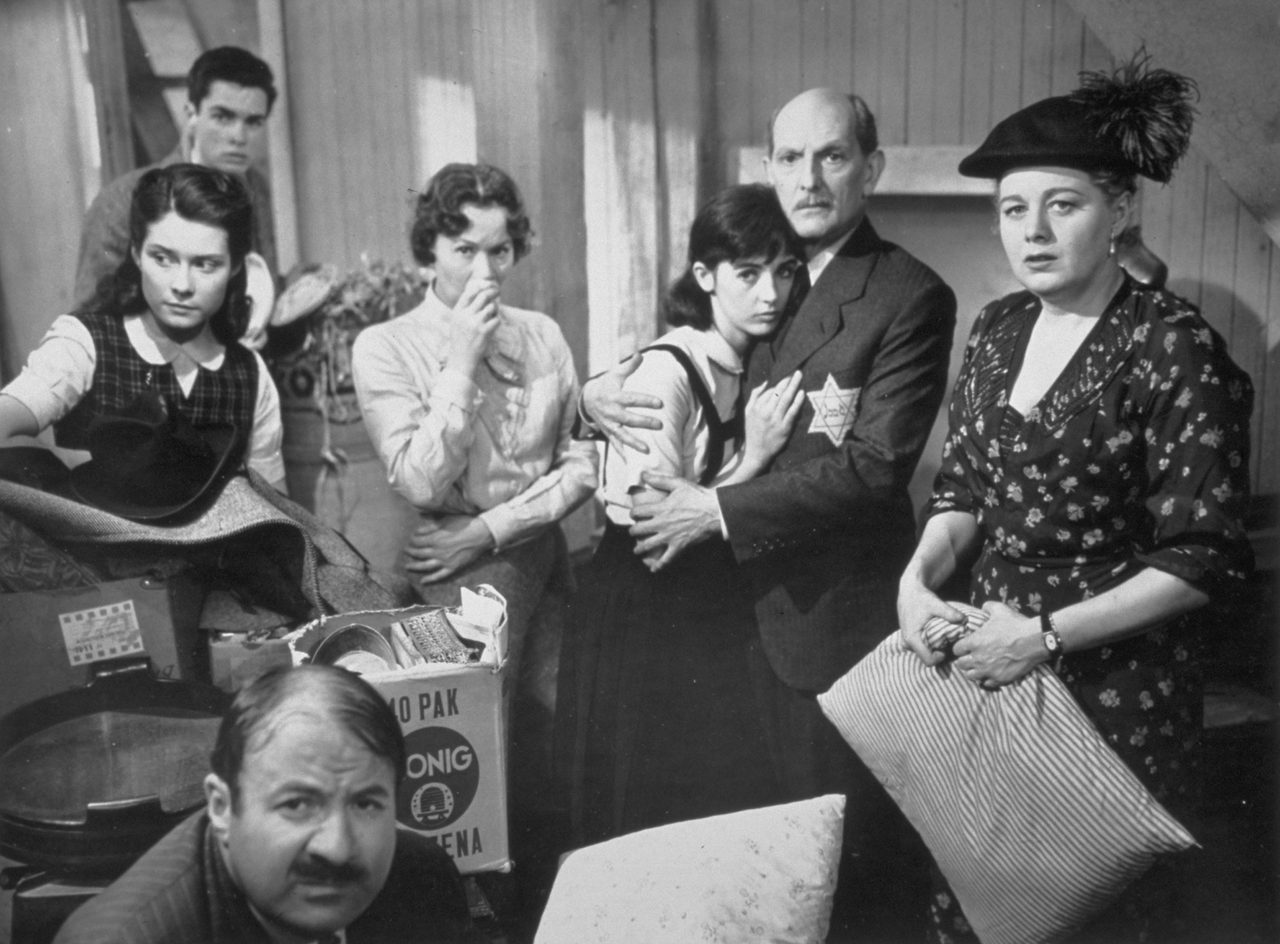
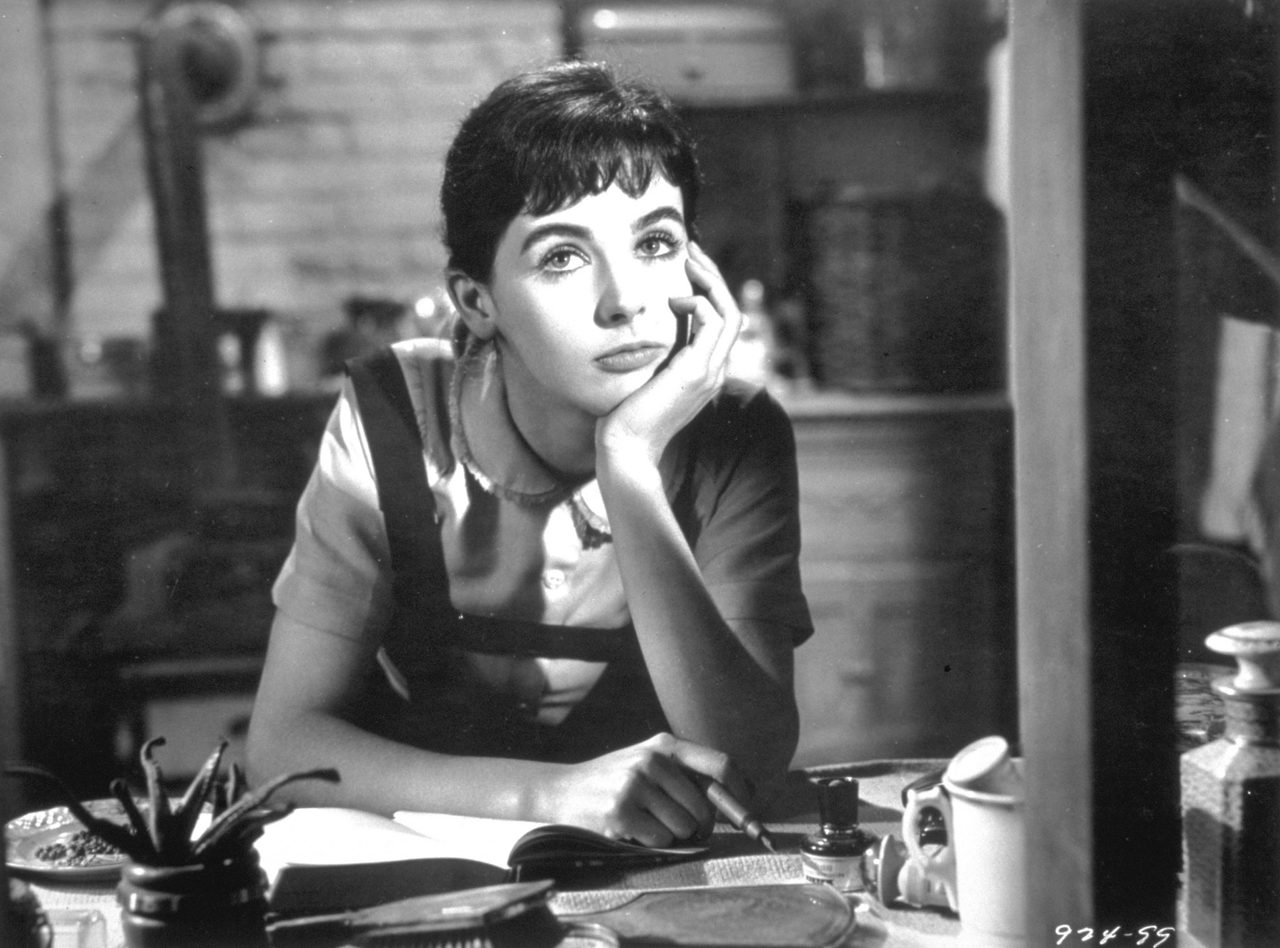
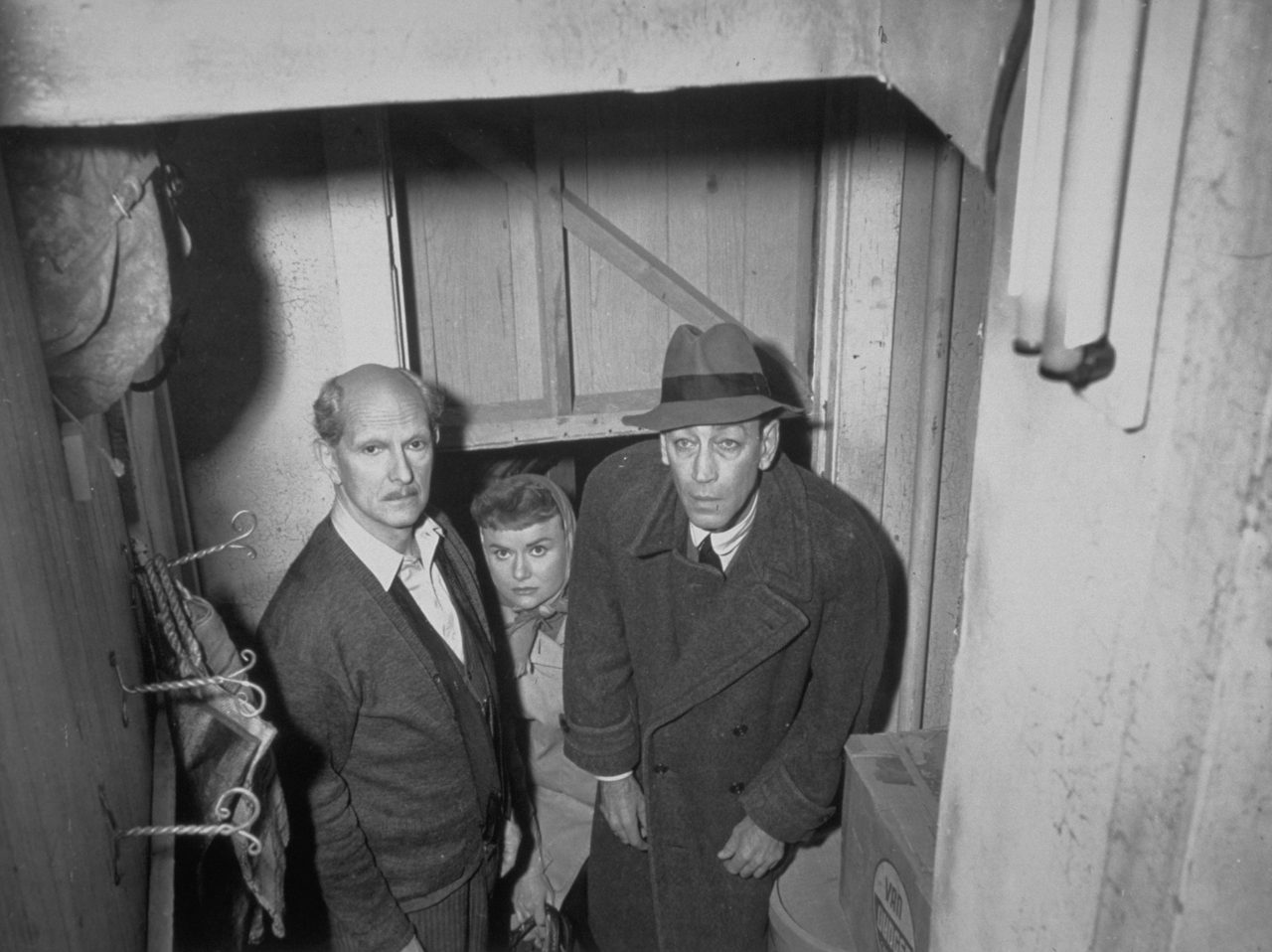
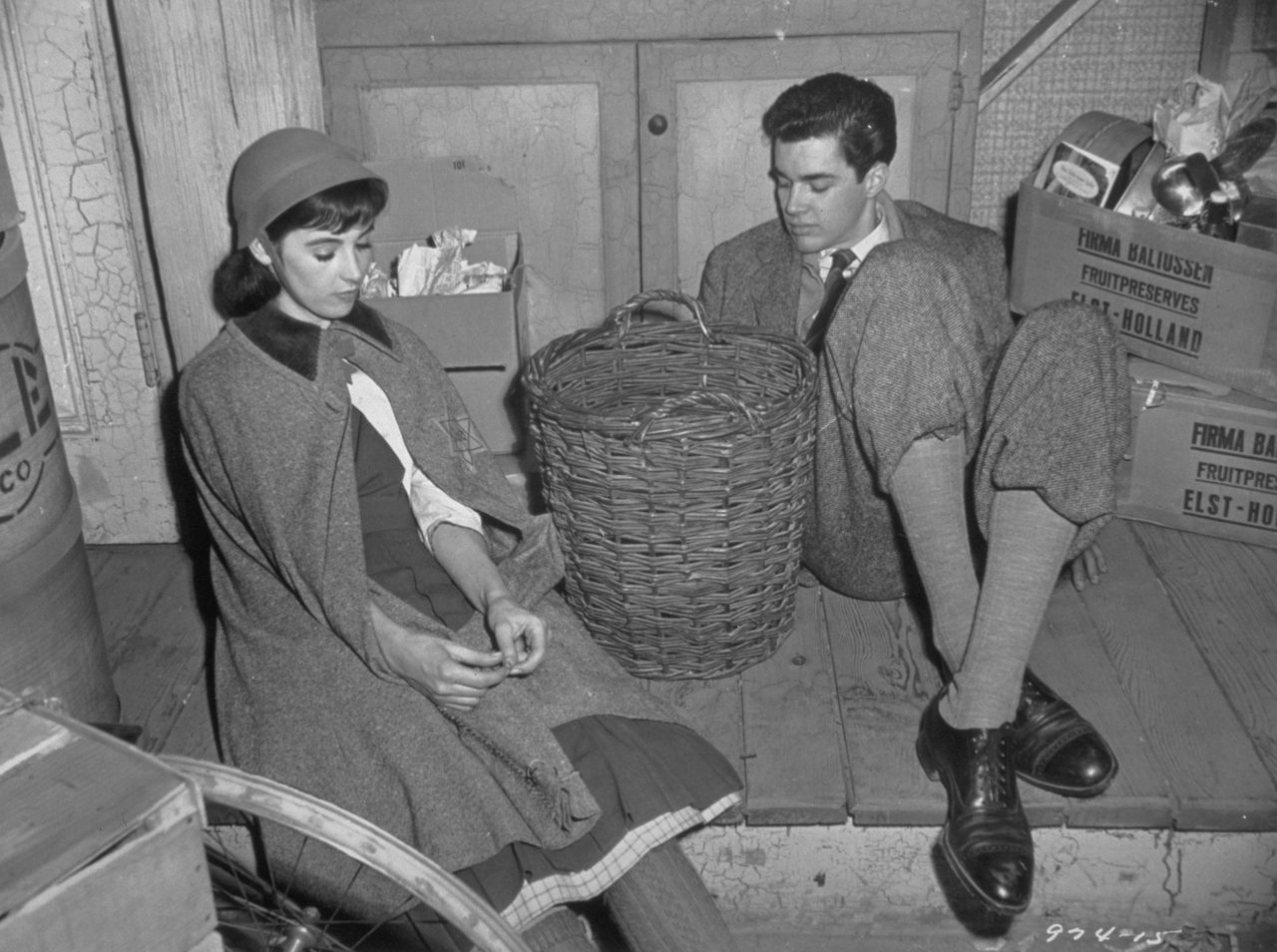
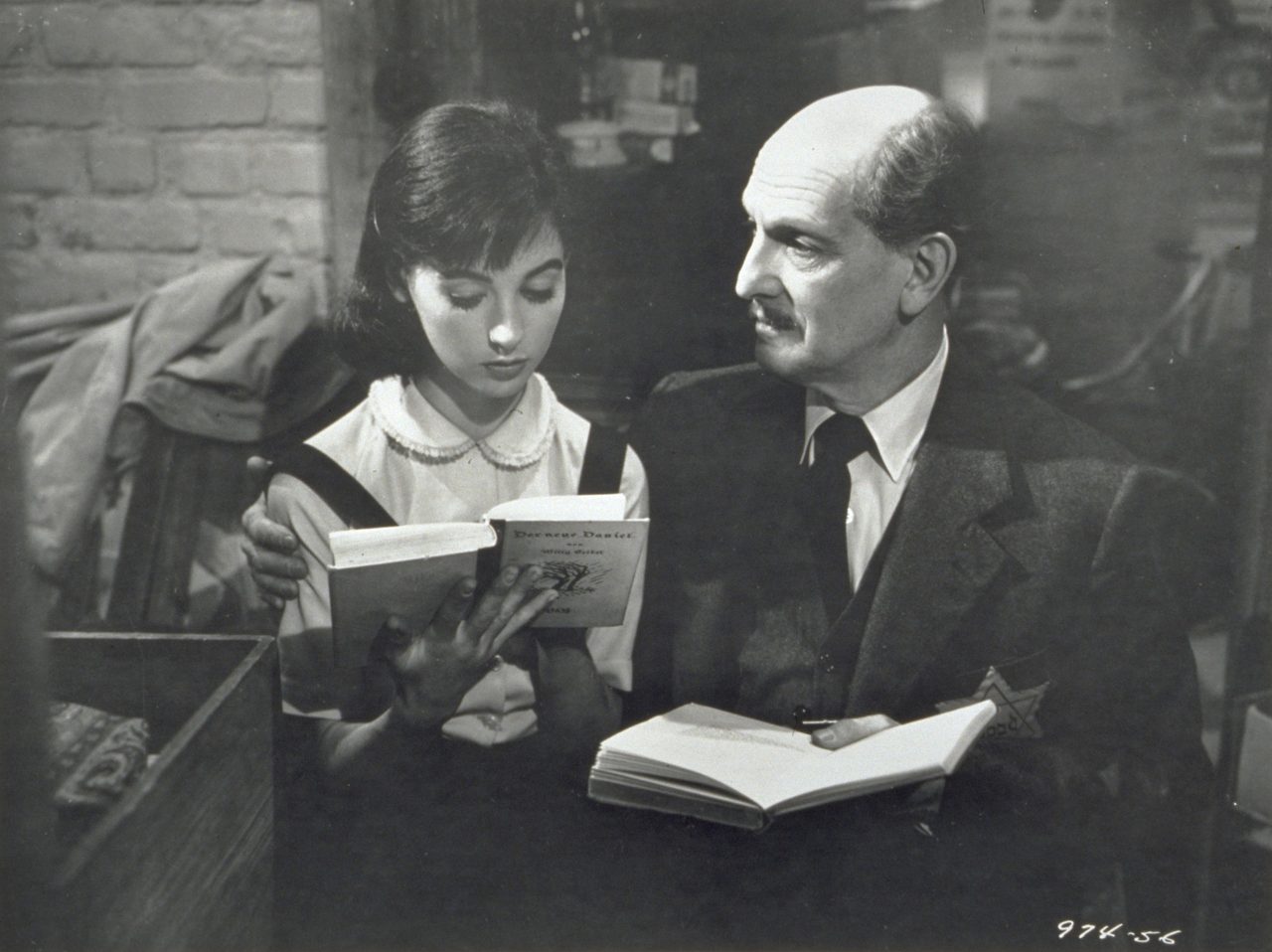
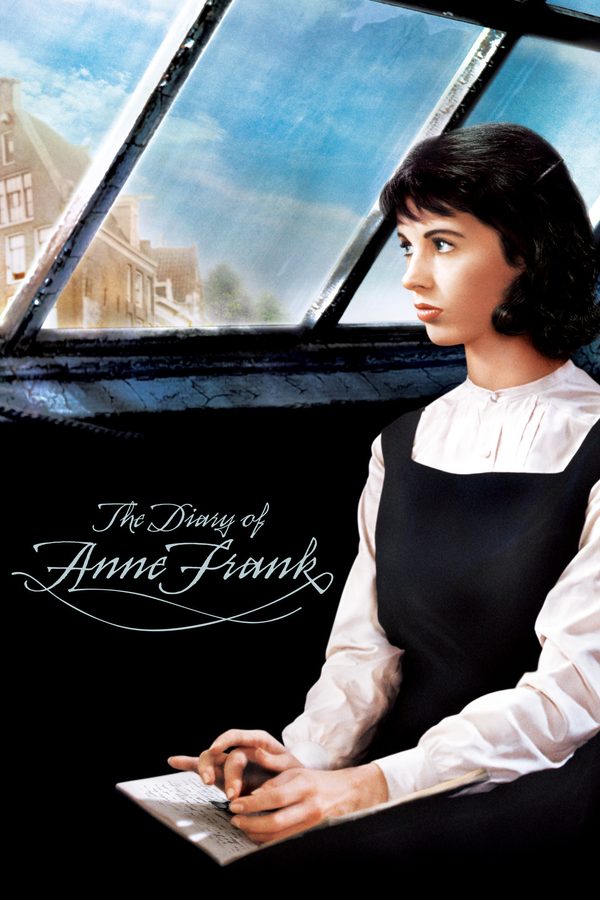
Amsterdam, 1942: Anne Frank and her family hide above a spice factory to escape the persecution of Jews. The Van Daans share the attic, and Anne keeps a diary of their days.
- Netflix3.8/5
- IMDb7.4/1014,702 votes
- Rotten Tomatoes81%
Trailer

Plot summary
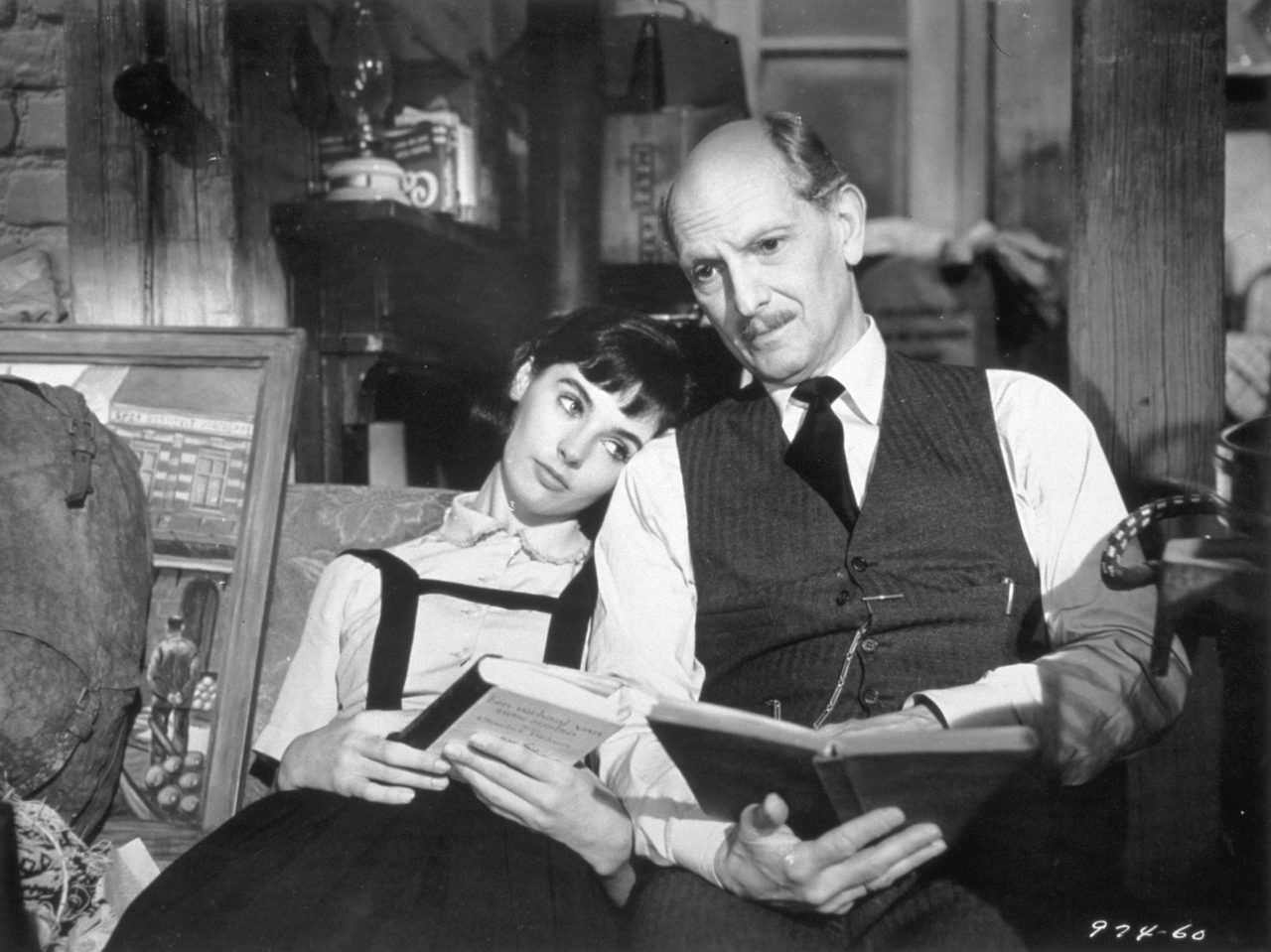
In Nazi-occupied Holland, the persecutions against Jews force Otto Frank to take his wife Edith and their daughters, Margot and Anne, into hiding. Kraler and his assistant Miep prepare rooms above the spice factory, and the Van Daans, Hans and Petronella, move in with their son Peter. The dentist Albert Dussell later joins them. During the day, the eight must keep silent while workers are downstairs in the building. Kraler brings food and a box containing Anne's movie star photos and a blank diary, and a radio brings news of the war. Otto teaches Anne and Margot, and the strain of the confinement sets the Van Daans arguing and puts Anne at odds with her mother, Edith.
Cast




- Robert Boonas SS Man (uncredited)
- Delmar Ericksonas SS Man (uncredited)


Did you know?!Facts and trivia about The Diary of Anne Frank (1959)
Can contain spoilers, watch the movie first.
- Otto Frank personally wrote to Audrey Hepburn asking her to play his daughter Anne, citing how strongly Hepburn resembled Anne as a teenager.
- Hepburn declined the offer, saying she felt too old and lacked the skills to portray Anne, though she and Anne were born within a month of each other in May and June 1929 and both spent their adolescences in Nazi-occupied Holland.
- Best Supporting Actress winner Shelley Winters later gave away her Academy Award statuette, donating it in 1975 to the real Anne Frank House museum in Amsterdam.
- 20th Century-Fox president Spyros Skouras forced director George Stevens to shoot in widescreen CinemaScope even though Stevens worried the format would undercut the story's sense of claustrophobia.
- The film was directed by George Stevens, a Hollywood filmmaker previously involved with capturing evidence of concentration camps during the war, from a screenplay by Frances Goodrich and Albert Hackett.