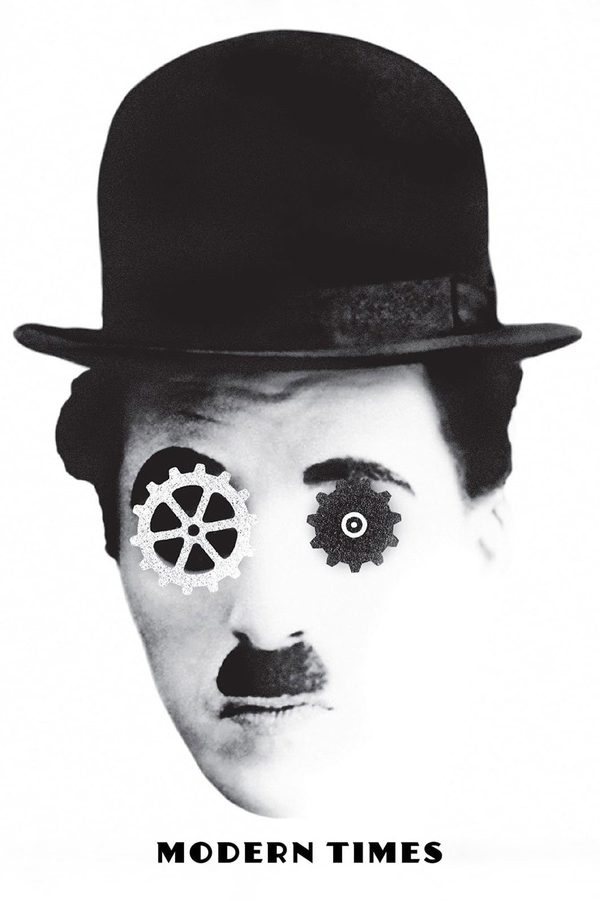
Modern Times (1936) on Netflix
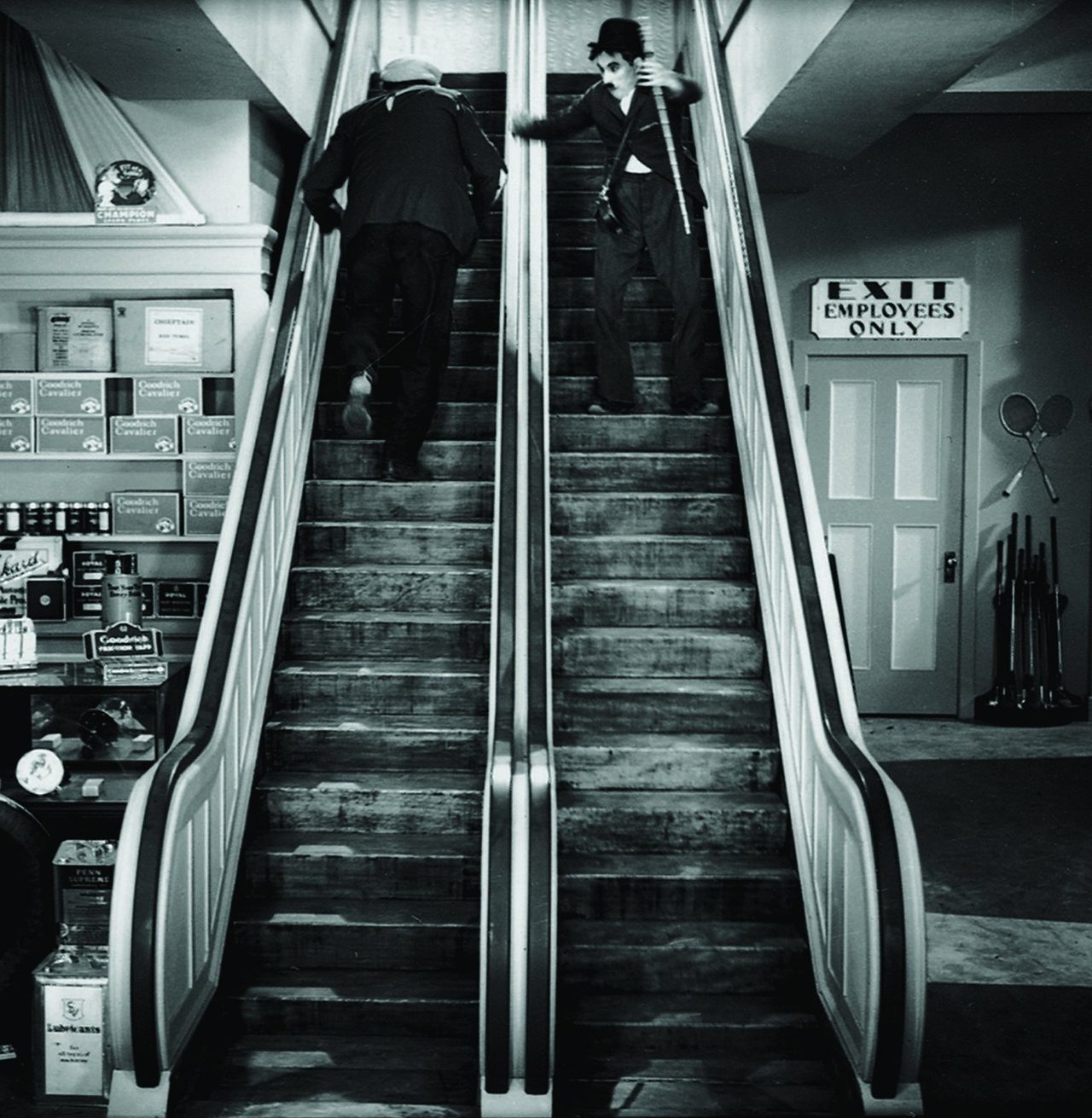
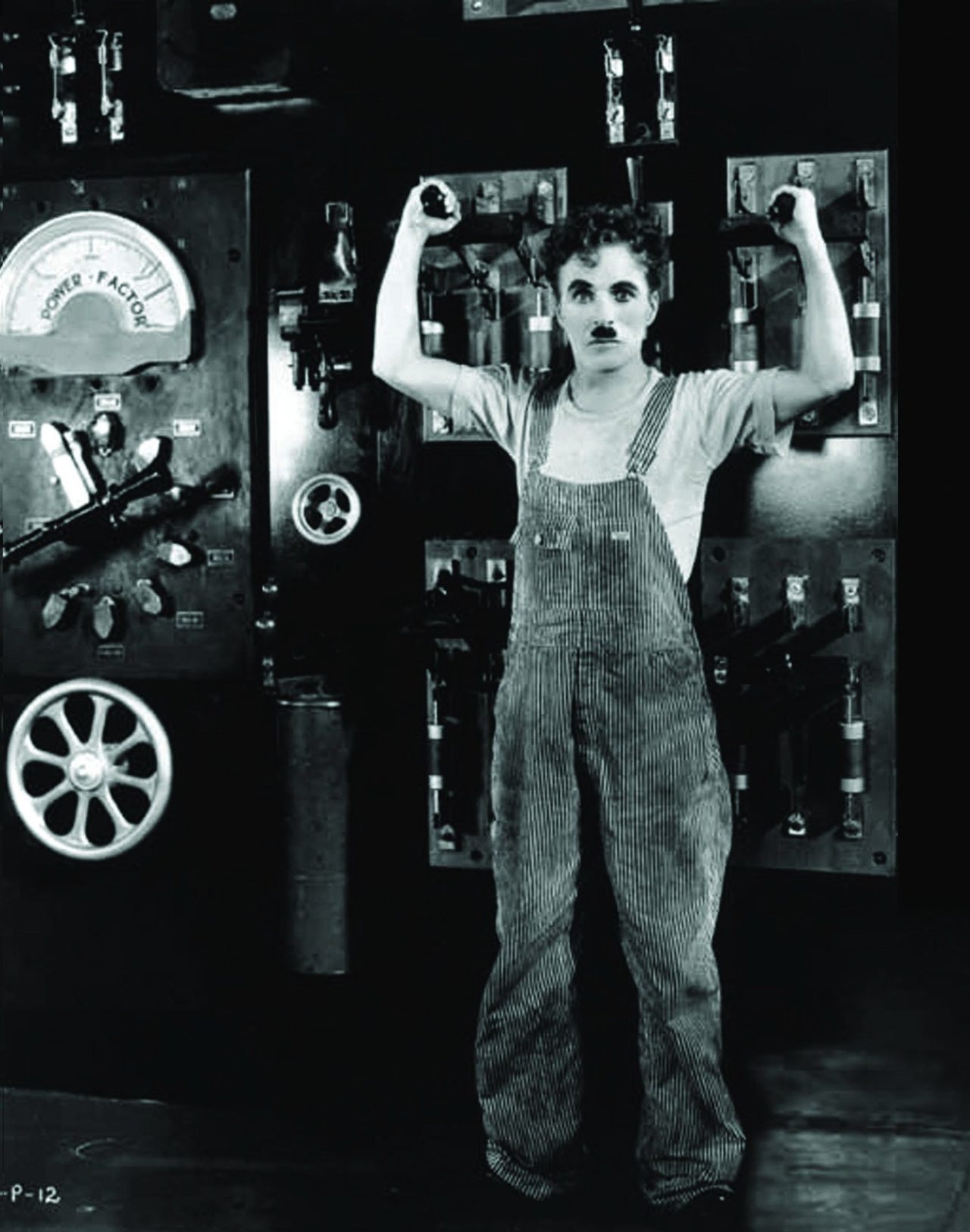
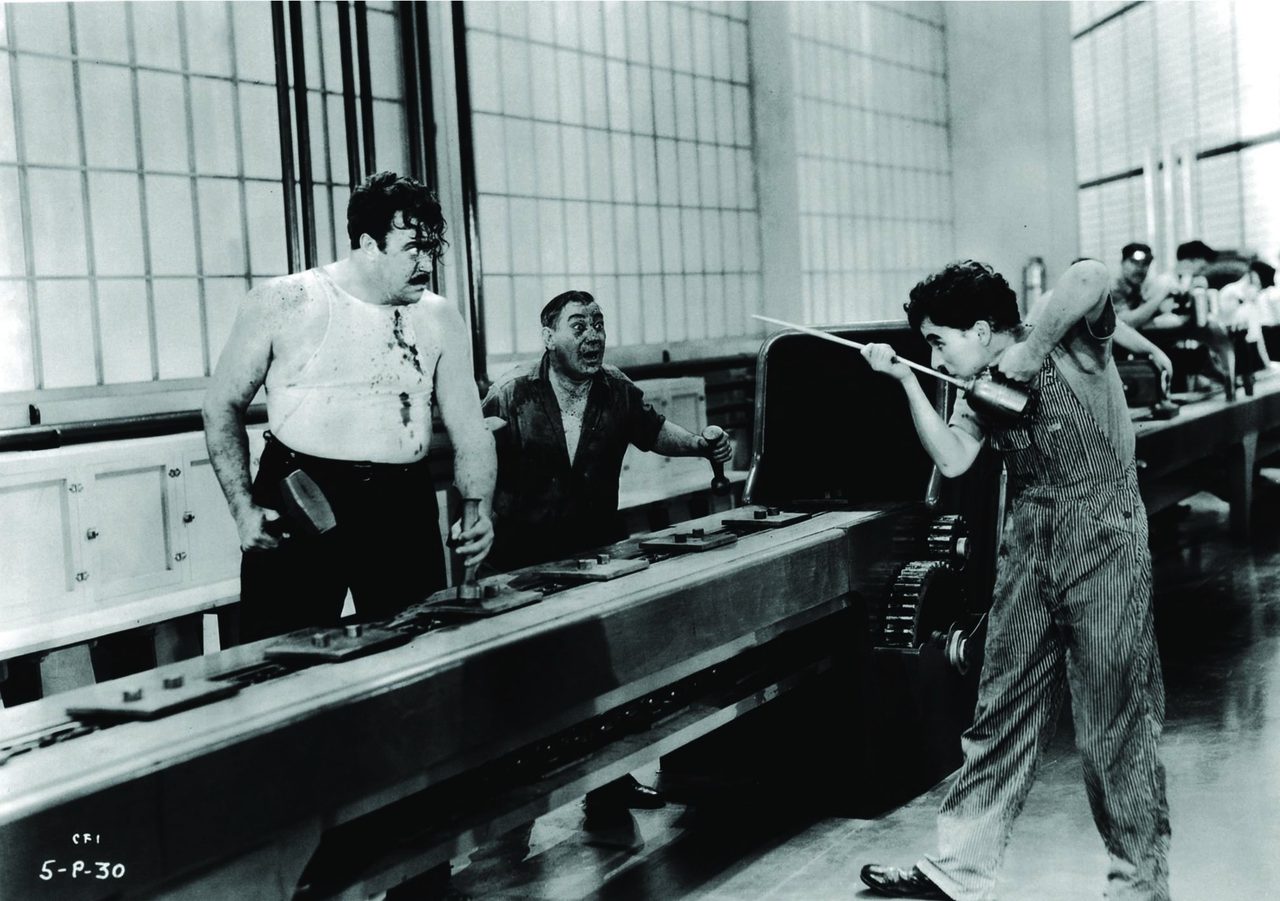
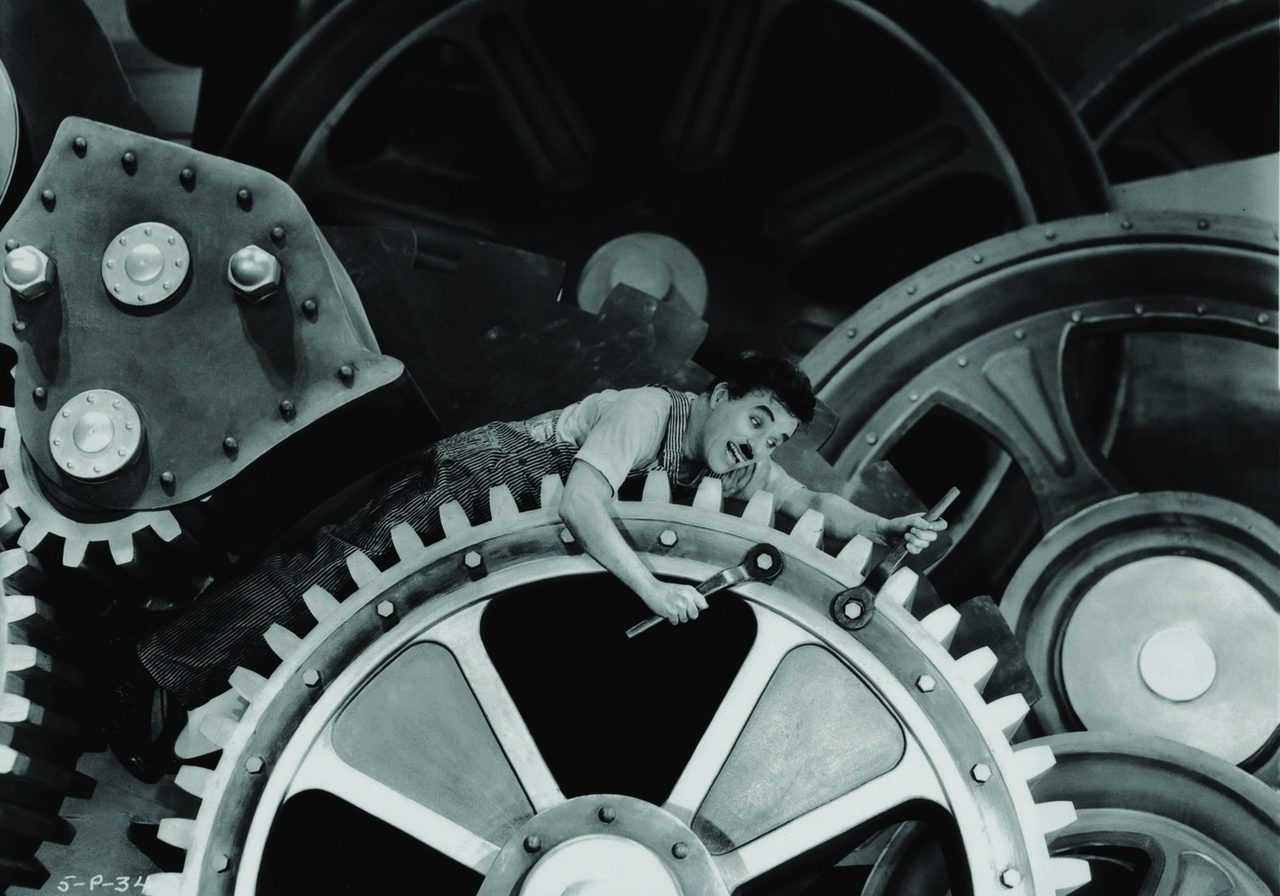
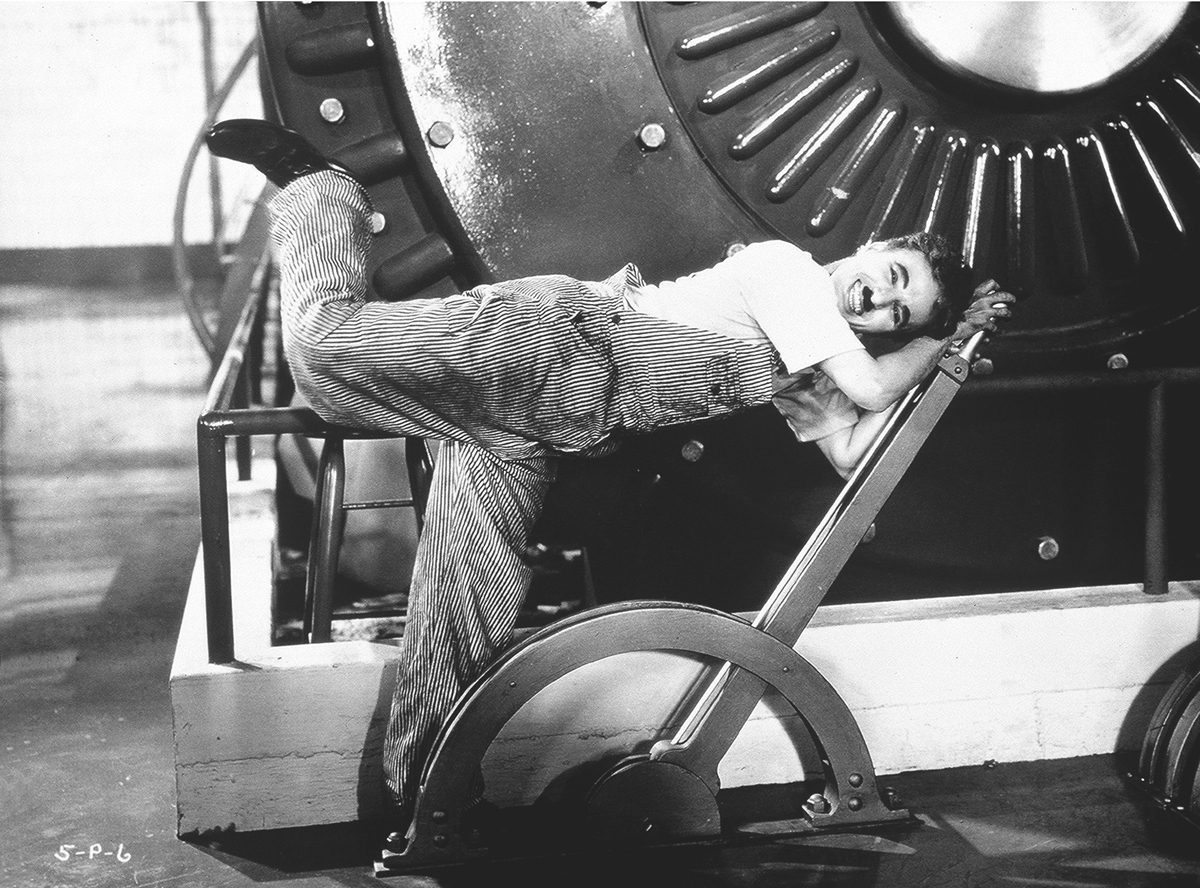
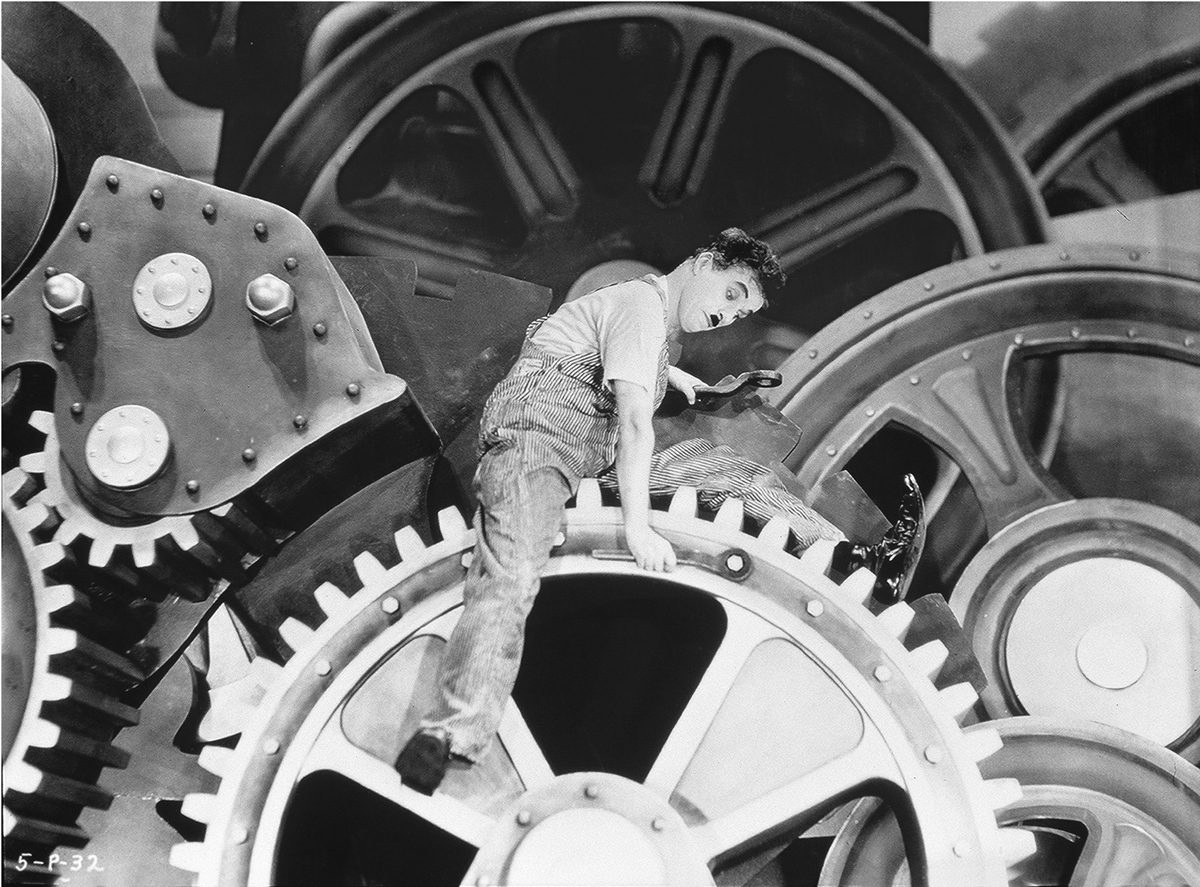
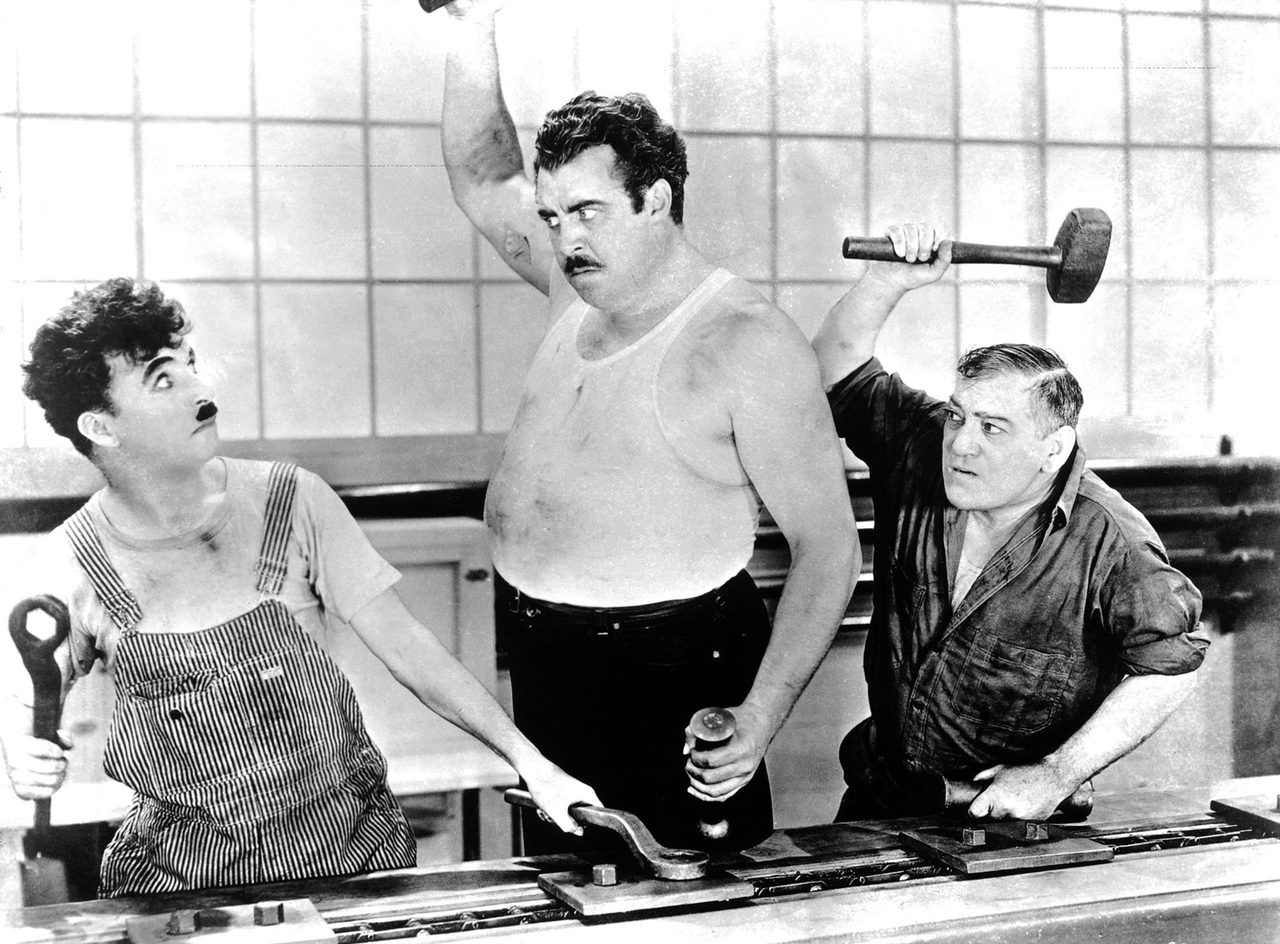
The Tramp works an assembly line, worn down by the repetitive pace of the work. After a nervous breakdown leaves him unemployed, he meets Ellen, a street urchin arrested for stealing bread.
- Netflix3.9/5
- IMDb8.5/10287,883 votes
- Rotten Tomatoes98%
Trailer

Plot summary
On the assembly line during the Great Depression, the pace of the repetitive work wears the Tramp down, and an automatic feeding machine that his bosses introduce to save time and money batters him. He suffers a nervous breakdown, gets stuck inside a machine, and throws the factory into chaos before he is taken to a hospital. Unemployed after his recovery, he is arrested when a red flag falls off the back of a lorry and he runs down the street to hand it back, at the same moment a left-wing demonstration rounds the corner. The police take him for a leader of the demonstration, and he meets Ellen, an orphaned street urchin who has been picked up for stealing a loaf of bread.
Cast





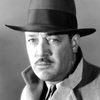


- Cecil Reynoldsas Minister



Did you know?!Facts and trivia about Modern Times (1936)
Can contain spoilers, watch the movie first.
- The famous scene of Chaplin's Tramp roller-skating blindfolded near a dangerous drop was a trick: the edge was matte-painted in, and Chaplin actually skated on a flat floor with a hidden ledge marking where to stop.
- Composer Alfred Newman, who had worked with Chaplin on City Lights, had a falling out with him near the end of the Modern Times recording sessions and stormed off the project angrily.
- Nazi propaganda minister Joseph Goebbels banned Modern Times from being shown in Germany, claiming it secretly advocated communism.
- German studio Tobis Film, short on cash, sued Chaplin over the film's resemblance to another film and lost, then sued him again after World War II as apparent payback for his anti-Nazi statements in The Great Dictator, this time settling out of court.
- French philosophers Jean-Paul Sartre, Simone de Beauvoir and Maurice Merleau-Ponty named their journal Les Temps modernes after the film.