Trailer

Plot summary
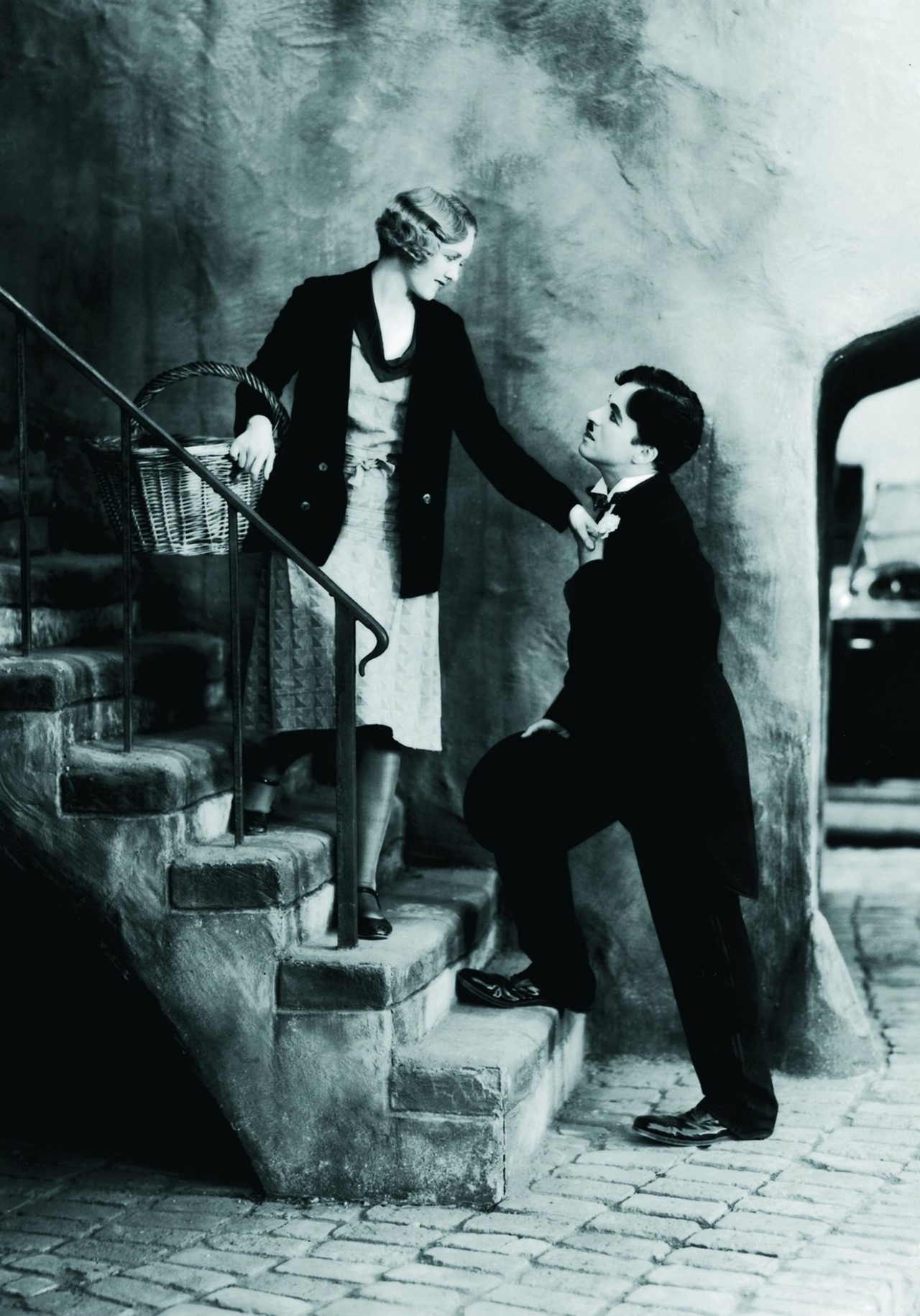
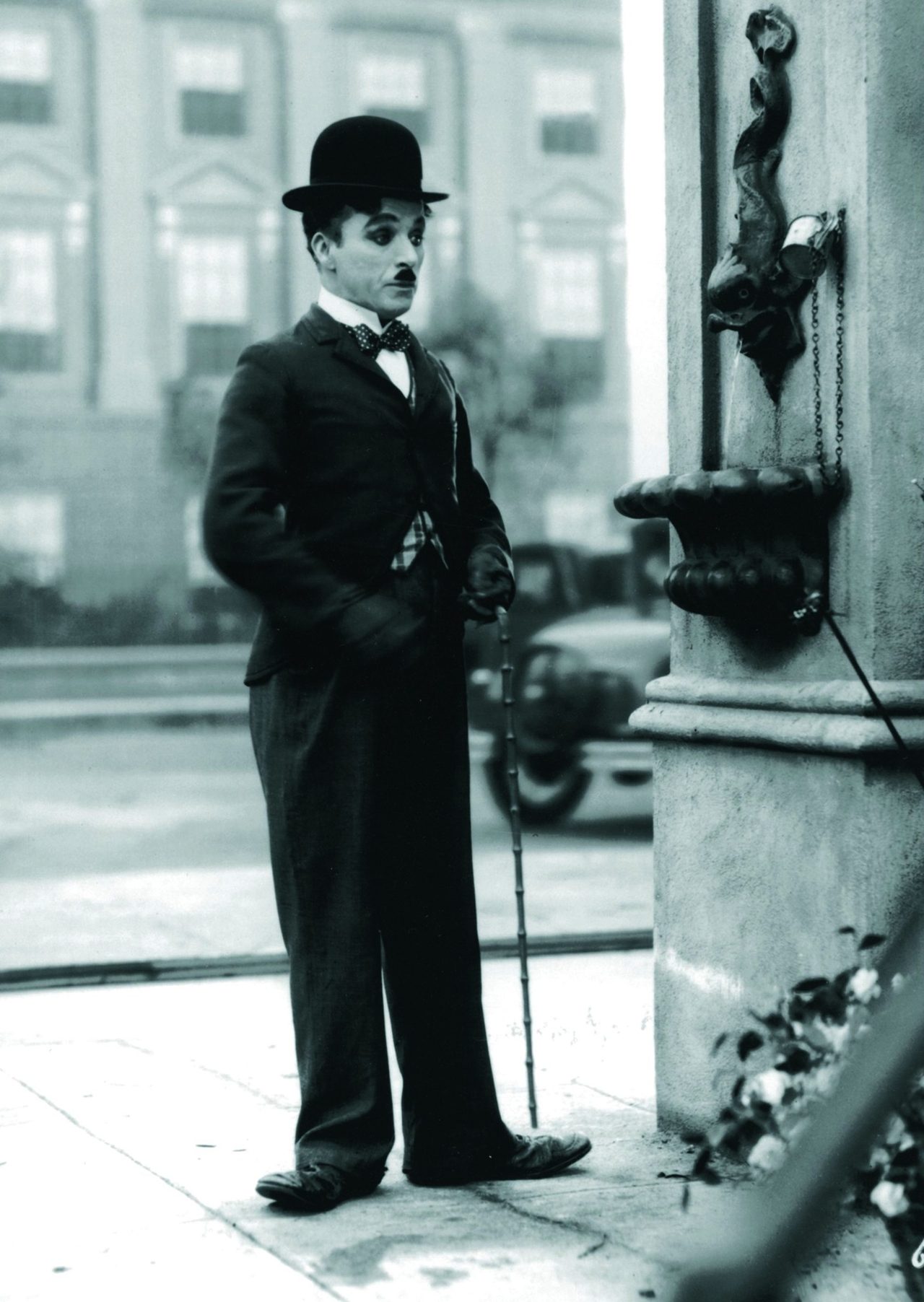
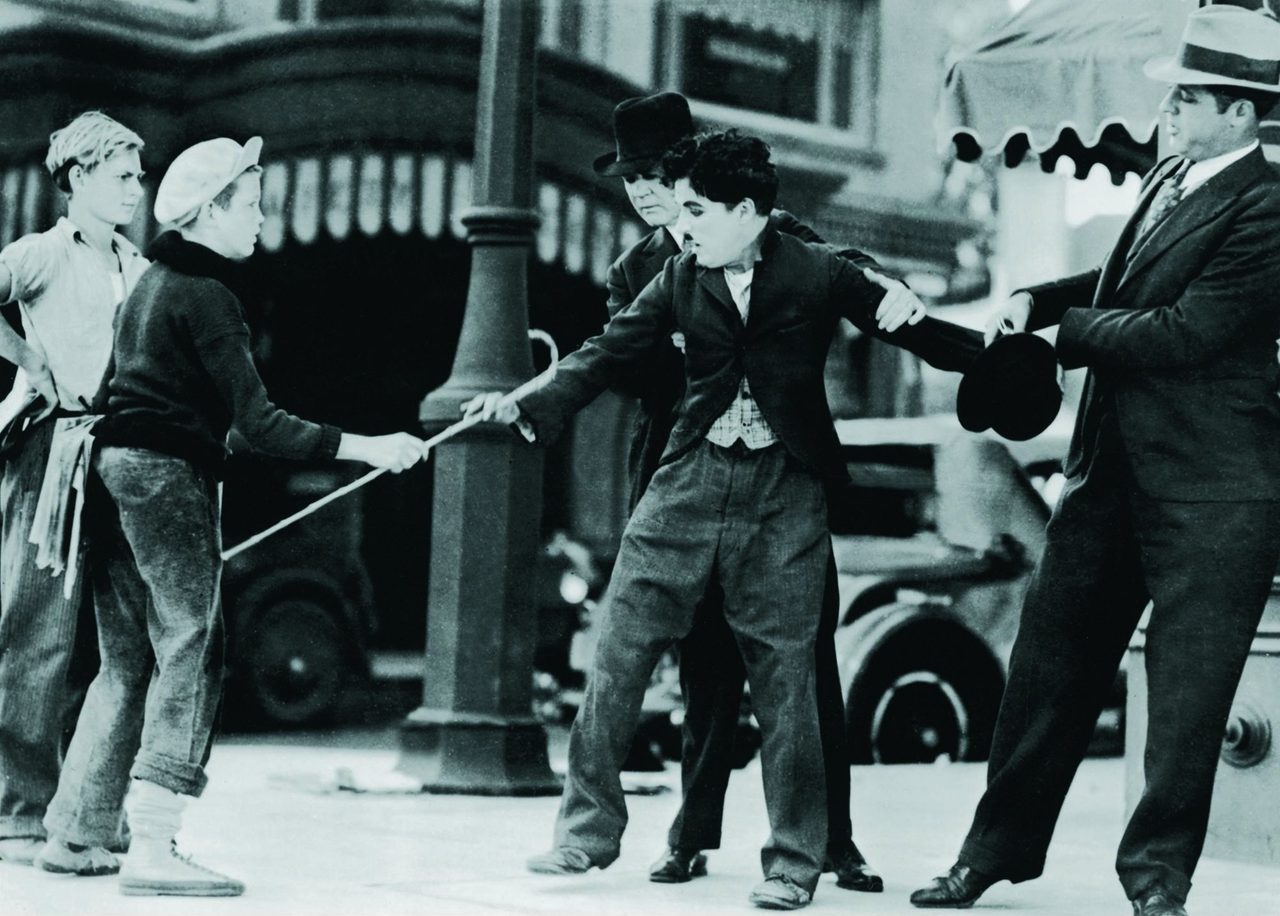
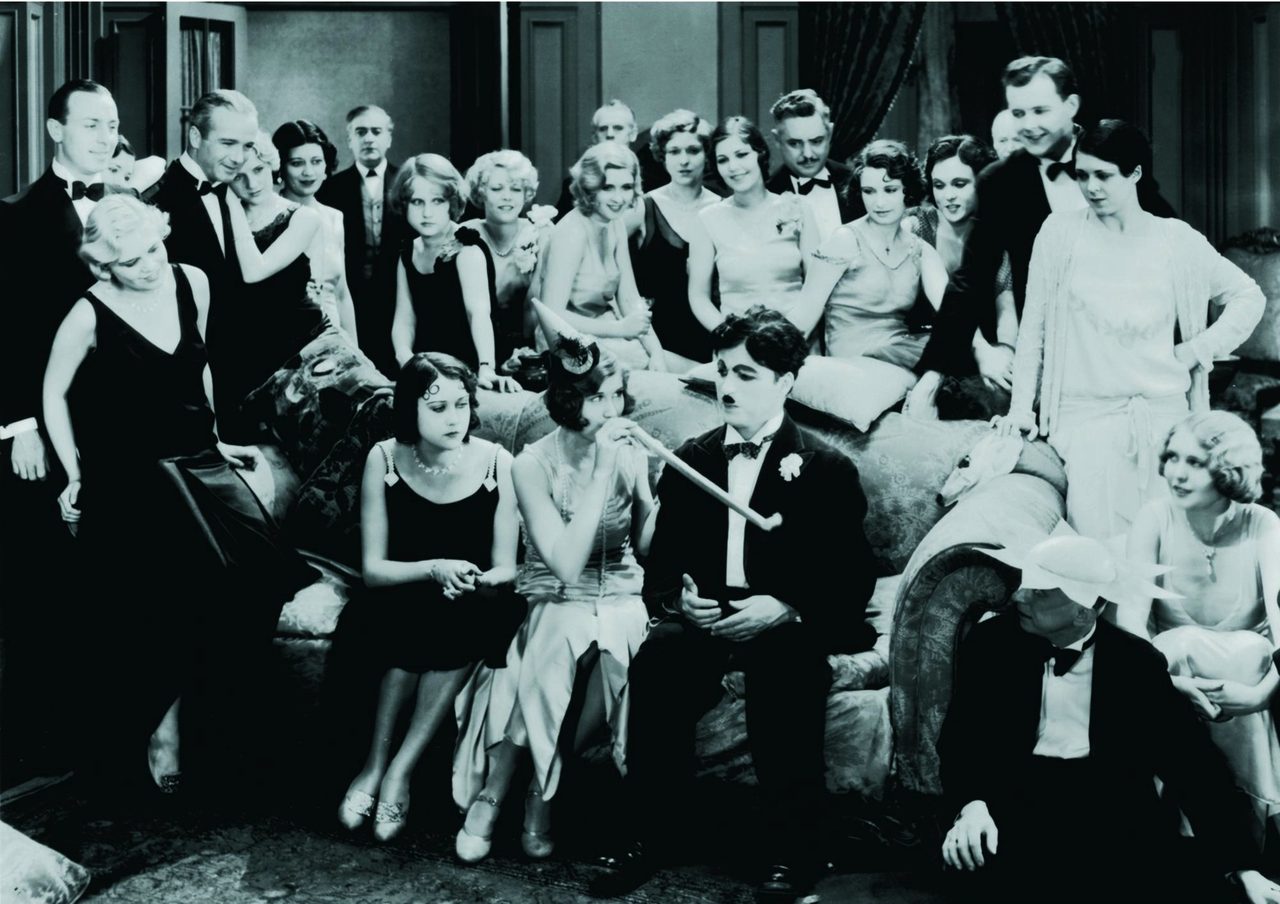
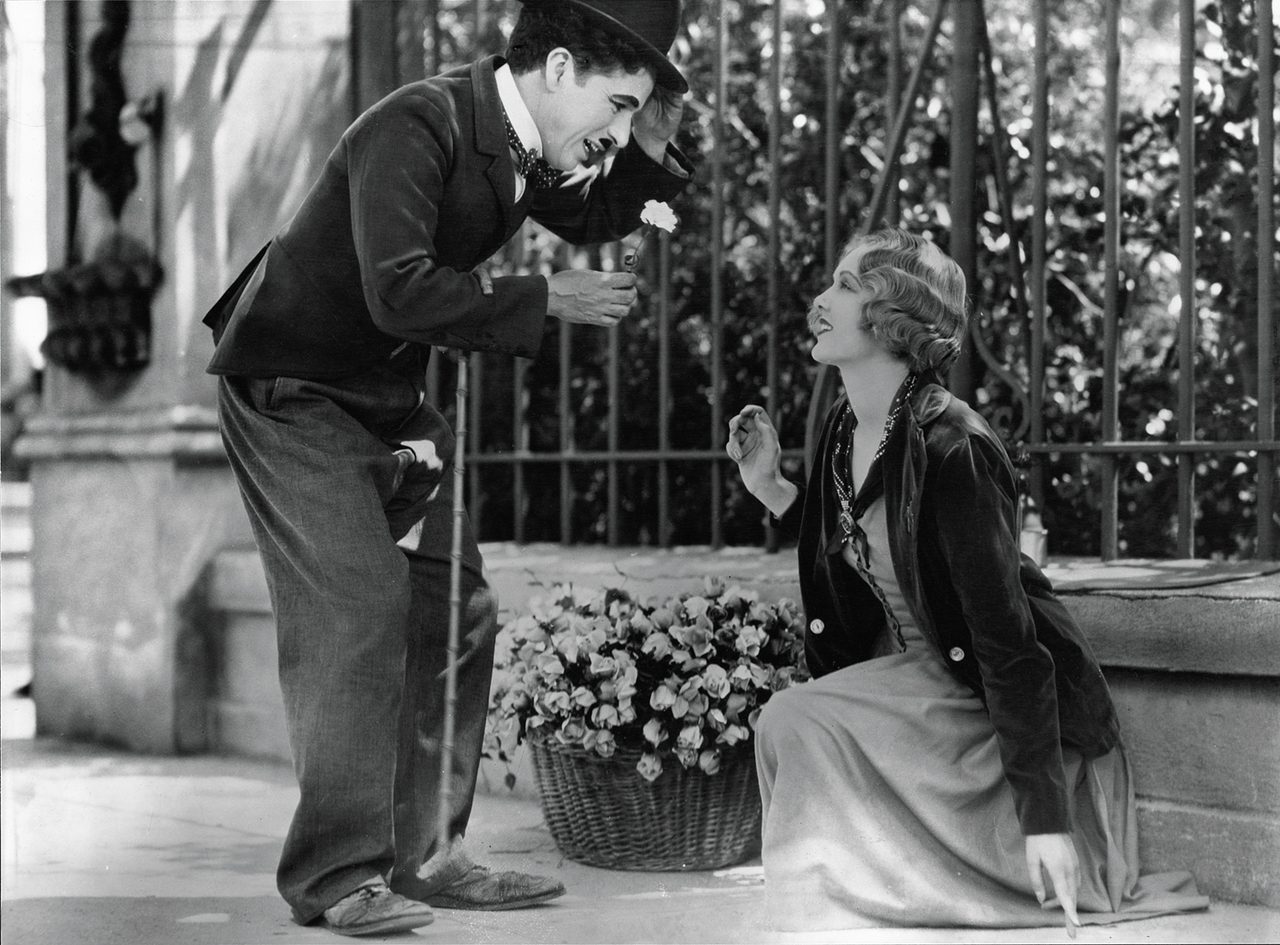
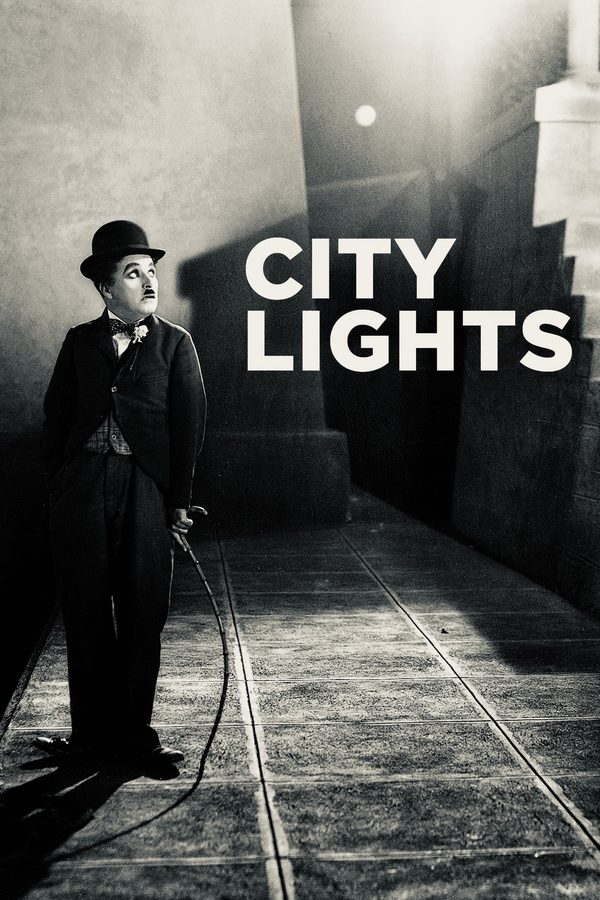
The Little Tramp is found asleep on a newly unveiled monument and escapes the angry crowd. He meets a blind girl selling flowers on a street corner and buys one; when a car door slams as he leaves, she thinks he is rich. That night he stops a drunken millionaire from killing himself, and the man takes him home for champagne and then to a party. In the morning the millionaire gives him money, and he buys all the girl's flowers and gives her a ride home in the millionaire's car.
Cast



Show all 19 cast
- James Donnellyas Street Sweepers' Foreman (uncredited)
- Ray Erlenbornas Newsboy (uncredited)
- Charles Hammondas Street Passerby (uncredited)
- Joseph Herrickas Boxing Match Spectator (uncredited)
- Austen Jewellas Newsboy (uncredited)
- Willie Keeleras Boxer (uncredited)

Did you know?!Facts and trivia about City Lights (1931)
Can contain spoilers, watch the movie first.
- Chaplin fired his leading lady Virginia Cherrill after she asked to leave a shoot early for a hair appointment, replacing her with his Gold Rush co-star Georgia Hale, but he realized too much footage had already been shot to reshoot Cherrill's scenes with someone else.
- Chaplin fired the actor playing the millionaire, Henry Clive, mid-shoot after Clive refused to jump into a tank of cold water for a scene, replacing him with Harry Myers, an actor Chaplin had known since his days at Keystone Studios.
- Chaplin's mother, Hannah Chaplin, died during pre-production in 1928, stopping work for weeks; psychologist Stephen Weissman later argued the film is autobiographical, with the blind flower girl representing Chaplin's mother and the drunken millionaire representing his father.
- Chaplin shot roughly 39 feet of film for every foot that made the final cut, exposing 314,256 feet of footage to produce an 8,093-foot finished film, an extraordinarily high ratio for the era.
- Woody Allen called City Lights Chaplin's best picture and is said to have modeled the closing scene of his own 1979 film Manhattan directly on this film's famous final scene.