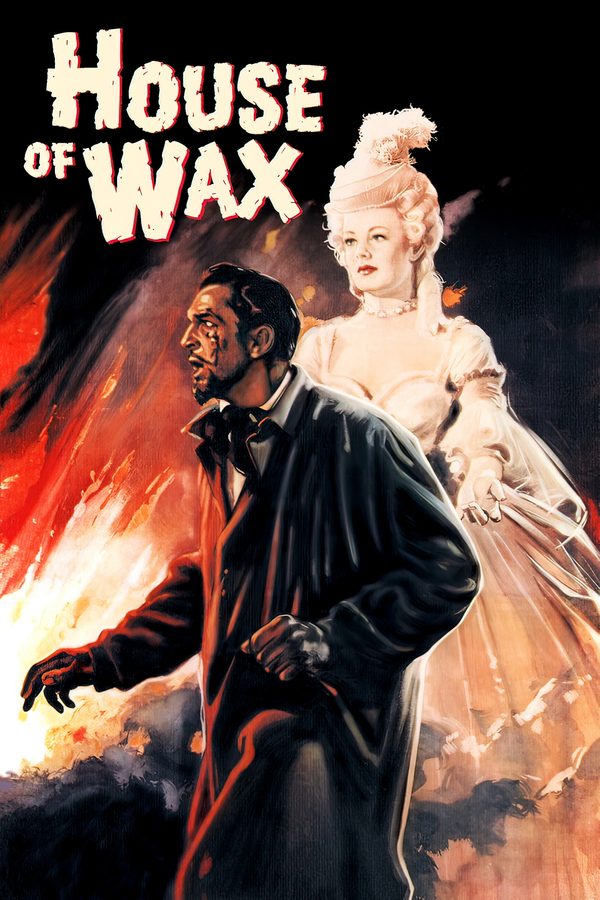
House of Wax (1953) on Netflix
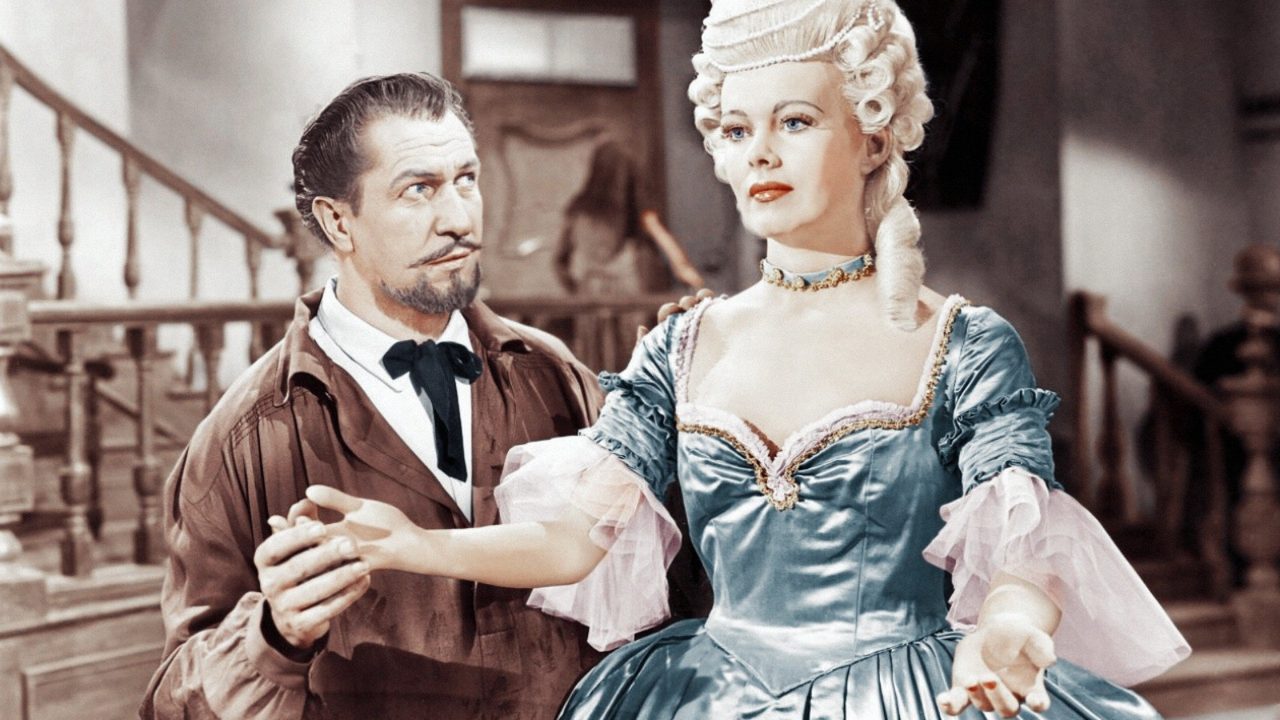
Henry Jarrod's New York wax museum displays historical figures who died violently, and he refuses to sensationalize it. His partner Matthew Burke wants spectacles that draw paying crowds.
- Netflix4.1/5
- IMDb7.0/1022,818 votes
- Rotten Tomatoes95%
Trailer
Plot summary
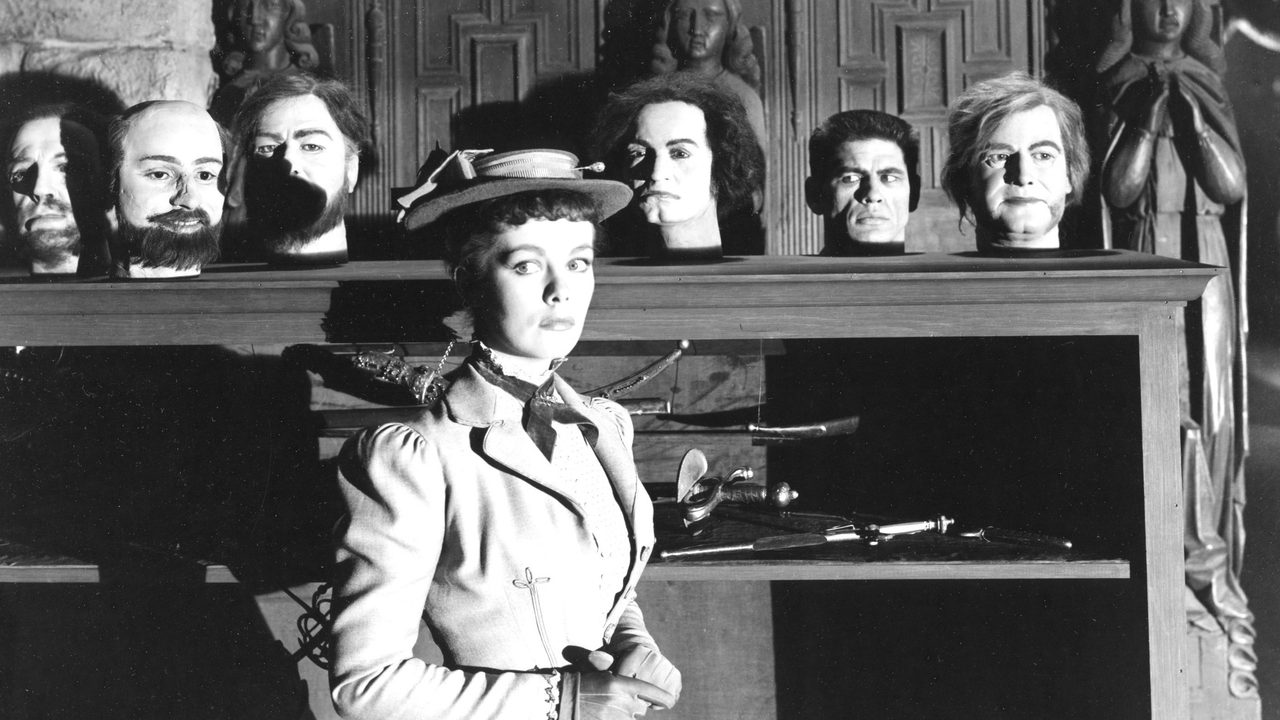
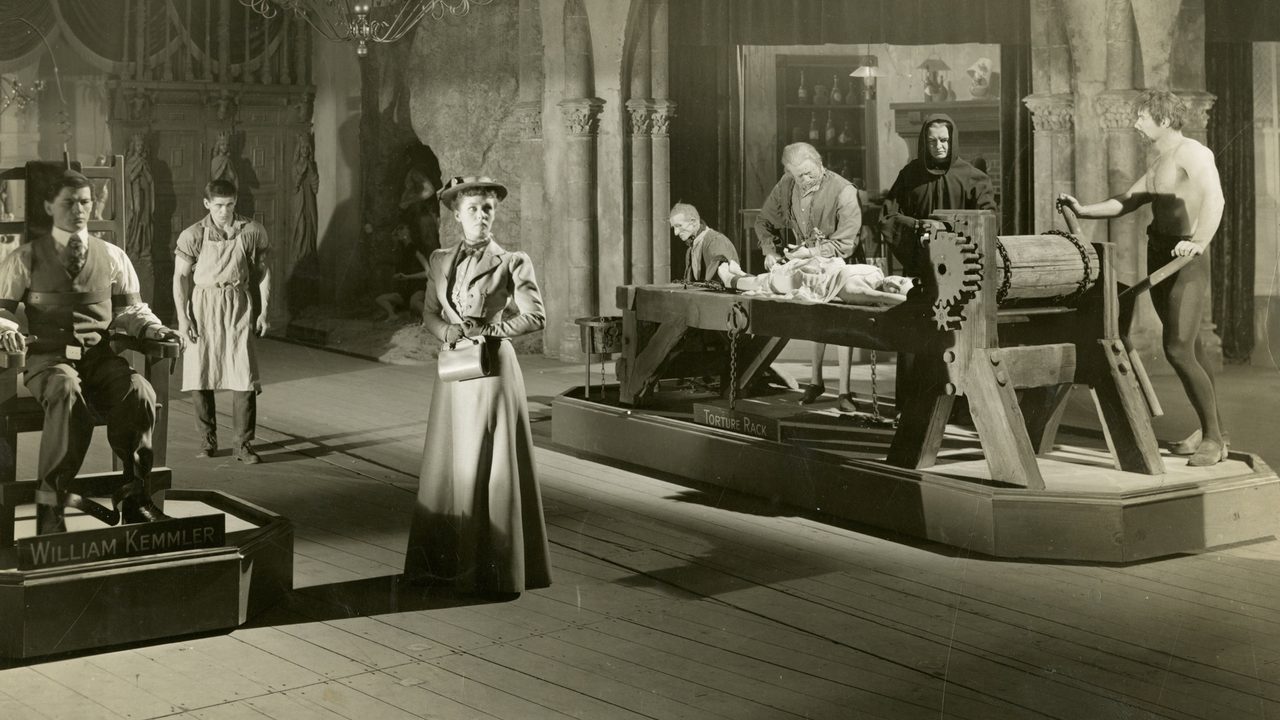
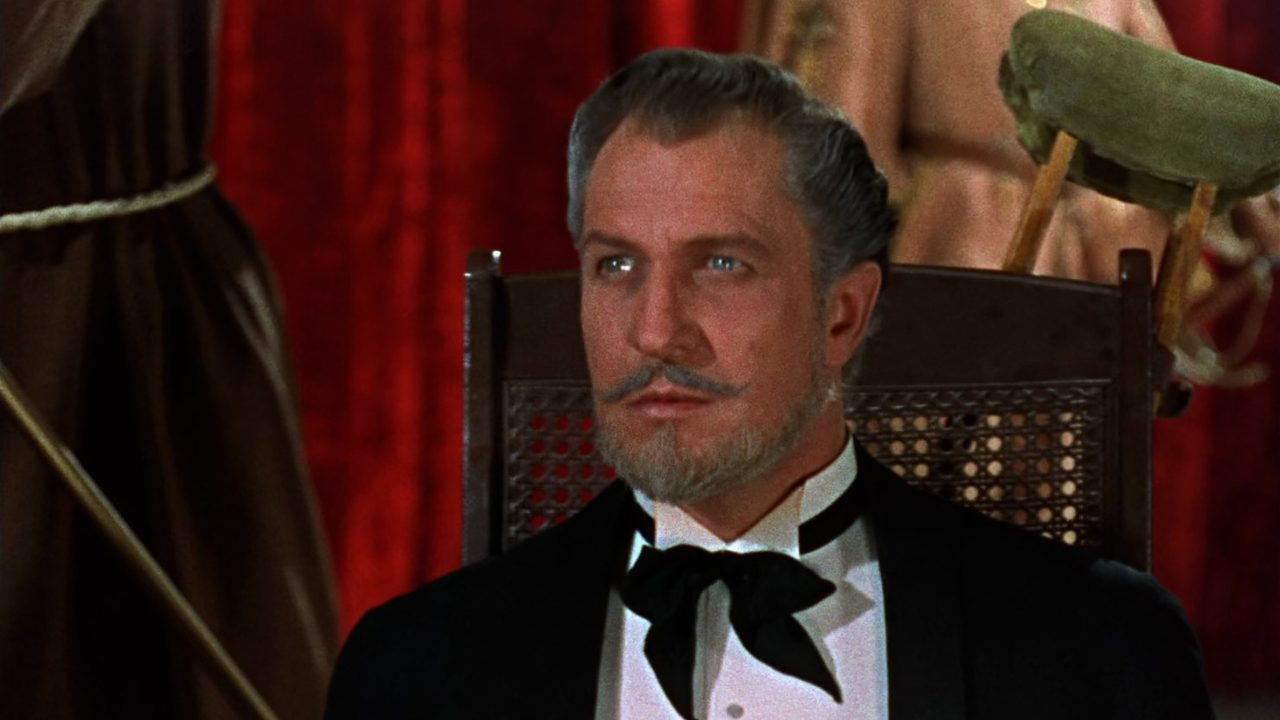
Henry Jarrod, a sculptor in New York City in the early 1900s, fills his wax museum with historical men and women who came to violent ends. Matthew Burke, his business partner, wants to end the arrangement and argues for the kind of shocking displays that pull crowds into rival museums. Jarrod will not change what the museum shows. Sidney Wallace, a wealthy art critic, offers to purchase Burke's share when he comes back from Egypt in three months. Burke is too impatient to wait. He sets the museum on fire for the insurance money. Jarrod tries to stop him and is overpowered.
Cast














Did you know?!Facts and trivia about House of Wax (1953)
Can contain spoilers, watch the movie first.
- House of Wax was the first 3D film with stereophonic sound to be presented in a regular theater, and the first color 3D feature film from a major American studio.
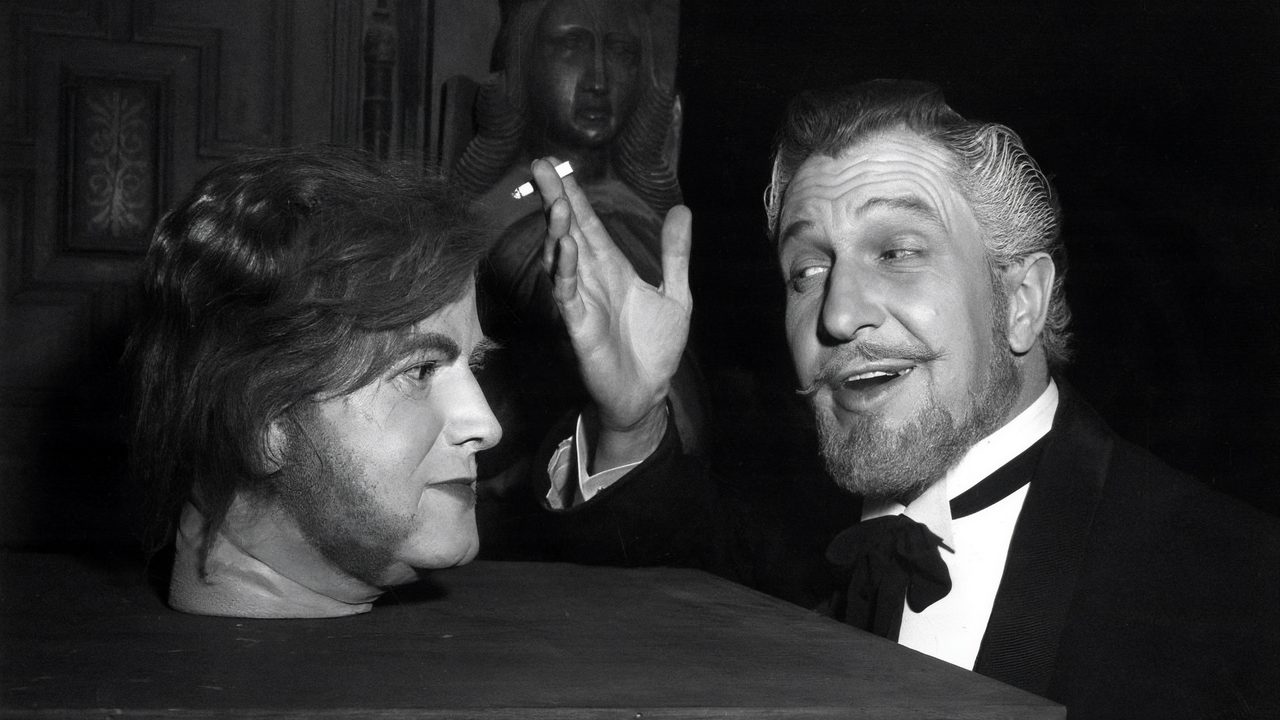
- House of Wax revived the career of Vincent Price, who had spent years in secondary parts; after this role he was in demand for the rest of his career to play fiendish villains, mad scientists and other deranged characters.
- Carolyn Jones had her first credited role in House of Wax and gained a much higher profile more than a decade later when she played Morticia Addams in the TV comedy horror spoof The Addams Family.
- The first 3D screenings of House of Wax included an intermission, needed to change the reels because each of the theater's two projectors carried only one of the stereoscopic images.