Things to Come (1936) on Netflix
In 1940, John Cabal's Christmas in Everytown is overshadowed by talk of war. An air raid that night brings mobilization and a global conflict he joins as a pilot.
- Netflix4.0/5
- IMDb6.6/1010,316 votes
- Rotten Tomatoes93%
Trailer
Plot summary
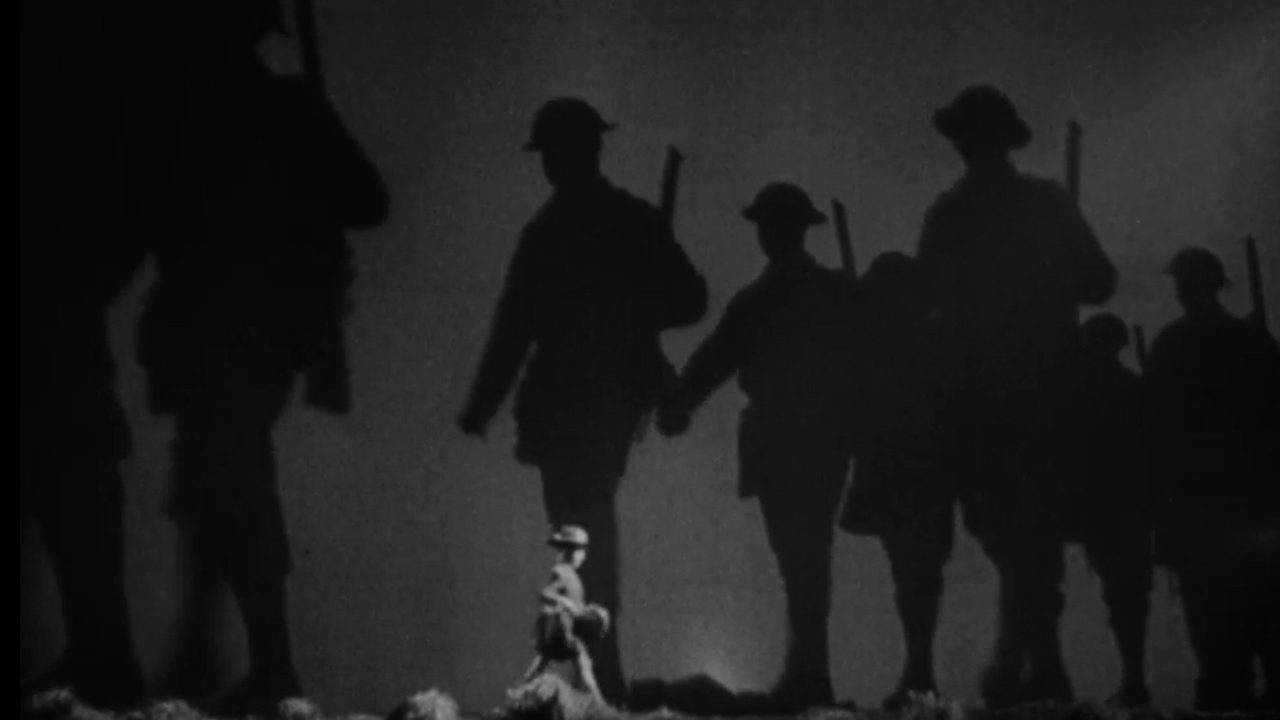
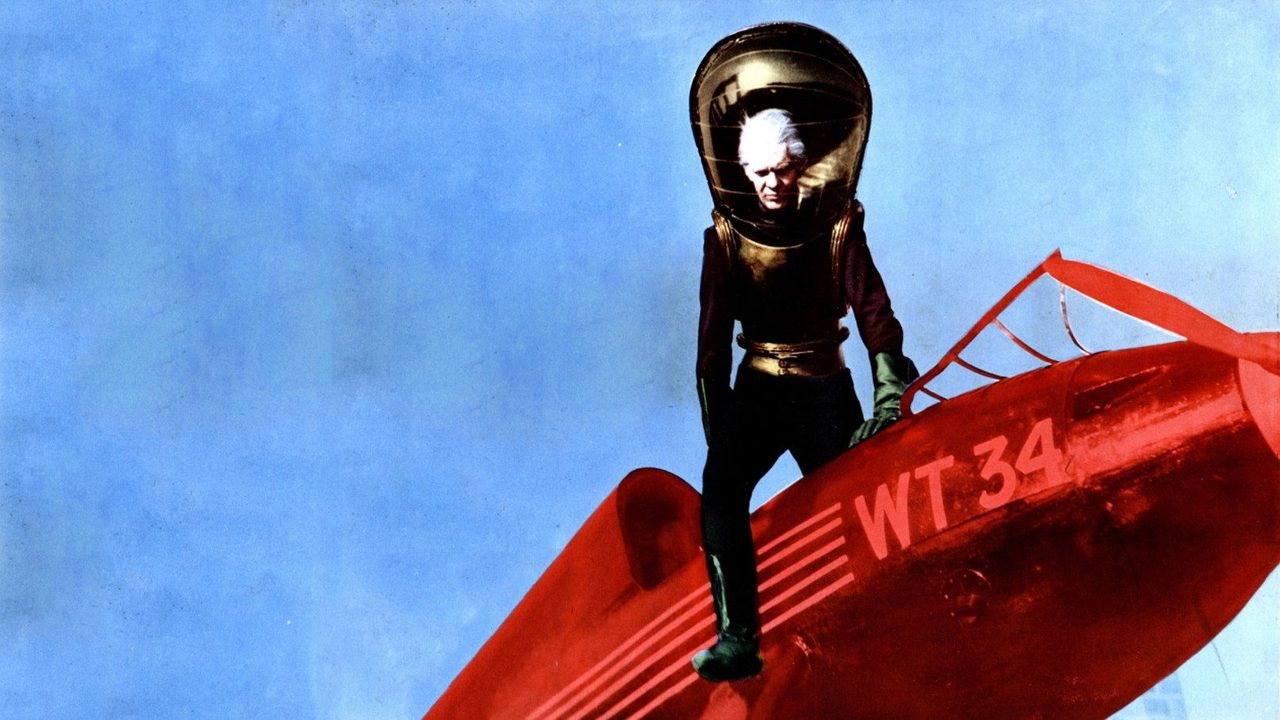
John Cabal's household in Everytown, southern England, keeps Christmas in 1940 while the news carries talk of a coming war. His guest Harding shares his worry, while their friend Pippa Passworthy argues that no war will come and that any conflict would only quicken invention. Bombs fall on Everytown that night, the city mobilizes, and the fighting becomes a global war against an unnamed enemy. Cabal flies for the Royal Air Force. The war grinds on into the 1960s until few remember its cause, and the world slides into a new dark age. Cities lie in ruins, money is worthless, and little technology survives beyond shrunken air forces. A pestilence spread by bombing, the wandering sickness, leaves its victims walking aimlessly before they die, and it kills half of humanity.
Cast










Did you know?!Facts and trivia about Things to Come (1936)
Can contain spoilers, watch the movie first.
- Michael Korda reported that Adolf Hitler, after seeing the film, told Hermann Göring to use it as inspiration for the Luftwaffe, while it also fed Neville Chamberlain's appetite for peace; Wells' work was sometimes blamed for the appeasement policy behind the Munich Agreement.
- After shooting had begun, László Moholy-Nagy, the Hungarian abstract artist, was hired to make effects for the rebuilding of Everytown, treating them partly as an abstract light show. Only about 90 seconds were used, and a researcher found four more discarded sequences in 1975.
- Composer Arthur Bliss wrote the score under H. G. Wells' explicit instructions on its structure, and the film was edited to fit the music. Bliss turned the score into a widely performed concert suite and reused its machine-sequence music in his ballet Checkmate.
- The film's plague, the "walking sickness", was described by H. G. Wells as analogous to gid, the disease that afflicts sheep.