The Unbearable Lightness of Being (1988) on Netflix
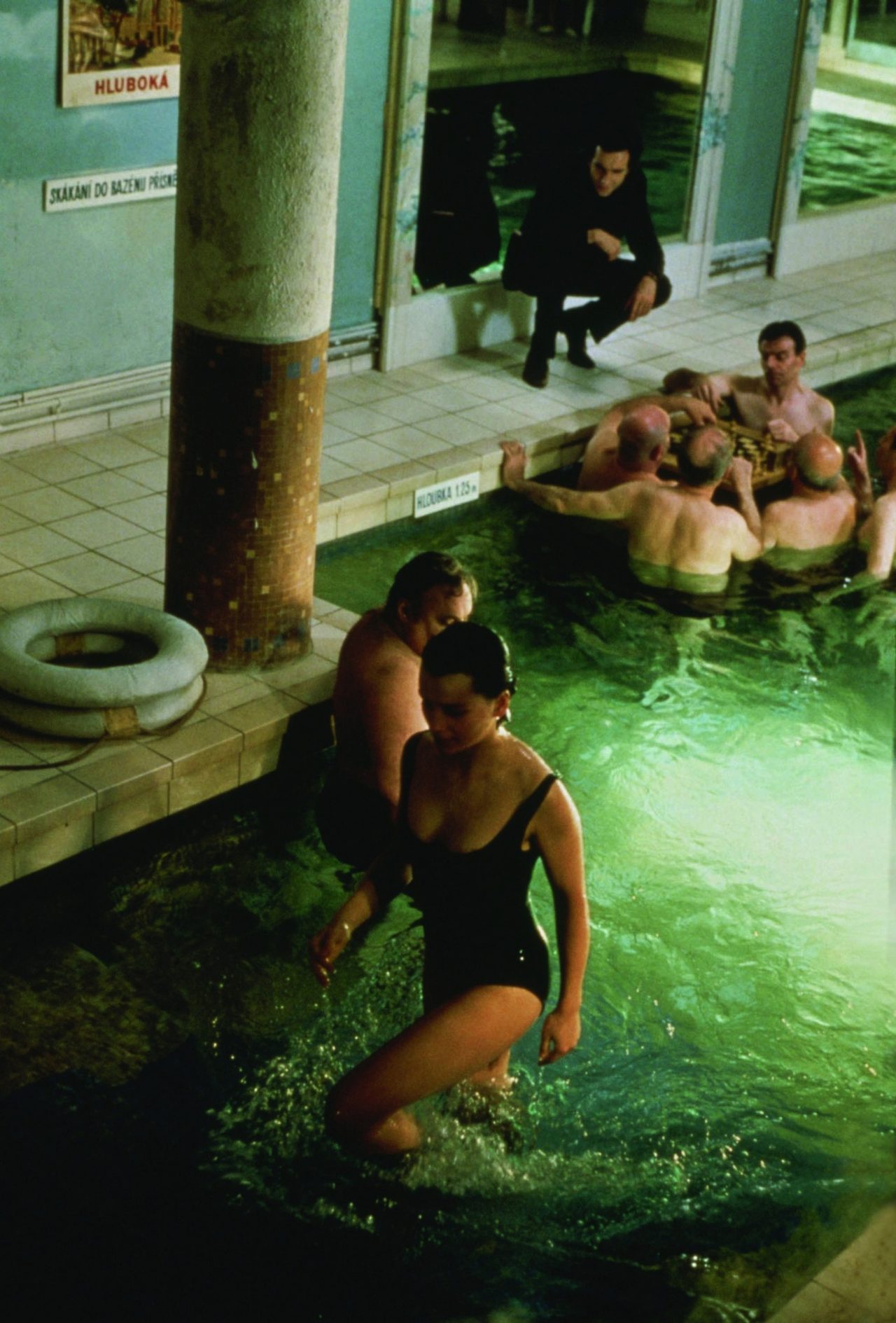
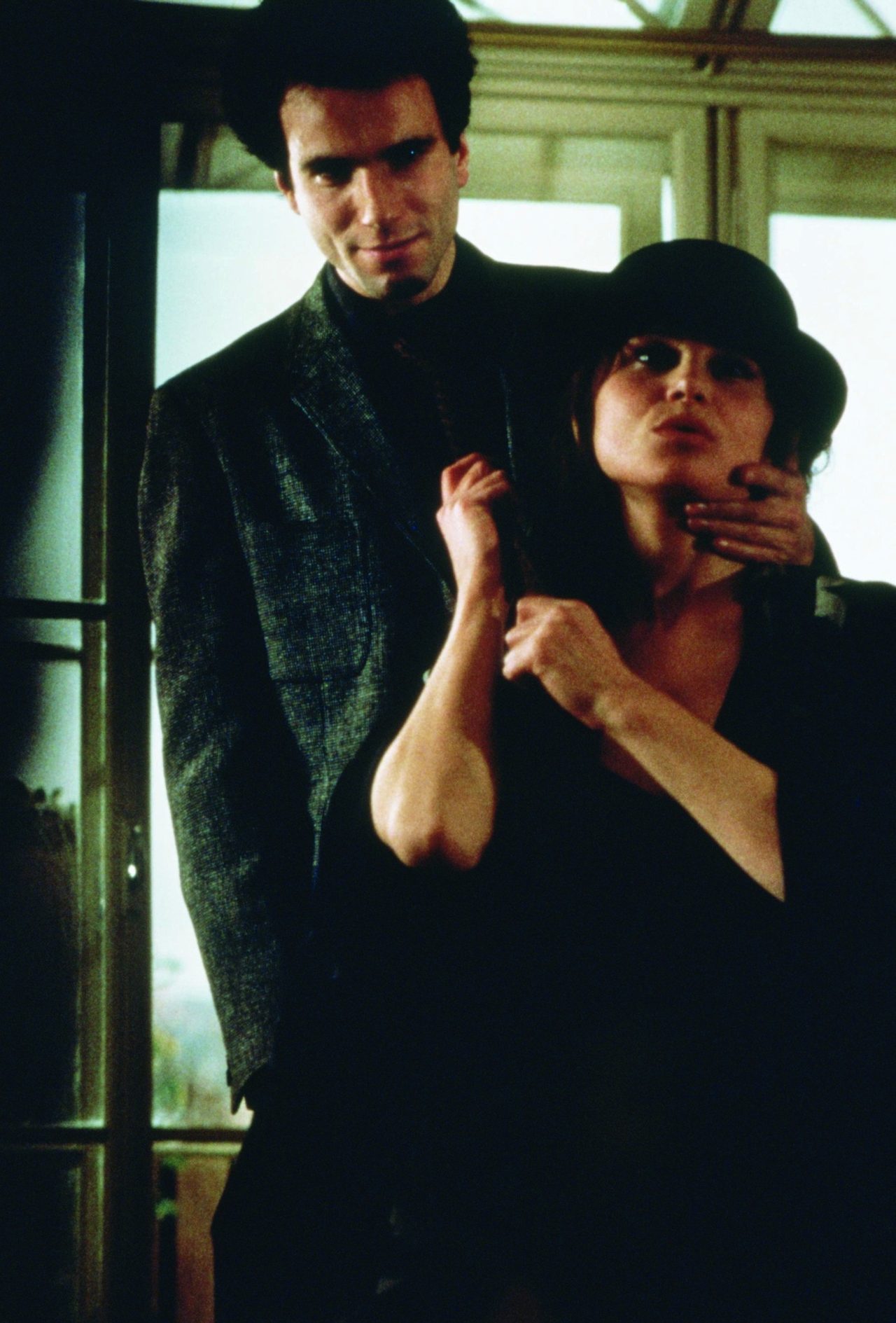
In communist Czechoslovakia, Tomas, a brain surgeon, keeps an affair with Sabina, an artist in Prague. On a trip to a spa town he meets Tereza, a dissatisfied waitress.
- Netflix3.5/5
- IMDb7.2/1041,044 votes
- Rotten Tomatoes87%
Trailer

Plot summary
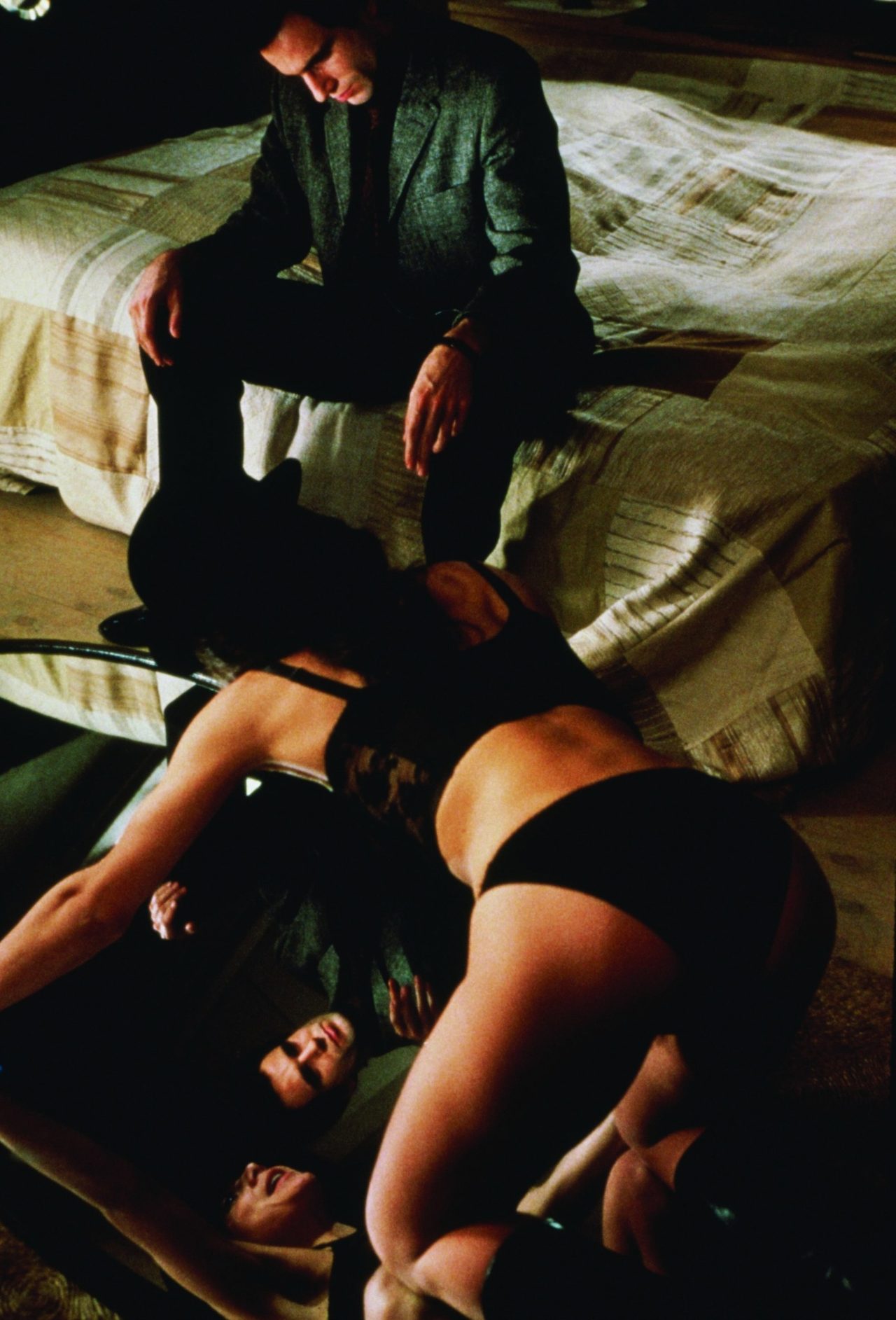
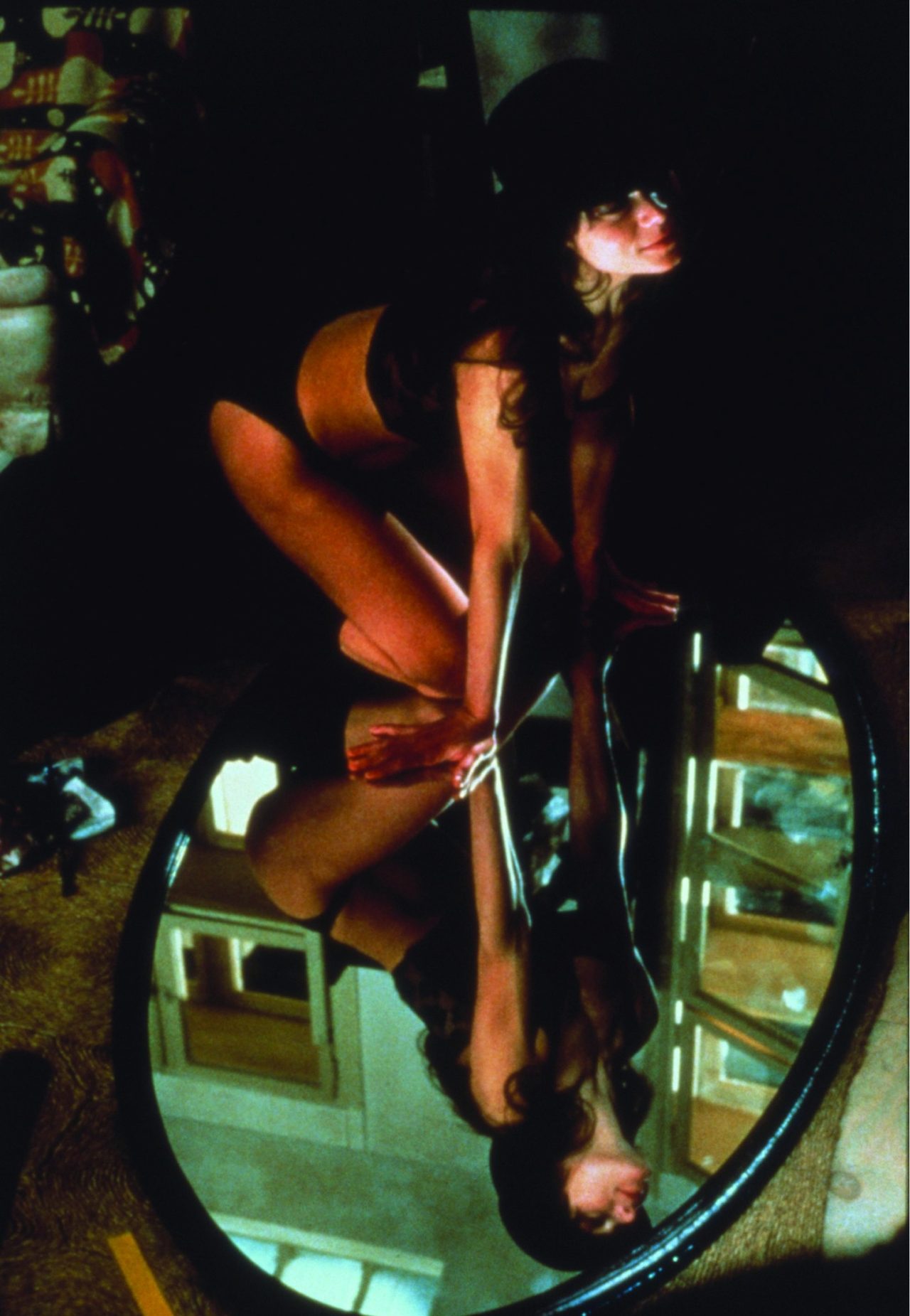
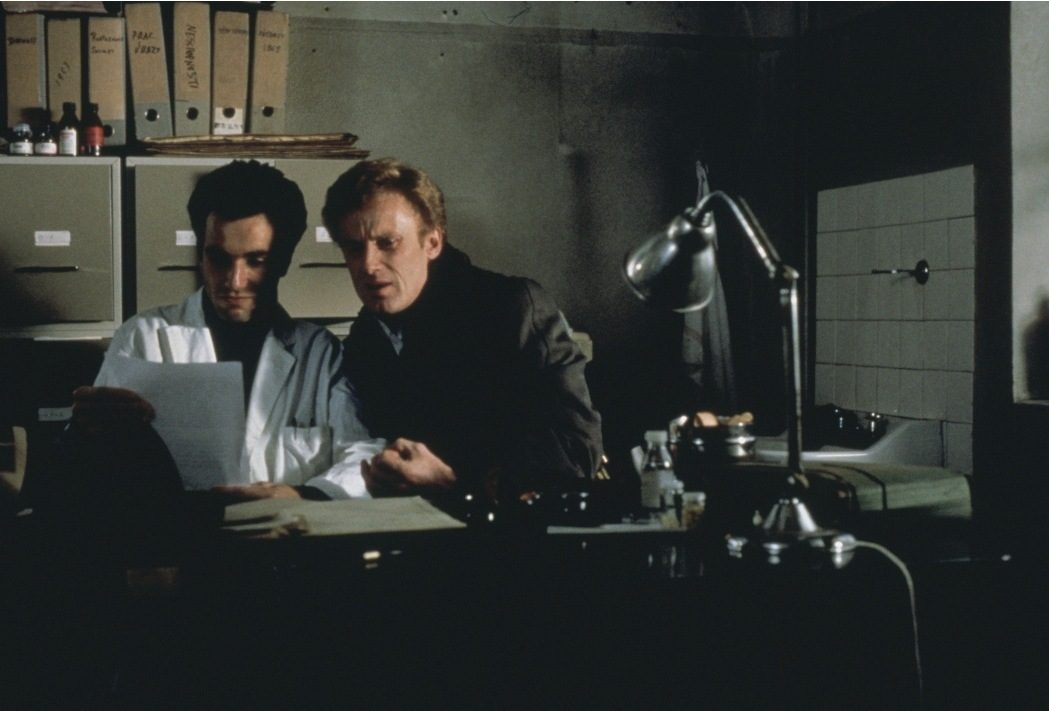
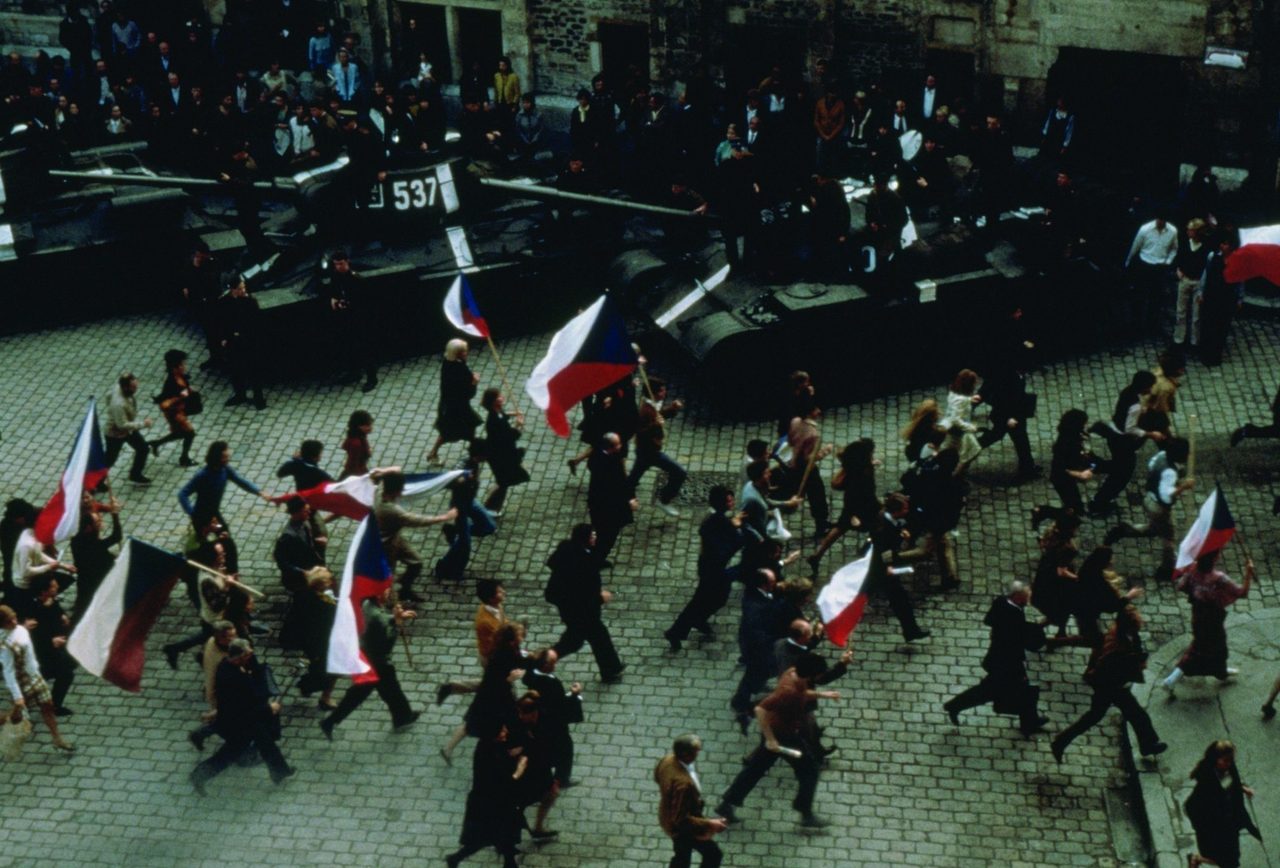
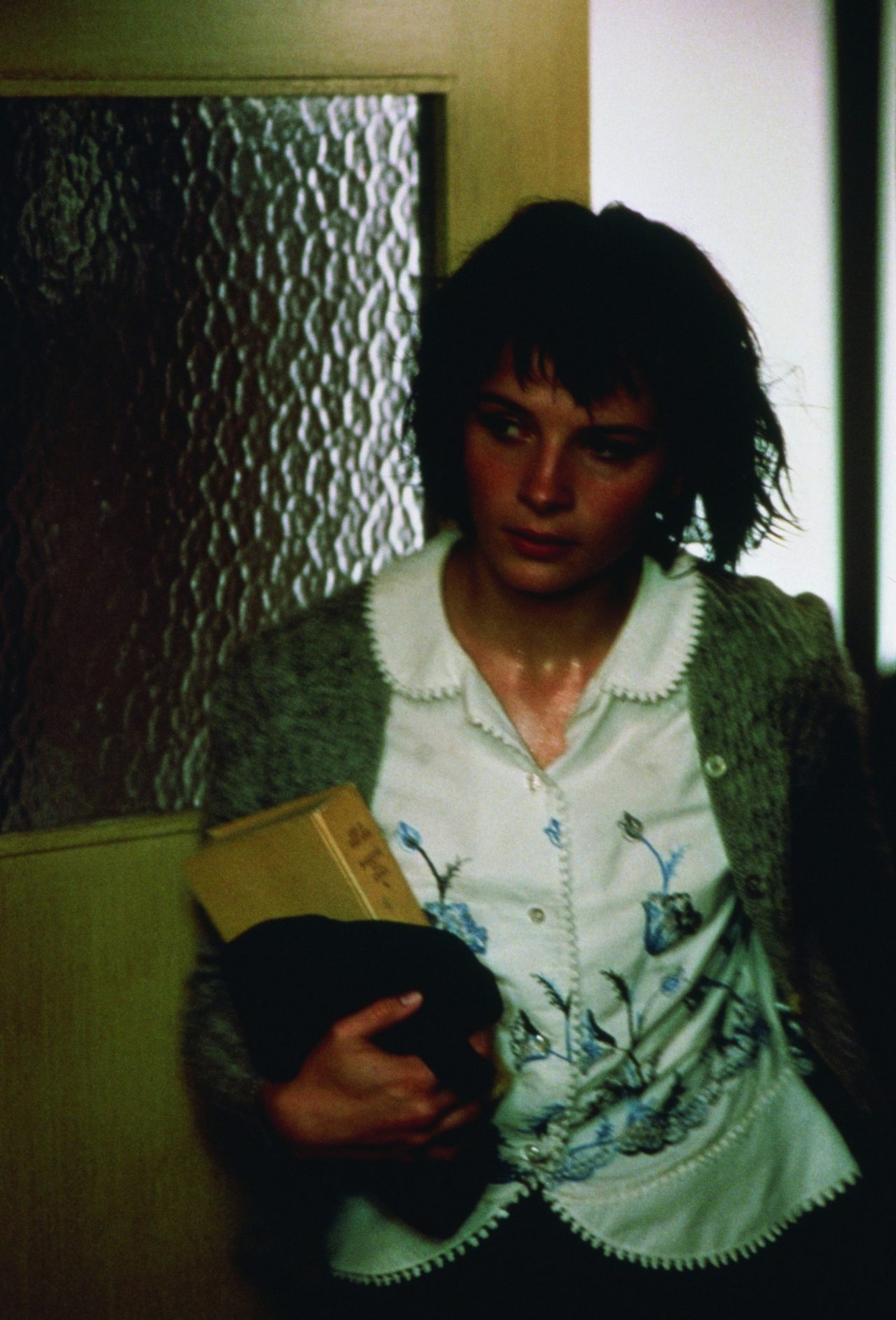
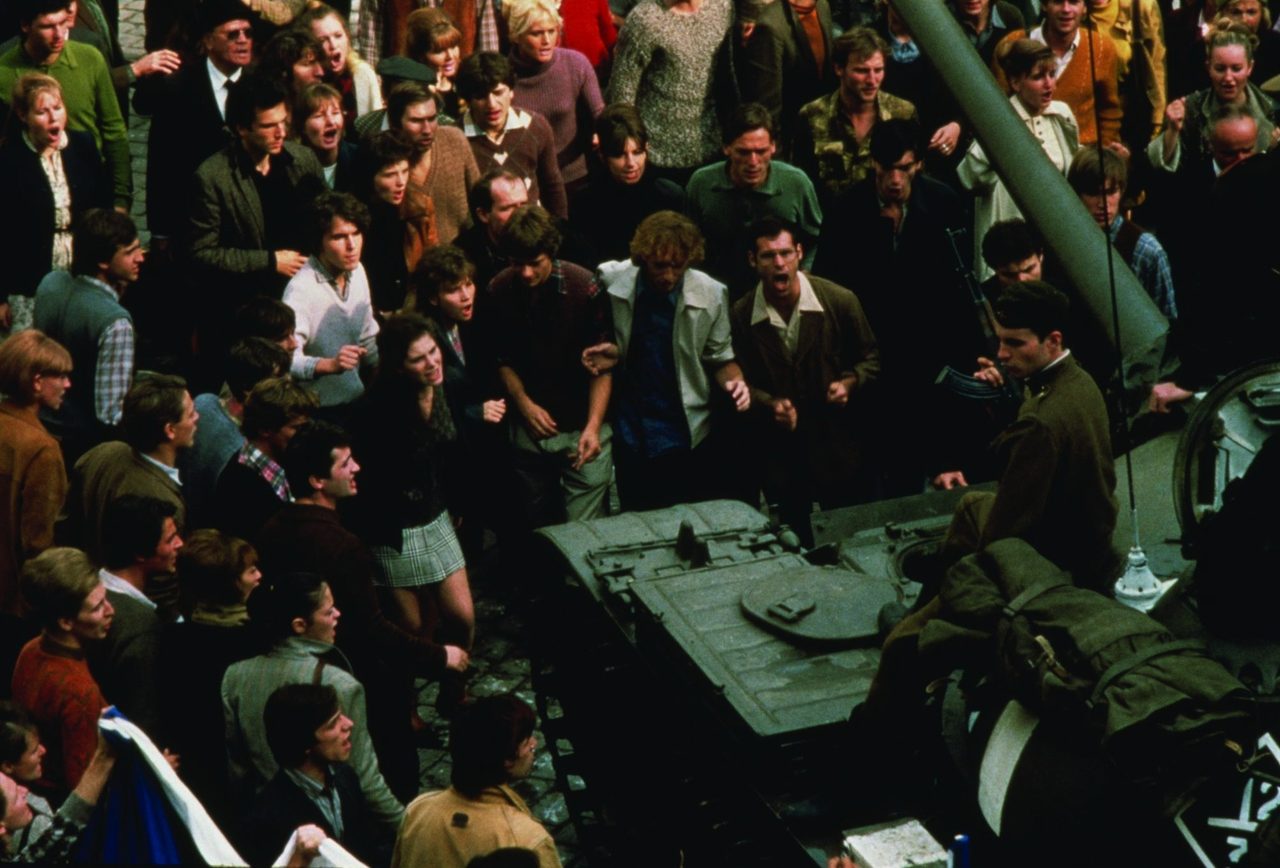
Tomas practices brain surgery in communist Czechoslovakia and keeps a lover in Prague, the artist Sabina. A trip to a spa town for a specialized operation brings him Tereza, a dissatisfied waitress, and she seeks him out in Prague and moves into his flat. He asks Sabina to help her find work as a photographer. Tereza is fascinated by Sabina and jealous of her at the same time, and the two women grow close. Tomas marries Tereza, but his other women keep her unhappy. When Soviet troops enter the country, she photographs the demonstrations and gives the film to foreigners who carry it out.
Cast











Did you know?!Facts and trivia about The Unbearable Lightness of Being (1988)
Can contain spoilers, watch the movie first.
- Kundera served as an active consultant during the making of the film, and wrote the poem that Tomas whispers into Tereza's ear as she is falling asleep specifically for the film rather than taking it from his novel.
- In a note to the Czech edition of the book, Kundera remarked that the movie had very little to do with the spirit either of the novel or the characters in it, and said that after this experience he no longer allows any adaptations of his work.
- The scene in which Tomas has sex with a woman while cleaning windows was shot in the then unrestored Hôtel de Beauvais in the 4th arrondissement of Paris, now the Administrative Appeal Court.
- The film was nominated for two Academy Awards, Jean-Claude Carrière and Philip Kaufman for Best Adapted Screenplay and Sven Nykvist for Best Cinematography, and the American Film Institute listed it 87th in its 2002 list AFI's 100 Years...100 Passions.