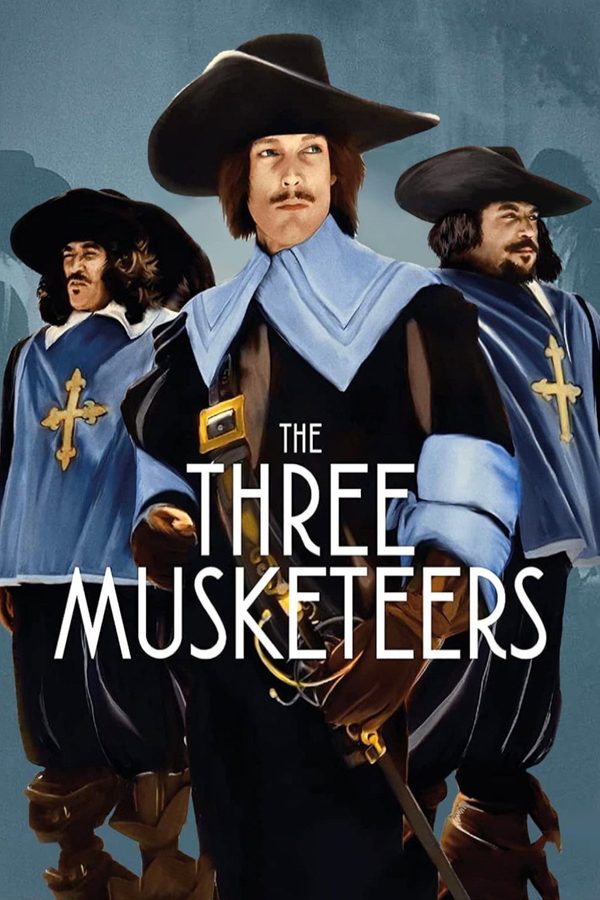
Trailer
Plot summary
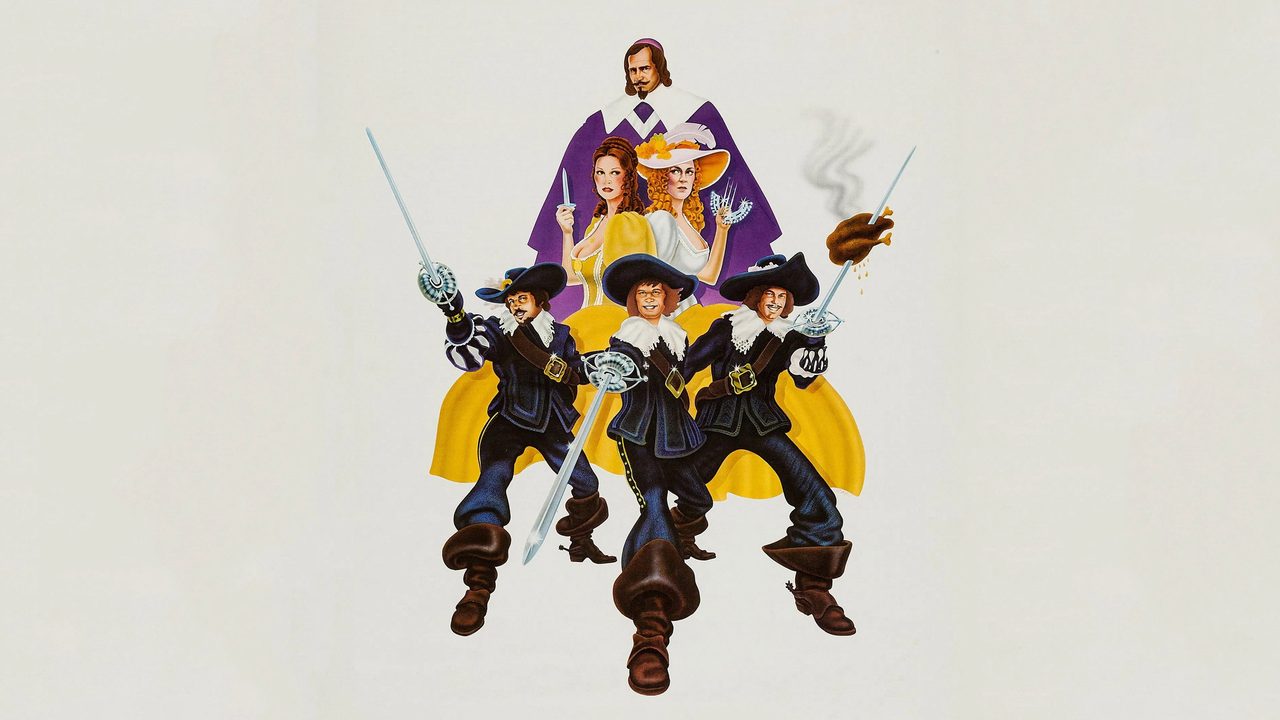
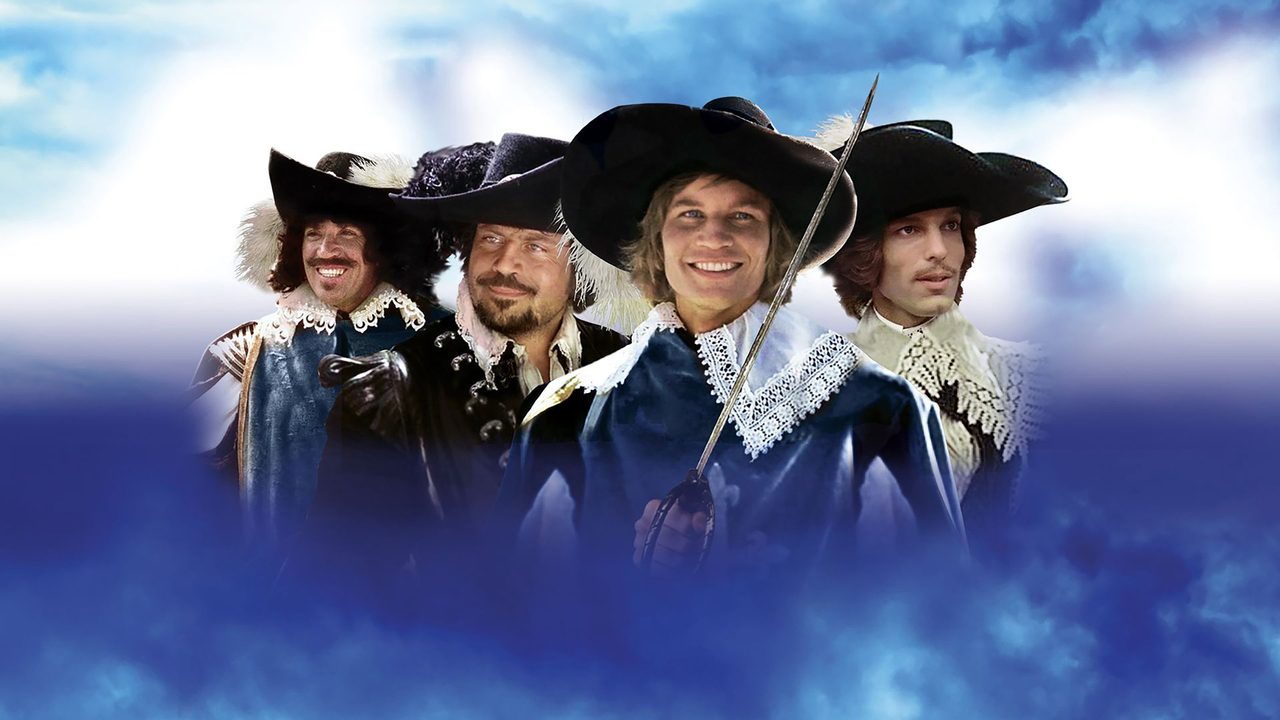
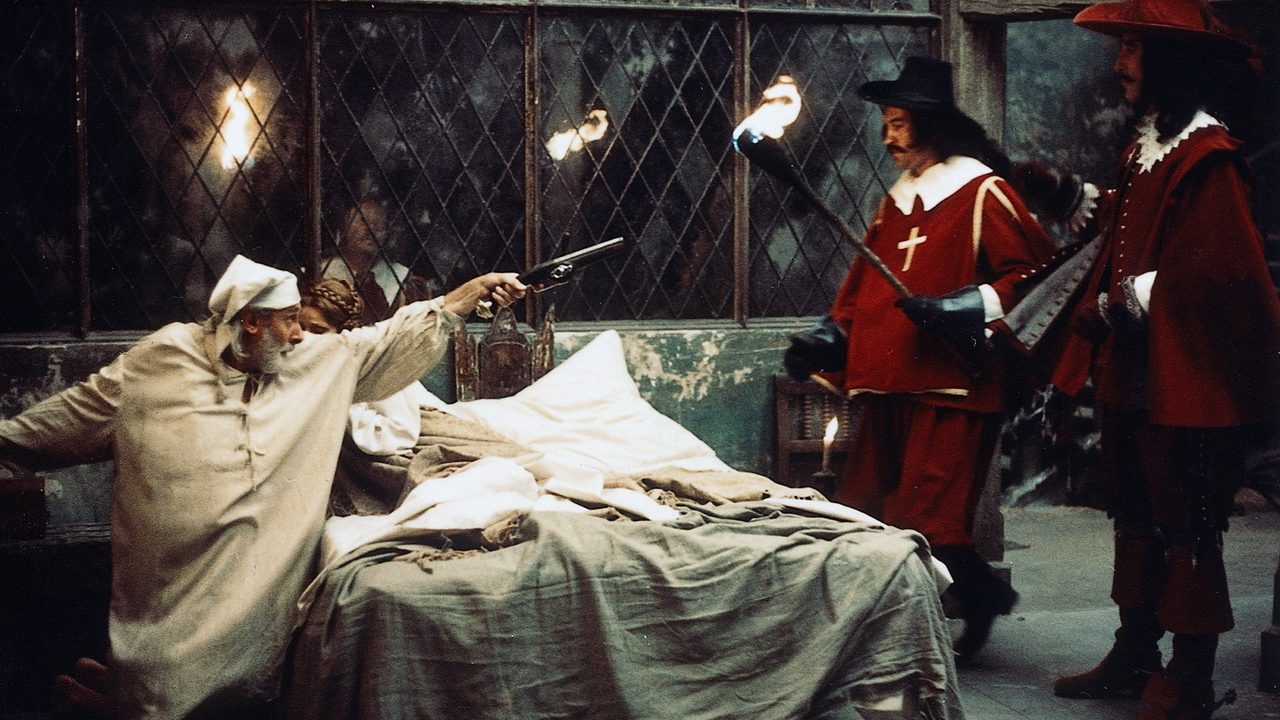
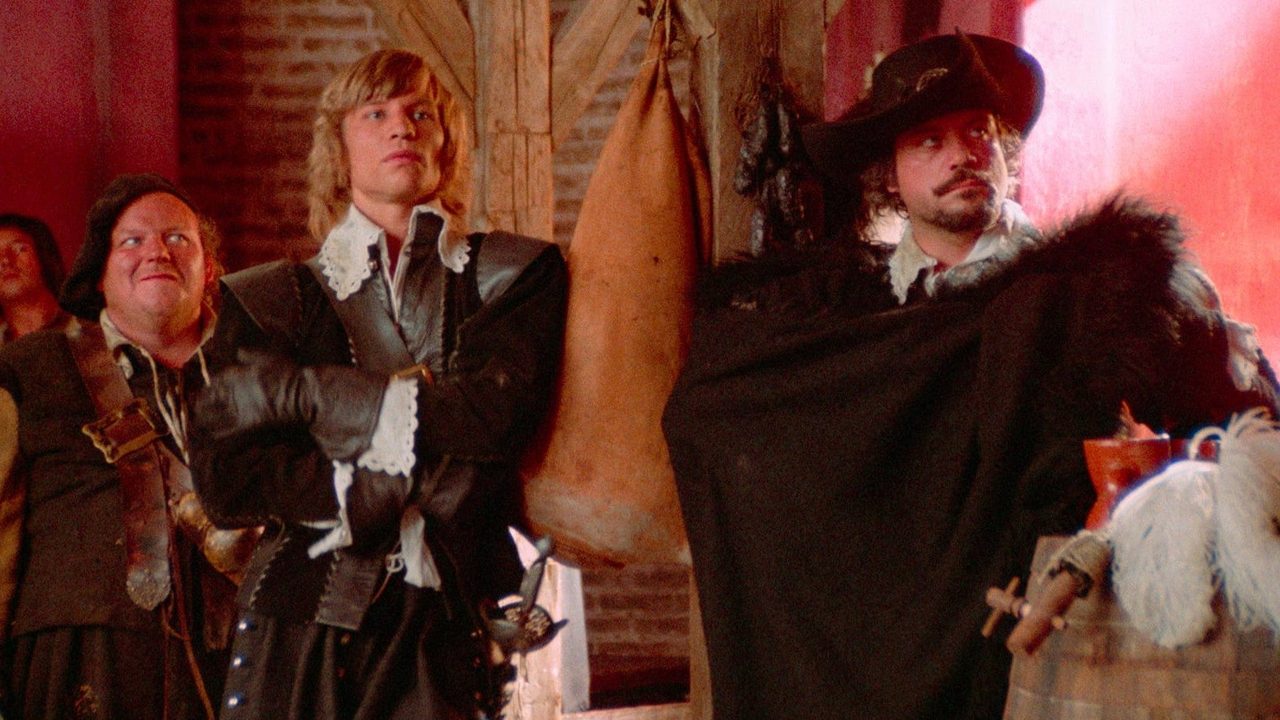
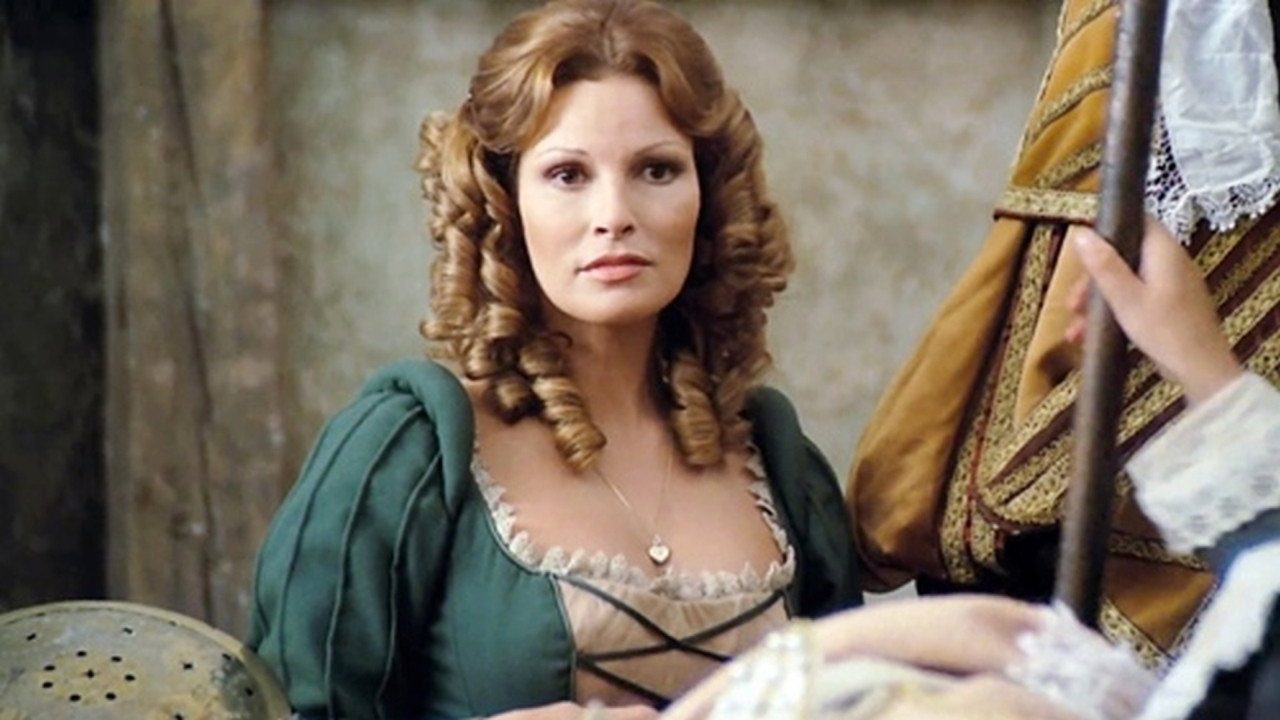
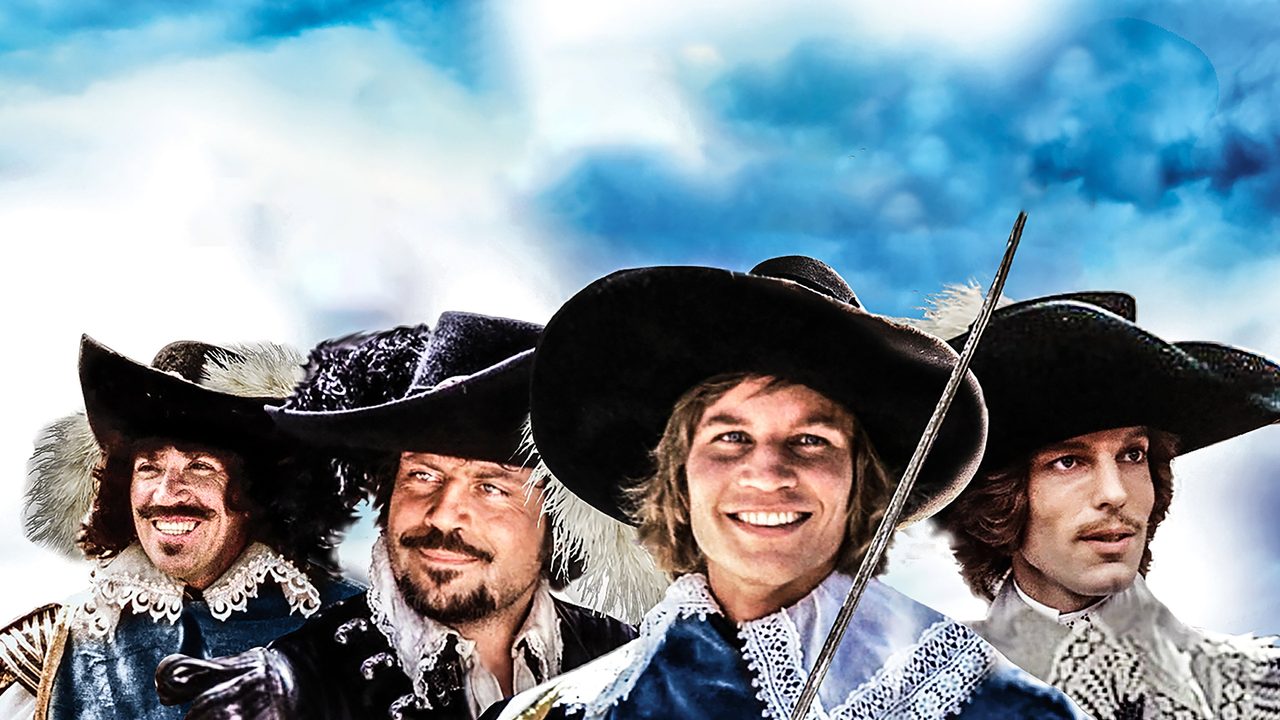
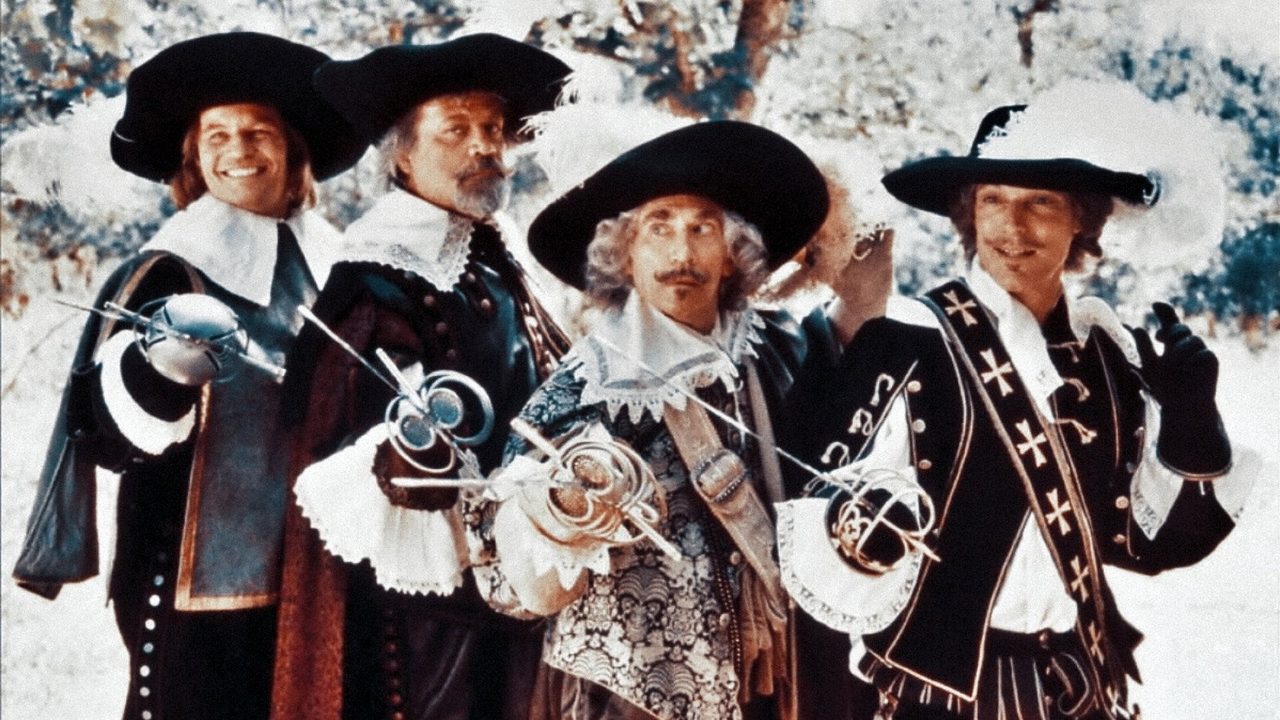
Trained in swordsmanship by his father, D'Artagnan arrives in Paris hoping to join the King's Musketeers, and his first days in the city bring him trouble. The Comte de Rochefort, an agent of Cardinal Richelieu, insults him, knocks him out and robs him. Then he offends three musketeers, Athos, Porthos and Aramis, and each demands a duel. At the first of those meetings Jussac arrives with five swordsmen of the cardinal's guard, and D'Artagnan sides with the musketeers against the cardinal, who wants more power over King Louis XIII. He also begins an affair with Constance de Bonancieux, the wife of his landlord and dressmaker to Queen Anne of Austria.
Cast












Did you know?!Facts and trivia about The Three Musketeers (1973)
Can contain spoilers, watch the movie first.
- Because the actors and crew were paid for one film and their contracts said nothing about a second, they filed lawsuits over sequel salaries; the Screen Actors Guild then required all actors' contracts to carry the "Salkind clause" (named for producers Alexander and Ilya Salkind), barring a single production from being split into installments without prior agreement.
- The Salkinds briefly considered casting the Beatles as the Musketeers and hired Richard Lester because he had directed them in A Hard Day's Night and Help!; the Beatles idea fell by the wayside but Lester stayed on the film.
- The Three Musketeers was intended to be a three-hour epic with an intermission, but during production it was decided it could not make its announced release date that way, so it was split into two shorter features, the second becoming The Four Musketeers (1974).
- Richard Lester suggested Charlton Heston play Cardinal Richelieu, a part Heston called so far outside his usual range it had not occurred to him, and Heston agreed when the director promised all his scenes could be shot in ten days.
- In August 1973 Raquel Welch withdrew from the film over creative and artistic differences and announced she would instead make Decline and Fall of a Very Nice Lady, but she rejoined the production.
- The film was meant to be shot in Hungary, but after visiting the country Richard Lester judged it unworkable, partly because of the government's restrictions on filming, and it was shot in Spain over seventeen weeks.
- Composer Michel Legrand had only about a week and a half to write the film's score, according to director Richard Lester.