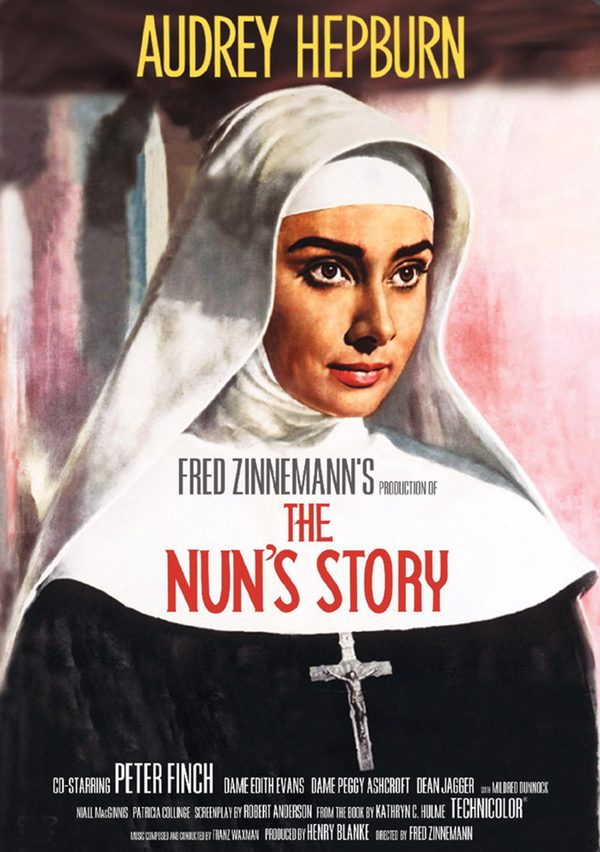
The Nun's Story (1959) on Netflix
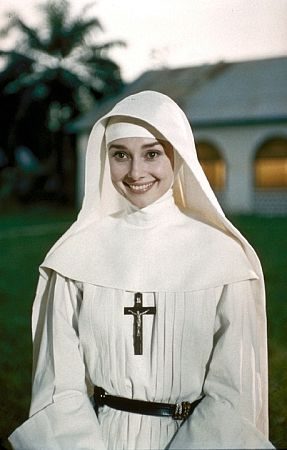
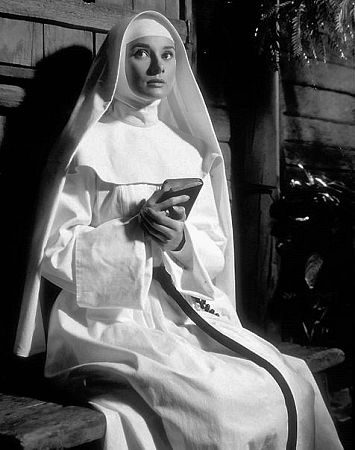
Gabrielle van der Mal enters a convent of nursing sisters and takes the name Sister Luke. She hopes to serve in the Belgian Congo, but the vow of obedience tests her.
- Netflix3.7/5
- IMDb7.5/1012,857 votes
- Rotten Tomatoes85%
Trailer

Plot summary
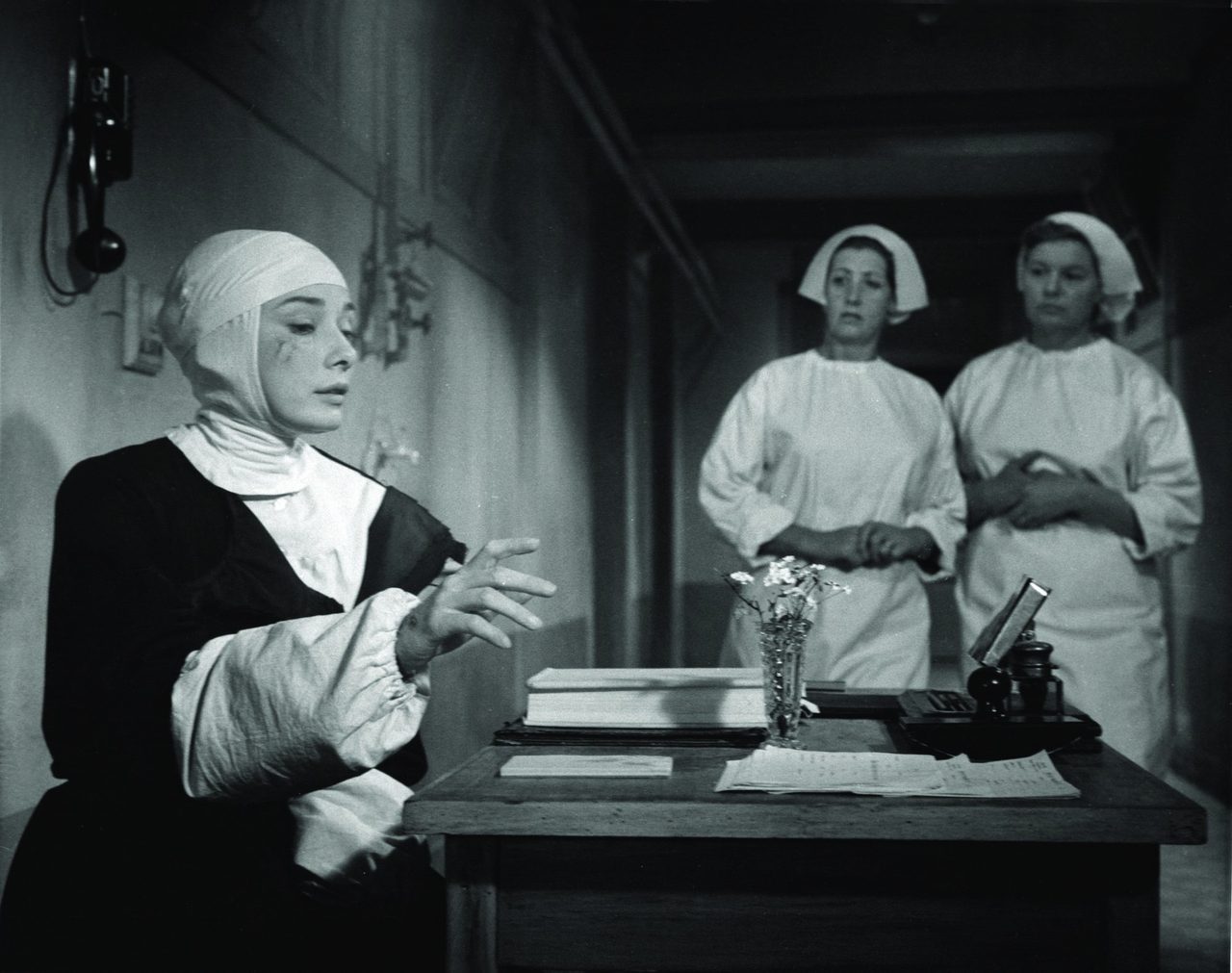
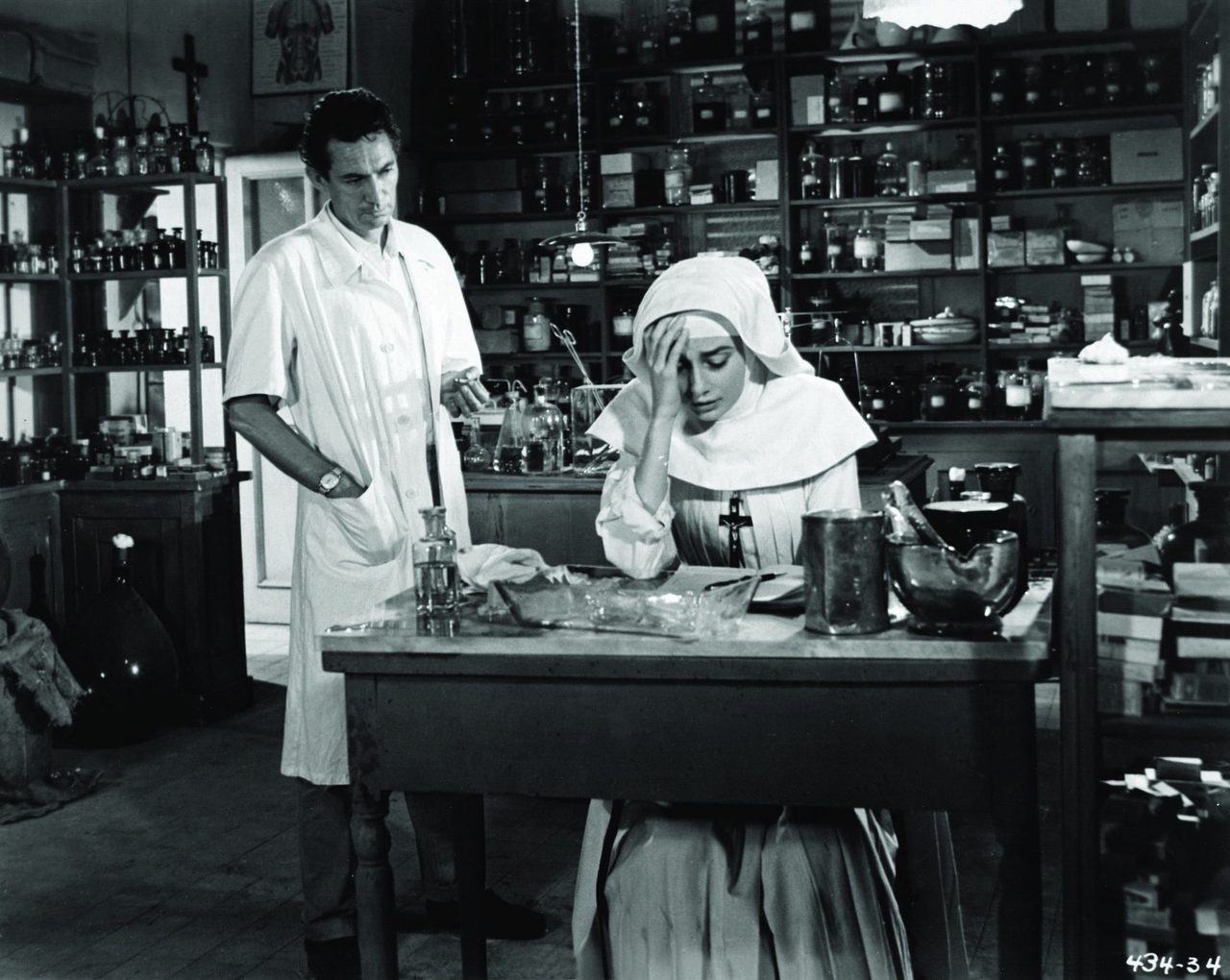
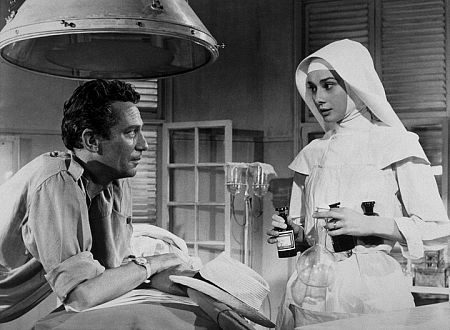
In Belgium in the late 1920s, Gabrielle van der Mal is the daughter of Hubert van der Mal, a prominent surgeon. She enters a convent of nursing sisters, wanting to work in the Belgian Congo, and receives the religious name Sister Luke. Her postulancy and novitiate already hint at the trouble she will have with the rule of obedience. After her first vows she studies tropical medicine in Antwerp, finishing fourth among eighty students in her class. A weaker student accuses her of pride, and the local superior makes a startling suggestion: that she fail her oral examination on purpose, to show humility. She is sent instead to a European mental hospital, where she cares for violent and difficult patients.
Cast


Show all 20 cast
- Patricia Bosworthas Simone (Postulant who changed her mind)
- Molly Urquhartas Sister Augustine


Did you know?!Facts and trivia about The Nun's Story (1959)
Can contain spoilers, watch the movie first.
- Before the novel had even been published, Warner Bros. handed a 20-page synopsis to Jack Vizzard of the Production Code Office. He demanded only two changes, objecting to the scene in which a mental patient tears off Sister Luke's clothes and to a discussion of anal suppositories, while wondering whether the story would alienate Catholics.
- The Catholic Church in Belgium considered the book injurious to religious vocations and refused to cooperate with the film in any form. Producer Henry Blanke's team had to win over auxiliary bishop Leo Joseph Suenens, with Jack Vizzard working his European contacts after recovering from a car accident and Father Leo Lunders smoothing the talks.
- A priest had a say in the casting. In September 1957 Father Leo Lunders asked Warner Brothers' Belgian office who would play Doctor Fortunati, then objected to the studio's proposals of Montgomery Clift and Raf Vallone and asked for someone older.
- The Sisters of Charity of Jesus and Mary in Ghent gave the production a long list of objections and their own version of the script. They did not want their signaling clickers shown, fearing European audiences would find them strange or comic, and although they allowed the film-makers to observe them they refused to appear on camera.
- Almost nobody making this film about convent life was Catholic: director Fred Zinnemann was Jewish, Audrey Hepburn and Edith Evans were Christian Scientists, writer Robert Anderson was Protestant and Peggy Ashcroft was agnostic. The leading actresses were embedded in Assumptionist convents in Paris before principal photography.
- To prepare, Audrey Hepburn spent a great deal of time with novelist Kathryn Hulme and Marie Louise Habets, the woman who inspired the book. The three became known as "The 3-H Club", and Yale University's Hulme collection holds 37 letters between the author and the production.
- Hepburn and Habets discovered they had a great deal in common: Belgian roots, fathers they lost touch with during the Second World War and brothers imprisoned by the Germans. Habets later helped nurse Hepburn back to health after the actress's near-fatal fall from a horse on the 1960 film The Unforgiven.
SPOILER
Zinnemann said that composer Franz Waxman's dislike of the Catholic Church was conspicuous in his early drafts of the score, and that this is part of why the final scene carries no music at all, an uncommon choice for the era. Zinnemann had wanted the film to end in silence anyway.