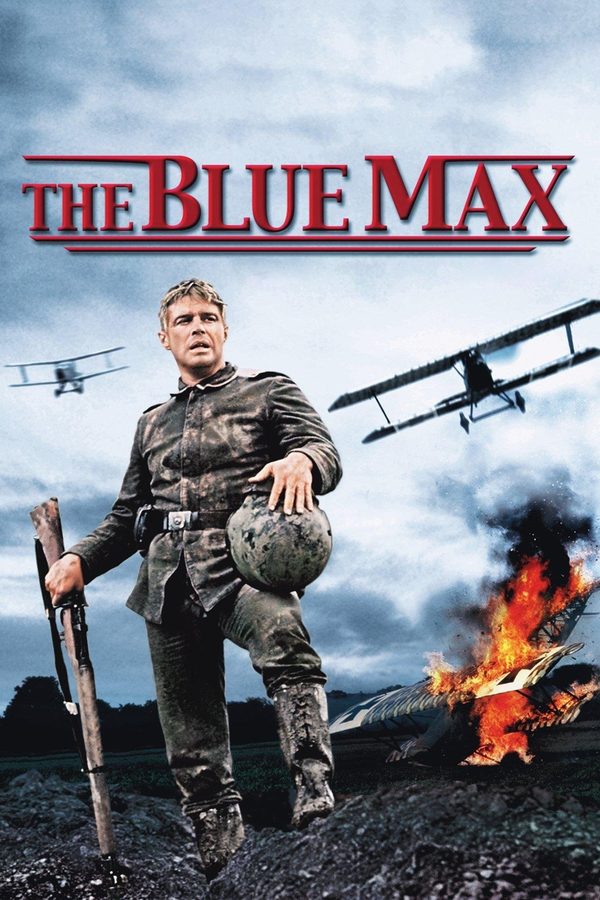
The Blue Max (1966) on Netflix
Approved19662h 36mActionDramaRomance
In 1918 Bruno Stachel leaves the trenches to fly for the German Army Air Service, where the aristocratic officers dislike him. He wants the Blue Max, the medal for twenty victories.
- Netflix3.6/5
- IMDb7.1/108,302 votes
- Rotten Tomatoes100%
Trailer

Plot summary
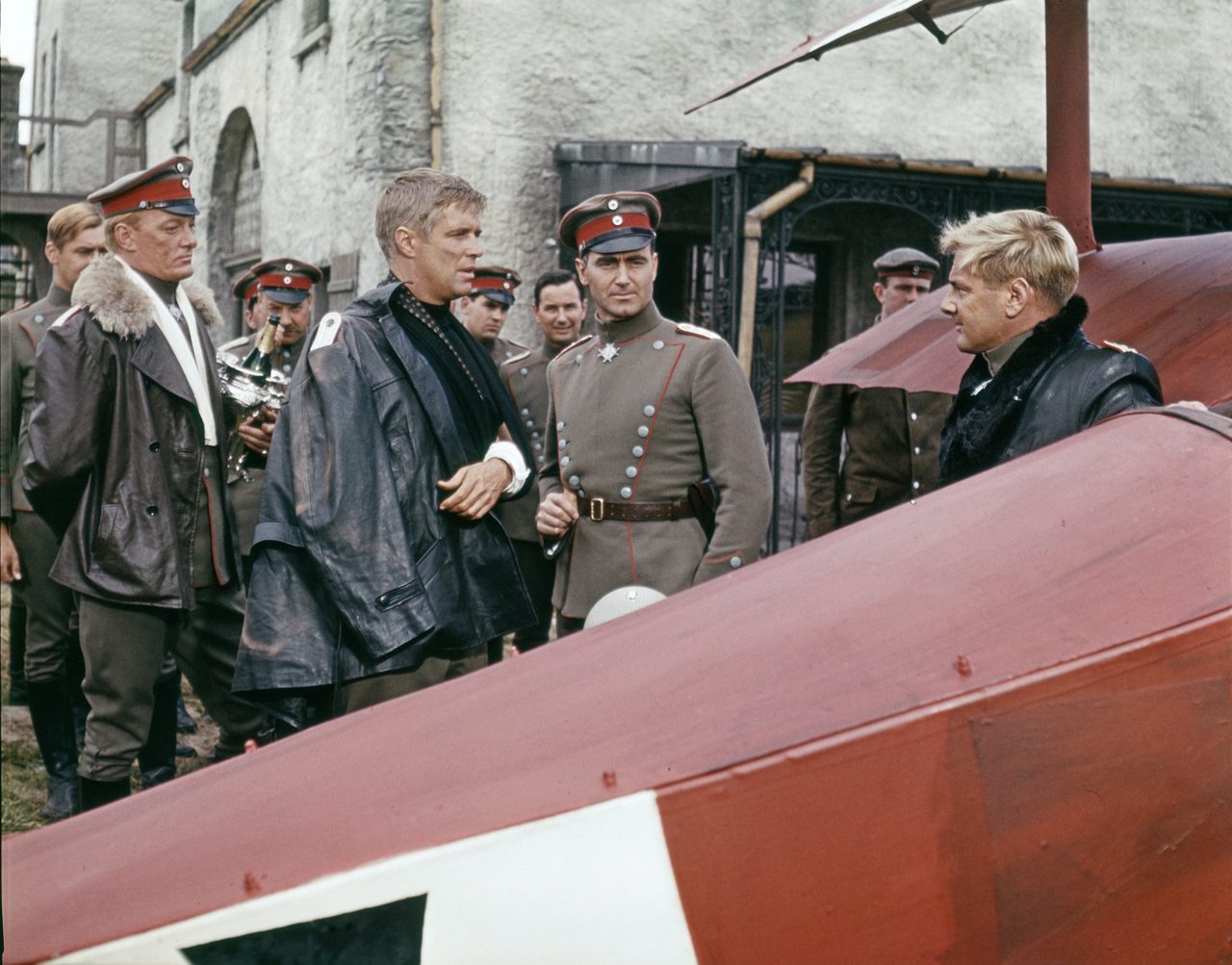
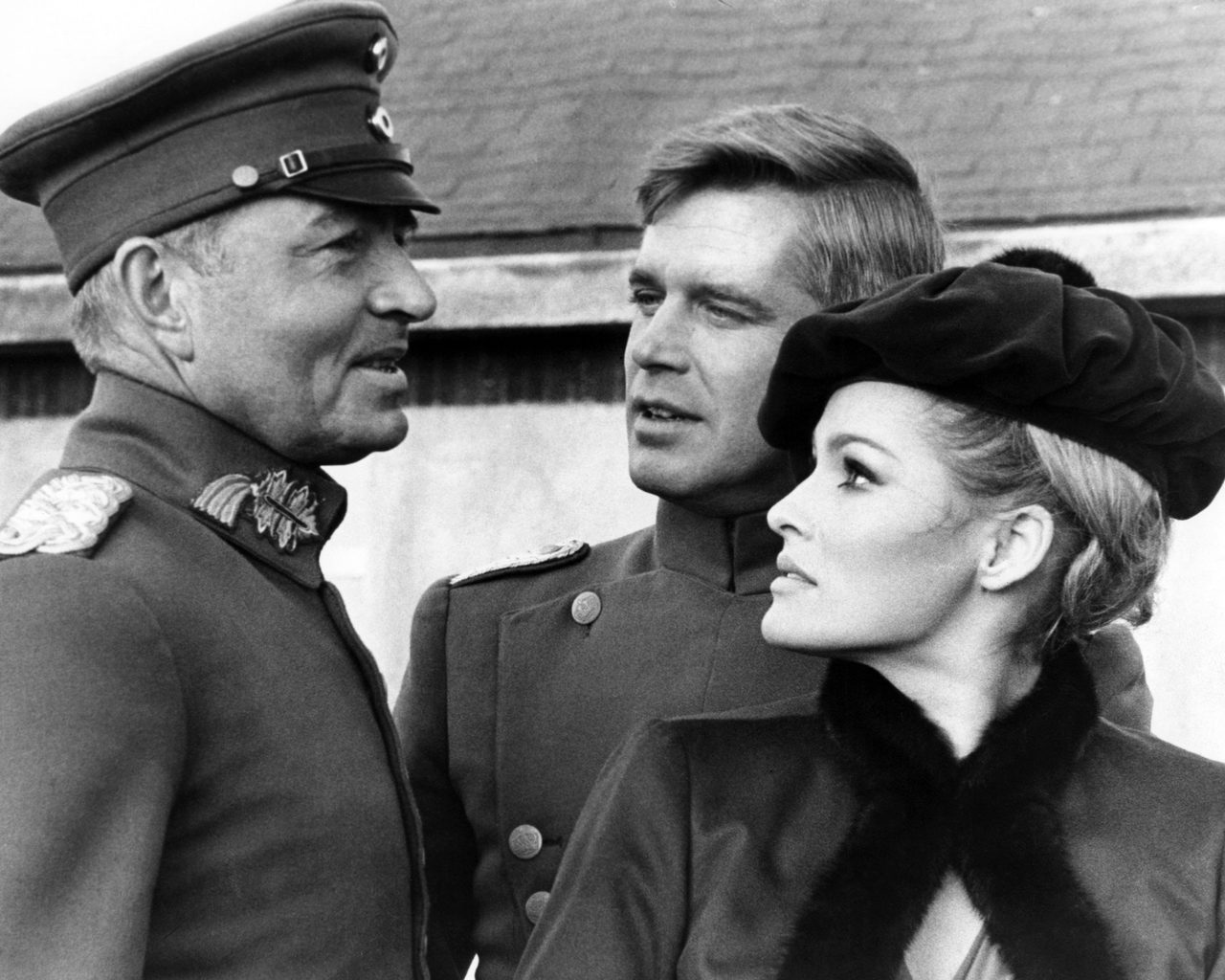
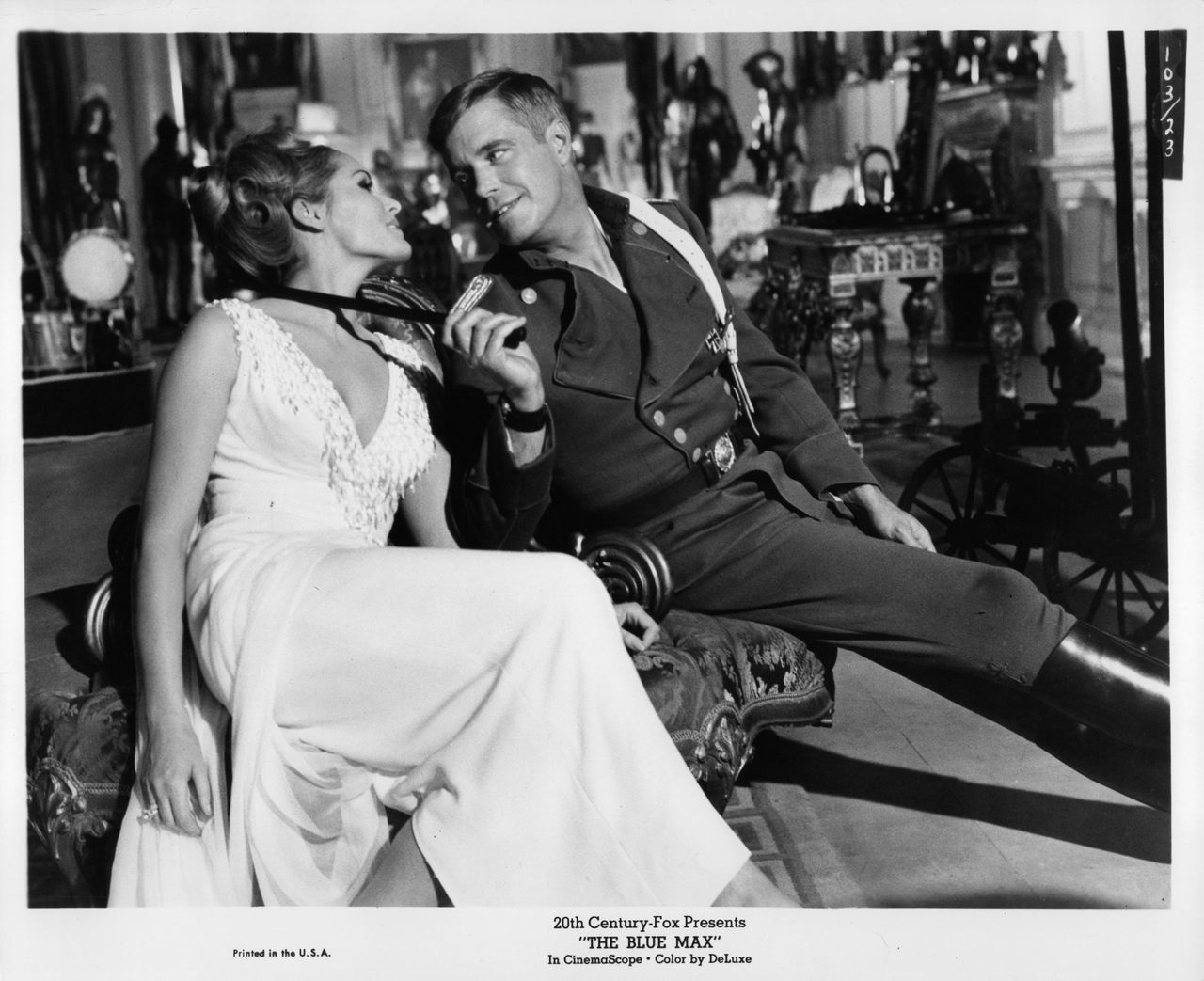
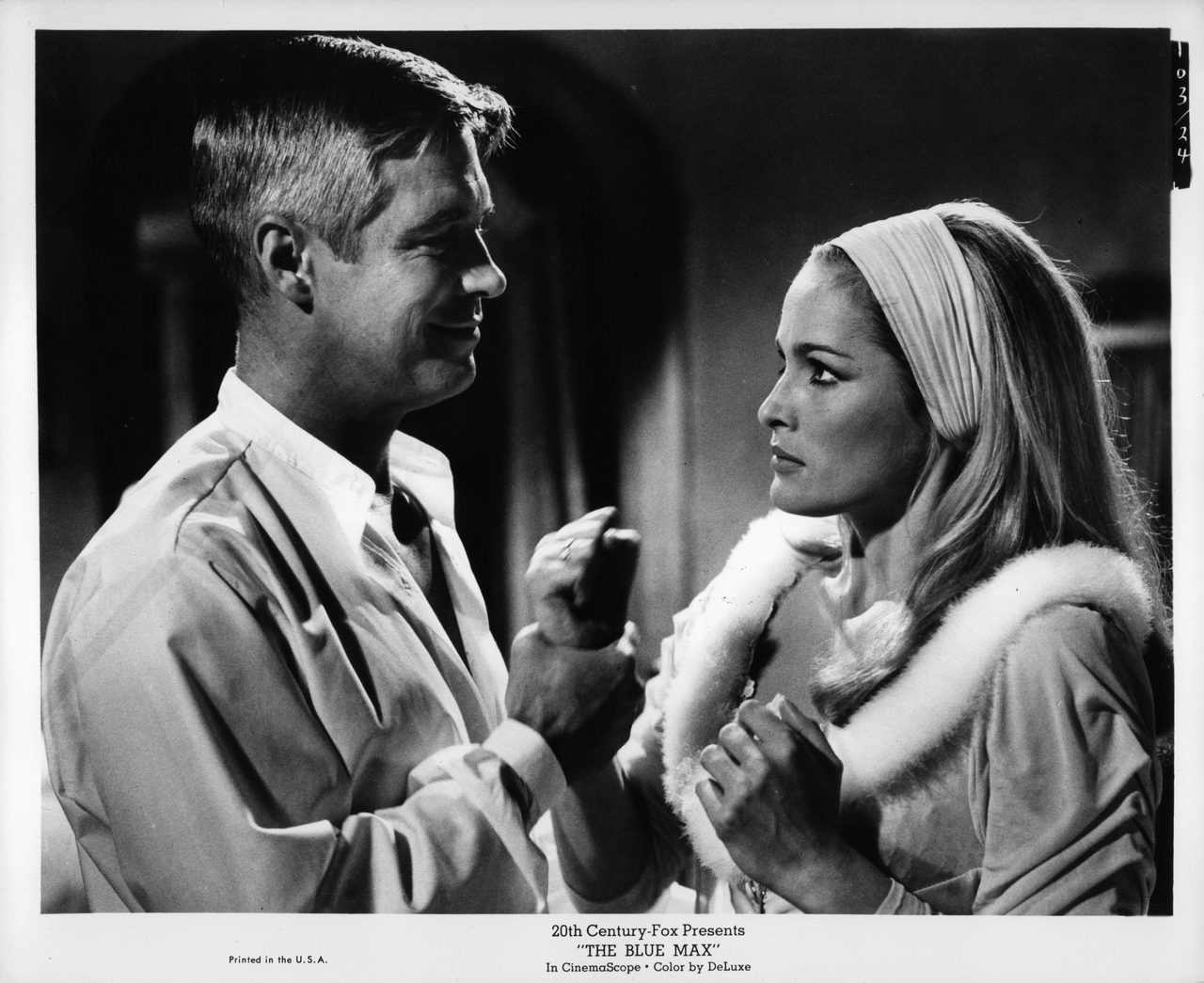
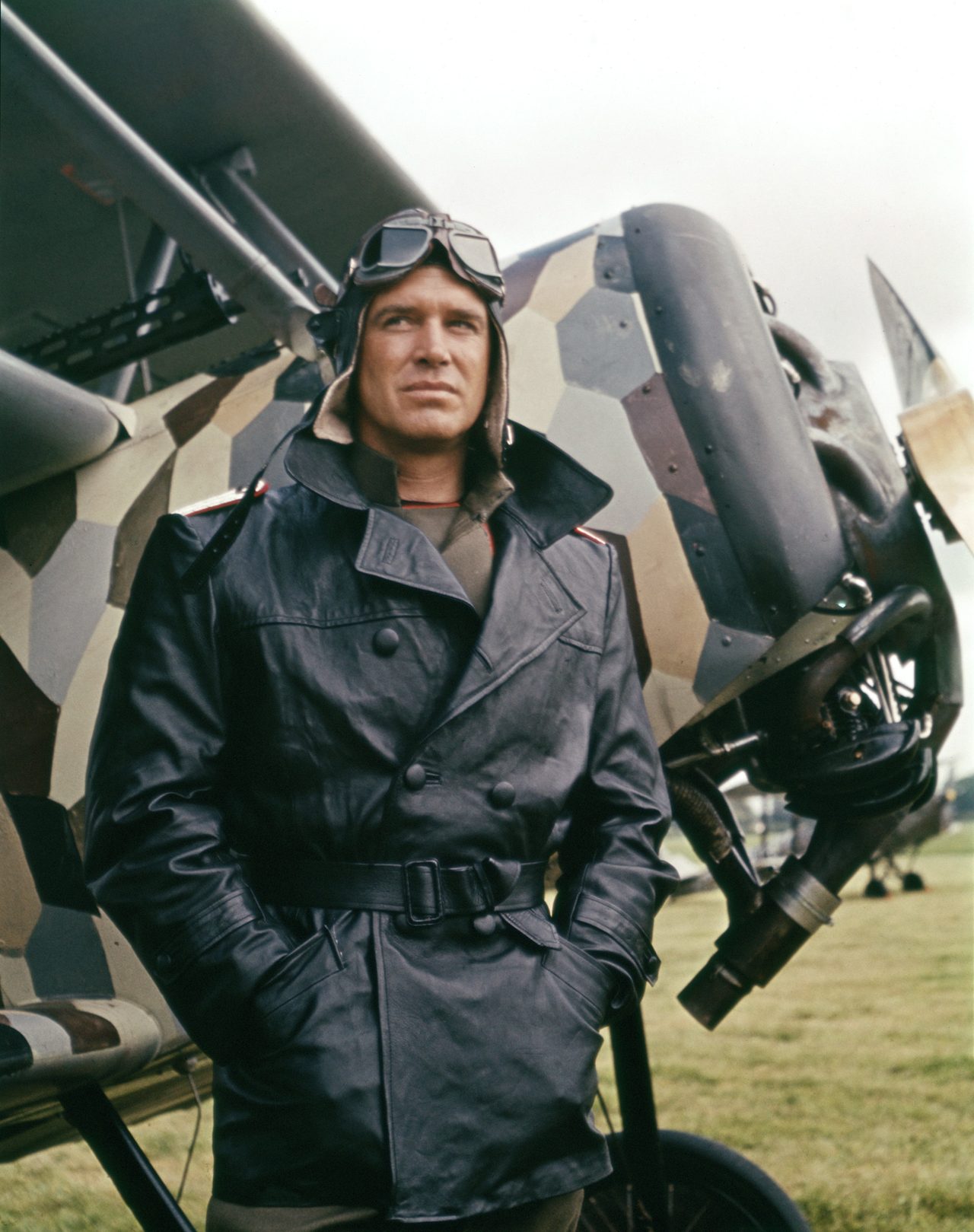
Promoted from the trenches after two years of fighting, Bruno Stachel joins the German Army Air Service as a flying officer in 1918. The officer corps is drawn largely from the aristocracy, and his squadron commander, Hauptmann Otto Heidemann, believes in chivalry and the customs of war, while Stachel cares only about shooting down enemy aircraft. He means to earn the Blue Max, the medal awarded for twenty victories. On his first mission he downs a British S.E.5, but there are no witnesses and he receives no credit, so he searches the countryside for the wreckage. His methods bring him to the attention of General Count von Klugermann, who arrives at the base with his wife Kaeti and sees propaganda value in a hero from the ranks.
Cast




Did you know?!Facts and trivia about The Blue Max (1966)
Can contain spoilers, watch the movie first.
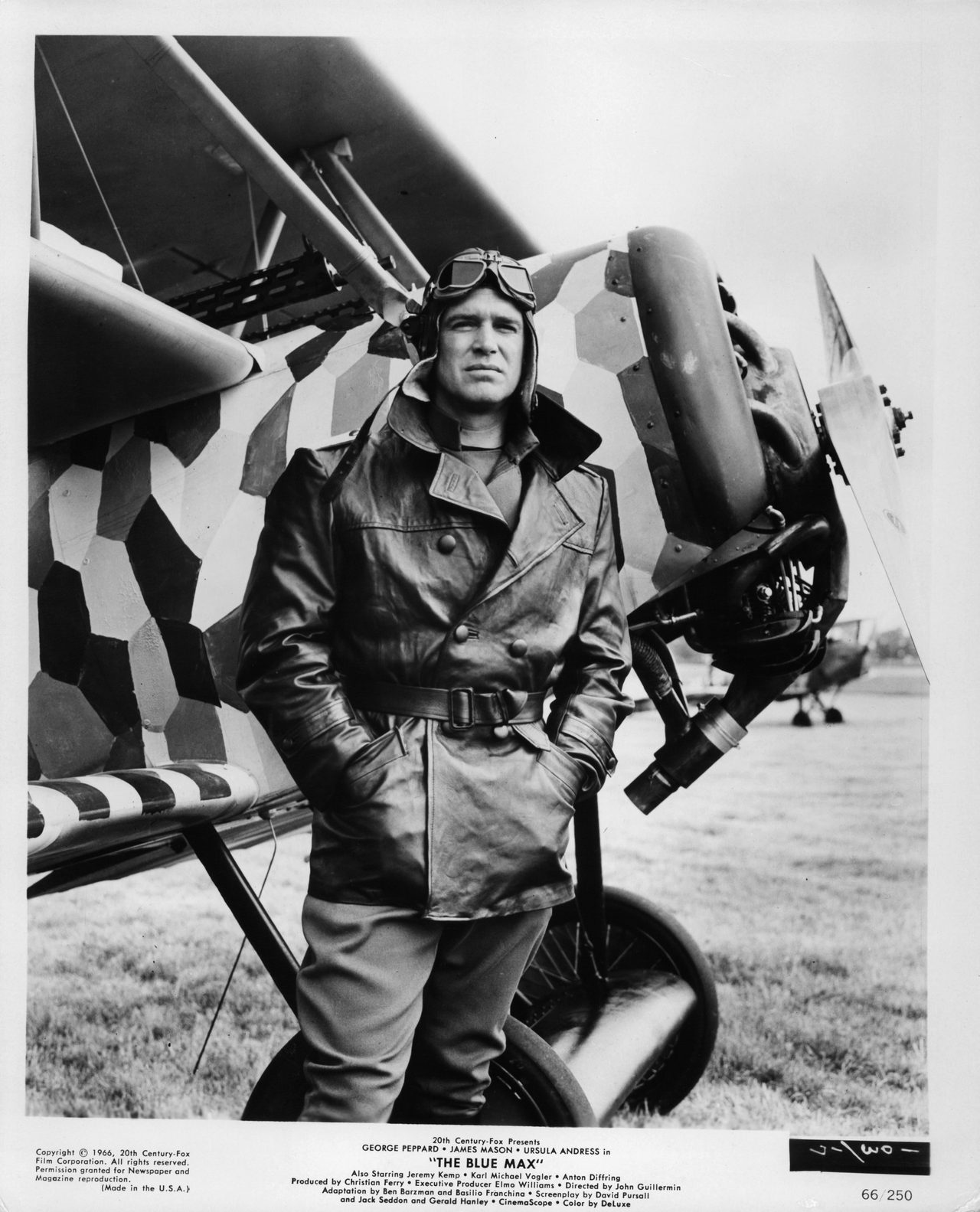
- George Peppard, cast as a WWI German pilot, actually learned to fly and earned a private pilot's license for the role, though a stunt pilot handled the dangerous under-the-bridge shot.
- Cinematographer Douglas Slocombe was hospitalized for three weeks with an injured back during filming, and colleague Elmo Williams said director John Guillermin was indifferent to people getting hurt as long as the action looked real.
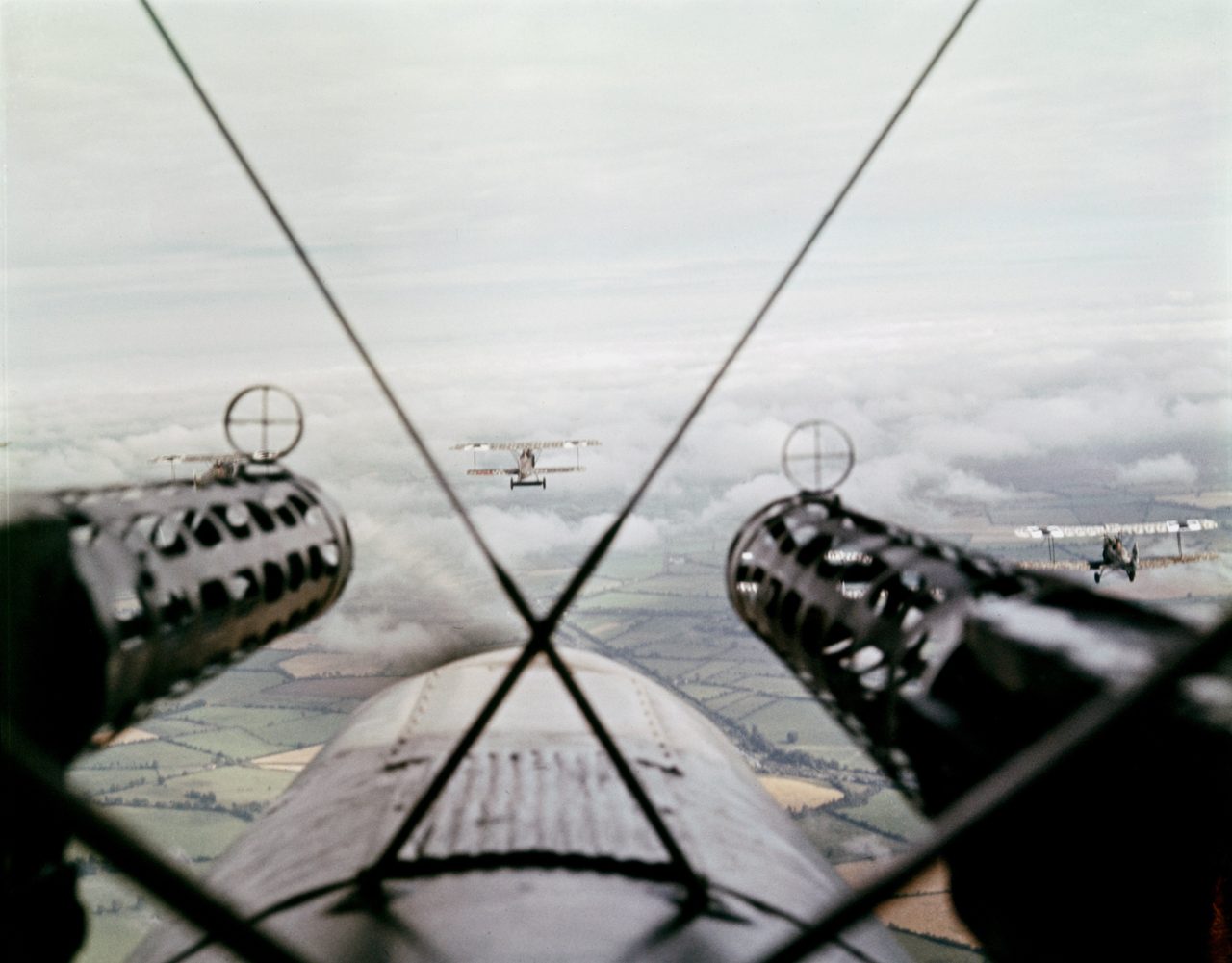
- Stunt pilot Derek Piggott flew replica biplanes under a narrow 19th-century railway viaduct 17 times with only about 4 feet of wingtip clearance, navigating safely by lining up two scaffolding poles he had planted on the riverbank.
- The director placed a flock of sheep by the bridge so they would scatter realistically when the planes flew over, but the sheep grew used to the noise and kept grazing, leaving a continuity error still visible in the finished film.
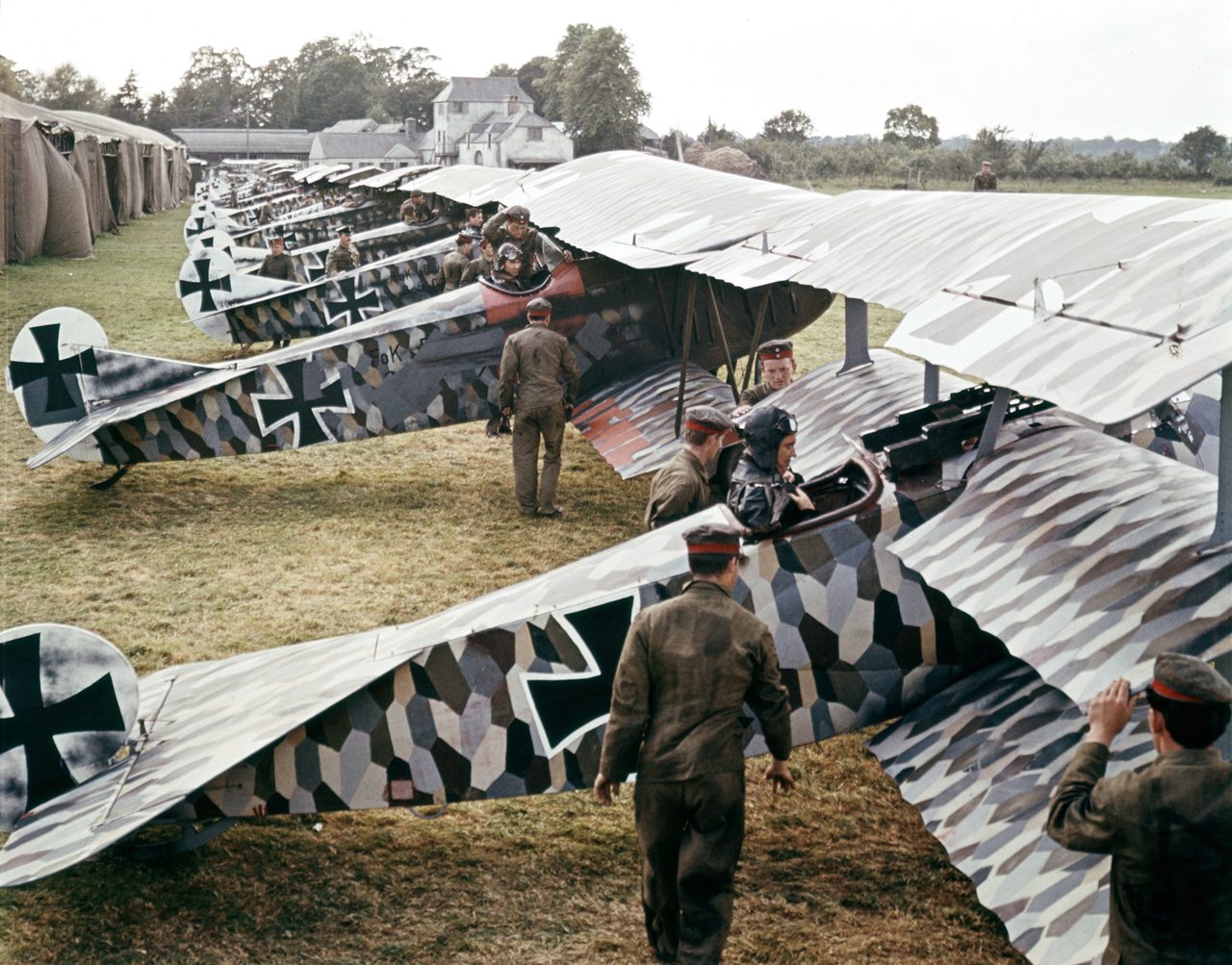
- Several replica planes built for the film survive today: two Pfalz replicas and a Fokker D.VII now belong to director Peter Jackson's aviation trust and are kept fully airworthy at a New Zealand museum, while another Fokker D.VII is displayed at a museum in Birmingham, Alabama.
- Composer Jerry Goldsmith was first shown the film cut with a temporary soundtrack of Richard Strauss's Also sprach Zarathustra, and admitted it worked so well it made writing his own score harder.
- Novelist Jack D. Hunter visited the set and was left speechless by the film's historical inaccuracies, including inverted engines on the Fokkers, wrong-era insignia, and machine guns with no visible ammunition belts.