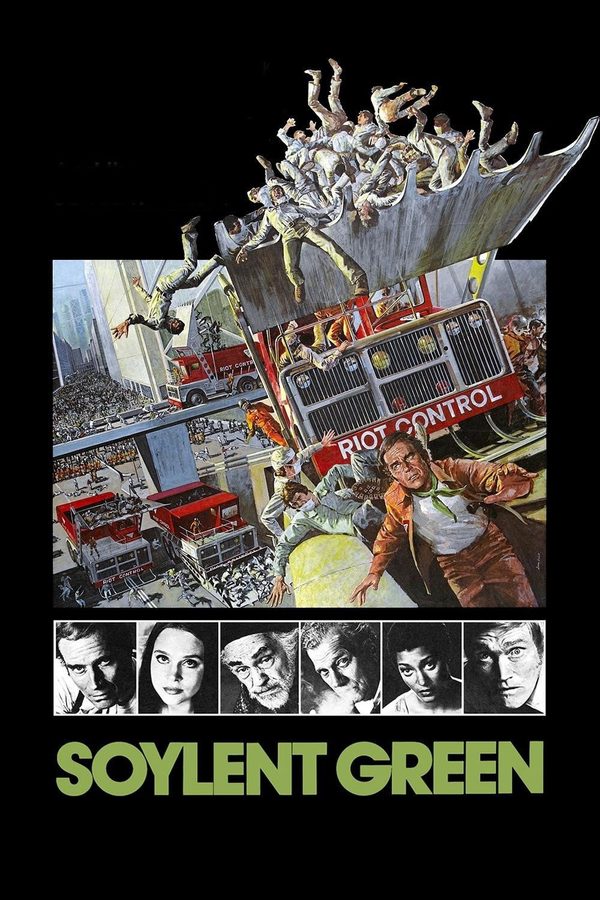
Soylent Green (1973) on Netflix
PG19731h 37mMysterySci-FiThriller
By 2022, overcrowding and pollution have left New York City short of food and water. Detective Thorn investigates a Soylent Corporation board member's murder, aided by the researcher Sol Roth.
- Netflix3.4/5
- IMDb7.0/1074,992 votes
- Rotten Tomatoes71%
Trailer
Plot summary
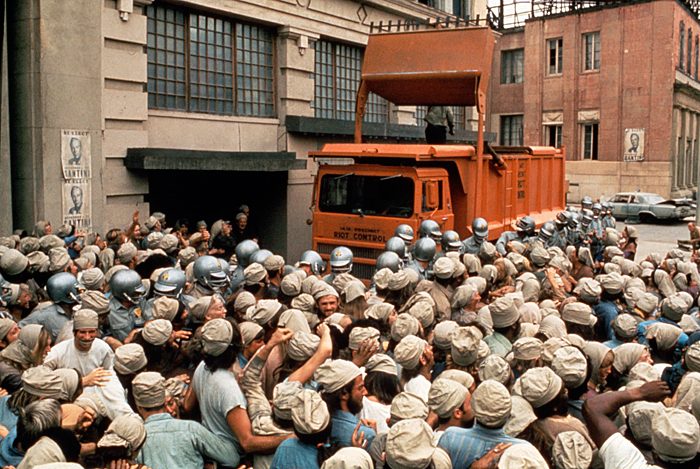
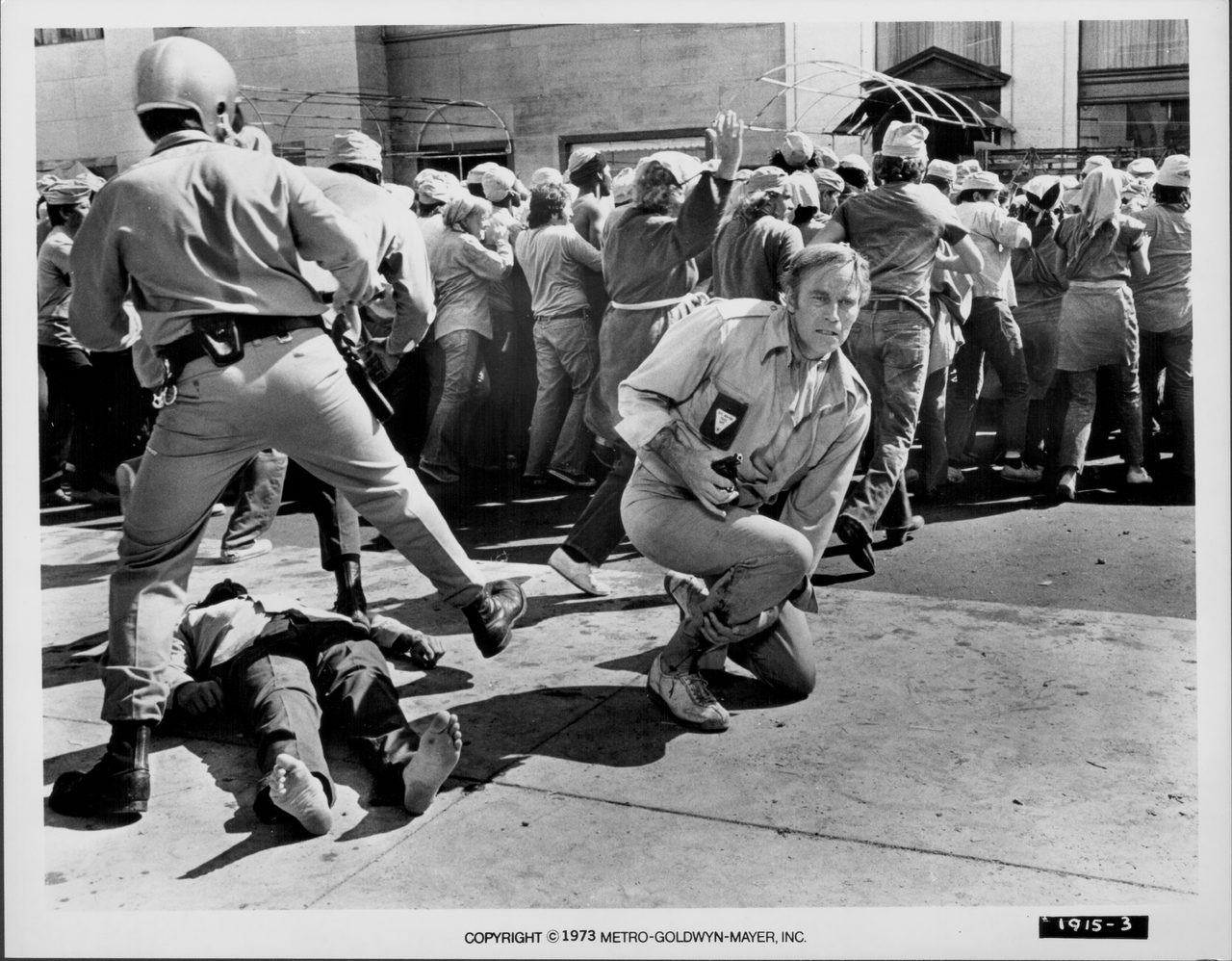
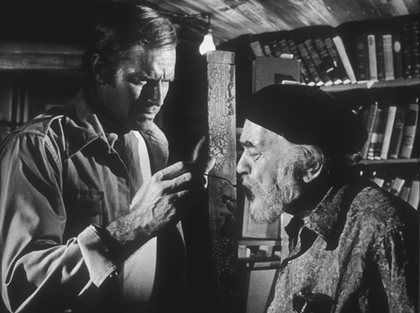
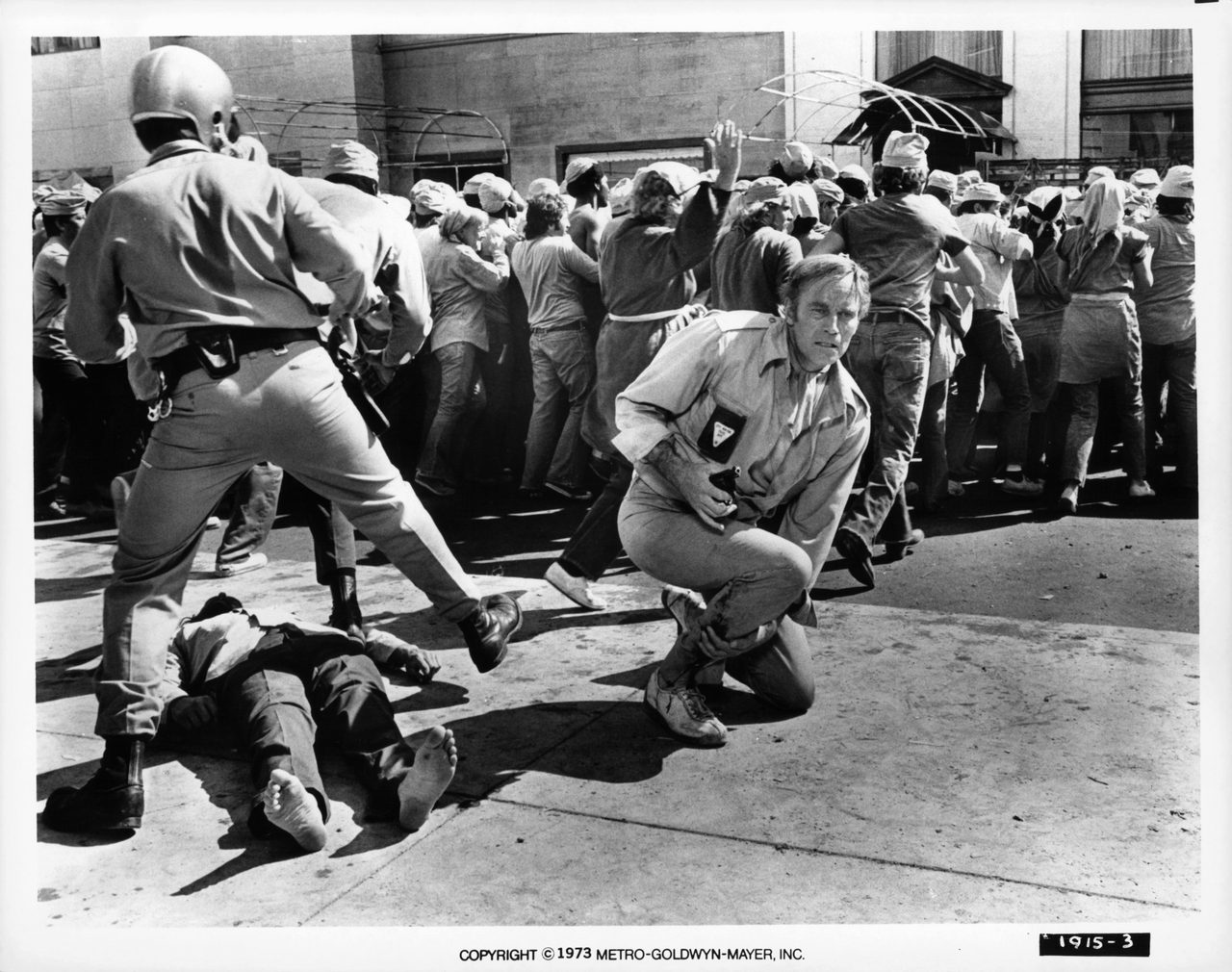
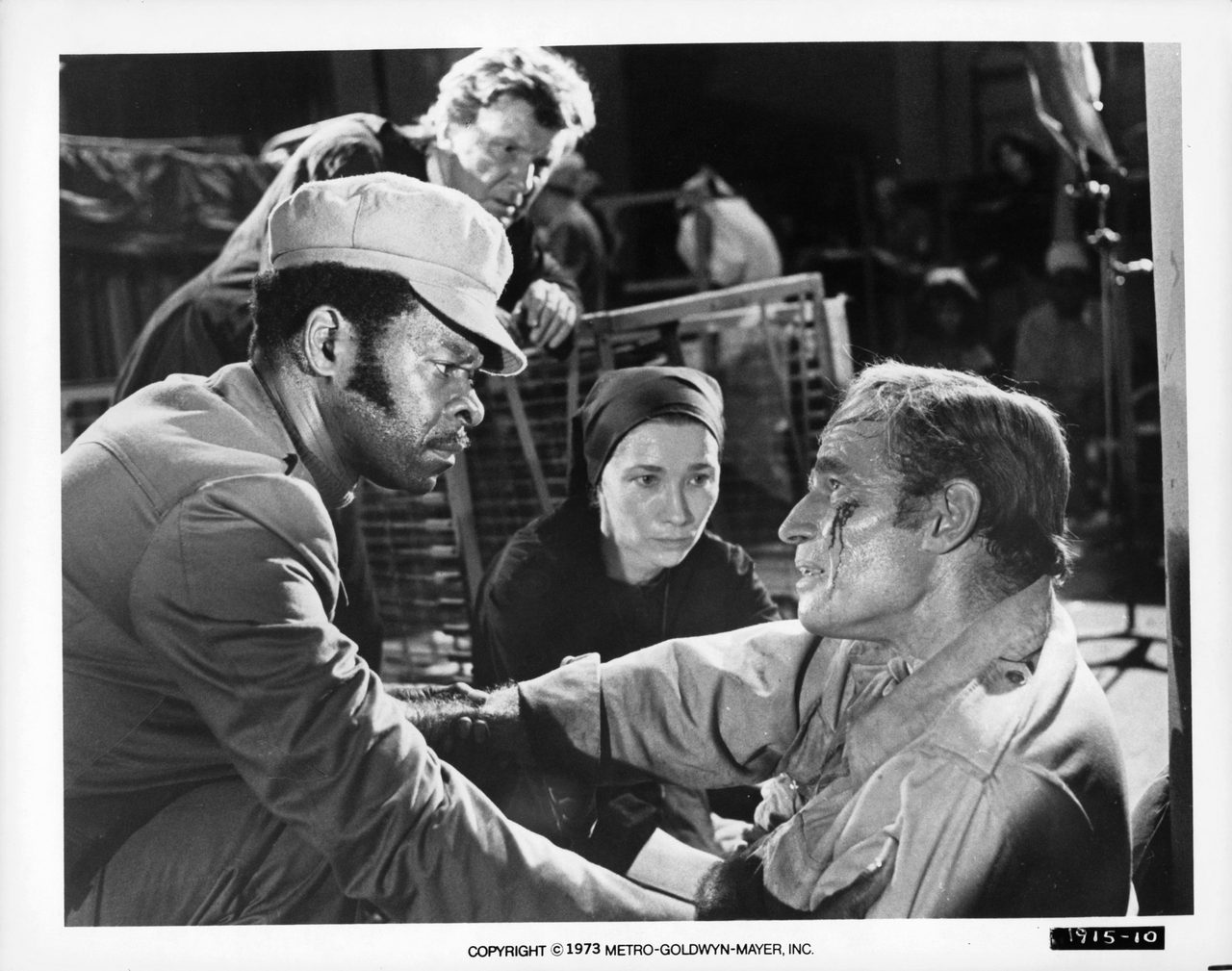
By 2022, overpopulation, global warming and pollution have exhausted the planet's resources. New York City holds forty million people. The wealthy live in fortified apartments with bodyguards and moats, keeping sex slaves called furniture, who pass from one owner to the next. Everyone else hauls water from communal spigots and lives on processed wafers from the Soylent Corporation. Its staples are Soylent Red and Soylent Yellow; a new wafer, Soylent Green, is said to be made from plankton. Detective Robert Thorn shares a cramped apartment with Sol Roth, an elderly former professor who assists him with cases. Thorn is sent to the murder of William R. Simonson, a Soylent board member killed at his home in Chelsea Towers West. Thorn doubts the burglary account. He meets Simonson's bodyguard Tab Fielding and Shirl, the concubine kept with the apartment.
Cast











Did you know?!Facts and trivia about Soylent Green (1973)
Can contain spoilers, watch the movie first.
- The source book's title was not used for the movie on the grounds that it might have confused audiences into thinking it was a big-screen version of Make Room for Daddy.
- A cabinet of the early arcade game Computer Space appears in the film, and it is considered the first time a video game ever showed up on screen in a movie.
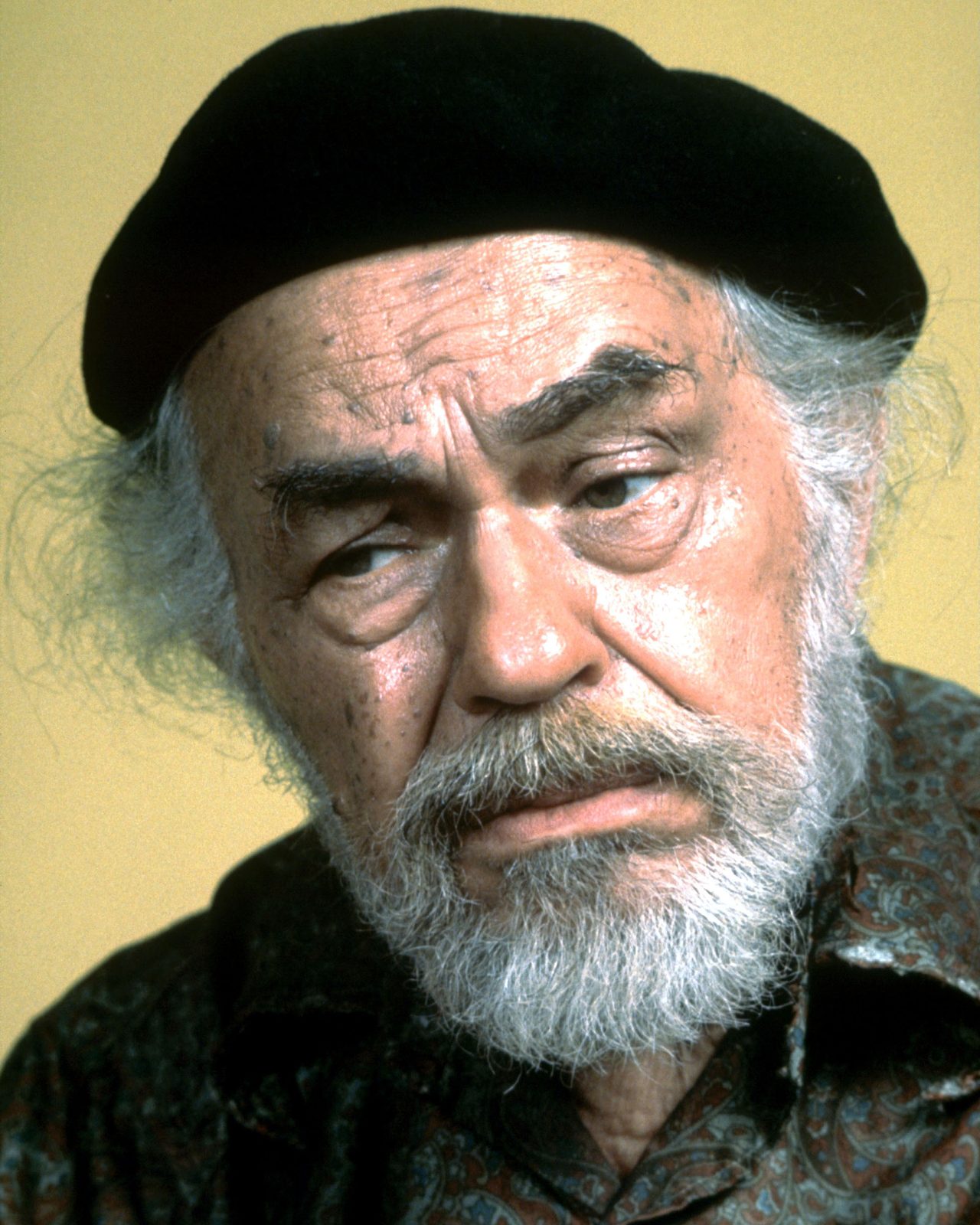
- Edward G. Robinson knew during filming that he was terminally ill while his co-stars did not, yet he never missed an hour of work and was never late to a call.
- Harrison was contractually denied control over the screenplay of his own novel, and was not even told during negotiations that Metro-Goldwyn-Mayer was buying the film rights.
- The film's going home sequence used no original score, drawing instead on themes from Tchaikovsky's Pathetique, Beethoven's Pastoral and Grieg's Peer Gynt, conducted by Gerald Fried.