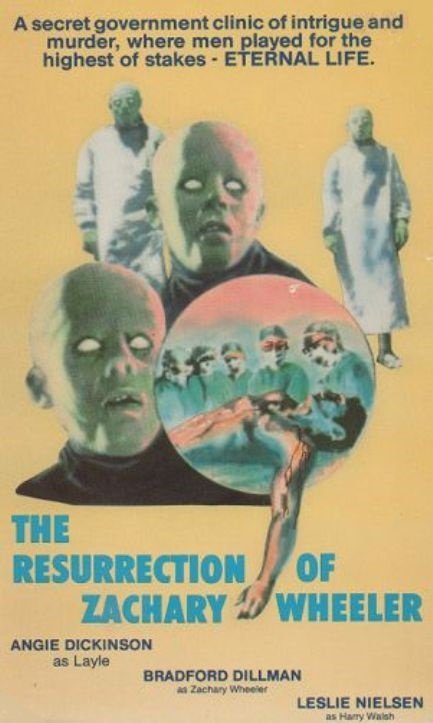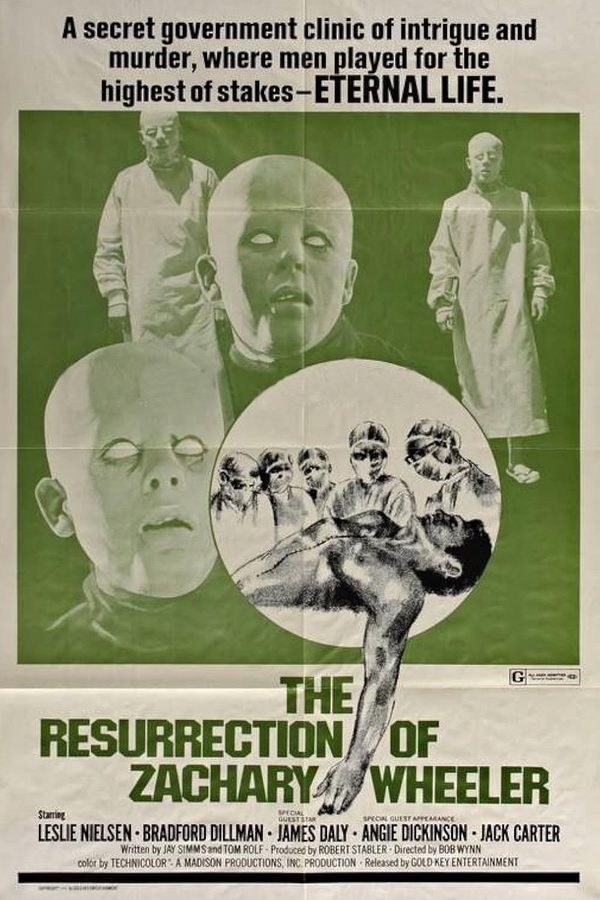
The Resurrection of Zachary Wheeler (1971) on Netflix
G19711h 40mMysterySci-FiThriller
Reporter Harry Walsh witnesses a car crash and recognizes the survivor as Senator Clayton Zachary Wheeler. The hospital says no such patient was admitted, so Walsh sets out to find him.
- Watch on NetflixThis title is not on Netflix right now. Please check back later for updates.
- Watch on Prime
- Watch on NordVPN
- Netflix2.7/5
- IMDb5.4/10449 votes
- Rotten TomatoesNot available
Plot summary
Senator Clayton Zachary Wheeler survives a car crash that kills two others. Reporter Harry Walsh sees the wreck, identifies the senator, and rides with him in the ambulance. Back at the hospital, Walsh files the story; the staff insist no such patient was ever admitted. His editor orders a retraction, and Walsh refuses, losing his job. His own digging points him toward Alamogordo, New Mexico. Wheeler wakes in a hidden clinic, where Dr. Redding and Dr. Layle Johnson have treated him with organs taken from bodies grown from his own DNA.
Cast







- Lew Brownas Collins

- Richard Schuyleras Bates




Did you know?!Facts and trivia about The Resurrection of Zachary Wheeler (1971)
Can contain spoilers, watch the movie first.
- Tom Rolf, then production coordinator on The Big Valley, got the idea for The Resurrection of Zachary Wheeler from an Esquire article about organ transplants and wrote the script with his friend Jay Simms, a writer on the series, in about three weeks.
- According to Variety, The Resurrection of Zachary Wheeler was the first American film to be shot on videotape and transferred to film for release.
- The clones in the film are called somas, Greek for "body" and the same word used for the drug in Aldous Huxley's 1932 novel Brave New World; the film is noted as possibly the earliest to depict surgical transplants using clones for parts.