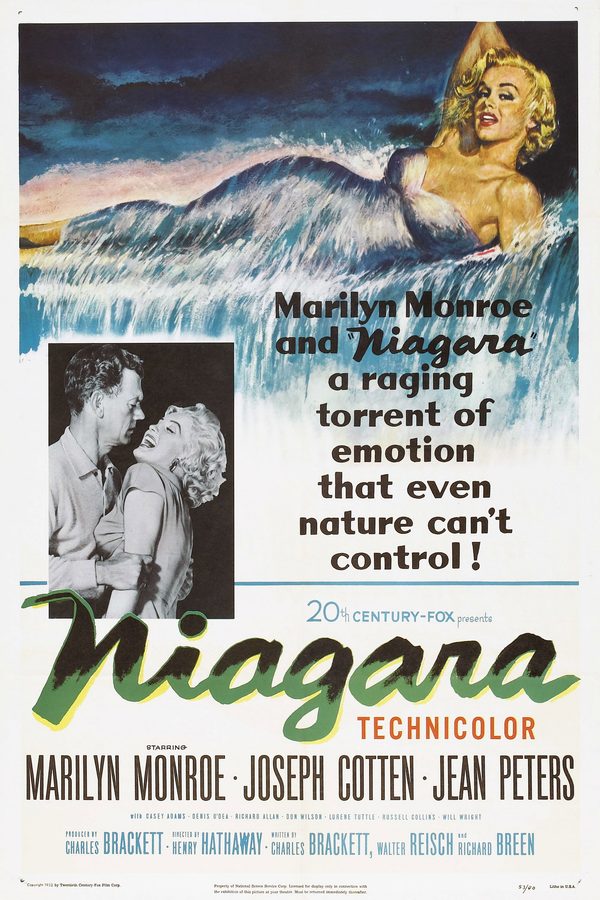
Niagara (1953) on Netflix
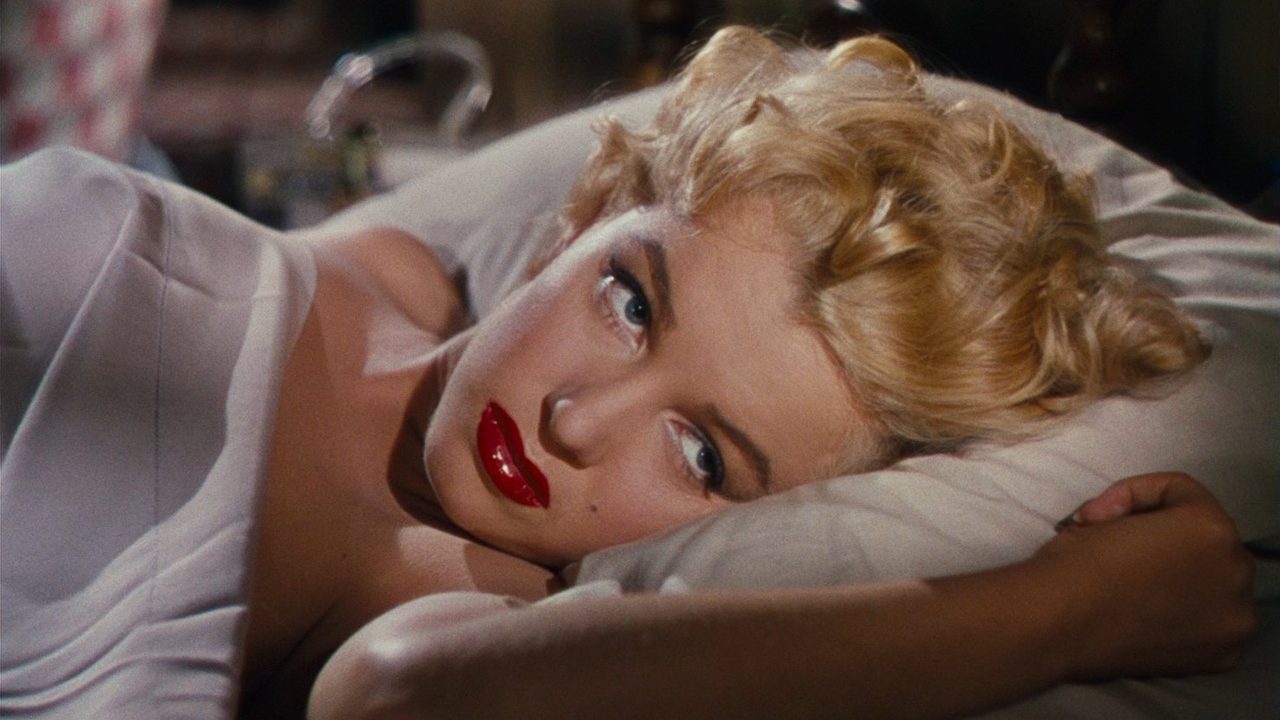
Ray and Polly Cutler reach Niagara Falls for a honeymoon they had long put off, and find George and Rose Loomis in the cabin reserved for them. Polly senses trouble between them.
- Netflix3.7/5
- IMDb7.0/1022,813 votes
- Rotten Tomatoes78%
Trailer
Plot summary
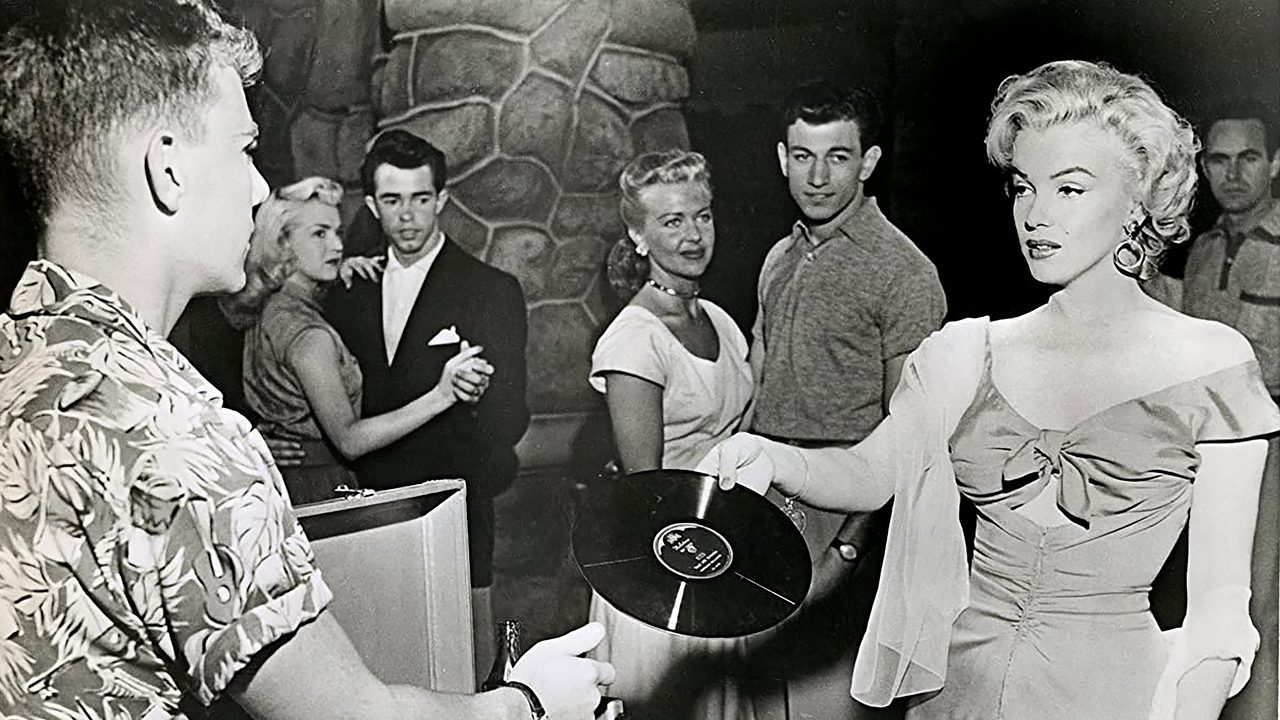
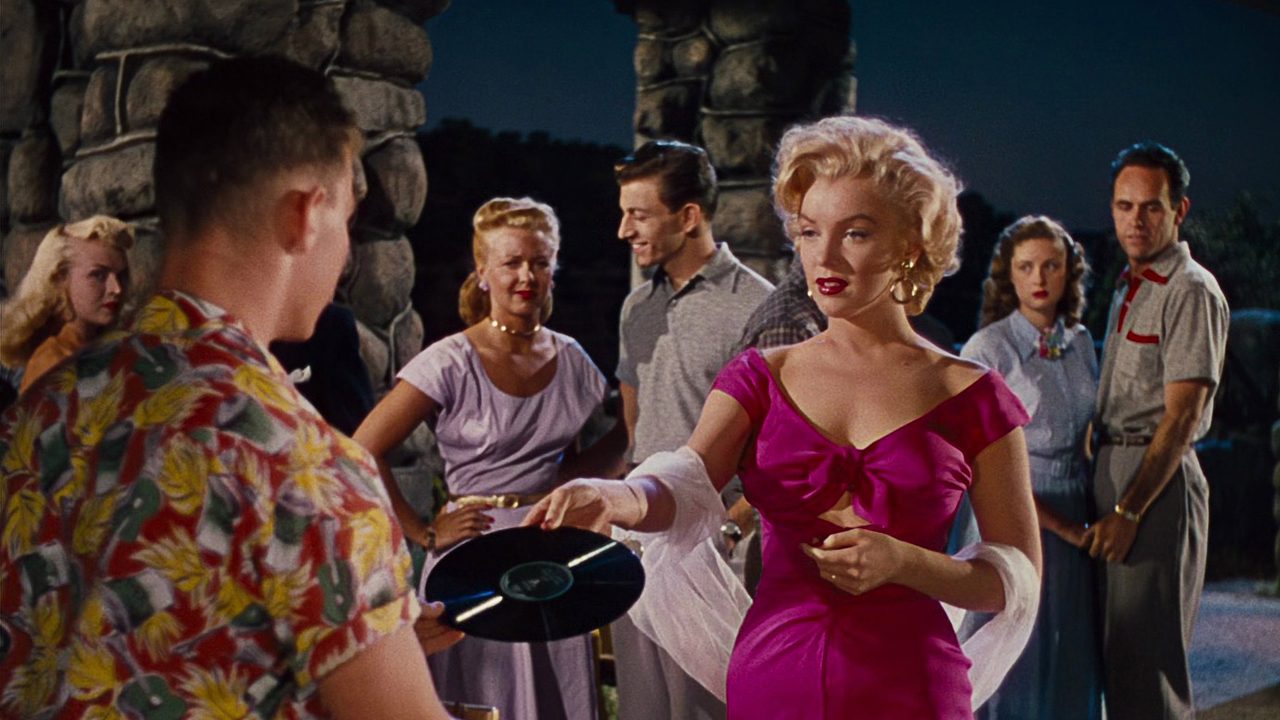
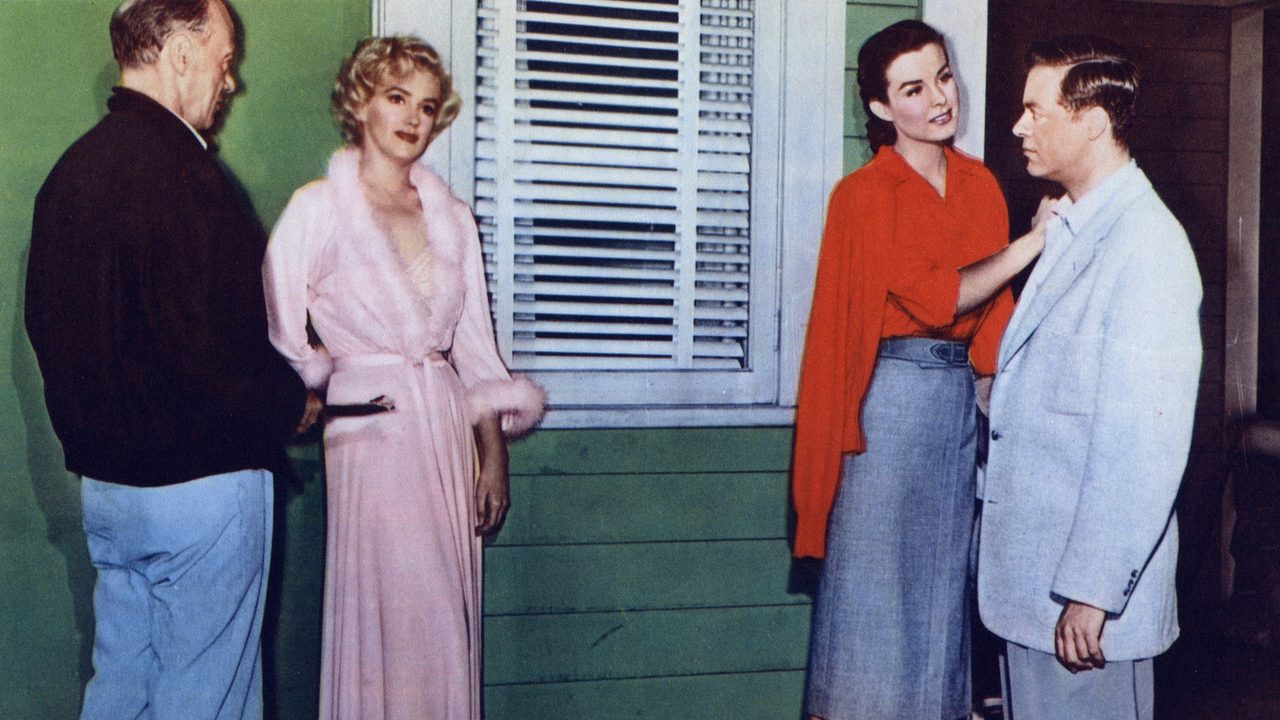
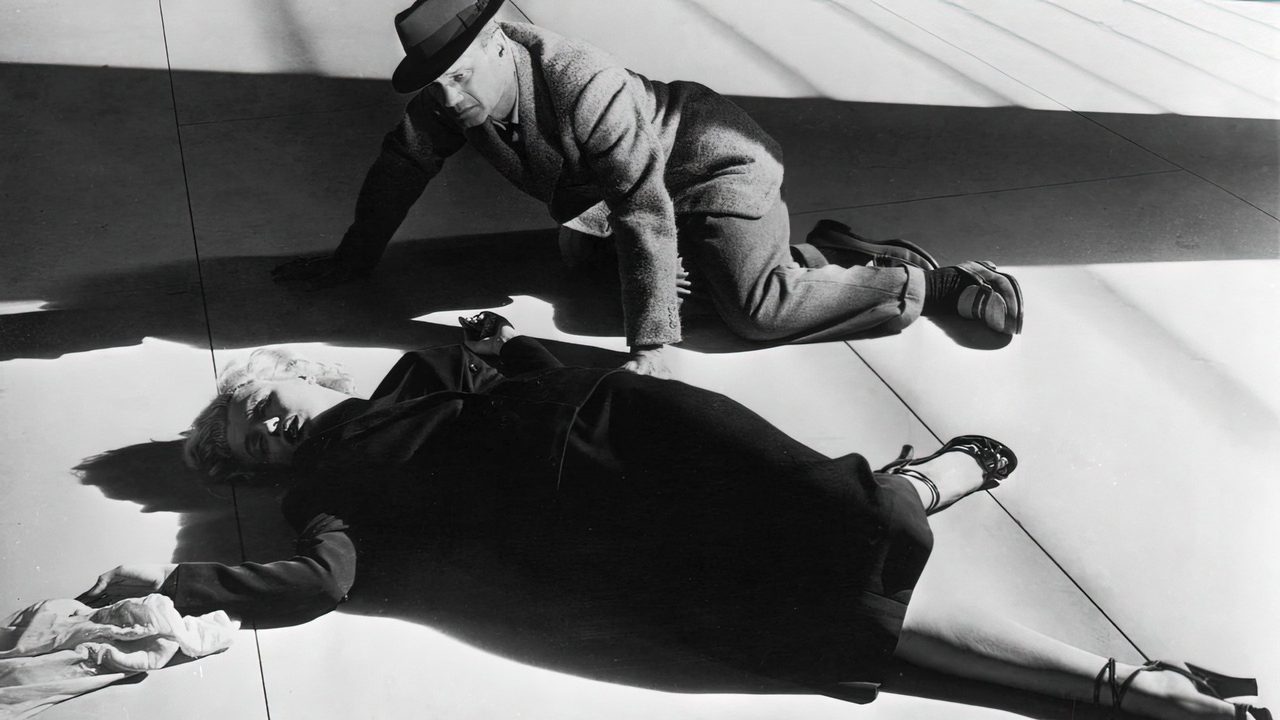
Ray and Polly Cutler come to Niagara Falls for a long-delayed honeymoon, but the cabin they reserved is still occupied by George and Rose Loomis, a husband and wife staying there, so the Cutlers take another one. Mr. Qua, who owns the cabins, asks Rose to leave, and she says George is asleep and was recently released from an Army mental hospital after the Korean War. The two couples get acquainted. George is jealous and depressed, and Rose is younger and attractive. While touring the Falls, Polly sees Rose kissing another man. That evening Rose asks for a record of her favorite song at an outdoor party, and George breaks it, cutting his hand.
Cast














Did you know?!Facts and trivia about Niagara (1953)
Can contain spoilers, watch the movie first.
- Fox head Darryl F. Zanuck ordered major sequences cut from Niagara after seeing it because he could not accept that the police were Canadian; the film had used British actors as Canadian police, and Zanuck argued American audiences would not understand that the falls are bisected by the border.
- Henry Hathaway said James Mason was his original choice for the male lead of Niagara, but Mason turned the role down after his daughter grew tired of seeing him die in movies.
- Jean Peters replaced Anne Baxter as Polly in Niagara, and her character was originally the film's leading role, but it became a vehicle for Marilyn Monroe, who was by then the more successful star.
- Weeks after Marilyn Monroe's death in August 1962, Andy Warhol based his silkscreen painting Marilyn Diptych on a publicity photo from Niagara.
- Niagara was shot in three-strip Technicolor rather than the black-and-white typical of film noir; it was one of the last films made in that format at 20th Century Fox before the studio switched to CinemaScope, which had compatibility problems with three-strip but not Eastmancolor.