Godzilla vs. Mechagodzilla II (1993) on Netflix
PG19931h 45mActionAdventureDrama
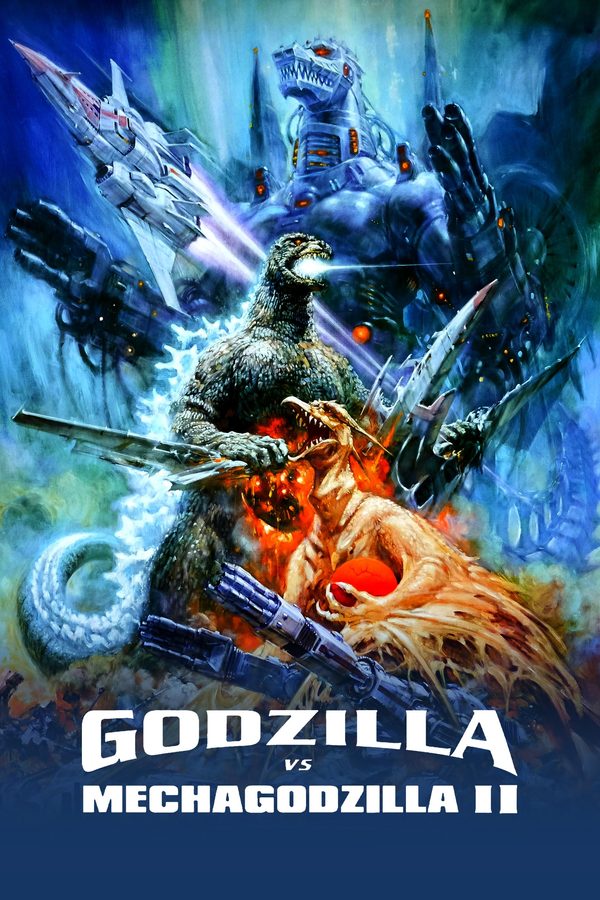
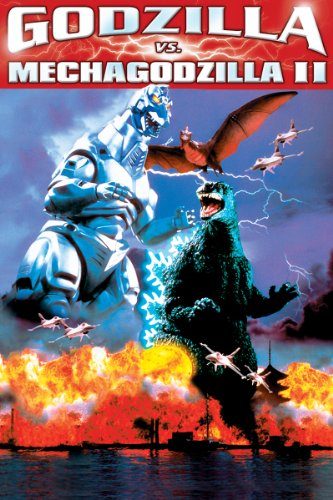
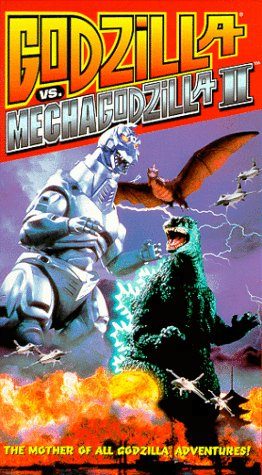
The United Nations builds Mechagodzilla to counter Godzilla. A research team carries a giant egg from an uncharted island to Kyoto, where it imprints on the scientist Azusa Gojo.
- Netflix3.5/5
- IMDb6.5/106,866 votes
- Rotten Tomatoes83%
Plot summary
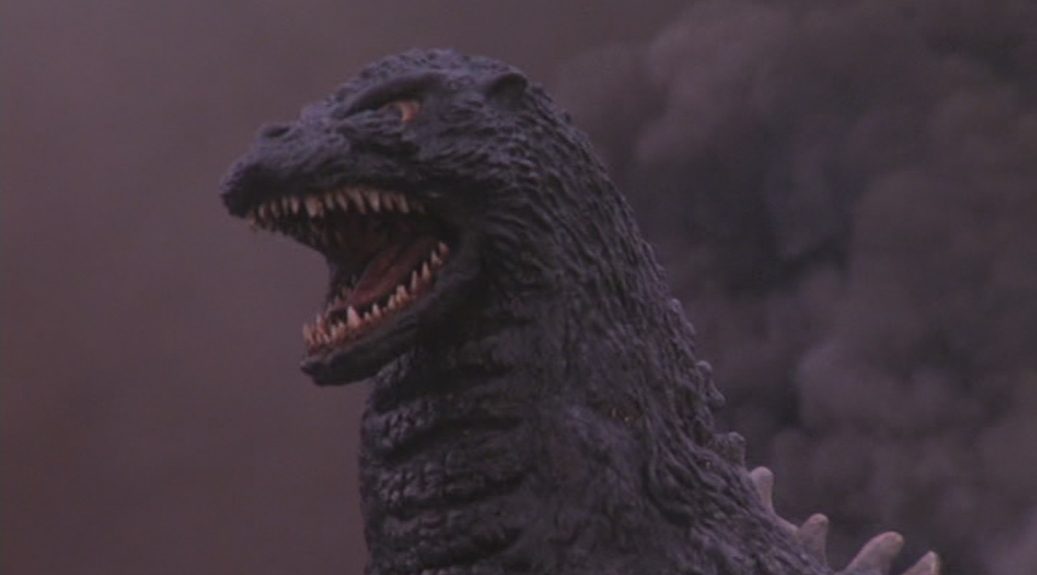
After Godzilla defeats Mecha-King Ghidorah, the United Nations sets up a countermeasure center, and its military branch, G-Force, recovers Ghidorah's remains and reverse engineers two weapons against Godzilla: the flying gunship Garuda and Mechagodzilla, a mecha modeled on Godzilla. Two years later, a Japanese team on Adonoa Island, in the Bering Sea, comes across what it takes to be the egg of a giant Pteranodon. The egg sends out a telepathic call that draws both Godzilla and Rodan, a grown Pteranodon changed by nuclear waste. Godzilla wounds Rodan, and the team escapes with the egg to Kyoto, where it imprints on the young scientist Azusa Gojo. A juvenile Godzillasaurus emerges from the egg.
Cast




- Ichirota Miyagawa



- Leo Meneghettias Dr. Asimov





Did you know?!Facts and trivia about Godzilla vs. Mechagodzilla II (1993)
Can contain spoilers, watch the movie first.
- Toho first wanted a remake of King Kong vs. Godzilla but could not get the rights to King Kong from Universal Pictures, so it considered pitting Godzilla against Mechani-Kong, whose syringes would inject G-Force troops into Godzilla's bloodstream like Fantastic Voyage, before abandoning that as too costly.
- The original ending had Godzilla destroying the gunship Garuda but being killed by Mechagodzilla, until Garuda's exploding nuclear reactor resurrected him; another ending considered, in which Godzilla's escaping life energy mutates Baby Godzilla into a new adult Godzilla, was later used in Godzilla vs. Destoroyah.
- Toho brought back Minilla, rechristened Baby Godzilla, to appeal to the largely female audience that had made Godzilla vs. Mothra a financial success, over the objections of director Takao Okawara, who thought little of the 1960s films the character had appeared in.
- By 1994 the film had taken $194,000,000 combined from the box office and from book and merchandise sales — $158,000,000 of it from books and merchandise — making it the most profitable non-animated Japanese film at the time.
- Godzilla vs. Mechagodzilla II holds a small piece of Japanese film history: it was the first Japanese film to use the Dolby Digital sound format.
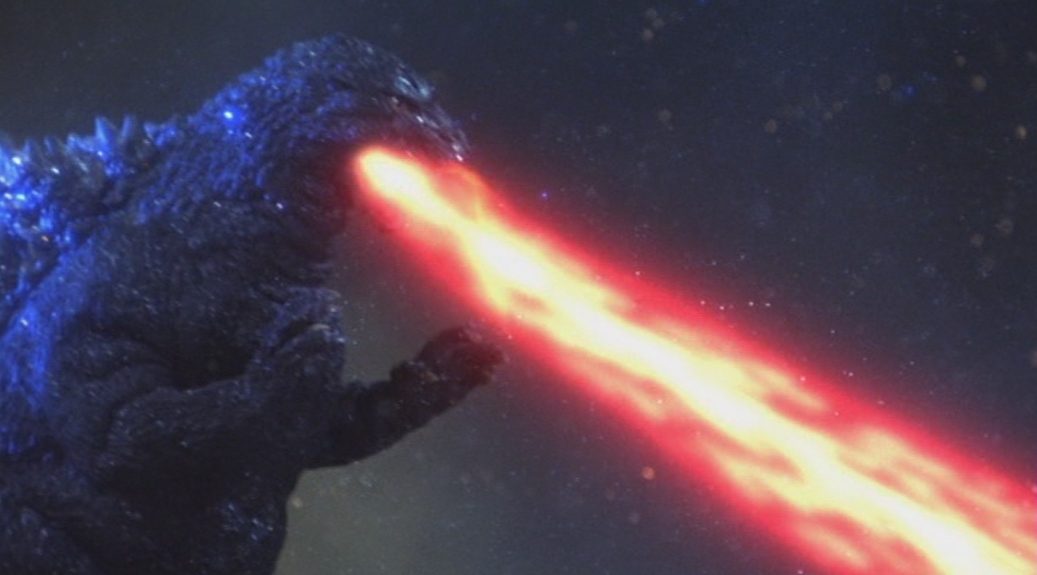
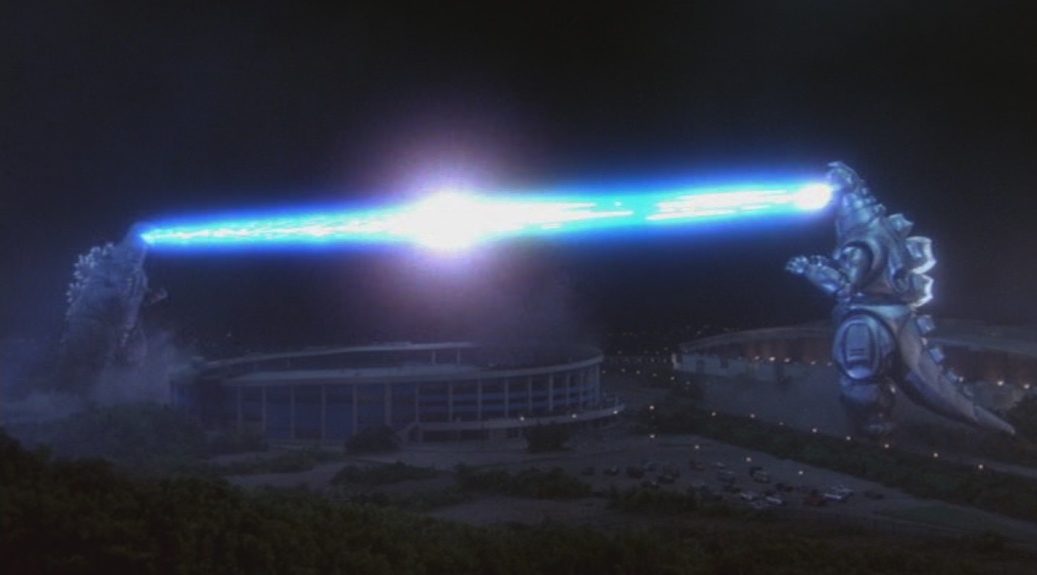
- Effects artist Kōichi Kawakita used more CGI than on his previous Godzilla films and made the monsters less reliant on energy beams during battle; Rodan in particular was portrayed with hand puppets and marionettes rather than through suitmation.
Stills
Similar movies