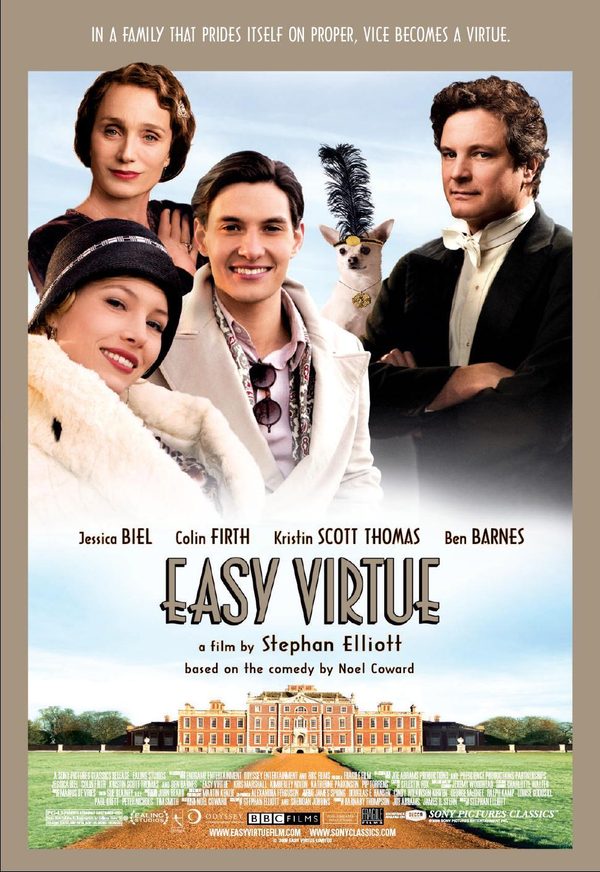
Easy Virtue (2008) on Netflix
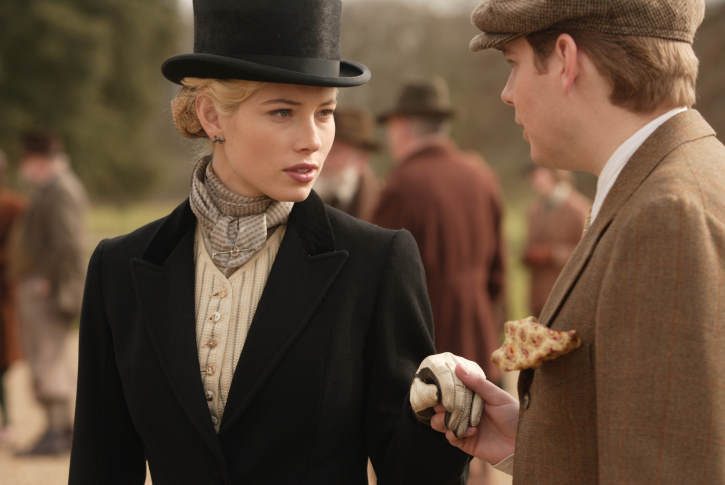
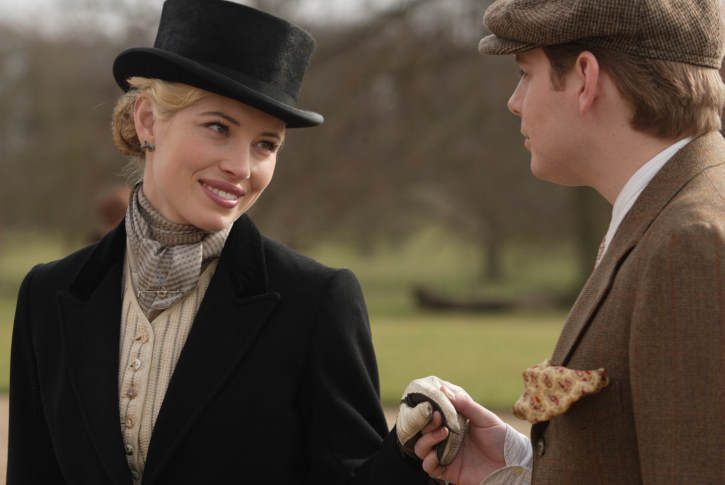
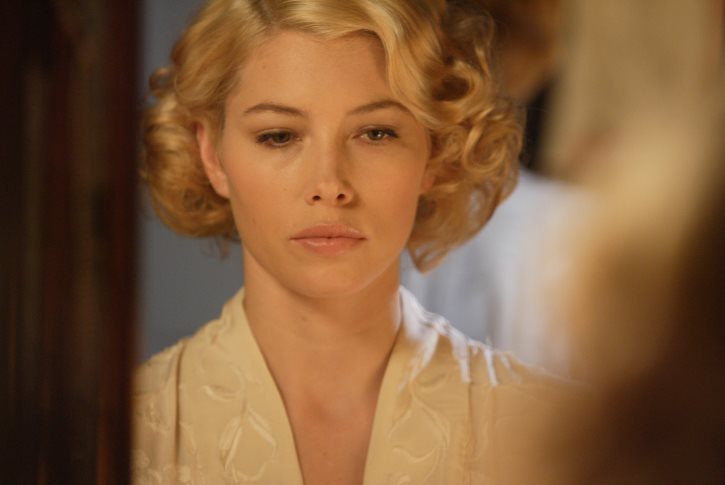
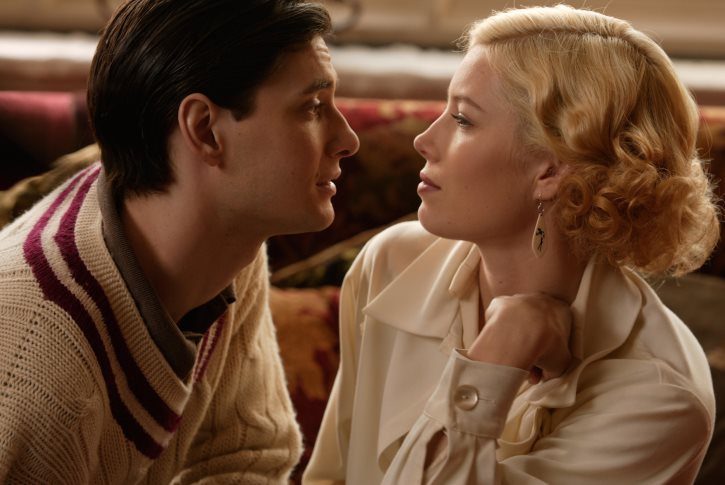
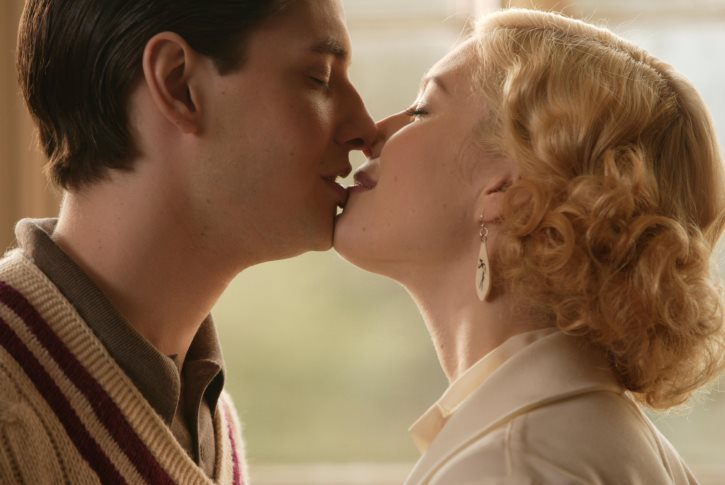
Larita, a glamorous American, meets John Whittaker at the Monaco Grand Prix and marries him. He takes her home to his family, where his mother dislikes her from the start.
- Netflix3.1/5
- IMDb6.6/1023,505 votes
- Rotten Tomatoes52%
Trailer
Plot summary
John Whittaker brings his new wife Larita to the family estate in Nottinghamshire to meet his mother Veronica, his father Jim, and his sisters Hilda and Marion. Veronica is already inclined to dislike her daughter-in-law, and finding that Larita is American makes it worse. Jim, troubled since the Great War and no longer interested in the estate, takes to her at once. Larita's inadvertent gaffes embarrass the family and turn the sisters against her, and she will not join in country pursuits such as hunting. Sarah Hurst, John's former girlfriend and a neighbor, is gracious about the marriage. John shows no eagerness to leave the estate for a home of their own.
Cast








- Michael Archeras Warwick Holborough





Did you know?!Facts and trivia about Easy Virtue (2008)
Can contain spoilers, watch the movie first.
- Stephan Elliott instructed Kristin Scott Thomas to play Mrs. Whittaker as a "mustache-twirling... Disney witch", direction the actress first called the worst she had ever received, before she embraced her character's wickedness and unflattering wardrobe.
- Noël Coward's play had already been made into a silent film in 1928, directed by Alfred Hitchcock and starring Isabel Jeans and Franklin Dyall, a version Coward never mentioned in his autobiography.
- Jessica Biel makes her musical debut singing two tracks on the soundtrack album, Ben Barnes sings several songs including "Room with a View", and Colin Firth makes a guest appearance on the closing track.
- In his autobiography Present Indicative, published in 1937, Noël Coward described his object in the play as being "to compare the déclassée woman of to-day with the more flamboyant demi-mondaine of the 1890s".