Children of Pleasure (1930) on Netflix
Approved19301h 10mComedyMusicalRomance
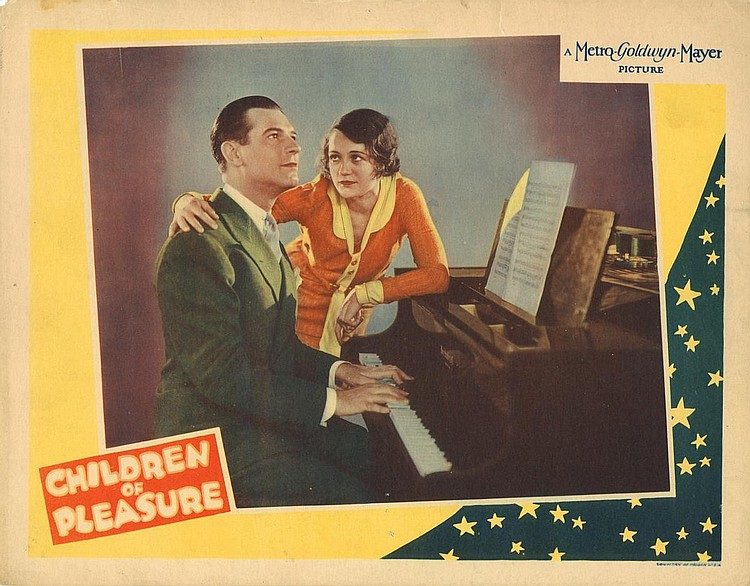
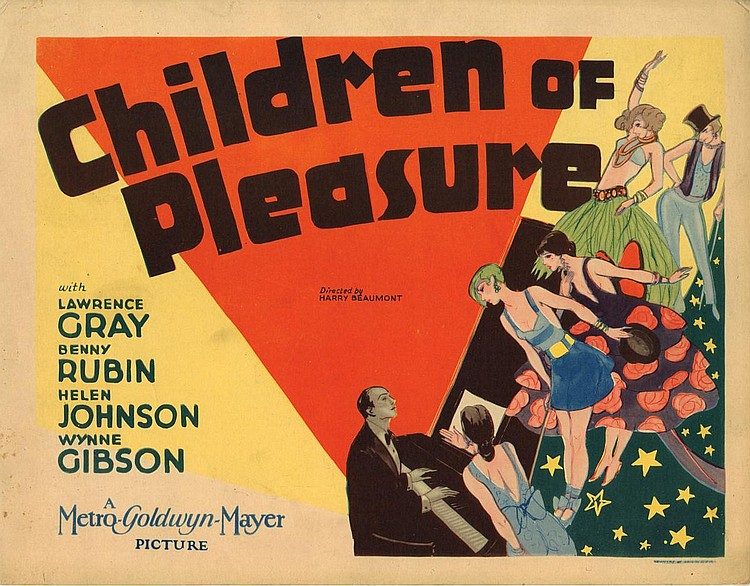
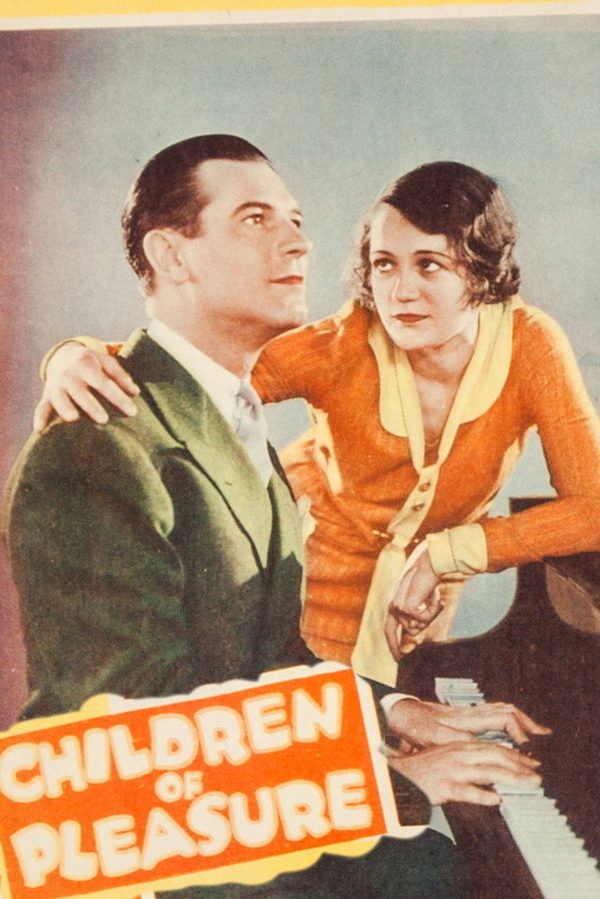
Danny Regan is a singer and songwriter whose success carries him into high society. He falls for the socialite Pat Thayer, and Emma Gray is his girl-Friday.
- Watch on NetflixThis title is not on Netflix right now. Please check back later for updates.
- Watch on Prime
- Watch on NordVPN
- Netflix2.8/5
- IMDb5.5/10206 votes
- Rotten TomatoesNot available
Plot summary
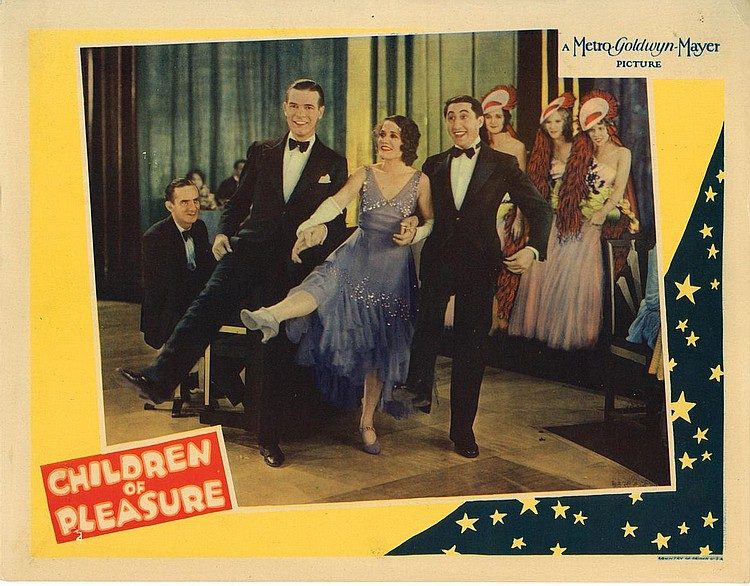
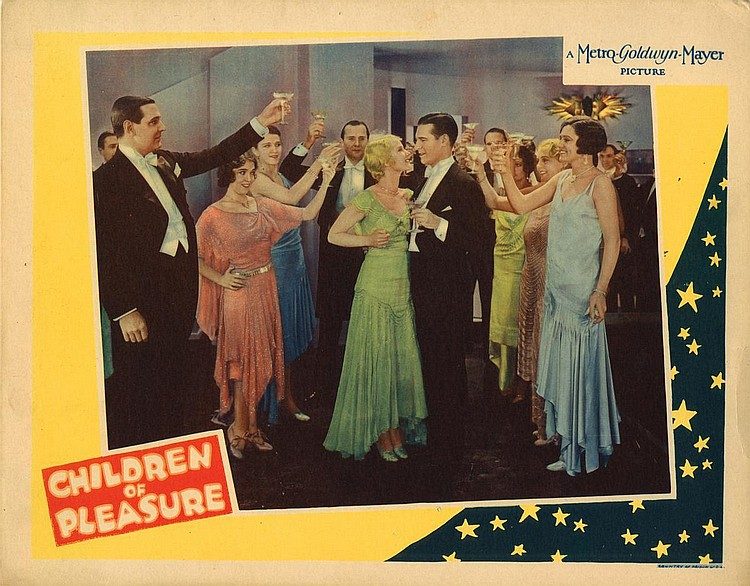
Danny Regan sings and writes songs, and success carries him into high society, which dazzles him. There he falls for the socialite Pat Thayer. Emma Gray is his girl-Friday. Danny is Jewish, and among the questions the picture raises is whether he should take on the ways of the wider culture around him. The picture is played against a theatrical backdrop and holds many songs and production numbers. It adapts a 1929 stage play written around the real courtship of a songwriter and a Long Island socialite whose millionaire father opposed the match. The film was first released with sequences in Technicolor, and a black-and-white version was shot at the same time.
Cast














Did you know?!Facts and trivia about Children of Pleasure (1930)
Can contain spoilers, watch the movie first.
- The play the film adapts riffed on the real-life romance of songwriter Irving Berlin and Long Island socialite Ellin Mackay, a gossip-column staple of the late 1920s; Mackay's millionaire father cut her off and refused to speak to her for years after she married the Jewish Berlin.
- The film's Technicolor sequences were swapped out for a black-and-white version shot at the same time, because the autumn 1930 backlash against musicals made printing color seem superfluous. Only part of the Technicolor "Dust" number survives, reused in the 1934 short Roast-Beef and Movies and in That's Entertainment! III (1994).