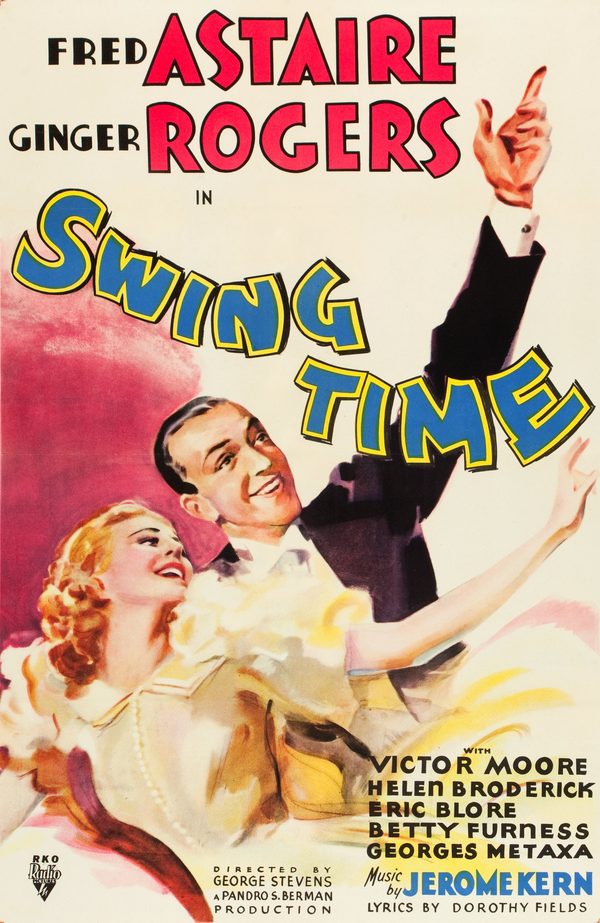
Trailer

Plot summary
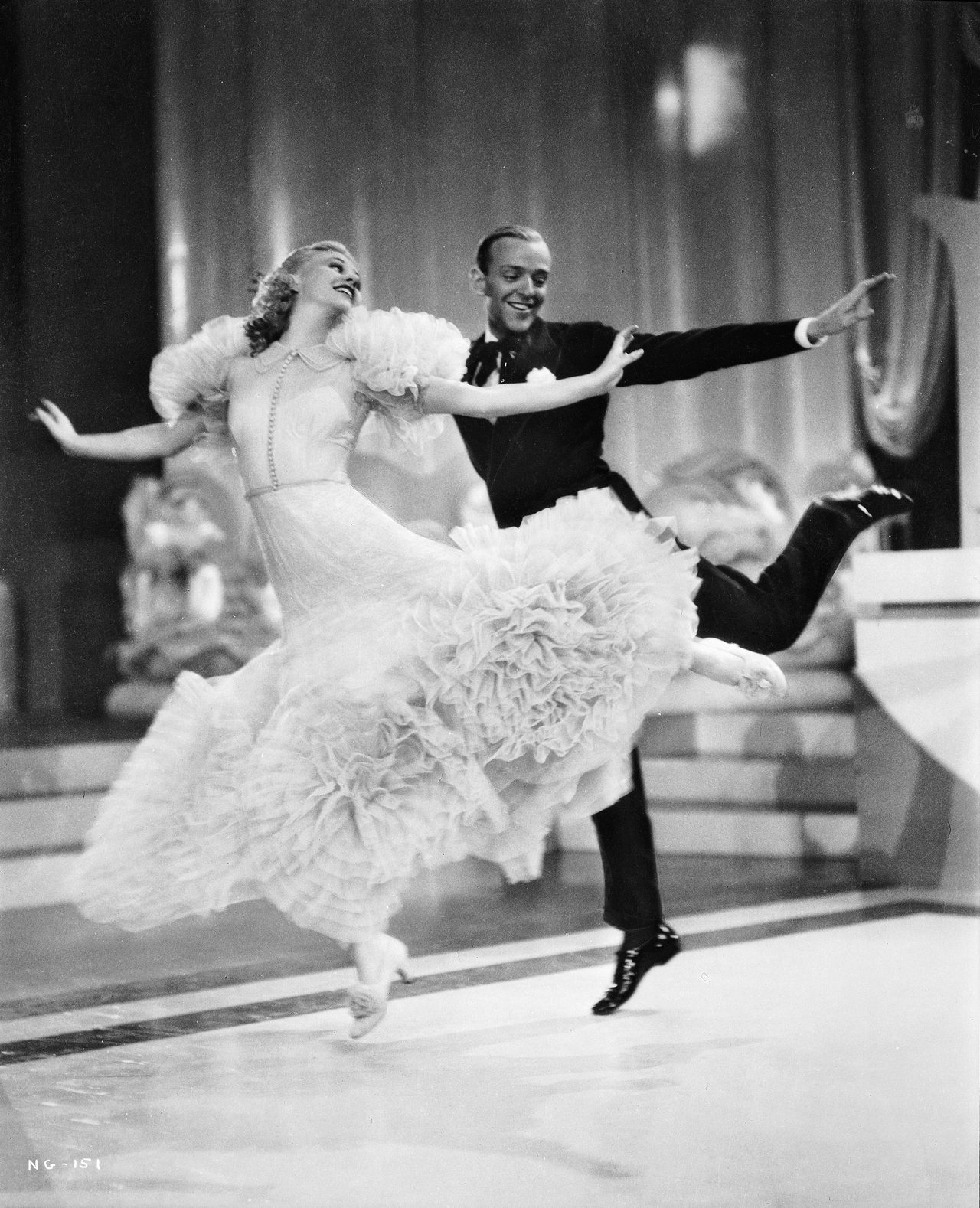
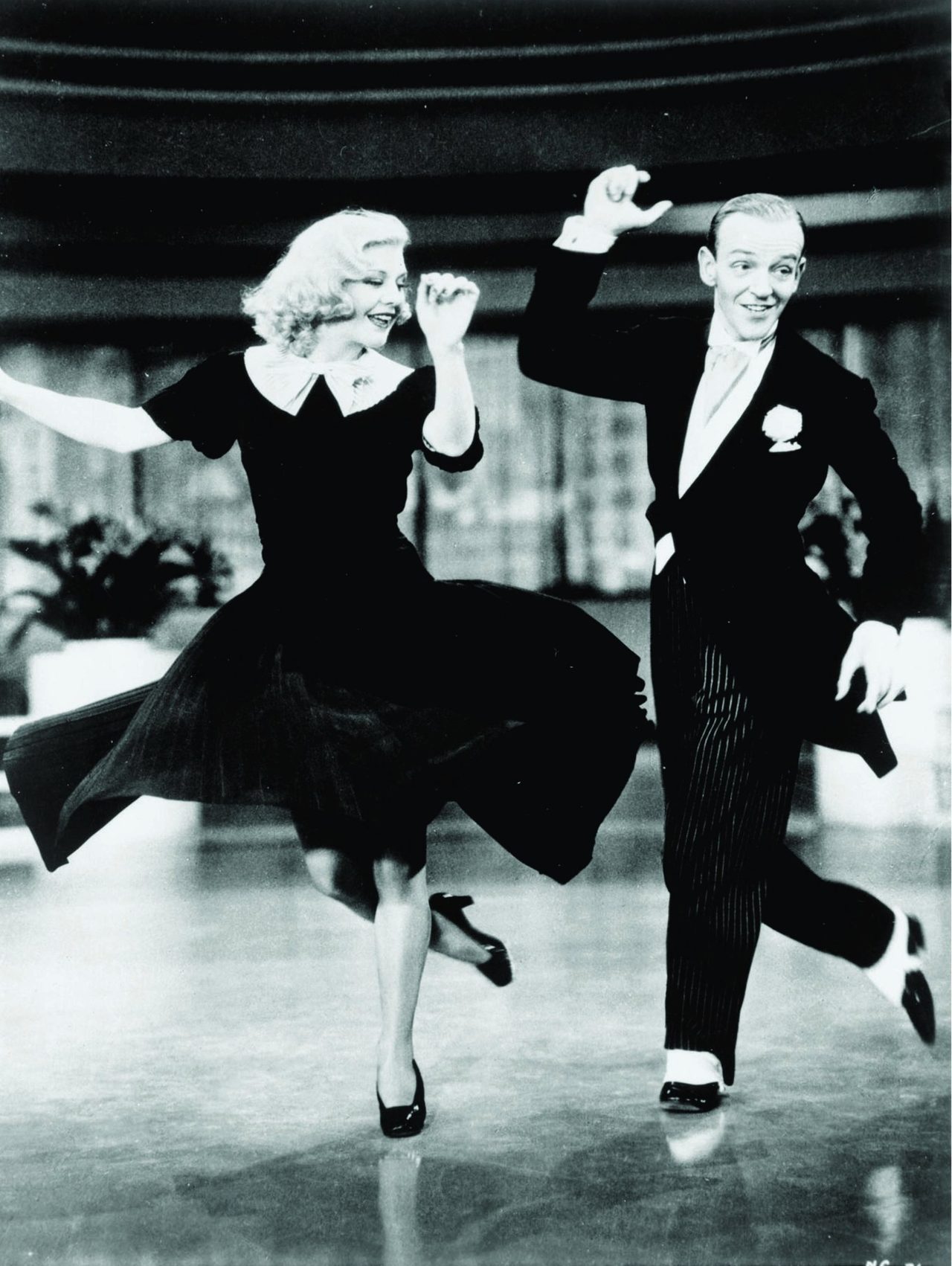
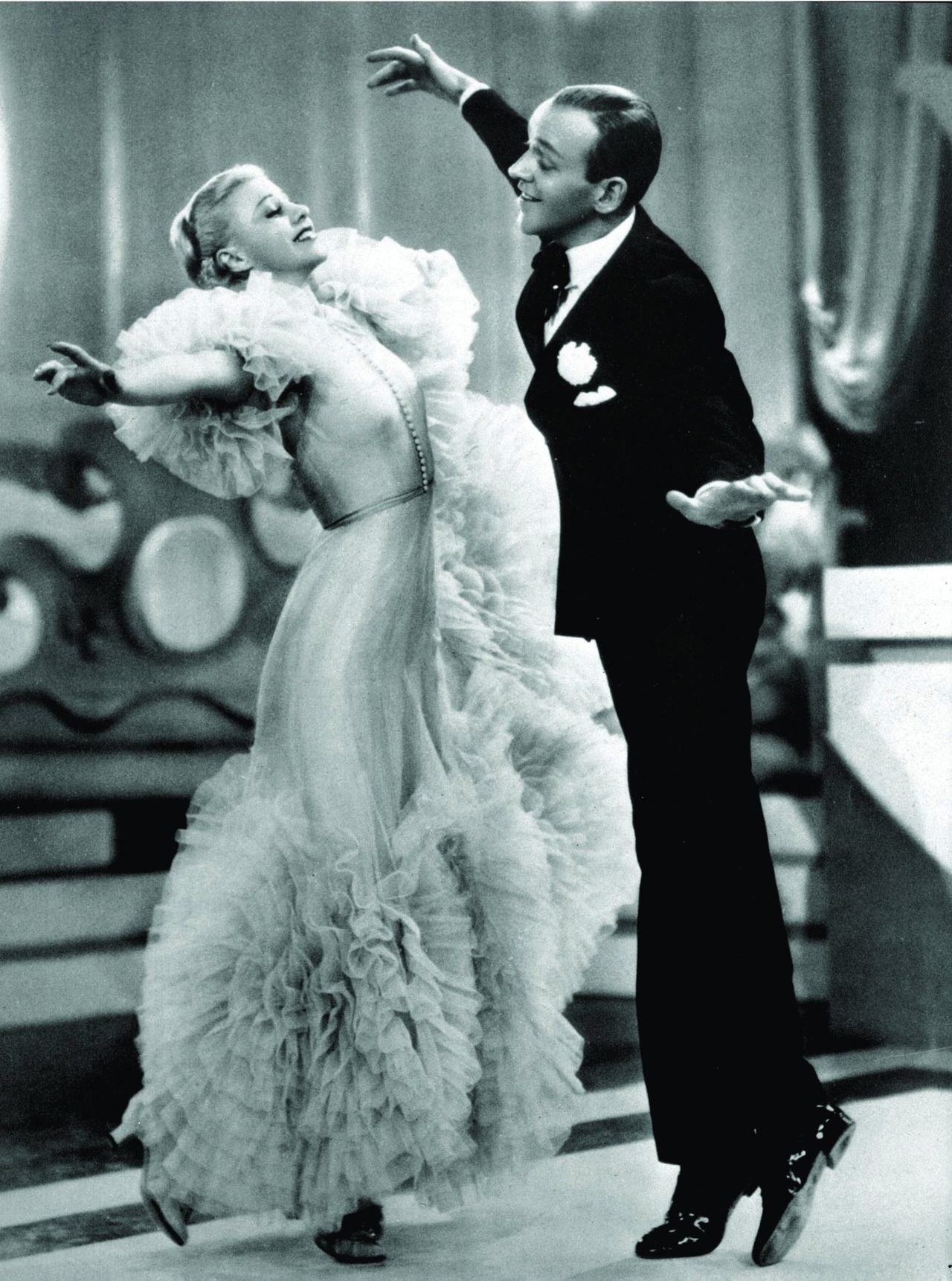
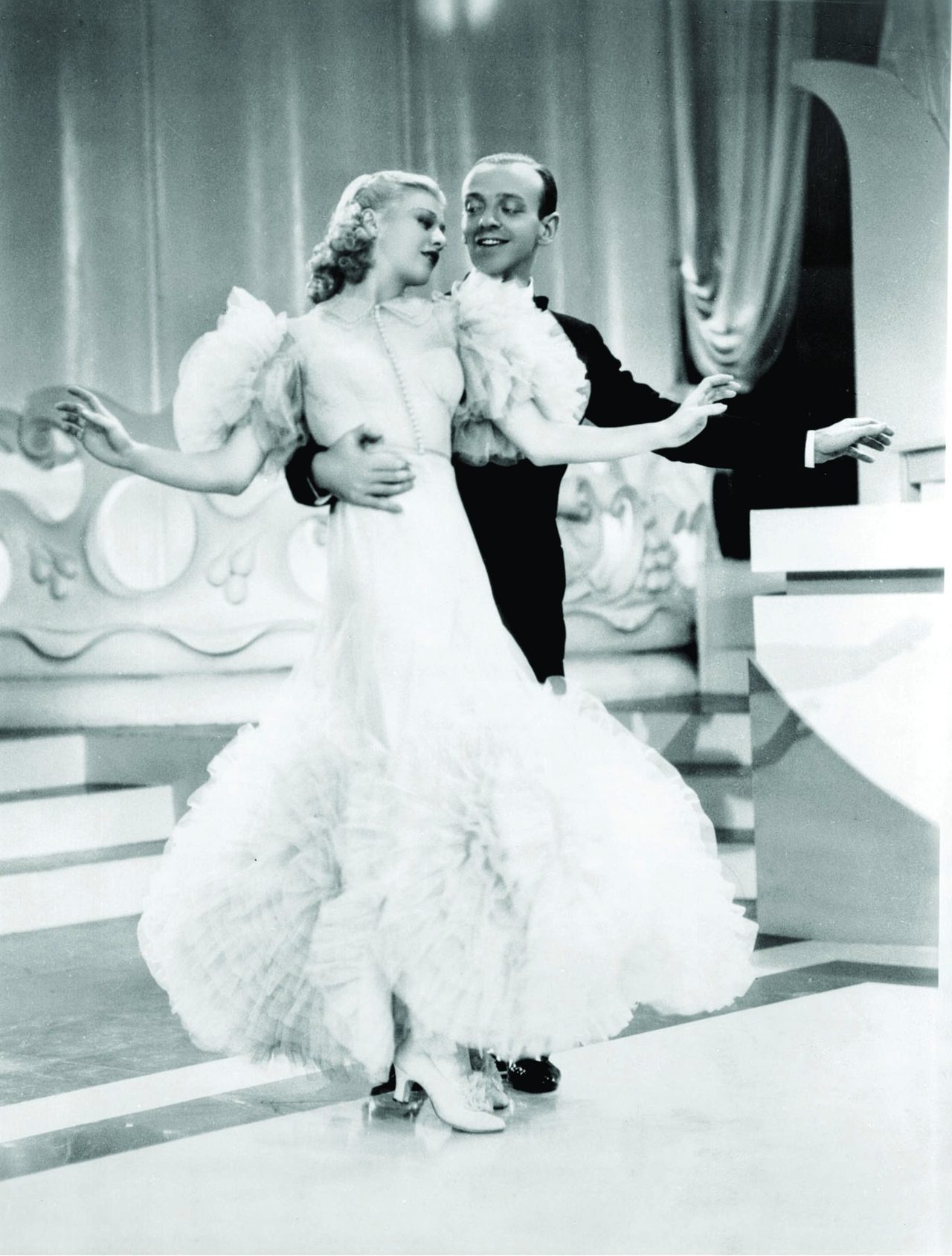
John "Lucky" Garnett dances and gambles, and he is due to marry Margaret Watson until the rest of his dance act sabotages the wedding and he arrives after the guests have gone. Judge Watson will agree to the marriage only if Lucky earns $25,000, so Lucky and his friend Pop Cardetti ride a freight train to New York. There he asks a dance instructor, Penny Carroll, to change his lucky quarter, then follows her to the academy where she teaches and takes a lesson. It goes badly and her boss, Mr. Gordon, dismisses her, so Lucky dances with Penny to show how much she has taught him; Gordon gives her back her job and arranges an audition at a nightclub.
Cast








Did you know?!Facts and trivia about Swing Time (1936)
Can contain spoilers, watch the movie first.
- The film's closing dance routine was shot 47 times in one day before Astaire was satisfied, and Rogers's feet were left bruised and bleeding by the time they finished.
- To make Astaire appear to dance with three larger-than-life shadows of himself, he was filmed in front of a blank white screen with a powerful light projecting his shadow, that footage was tripled in the lab, and four shots were optically combined; the sequence took three full days to shoot.
- "Bojangles of Harlem" overtly pays tribute to Bill Robinson, but Astaire broadens it by dancing in the style of his one-time teacher John W. Bubbles and dressing as Sportin' Life, the role Bubbles played in Gershwin's Porgy and Bess. It is the only number in which he appears in blackface.
- The working titles were I Won't Dance and Never Gonna Dance, but studio executives worried that no one would come to see a musical in which no one danced, so the title was changed; Pick Yourself Up was considered, as were 15 other possibilities.
- Astaire's rehearsal pianist Hal Borne contributed ideas during rehearsal and Astaire asked that he be credited, but Kern insisted that Borne receive no credit, compose no music and be paid nothing for any music he wrote.