Trailer
Plot summary
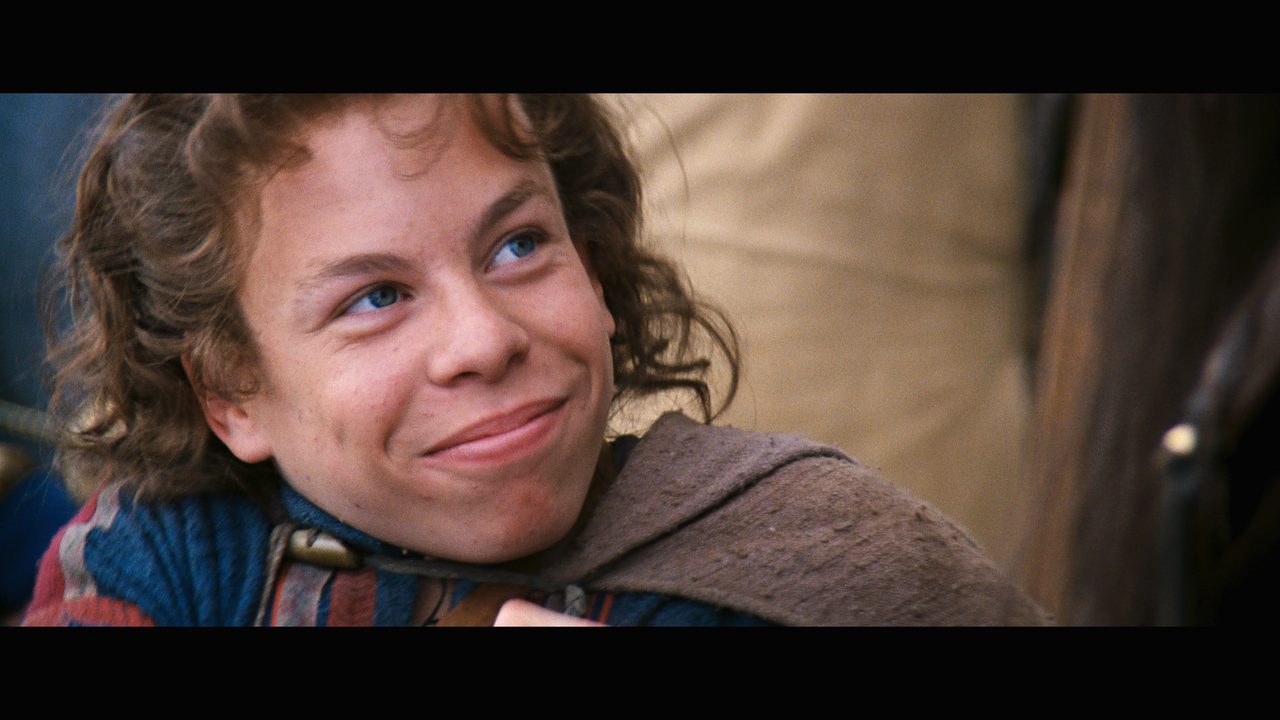
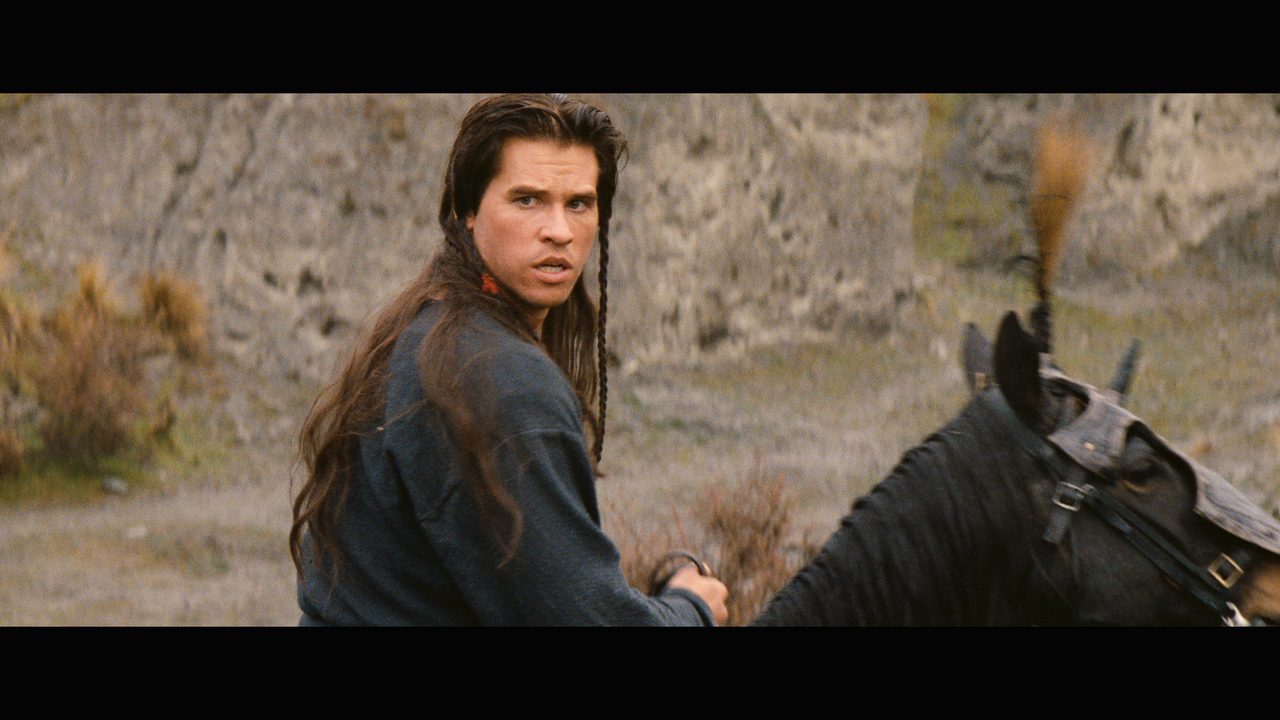
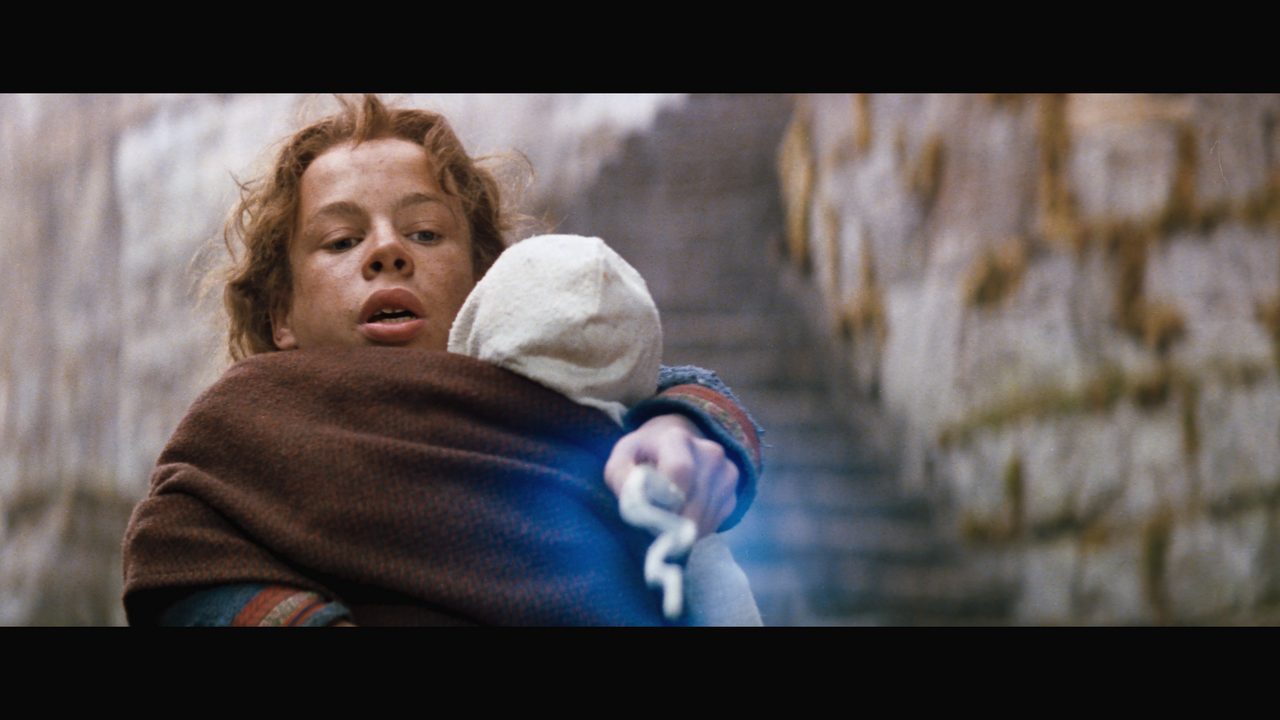
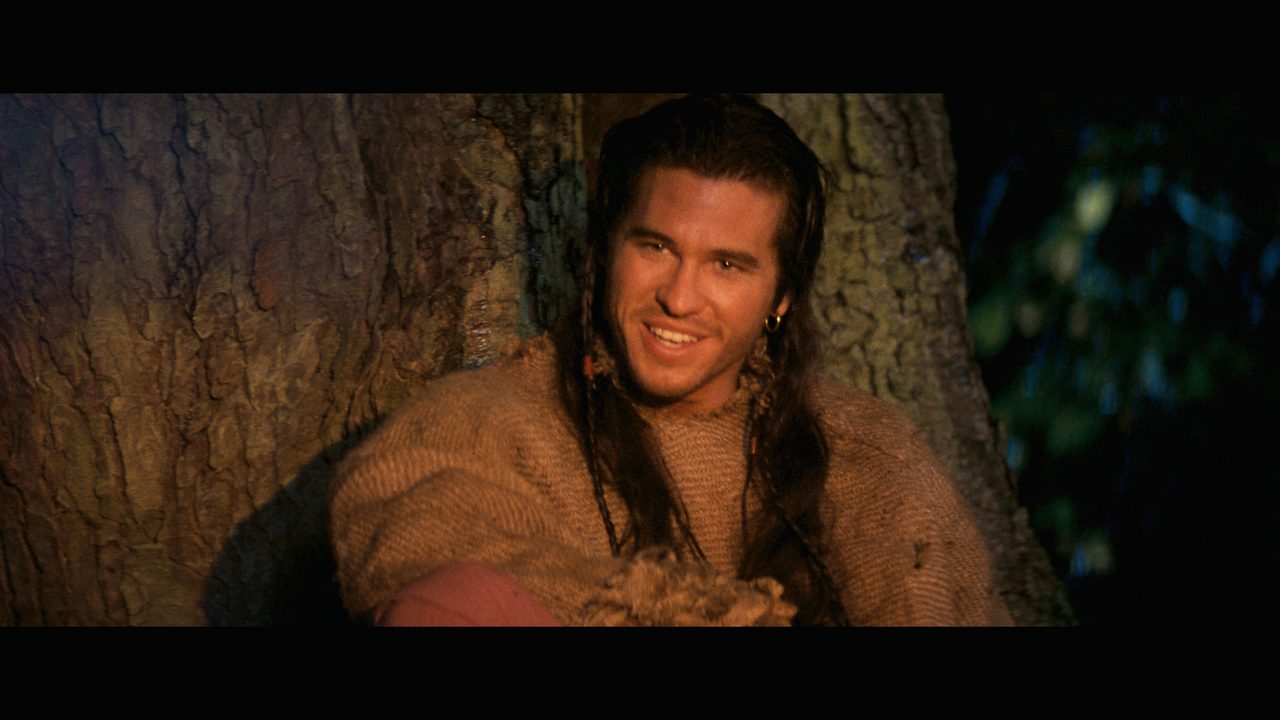
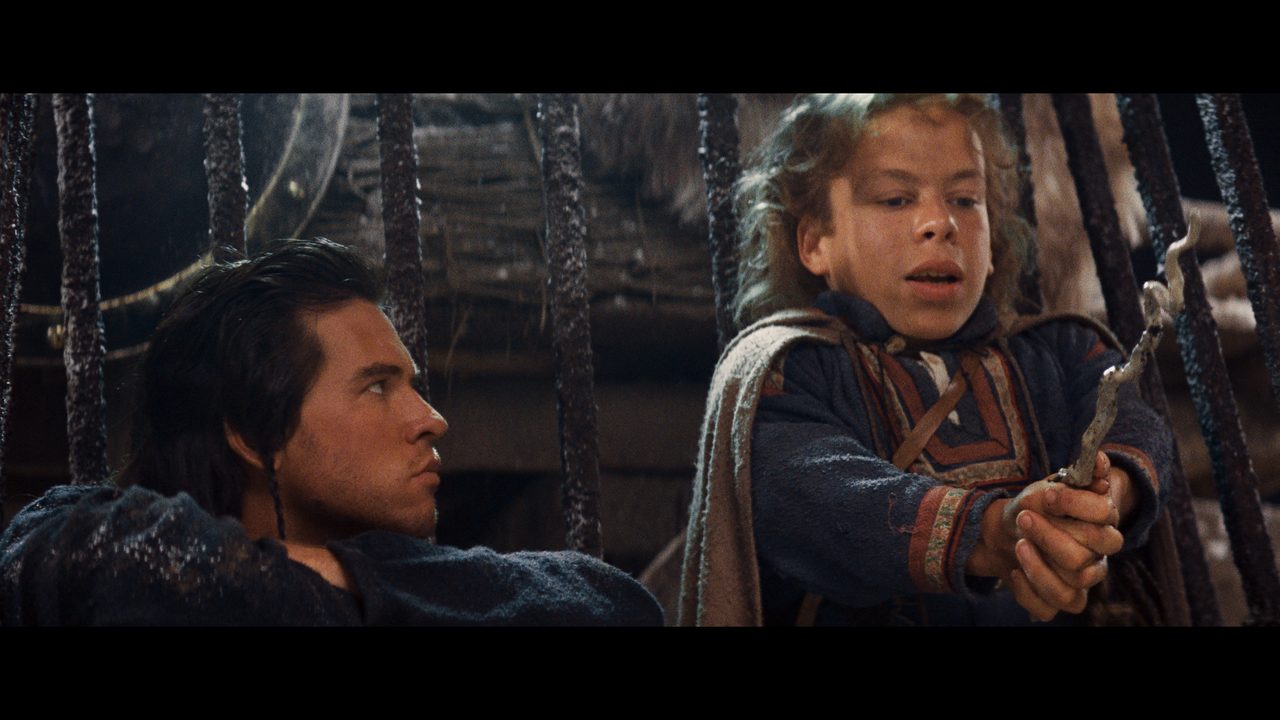
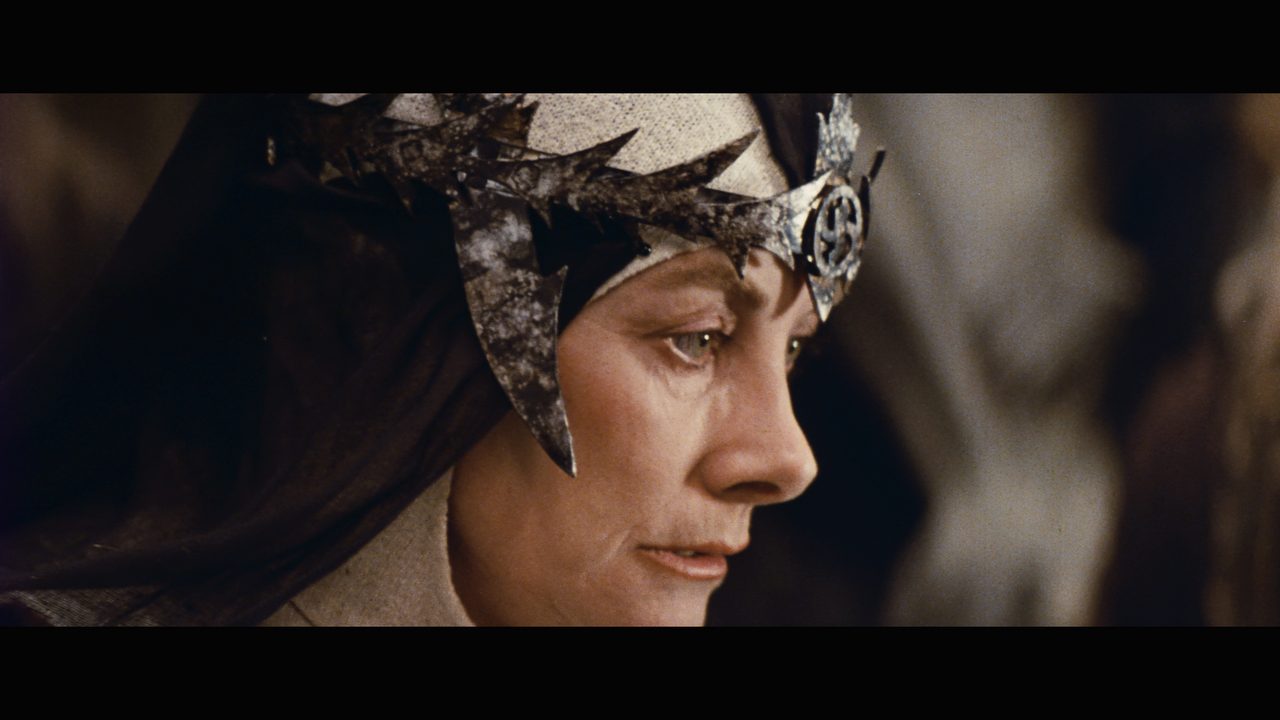
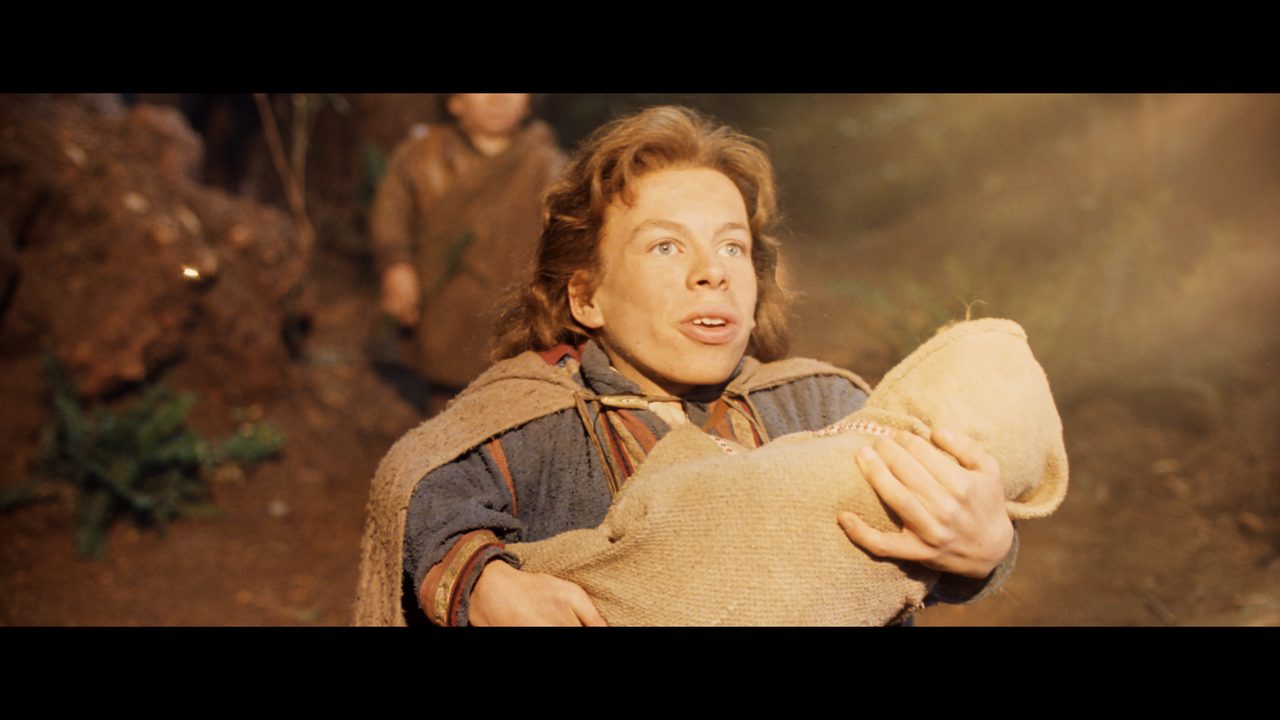
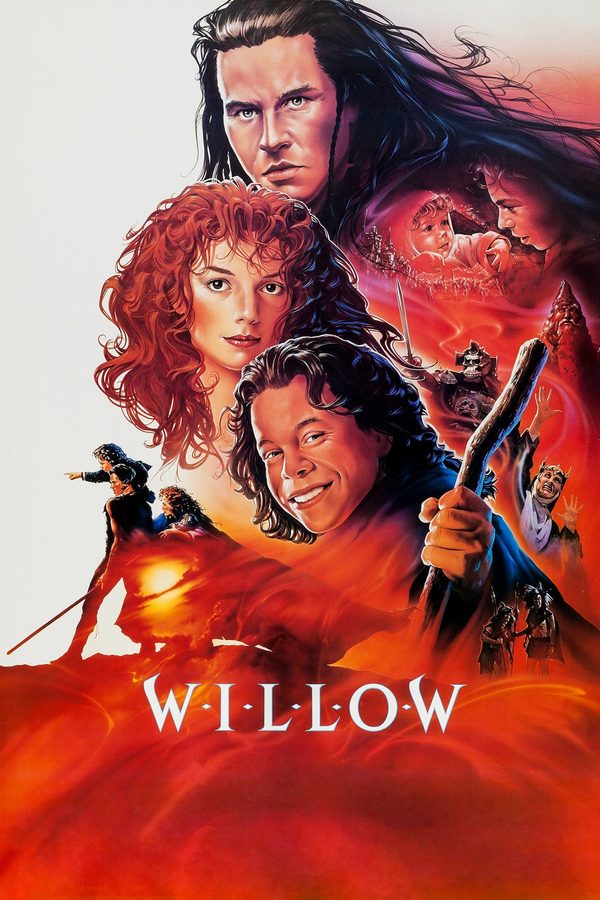
Queen Bavmorda learns that a child marked with a special rune at birth is prophesied to cause her downfall, and she has every pregnant woman in her realm imprisoned. The baby is born anyway, her mother has the midwife Ethna smuggle her from the castle, and Bavmorda's hounds give chase. Ethna sets the infant adrift on a river. Downstream she is found by the children of Willow Ufgood, a Nelwyn farmer and aspiring sorcerer. When a hound attacks cradles at the village festival, High Aldwin rules the baby must go to a Daikini family. Willow and a few volunteers set out, and at a crossroads they meet the caged mercenary Madmartigan, who offers to take the child in return for his freedom.
Cast













Did you know?!Facts and trivia about Willow (1988)
Can contain spoilers, watch the movie first.
- George Lucas conceived the idea for the film, originally titled Munchkins, in 1972. During the production of Return of the Jedi in 1982 he approached Warwick Davis, who was portraying Wicket the Ewok, about playing Willow Ufgood, and five years passed before Davis was actually cast in the role.
- Lucas named the character of General Kael, played by Pat Roach, after film critic Pauline Kael, a fact not lost on Kael in her printed review, where she called General Kael an homage a moi. The two-headed dragon was called an Eborsisk after film critics Gene Siskel and Roger Ebert.
- Lucas took Willow to MGM, headed by Alan Ladd Jr., who had greenlit Star Wars while running 20th Century Fox in the mid-1970s. With MGM in financial trouble, Ladd advanced half the $35 million budget for theatrical and television rights, leaving Lucasfilm the home video and pay television rights for the rest.
- ILM VFX supervisor Dennis Muren found stop-motion and optical effects too technically challenging for the transformation scene and used it instead to advance digital morphing, filming each animal and the actress doubling for Hayes and feeding the images into a program developed by Doug Smythe.
- Smythe began development of the software in September 1987, and by March 1988 Muren and fellow designer David Allen had achieved a breakthrough for computer-generated imagery, with techniques ILM later used on Indiana Jones and the Last Crusade, Terminator 2: Judgment Day and Star Trek VI.
- Horner's Willow's Theme purposefully contains a reworking of part of the theme of the first movement, Lebhaft, of Robert Schumann's Symphony No. 3, while Elora Danan's Theme references the Bulgarian folk song Mir Stanke Le, also known as the Harvest Song from Thrace.
- Lucas had hoped it would earn as much as E.T. the Extra-Terrestrial, but the film faced early competition from Crocodile Dundee II, Big and Rambo III and grossed $57.3 million in the United States and Canada. In Japan it took $16.7 million in seven weeks, MGM's highest-grossing film there at the time.