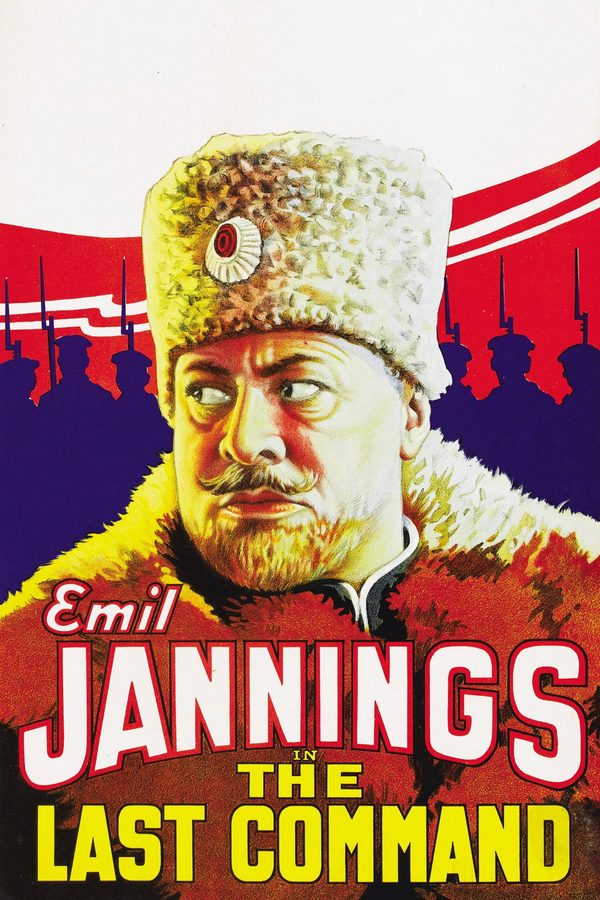
The Last Command (1928) on Netflix
NR19281h 28mDramaHistoryRomance
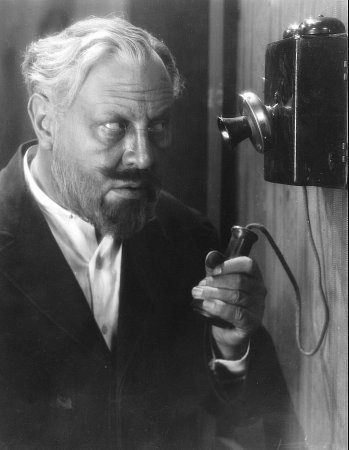
In 1928 Hollywood, a director pauses over the photograph of an aged extra. Ten years before, Grand Duke Sergius Alexander, cousin of the Czar, commanded Russia's armies in the Revolution.
- Netflix4.4/5
- IMDb7.9/105,152 votes
- Rotten Tomatoes95%
Clip

Plot summary
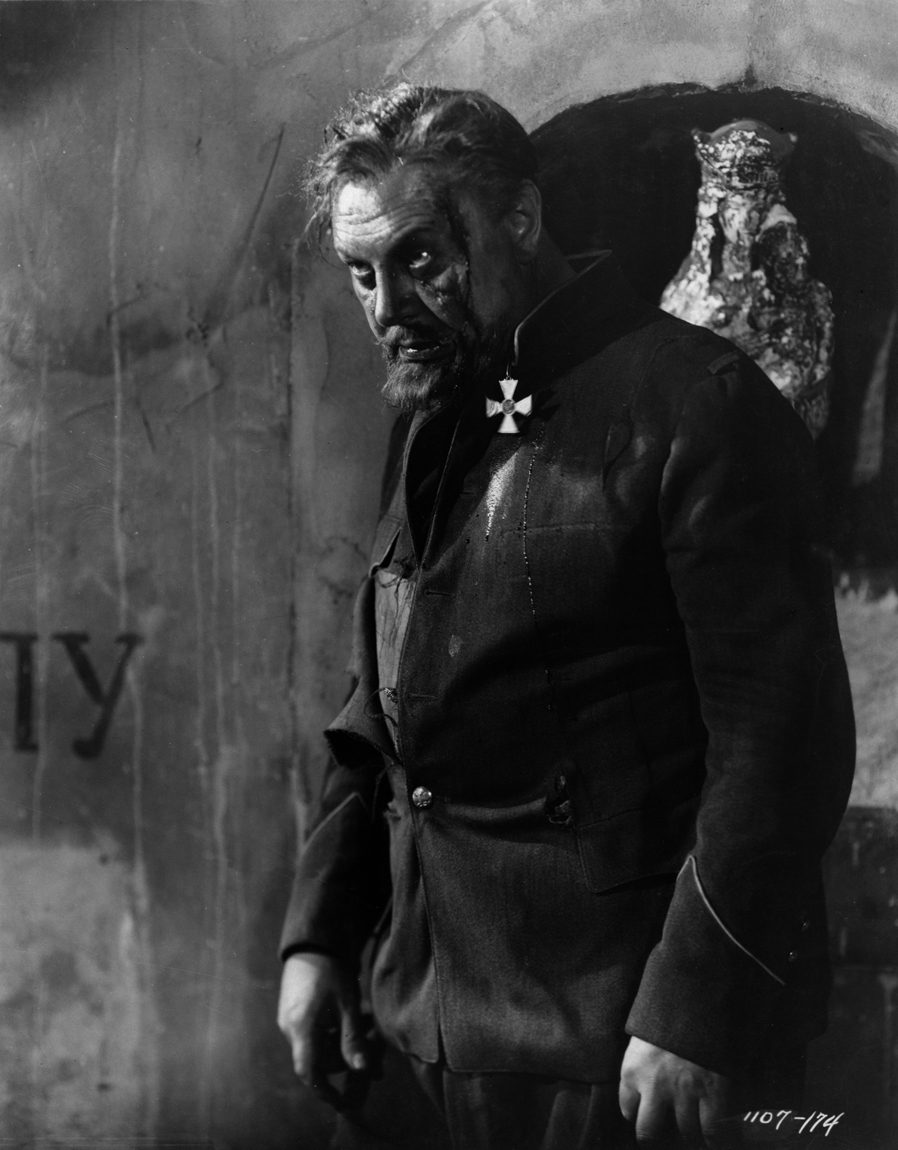
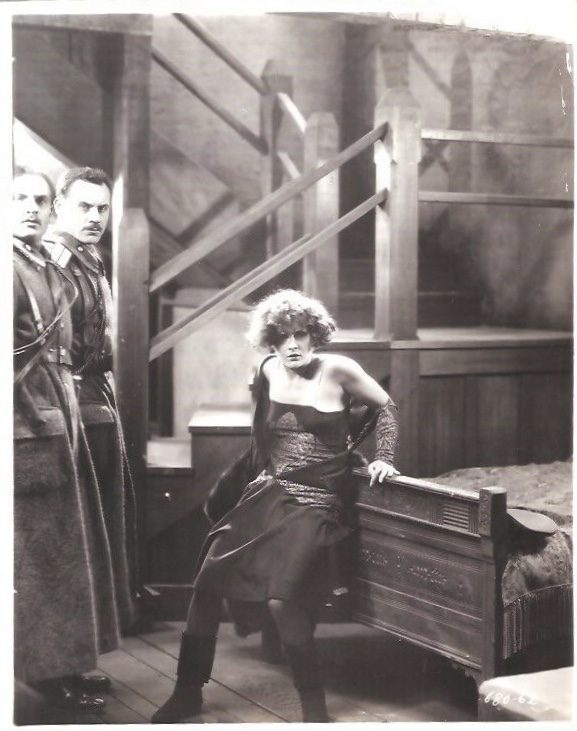
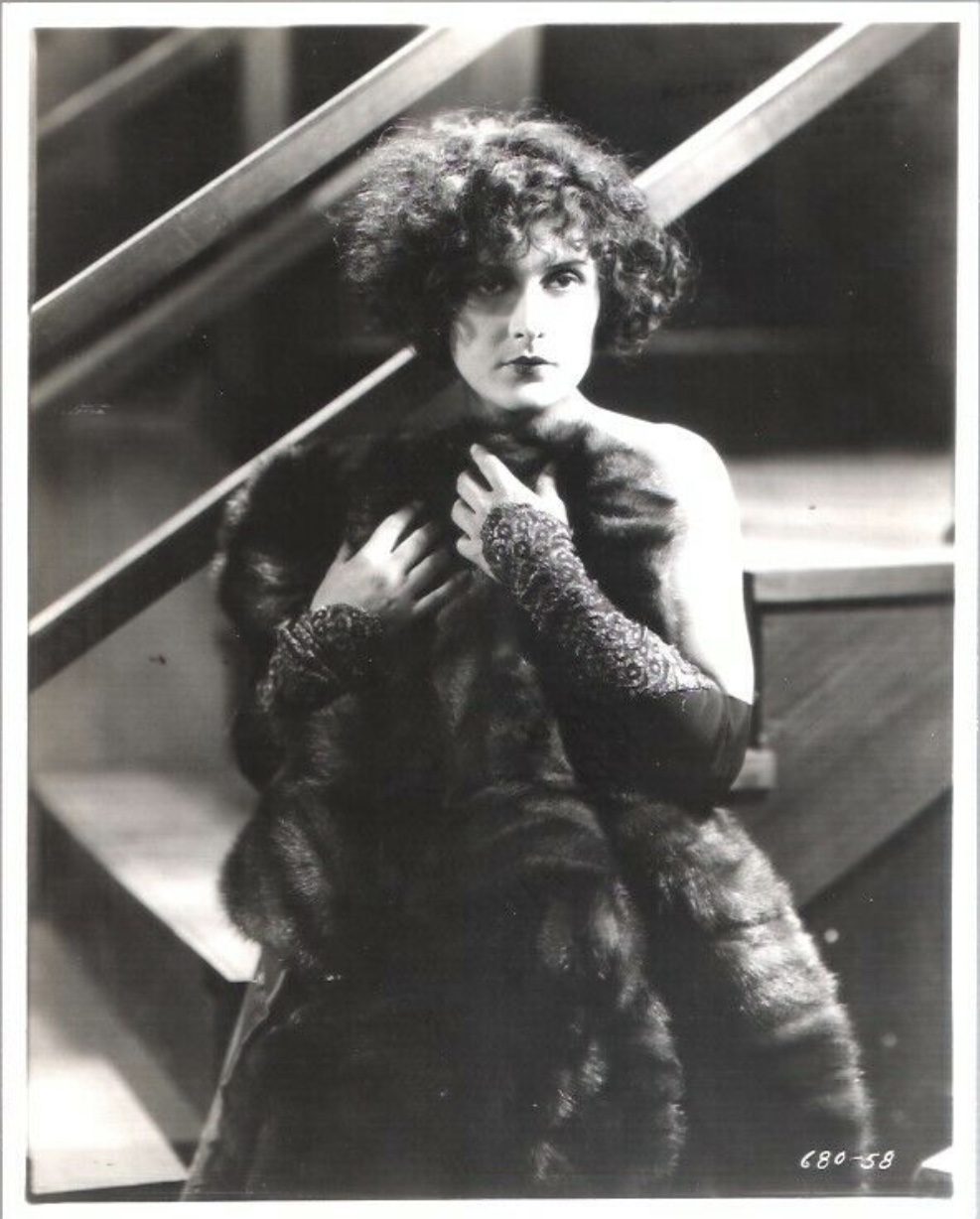
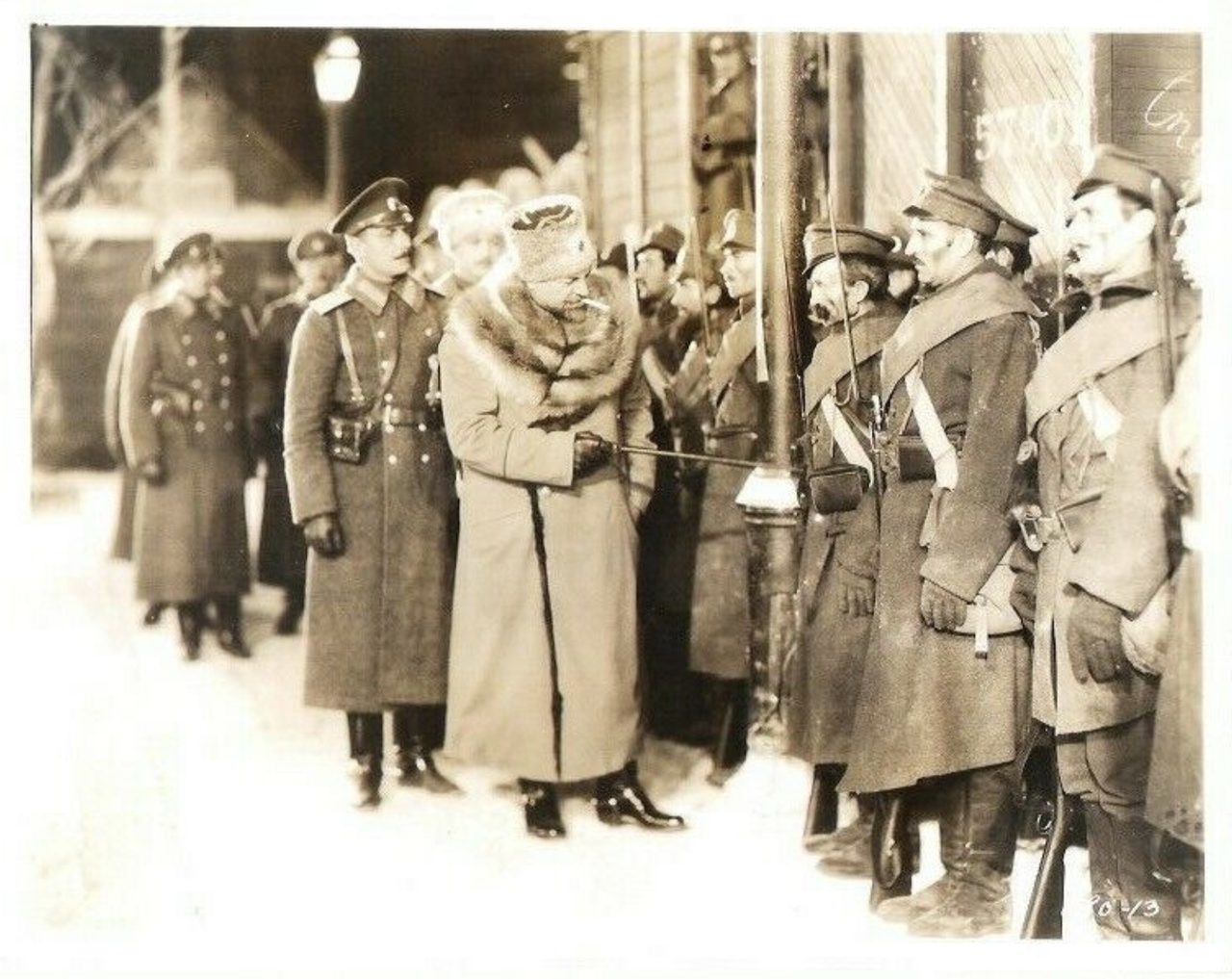
In 1928, an aged man joins the crowd of extras at a Hollywood studio and is handed a general's uniform. While he dresses, another actor complains that the twitching of his head is distracting, and Sergius Alexander says a great shock caused it. In Czarist Russia during the Revolution, he had been Grand Duke Sergius Alexander, cousin of the Czar and commander of all his armies. His adjutant reports that a passport check found two revolutionists among the actors entertaining his troops. The Grand Duke decides to toy with them for amusement. The insolent one he has whipped and jailed, but the man's companion, Natalie Dabrova, intrigues him, and he takes her along.
Cast


- Jack Raymondas Assistant director
- Nicholas Soussaninas The adjutant

- Alexander Ikonnikovas Drillmaster (uncredited)
- Nicholas Koblianskyas Drillmaster (uncredited)


Did you know?!Facts and trivia about The Last Command (1928)
Can contain spoilers, watch the movie first.
- The story was inspired by a real Imperial Russian Army general, Theodore A. Lodijensky, whom Ernst Lubitsch had met in Russia and later in New York, where he ran a Russian restaurant after fleeing the communist revolution. Lubitsch saw him again in full uniform, applying for work as an extra at $7.50 a day, the same rate as Sergius in the film.
- Paramount executives stalled the release of The Last Command after finding that Josef von Sternberg had portrayed Hollywood as heartless and cynical and had misrepresented the Russian Revolution, including recognizable portraits of Trotsky and the young Stalin. Only under duress from a wealthy Paramount stockholder did the studio distribute it.
- Emil Jannings won the first Academy Award for Best Actor in a Leading Role, at the 1929 ceremony, for his performances in The Last Command and The Way of All Flesh, the only year in which multiple roles could be considered for one acting award.