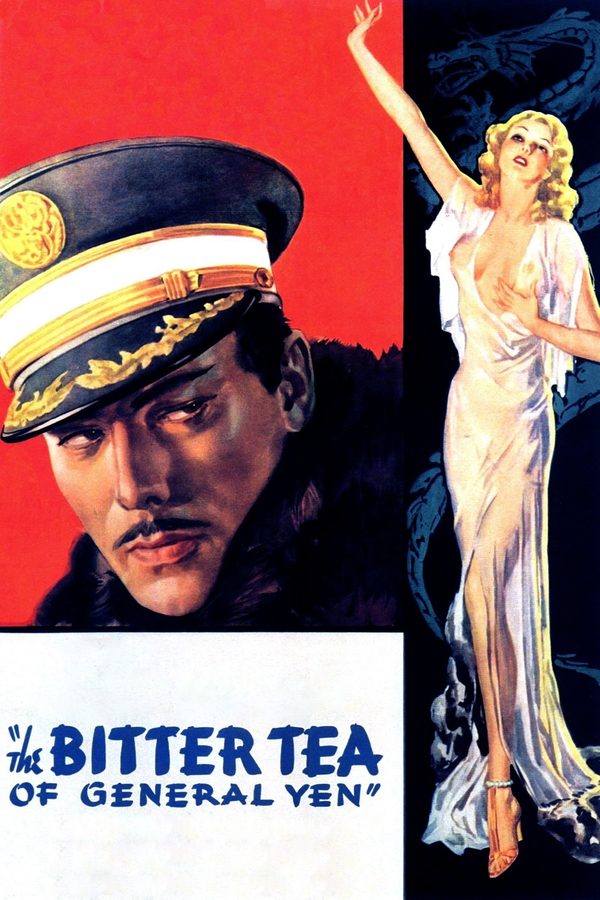
The Bitter Tea of General Yen (1932) on Netflix
Megan Davis arrives in Shanghai to marry Robert Strike, a missionary. He postpones the wedding to rescue orphans in the civil war, and she travels with him to General Yen's headquarters.
- Netflix3.9/5
- IMDb6.9/104,865 votes
- Rotten Tomatoes86%
Plot summary
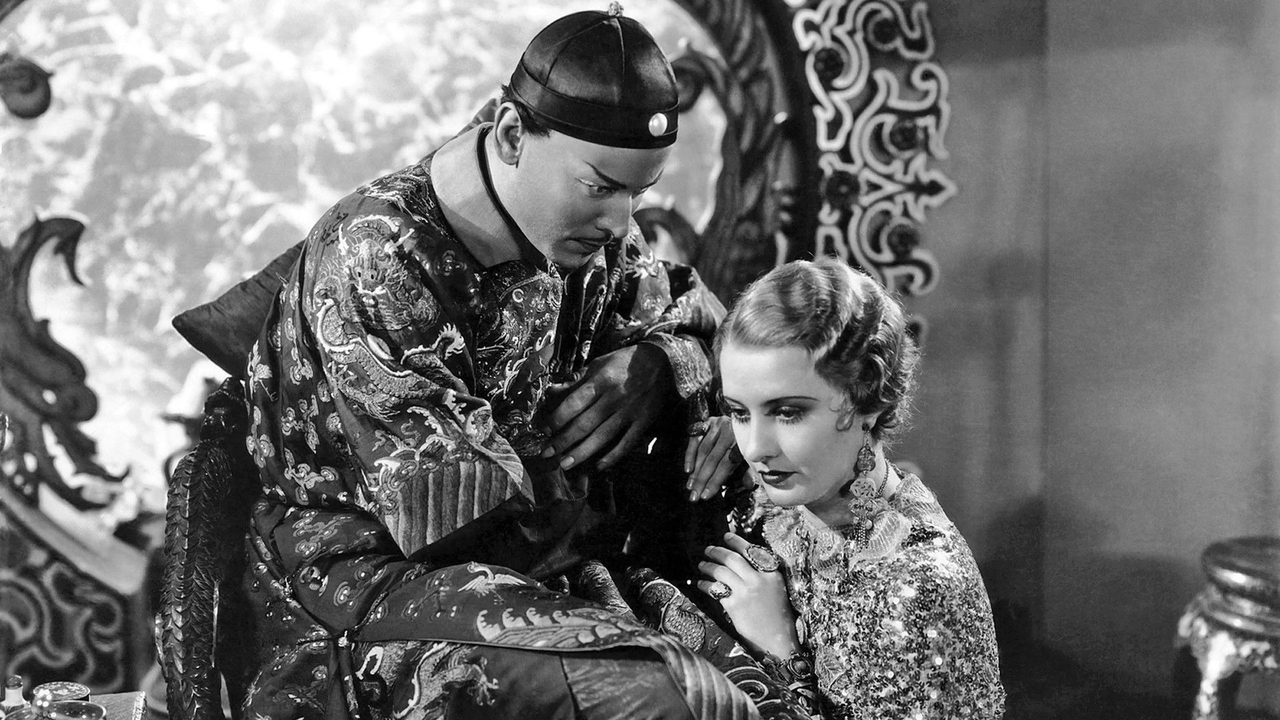
In Shanghai in the late 1920s, during the Chinese Civil War, Megan Davis arrives to marry Robert Strike, a missionary she last saw three years earlier. He postpones the wedding to fetch a group of orphans endangered by the fighting, and she insists on going with him. At the headquarters of the warlord General Yen, Bob asks for a pass to Chapei. Yen, who scorns the missionary's zeal, gives him a worthless paper. The group reaches St. Andrews orphanage, but the pass only makes soldiers laugh and they take the car. In the crush at the station, Megan and Bob are separated, and she regains consciousness in the general's private troop train, attended by his concubine, Mah-Li.
Cast








Did you know?!Facts and trivia about The Bitter Tea of General Yen (1932)
Can contain spoilers, watch the movie first.
- Frank Capra asked 65 stenographers at the studio to vote for their favorite actor, and by a three-to-one margin they chose Nils Asther for the lead in The Bitter Tea of General Yen.
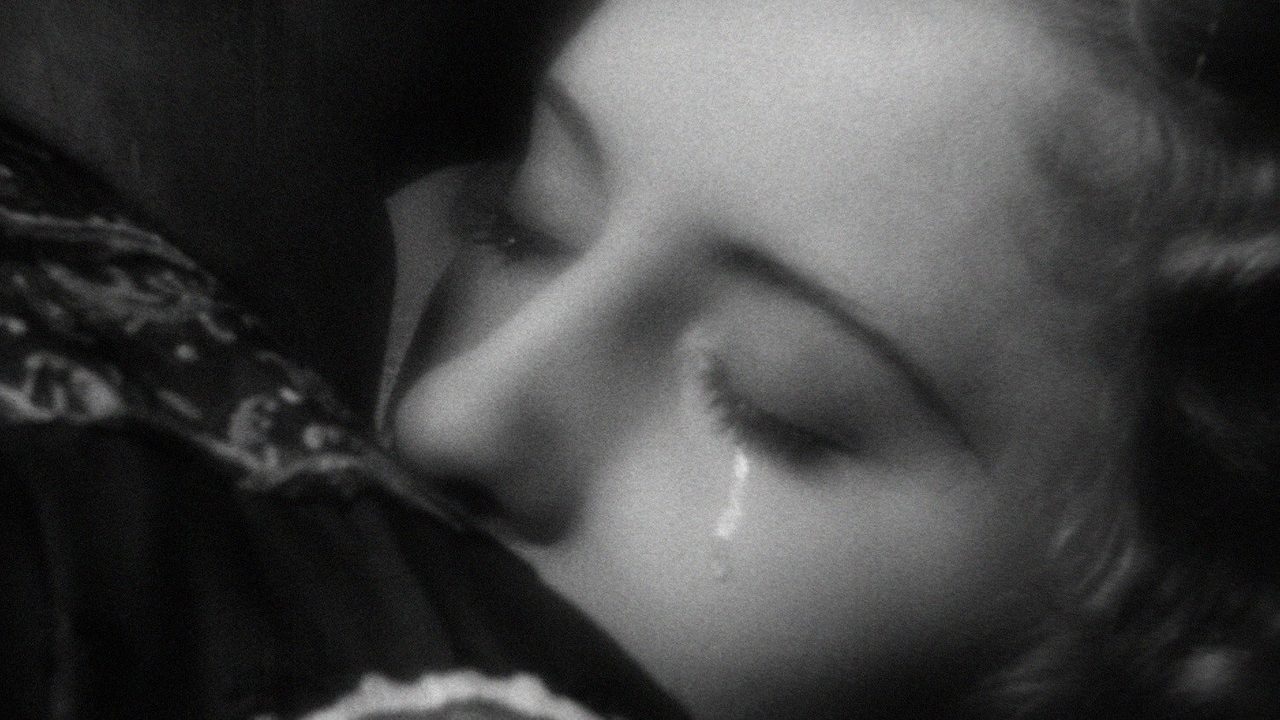
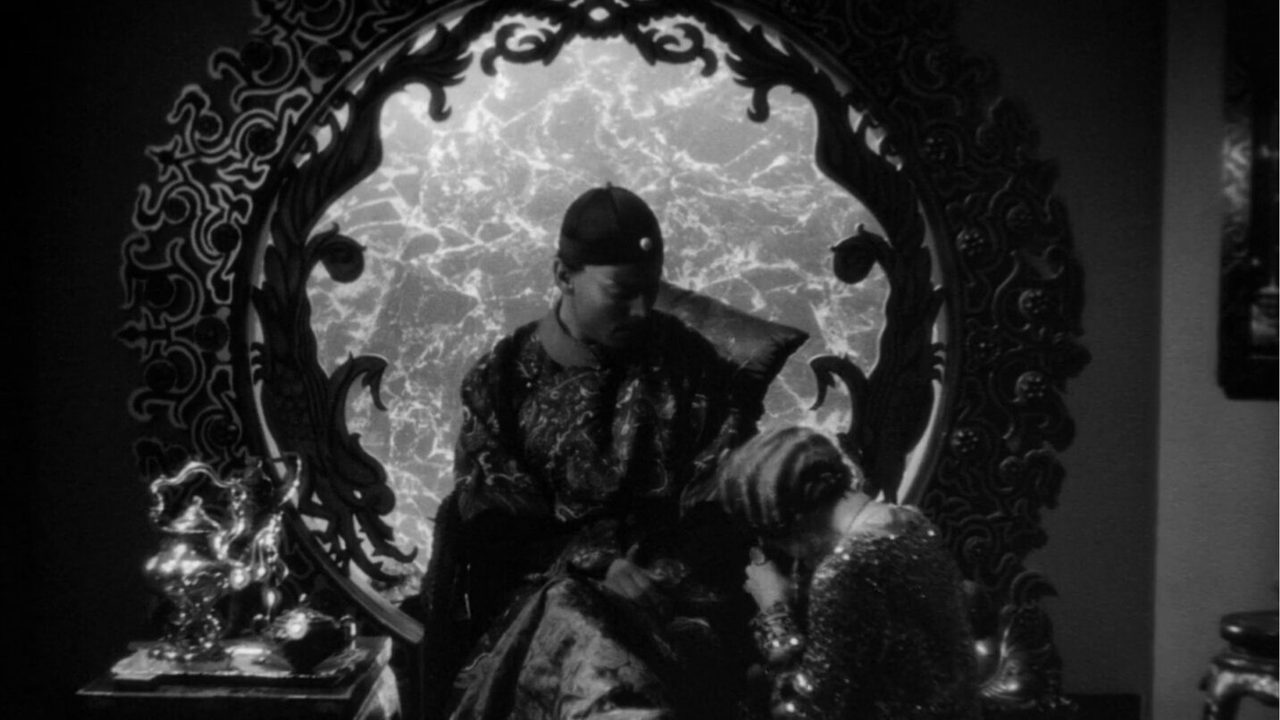
- For a diffused, romantic look, Frank Capra had the film shot through a silk stocking stretched over the lens; when a clearer image of a person was needed, a cigarette was used to burn a hole in the stocking.
- The Bitter Tea of General Yen was the first film to play at Radio City Music Hall, opening the venue on January 6, 1933, and was also one of the first films to deal openly with interracial sexual attraction.
- The British Board of Censors required cuts before approving the film, and in 1950 the Production Code Administration refused to let Columbia reissue it, objecting to its characterisations of Americans and Chinese and to a scene where the heroine offered herself to the general.
- Frank Capra told Columbia Pictures head Harry Cohn that he wanted an Academy Award nomination; Cohn said only "arty" films were nominated, so Capra looked for a novel that fit and chose Grace Zaring Stone's The Bitter Tea of General Yen.
- Screenwriter Edward Paramore threw out the philosophical nature of the hit novel and replaced it with a story about a sheltered white woman who succumbs to the sensual nature of an exotic Asian.
- Because he believed Barbara Stanwyck did her best work on the first take, Frank Capra refused to rehearse her; he rehearsed the rest of the cast first, then had her step in and shoot her scene with them.
- In a scene unusual for Capra, an optical printer superimposed images of riots over Megan's face to make her emotional confusion seem more palpable; the film also contains a surrealistic dream sequence.