Trailer

Plot summary
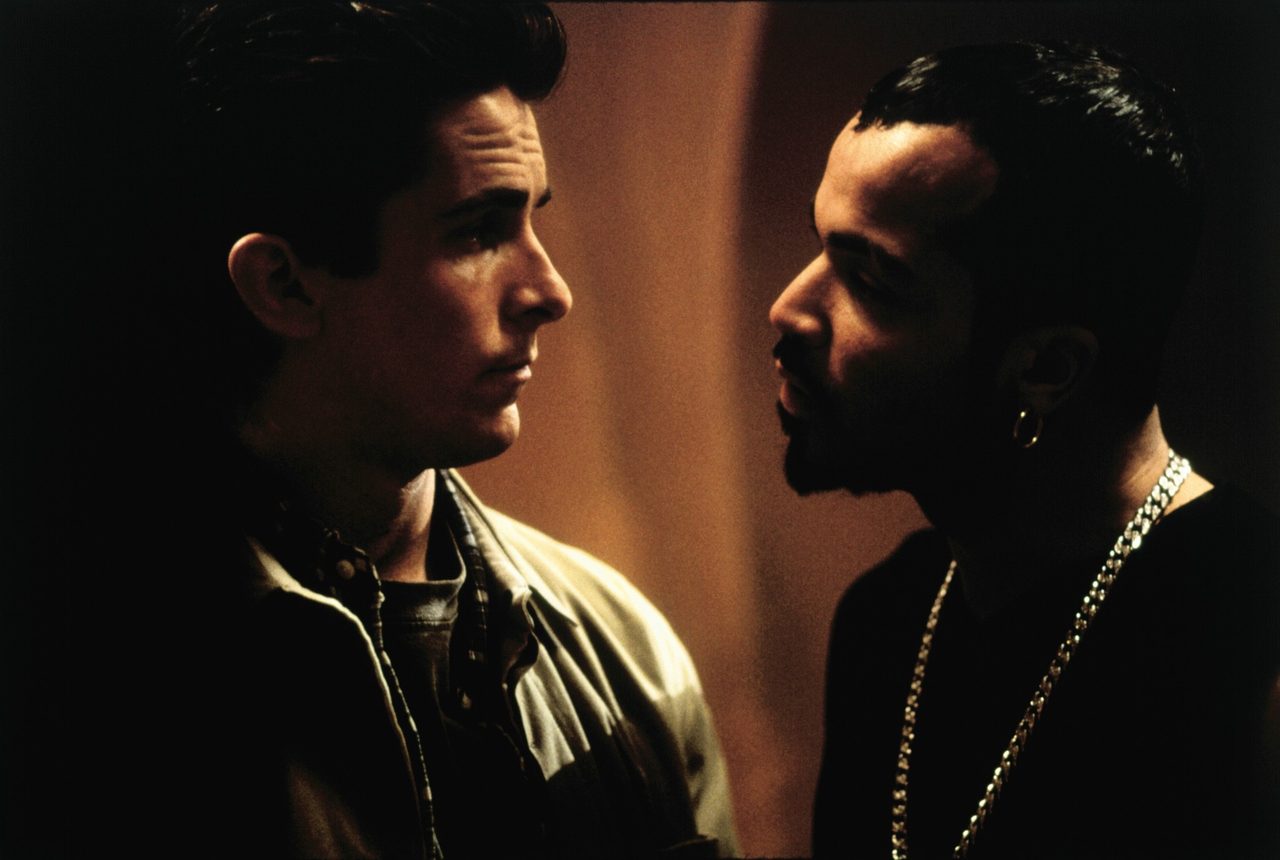
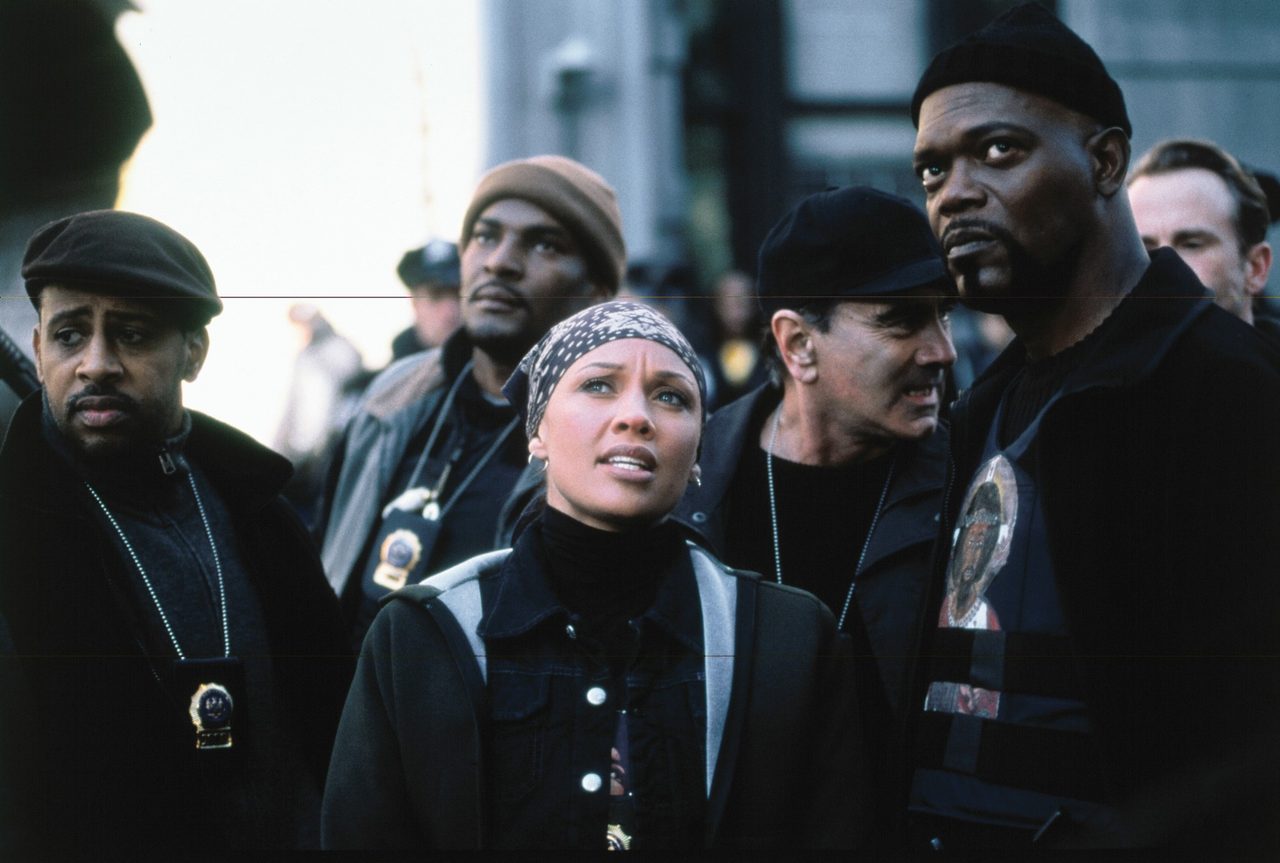
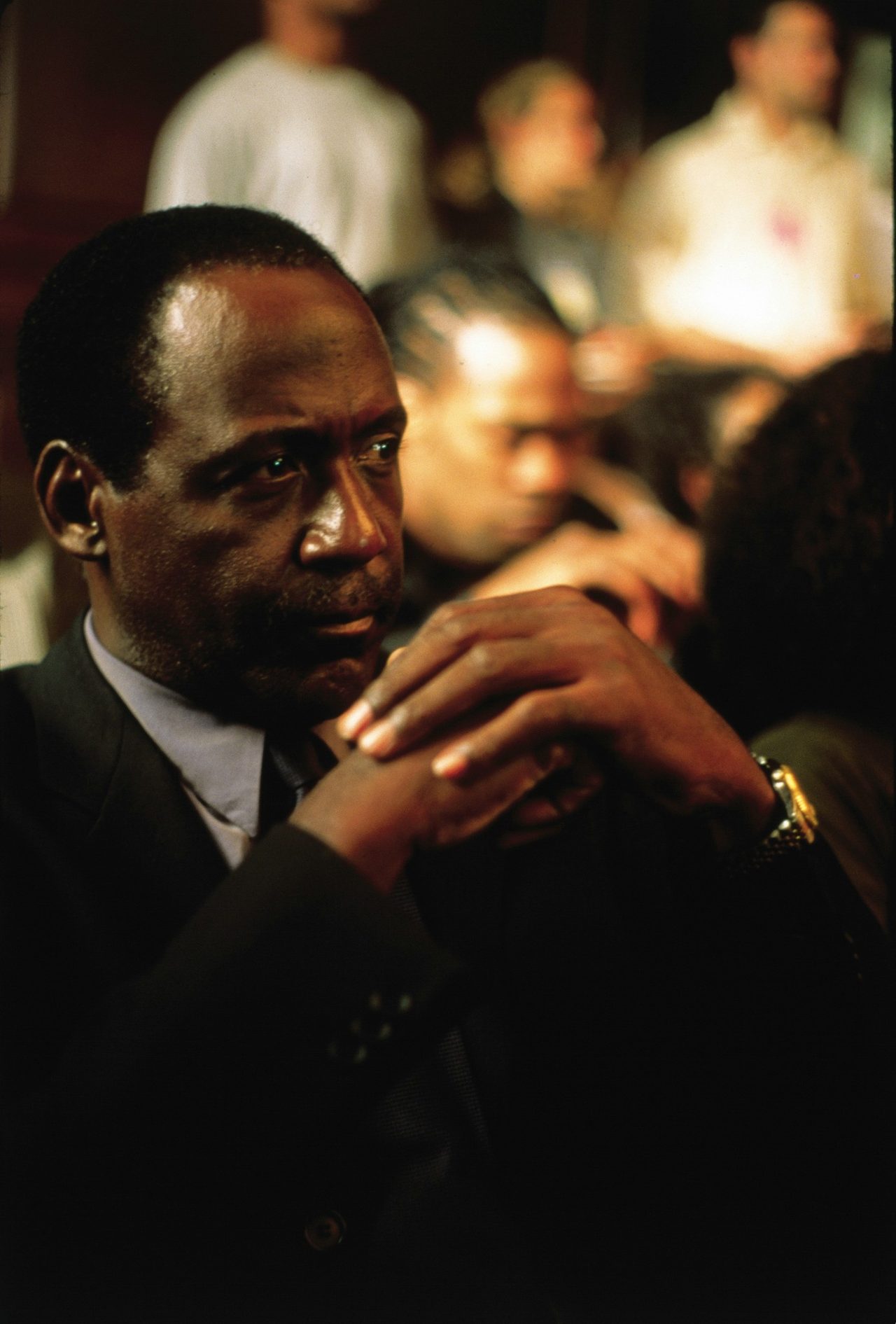
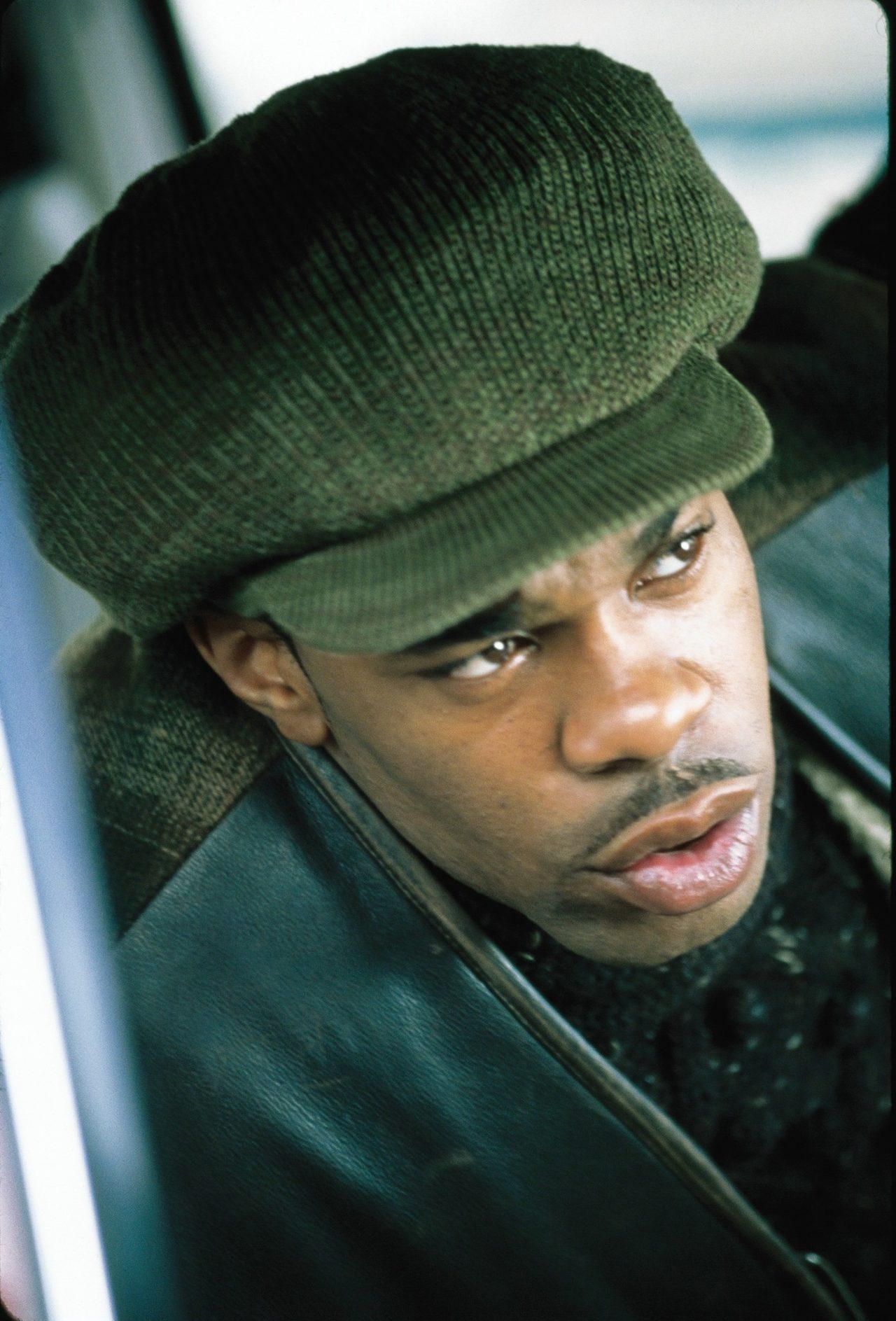
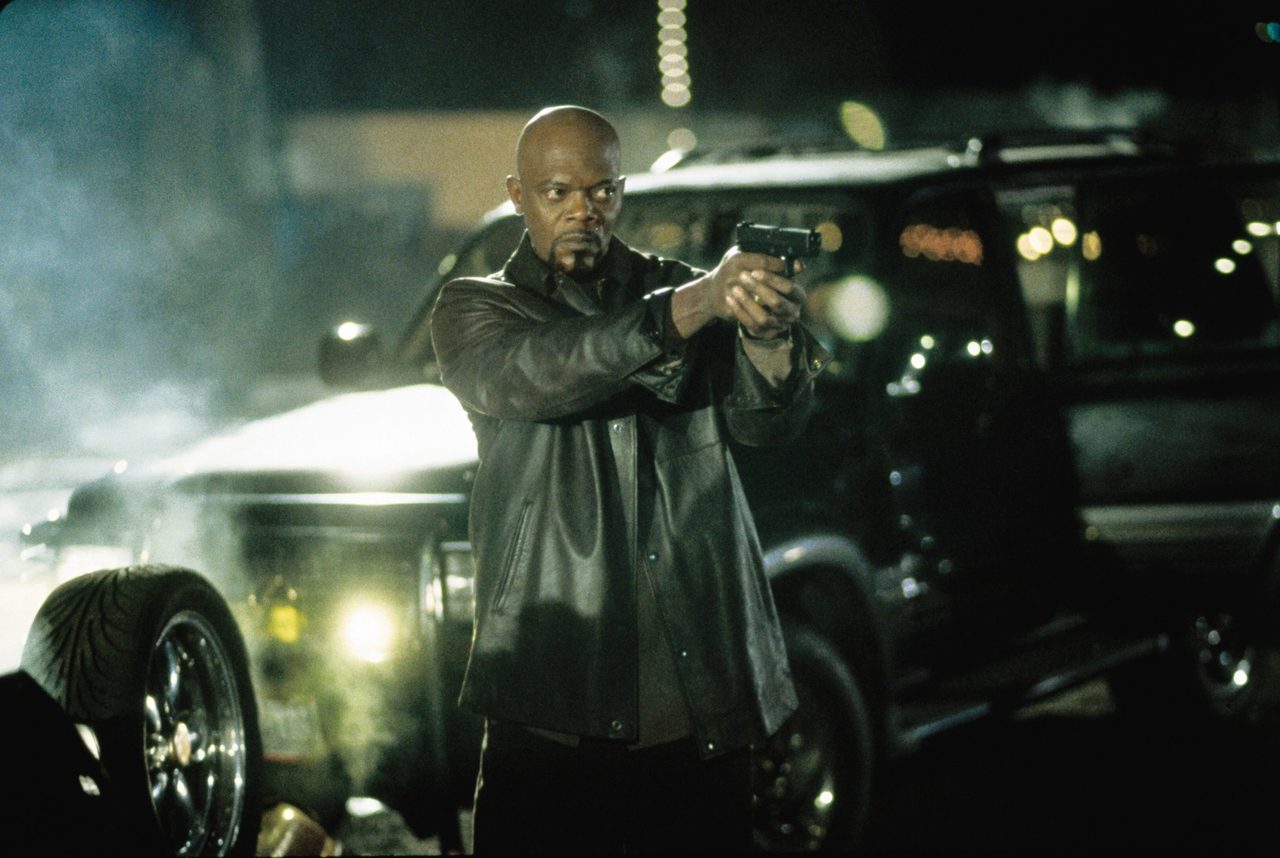
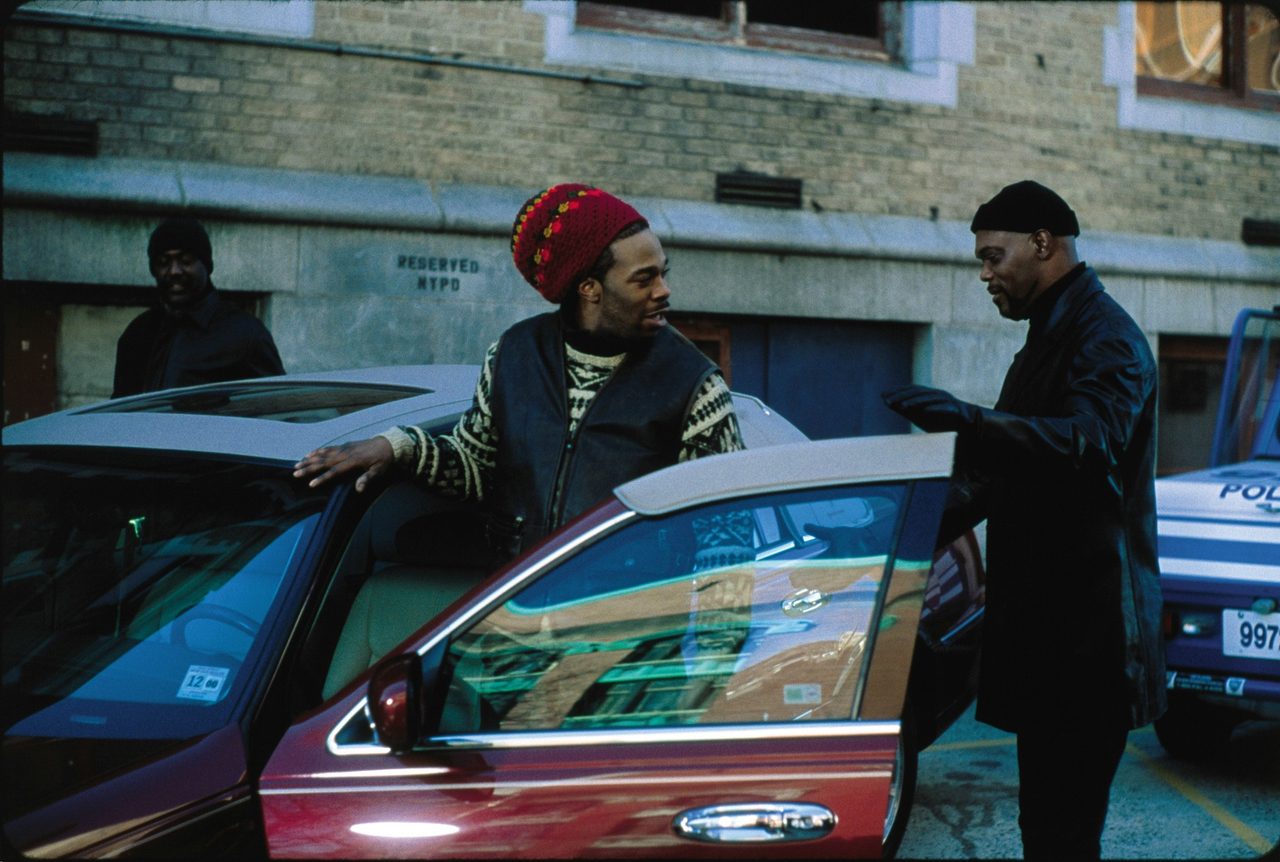
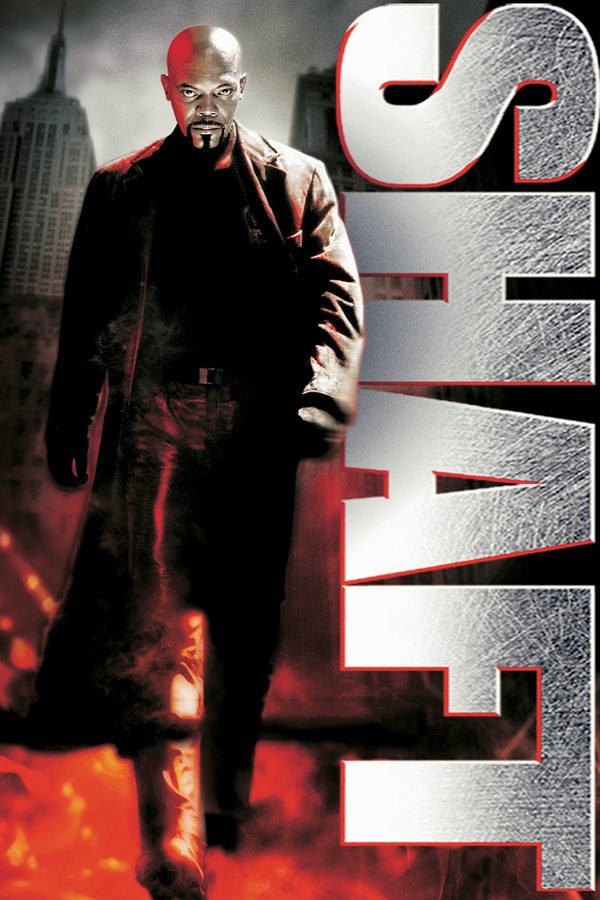
Trey Howard is attacked outside a restaurant, and Detective John Shaft is called in. Shaft spots blood on Walter Wade Jr., whose father is a real estate tycoon, and arrests him. Wade says he acted in self-defense. Trey's friend tells Shaft that Wade racially harassed Trey, that Trey humiliated him in return and walked out, and that Wade went after him. Shaft tries to get a statement from Diane Palmieri, the injured waitress he noticed at the scene, but she says nothing, and she is gone when he comes back.
Cast










Did you know?!Facts and trivia about Shaft (2000)
Can contain spoilers, watch the movie first.
- Shaft began at MGM, where the studio disliked John Singleton's vision of Don Cheadle playing the original Shaft's son; MGM also balked at a $25 million film they viewed as targeted to black audiences.
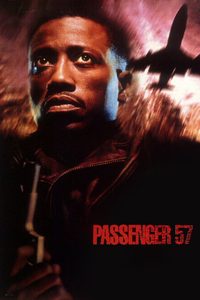
- Wesley Snipes said he turned down the lead role of John Shaft because he felt the script did not respect black culture or the original 1971 film. Will Smith and Wesley Snipes were both considered for the part.
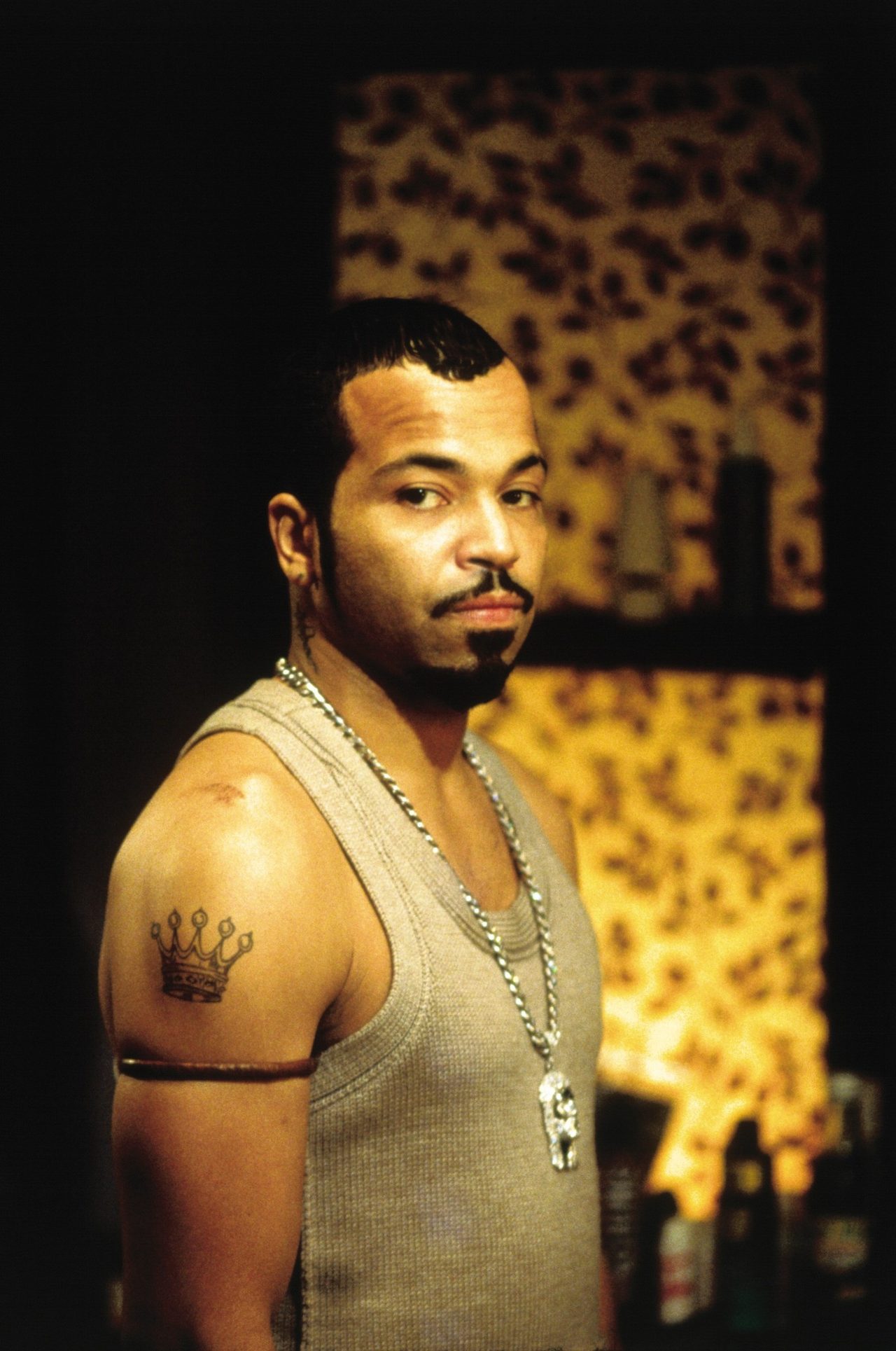
- John Leguizamo was initially cast as drug lord Peoples Hernandez and left the production; Jeffrey Wright was cast in his place. Singleton also considered Lauryn Hill for Carmen Vasquez.
- Samuel L. Jackson was unsure about playing Shaft because he did not see the character as middle-aged; once Jackson was cast, the original Shaft was rewritten from his father to his uncle to explain their smaller age gap.
- Richard Price's rewrites caused friction: Jackson attributed the loss of the original's sex scenes to political correctness, and he demanded Shaft quit the police force earlier than Rudin wanted. Jackson prevailed and the scenes were rewritten.
- Jackson refused to say some of Price's lines, calling them racially insensitive or untrue to the character, which drew producer Scott Rudin's ire. When Singleton and Jackson criticized the action sequences, Rudin offered to shoot them twice, but Jackson feared his objections would be overruled in editing.
- In editing, Richard Roundtree's and Christian Bale's scenes were reduced: Rudin said Paramount forced the cut to Roundtree's screen time, while one of Bale's fight scenes was deleted to give more time to Jeffrey Wright.