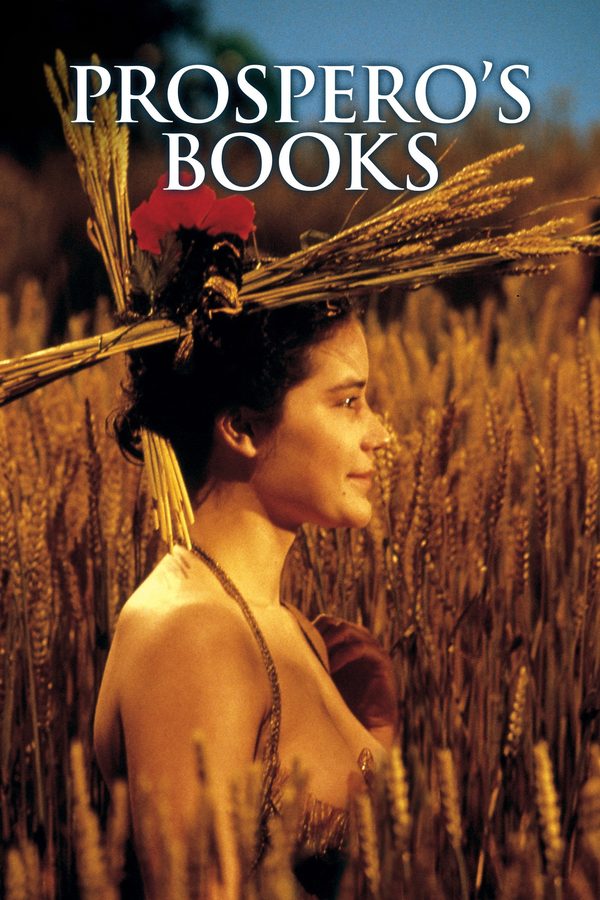
Prospero's Books (1991) on Netflix
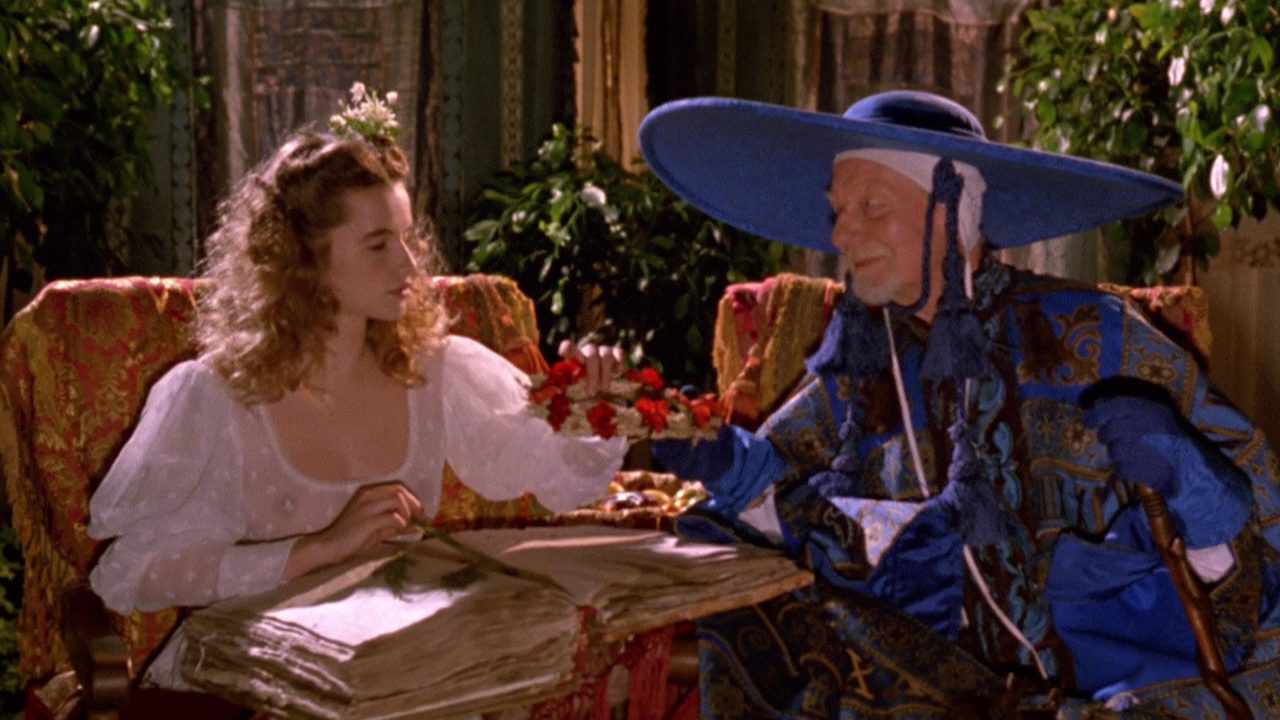
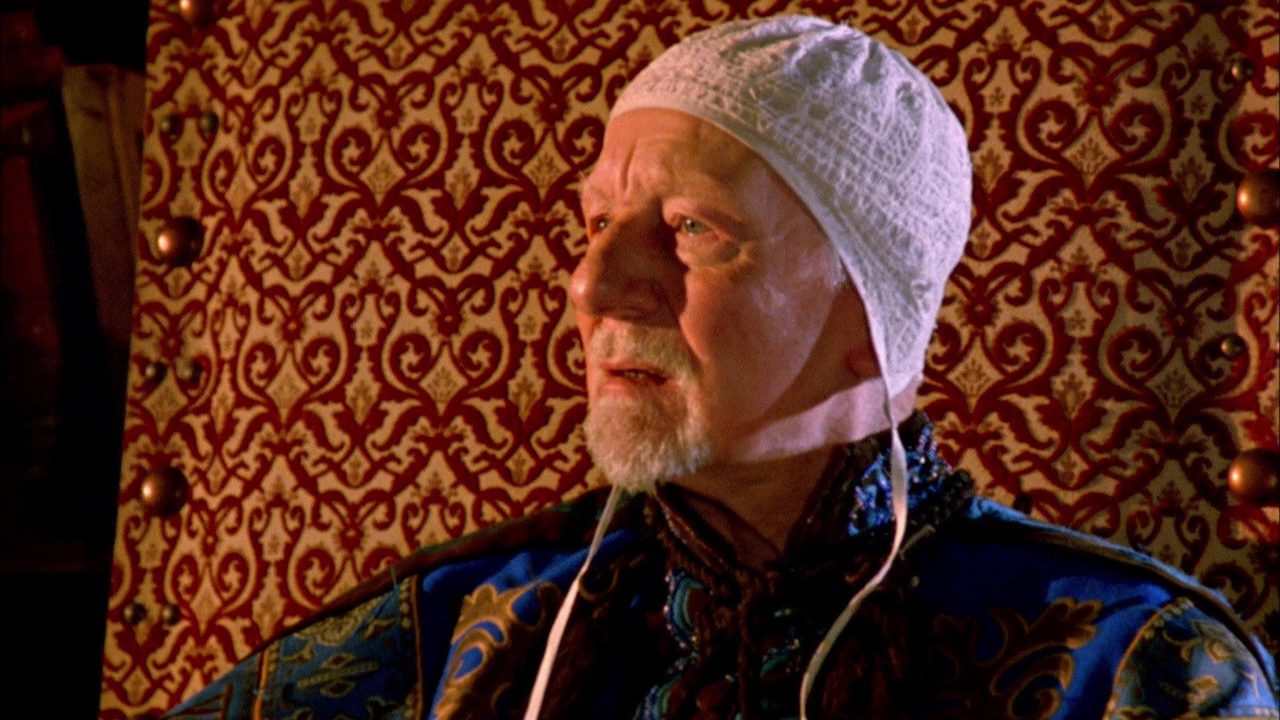
Prospero, an exiled magician, lives on an island with his daughter Miranda and his books of magic. His enemy's son is shipwrecked there and the pair fall in love.
- Watch on NetflixThis title is not on Netflix right now. Please check back later for updates.
- Watch on NordVPN
- Netflix3.3/5
- IMDb6.8/107,111 votes
- Rotten Tomatoes62%
Trailer
Plot summary
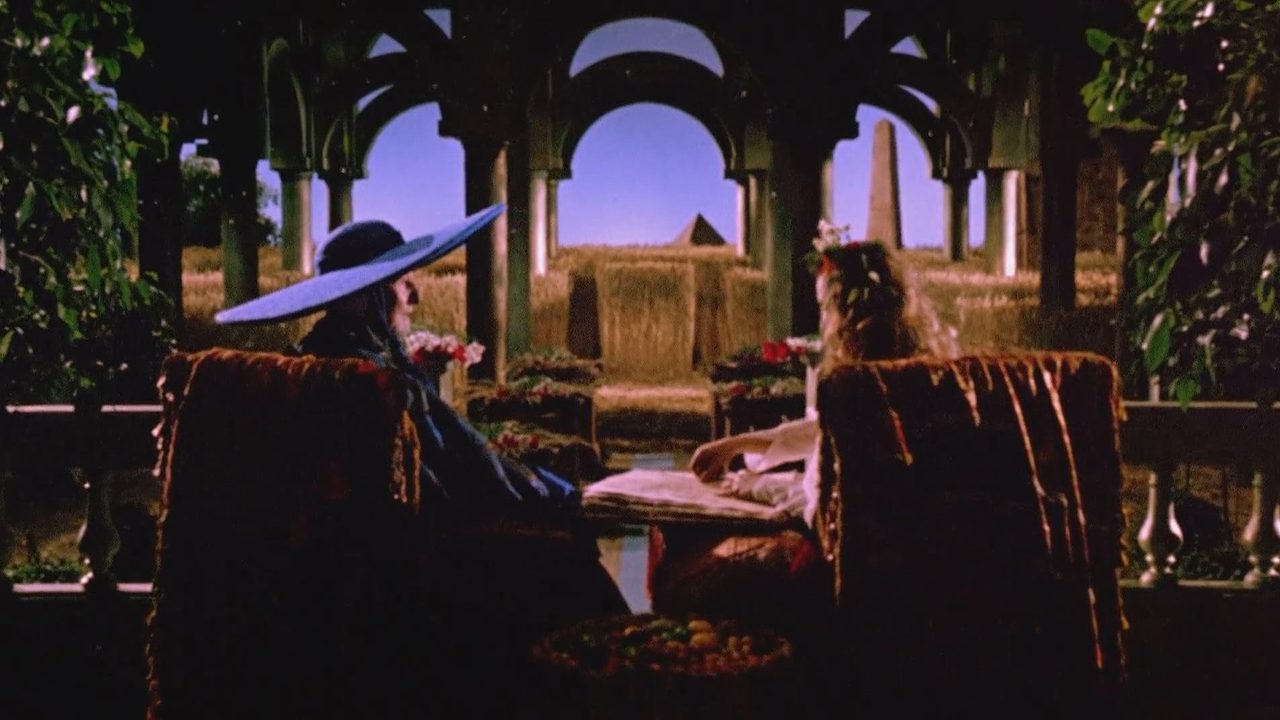
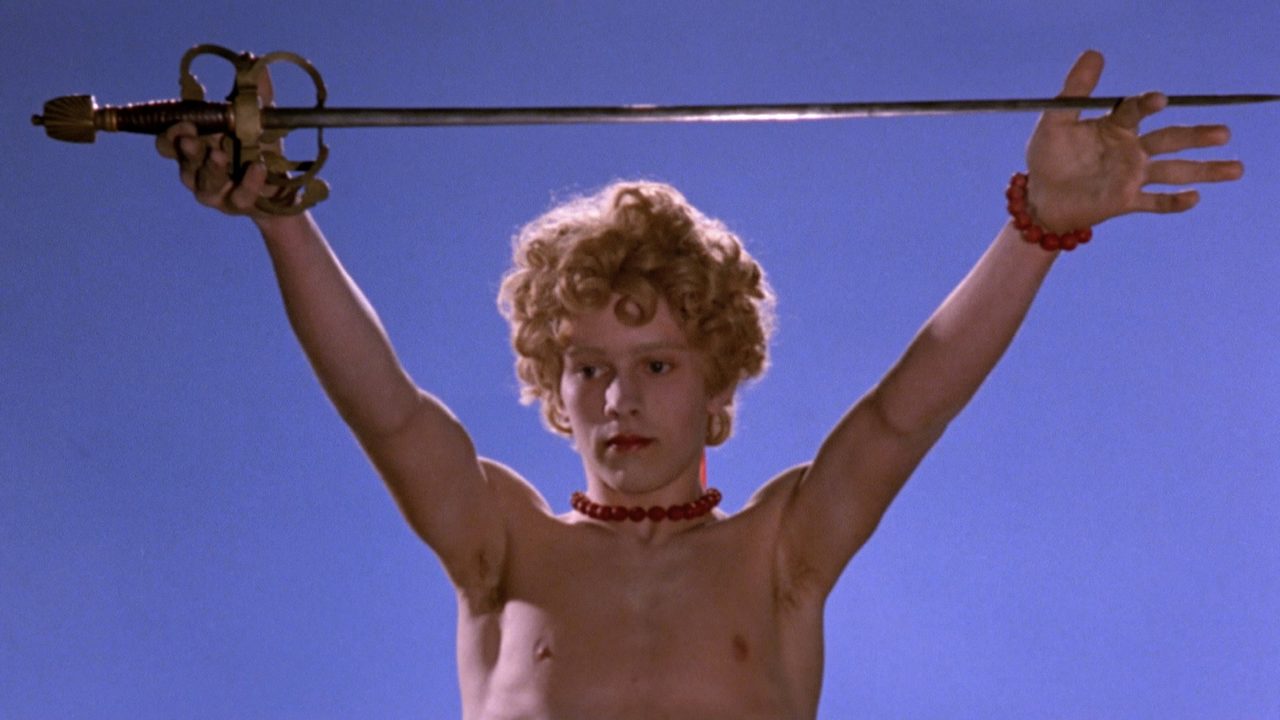
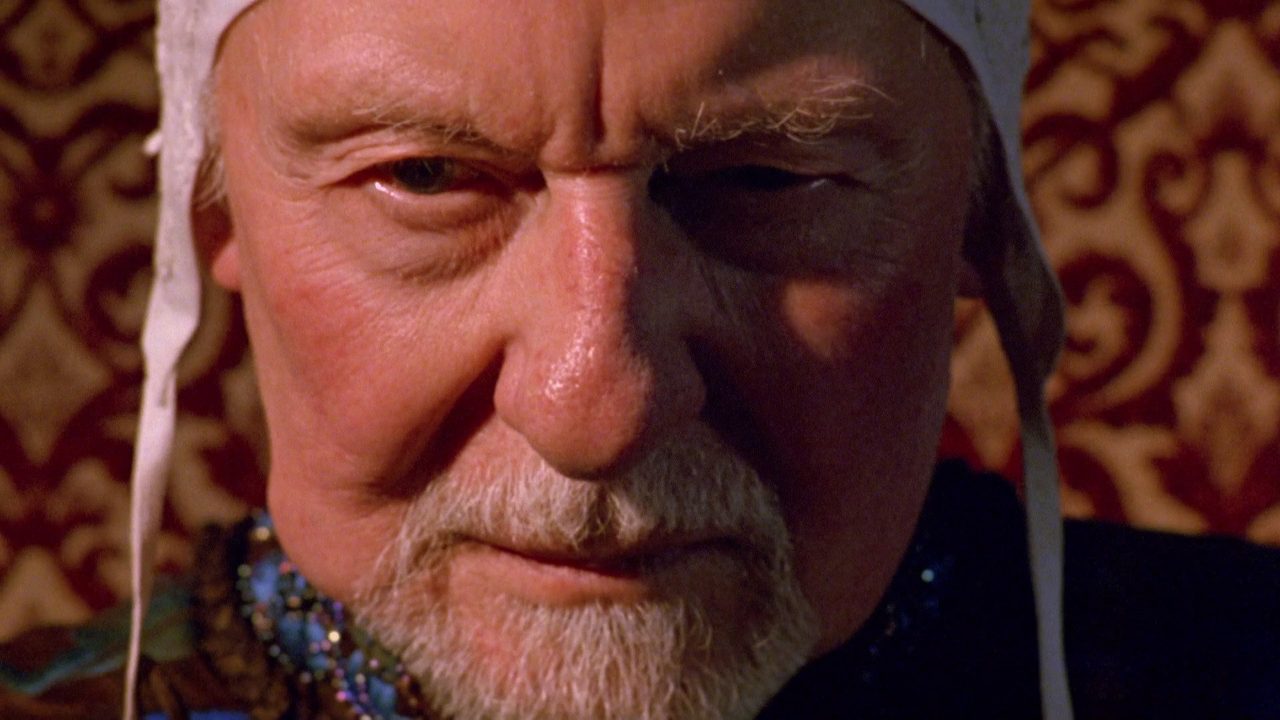
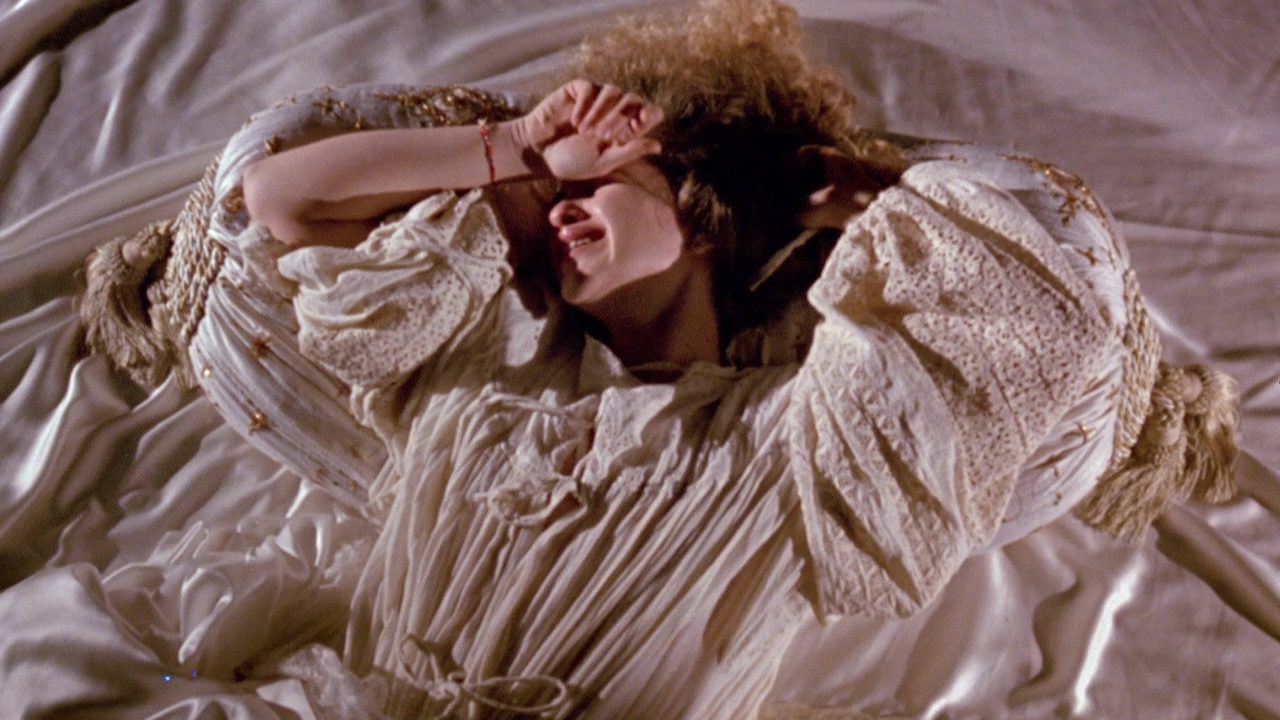
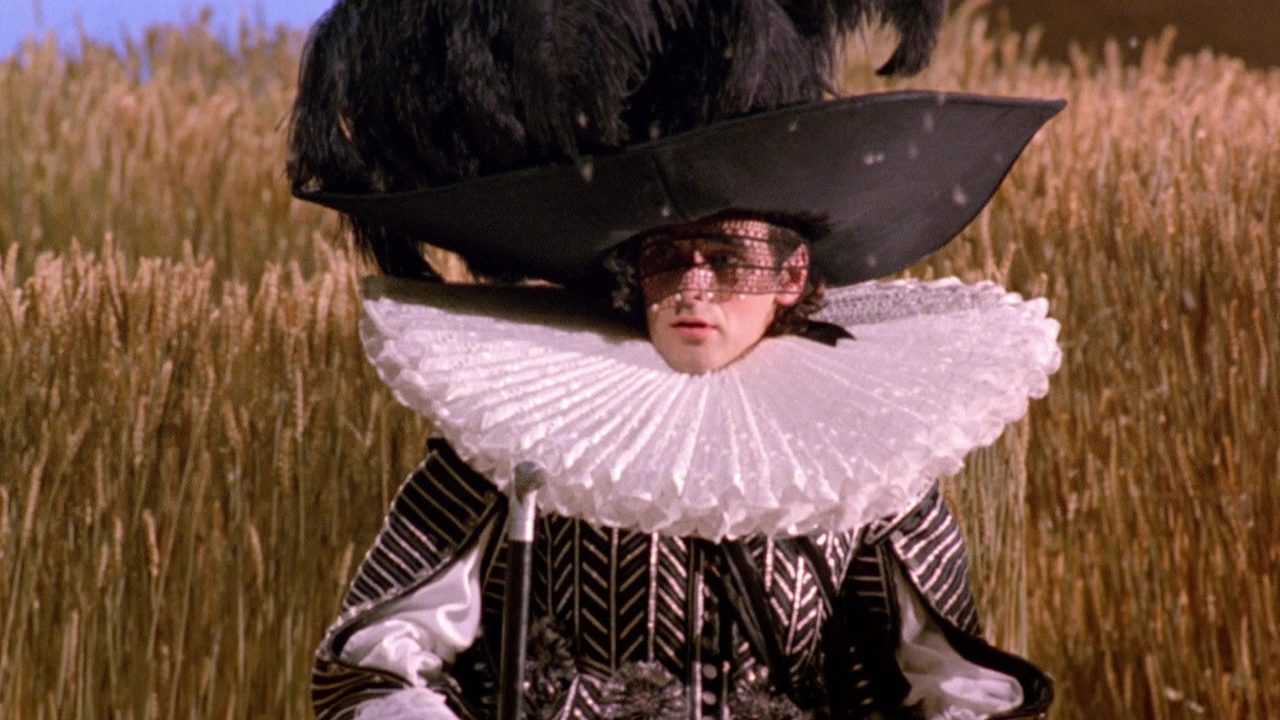
Prospero, an exiled magician, lives on an island with his daughter Miranda and a library of magic books. The conceit of the telling is that he is Shakespeare, speaking the lines of every other character as the story is rehearsed around him. A shipwreck brings his enemies to the island, among them the son of his chief enemy, and the young man and Miranda fall in love. The spirit Ariel serves Prospero and carries out his commands. The tale is told through mime, dance, opera and animation, with spirits and mythological figures played by nude performers in the manner of Renaissance paintings.
Cast













Show all 15 cast


Did you know?!Facts and trivia about Prospero's Books (1991)
Can contain spoilers, watch the movie first.
- John Gielgud spent four frigid days during winter naked in a swimming pool to choreograph the shipwreck that opens the film, and had to parade in a cloak so heavy it took four people to lift while papers flew in his face.
- John Gielgud, who had played Prospero on stage in 1931, 1940, 1957 and 1974, called a Tempest film his life's ambition and approached Alain Resnais, Ingmar Bergman, Akira Kurosawa and Orson Welles to direct him, with Benjamin Britten scoring and Albert Finney as Caliban, before Peter Greenaway agreed.
- The closest an earlier Tempest film came to being made was in 1967, with Orson Welles both directing and playing Caliban, but financing collapsed after the commercial failure of his collaboration with Gielgud, Chimes at Midnight.
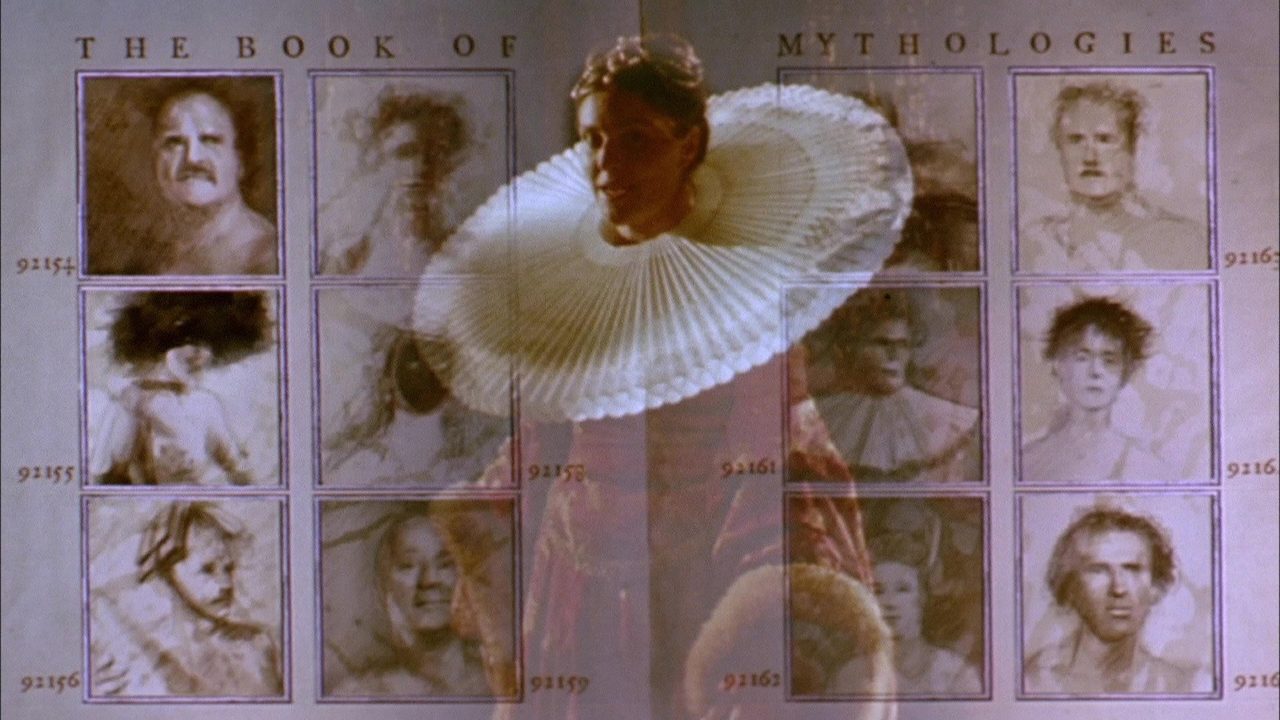
- Roughly a tenth of the movie was made on Japanese high-definition television and edited in Japan, using Hi-Vision video inserts and the Quantel Paintbox system to overlay multiple moving and still pictures with animations.
- The score was the last of Michael Nyman's collaborations with Peter Greenaway, and most of its music cues, apart from Ariel's songs and the Masque, were taken from Nyman's earlier concert La Traversée de Paris and his score for A Zed & Two Noughts.