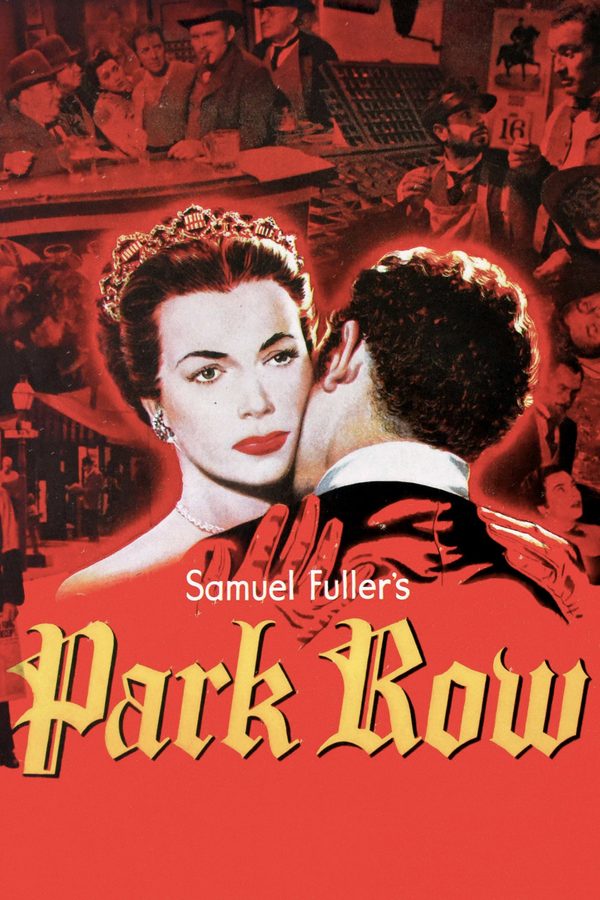
Park Row (1952) on Netflix
NR19521h 23mDramaHistoryThriller
Fired from The Star for criticizing its methods, reporter Phineas Mitchell launches his own paper, The Globe, in 1886 New York. Charity Hackett, who runs The Star, becomes his rival.
- Watch on NetflixThis title is not on Netflix right now. Please check back later for updates.
- Watch on NordVPN
- Netflix4.0/5
- IMDb7.2/102,250 votes
- Rotten Tomatoes89%
Trailer
Plot summary
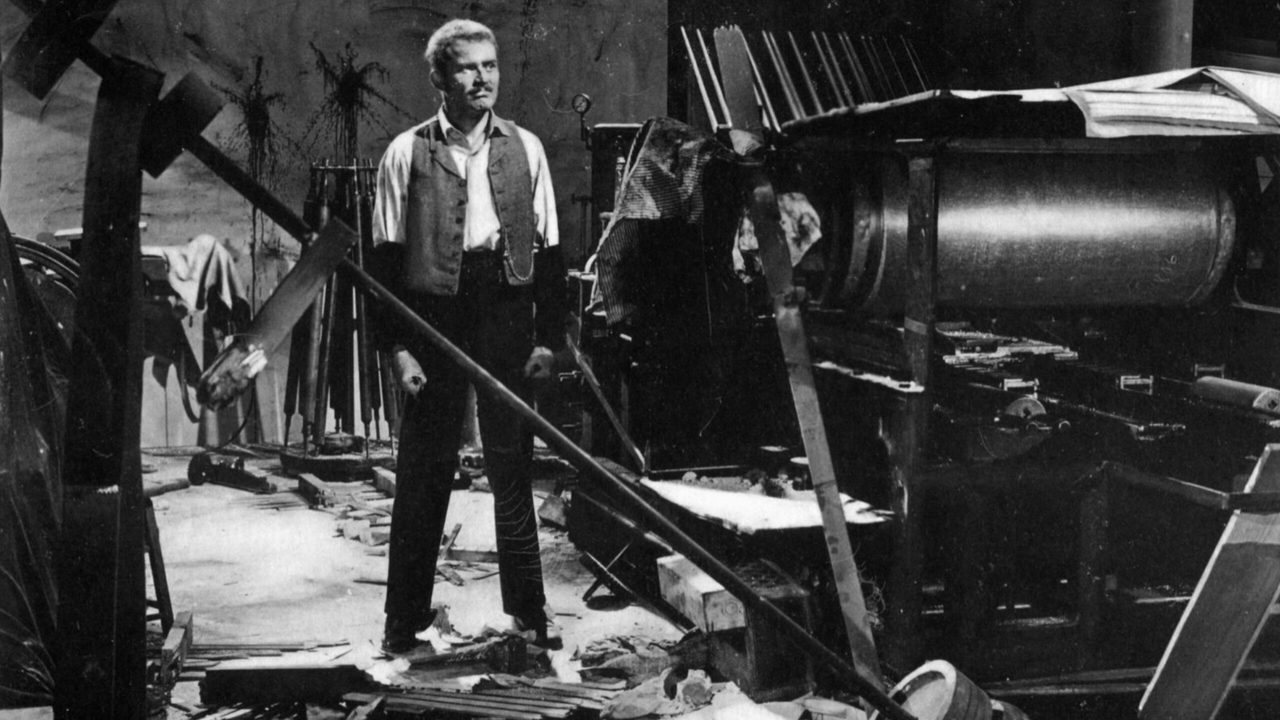
A dispute over how The Star covers the news costs Phineas Mitchell his job, and the colleagues who back him are let go too. Over drinks, Steve Brodie bursts in claiming he jumped off the Brooklyn Bridge and wants Mitchell to write it up, but Mitchell tells him he has no paper. Charles A. Leach then proposes they go into business together: he has a printing press, empty offices and enough money to start. Mitchell hires his friends, among them the veteran Josiah Davenport and young Rusty, and names the paper The Globe. Charity Hackett, who runs The Star, first shrugs off the newcomer, then grows concerned as The Globe becomes popular for the subjects it tackles. Ottmar Mergenthaler is at work on a machine that sets type automatically.
Cast







Did you know?!Facts and trivia about Park Row (1952)
Can contain spoilers, watch the movie first.
- Samuel Fuller financed Park Row entirely on his own after 20th Century Fox, the studio he had made films for in the 1950s, suggested doing it with stars, in color, or as a musical. Darryl F. Zanuck told him his period piece would be a loser.
- Fuller made Park Row for $200,000, and roughly half that budget went on a four-story set built to re-create Park Row as it looked in the 19th century.
- Park Row does not end with the usual "The End" but with "THIRTY", the traditional signal a newspaper reporter used to mark the end of a story.