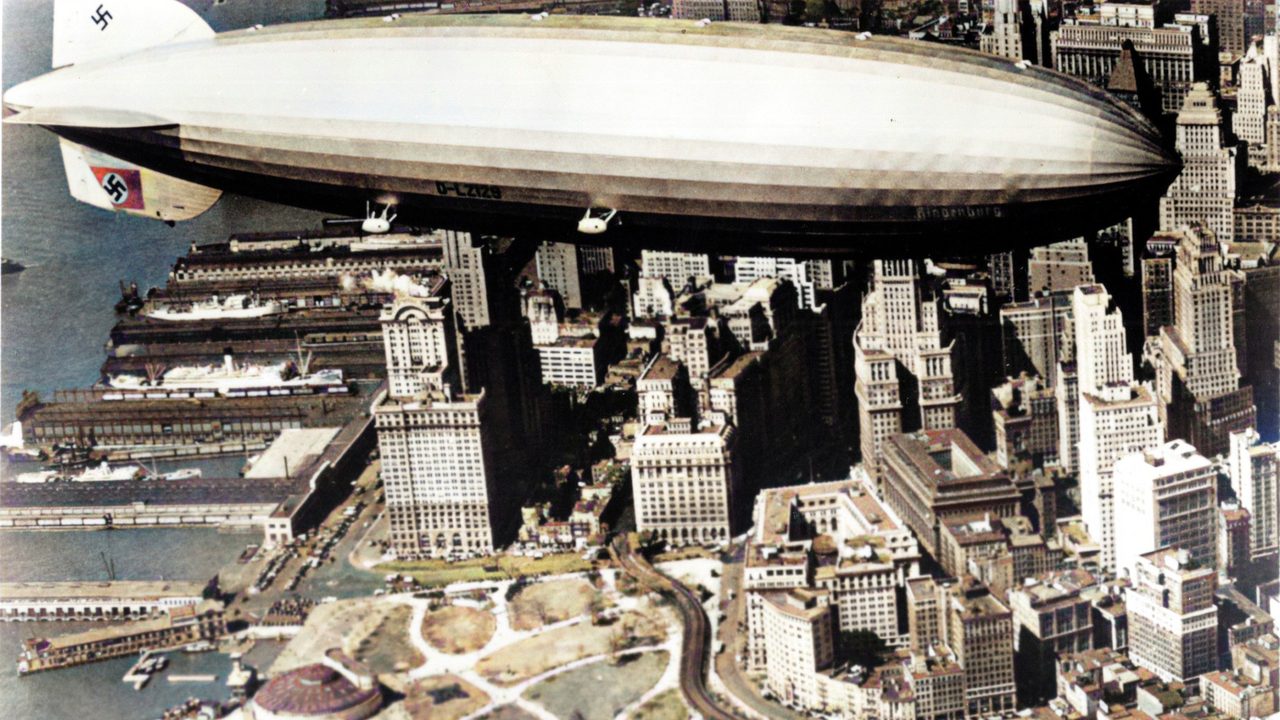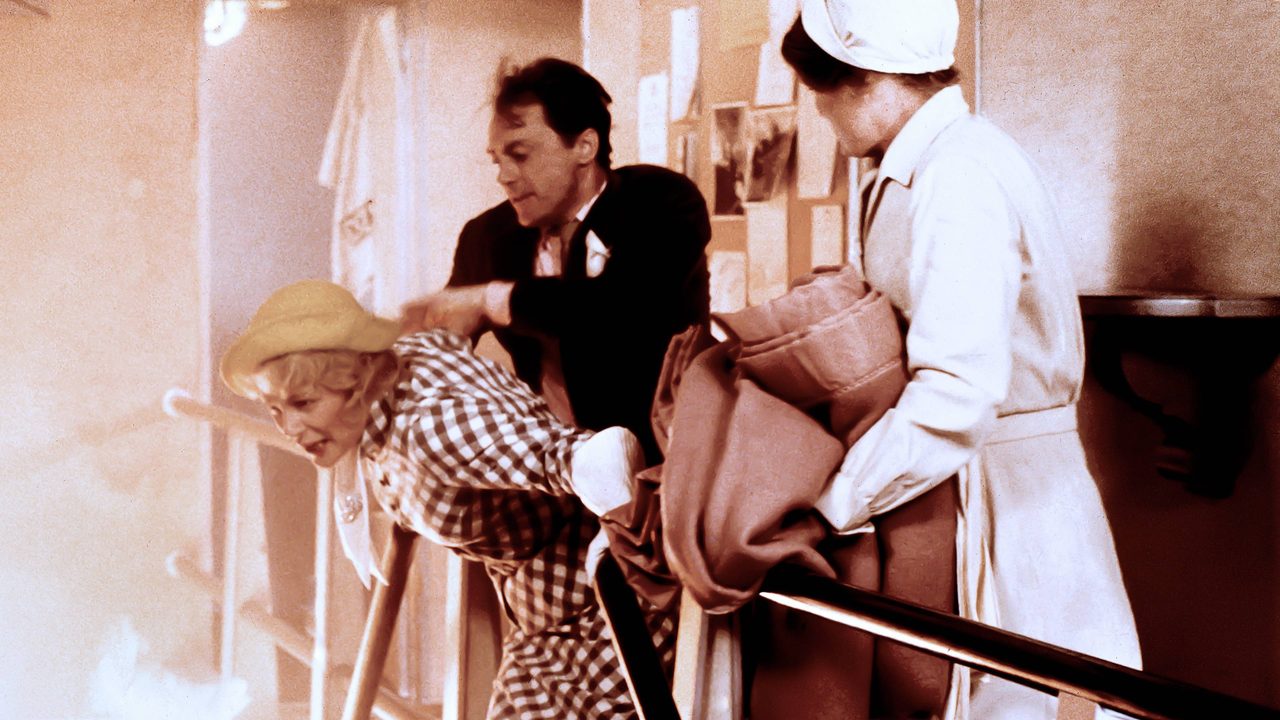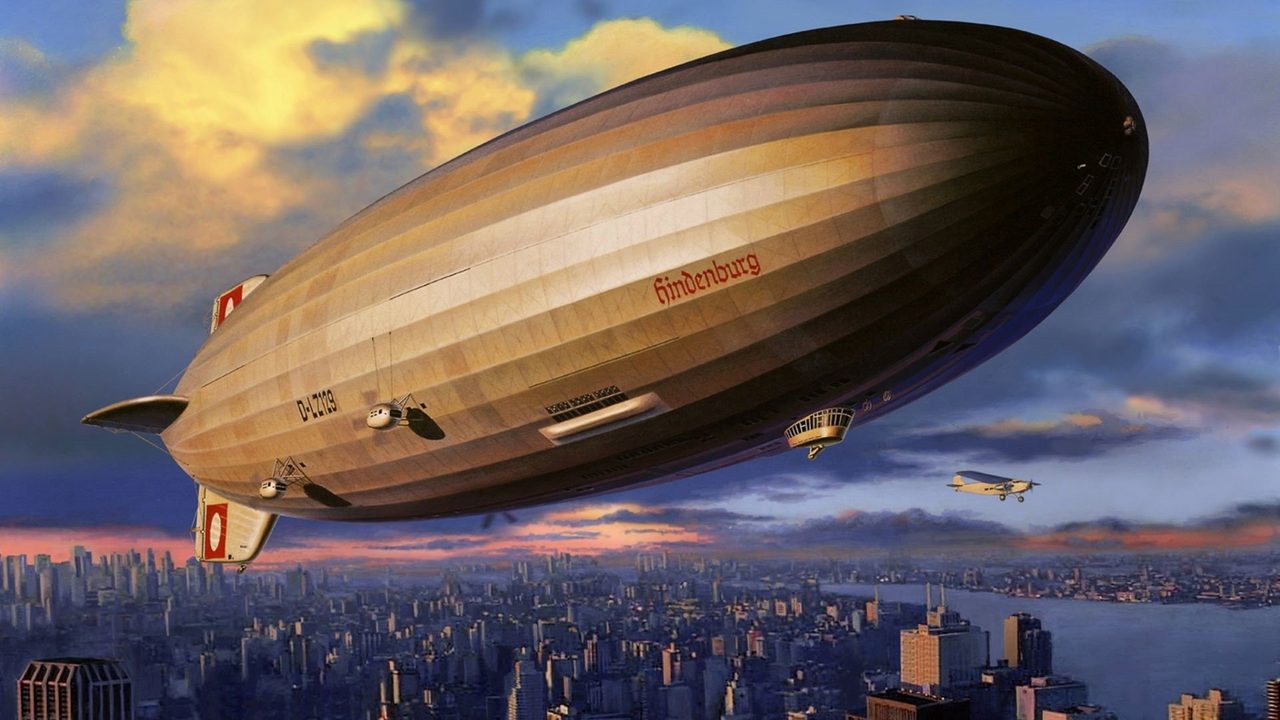
The Hindenburg (1975) on Netflix
PG19752h 5mDramaHistoryThriller
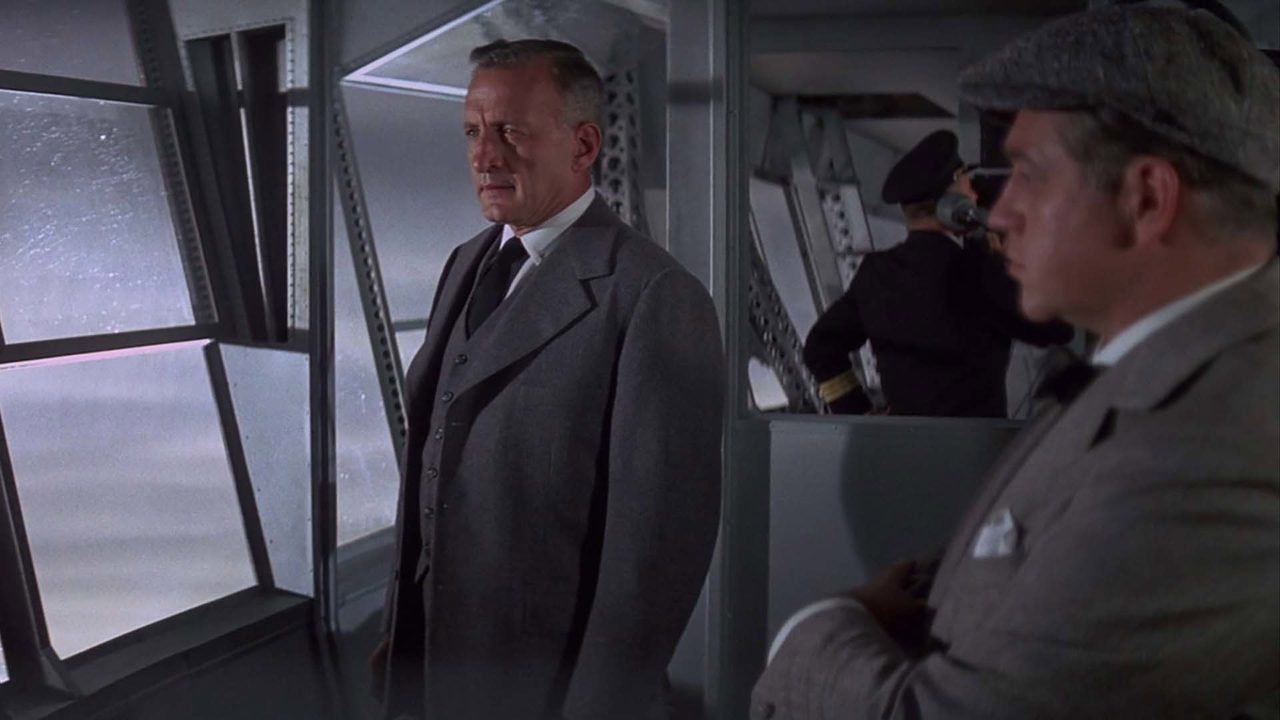
Franz Ritter, a Luftwaffe colonel and former hero pilot, is named security officer of the Hindenburg. Sabotage threats have been made, and any passenger or crew member could be behind them.
- Watch on NetflixThis title is not on Netflix right now. Please check back later for updates.
- Watch on Prime
- Watch on NordVPN
- Netflix2.4/5
- IMDb6.3/107,356 votes
- Rotten Tomatoes31%
Trailer
Plot summary
In April 1937, Kathie Rauch of Milwaukee writes to the German Embassy in Washington, D.C., claiming the zeppelin Hindenburg will explode over New York City on its first flight of the season. Luftwaffe Colonel Franz Ritter is named the airship's security officer, and Martin Vogel, an SS and Gestapo officer, comes aboard as its official photographer. The two work separately, checking the background of every passenger and crew member. Ritter counts no one as above suspicion, including Countess Ursula von Reugen, an old friend whose estate at Peenemünde the Nazis seized for weapons testing and who is on her way to visit her hearing-impaired daughter in Boston. Among the others who draw his attention are Edward Douglas, a German-American advertising executive, the card players Emilio Pajetta and Major Napier, and several crew members.
Cast














Did you know?!Facts and trivia about The Hindenburg (1975)
Can contain spoilers, watch the movie first.
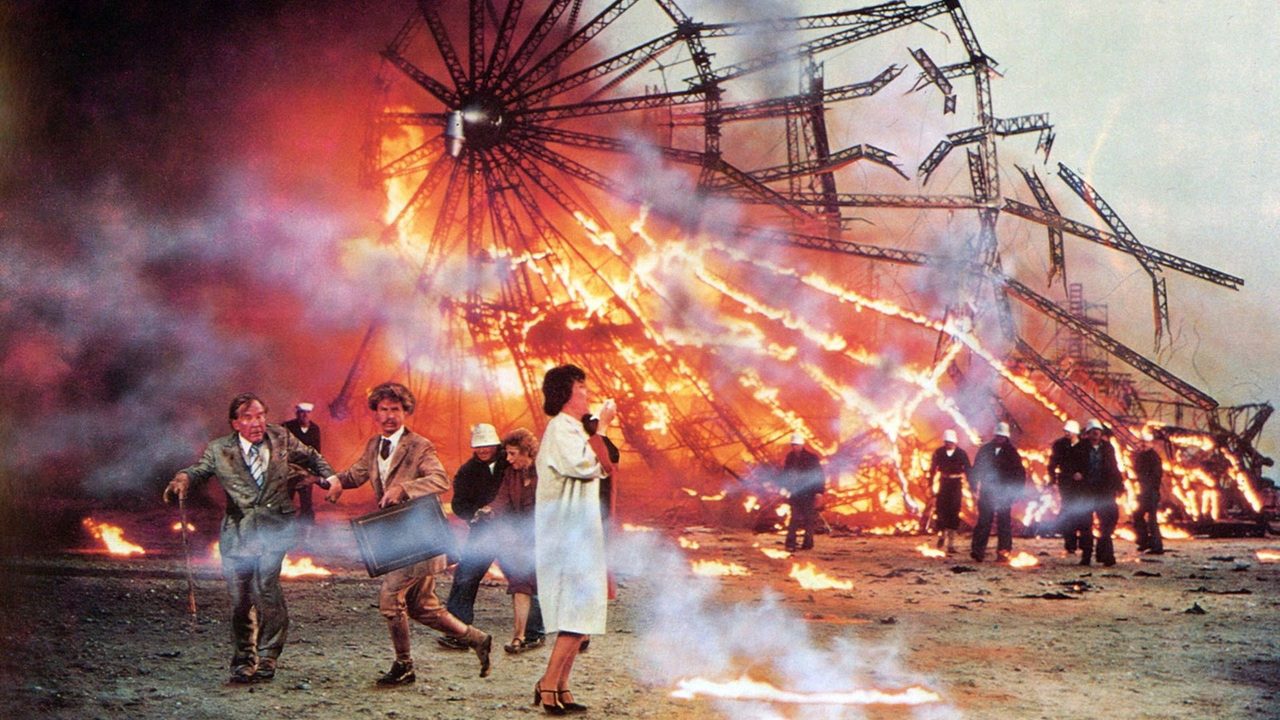
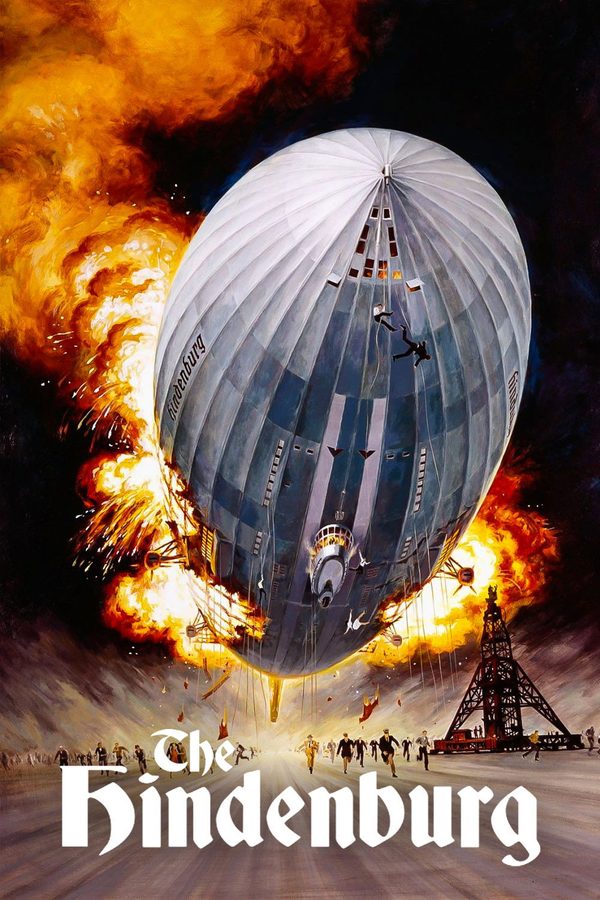
- A full-scale nose replica of the Zeppelin was set alight on Universal's Stage 12 for the film's destruction sequence, but the blaze got out of control: a half-dozen stunt artists in fire-retardant gear were lost in the smoke, several cameras were damaged and the sound stage was nearly destroyed. Only four seconds of the footage reached the final cut.
- A. A. Hoehling, author of the 1962 book Who Destroyed the Hindenburg? about the sabotage theory, sued Michael M. Mooney, whose book the film was based on, and the filmmakers for copyright infringement and unfair competition. Judge Charles M. Metzner dismissed his claims.
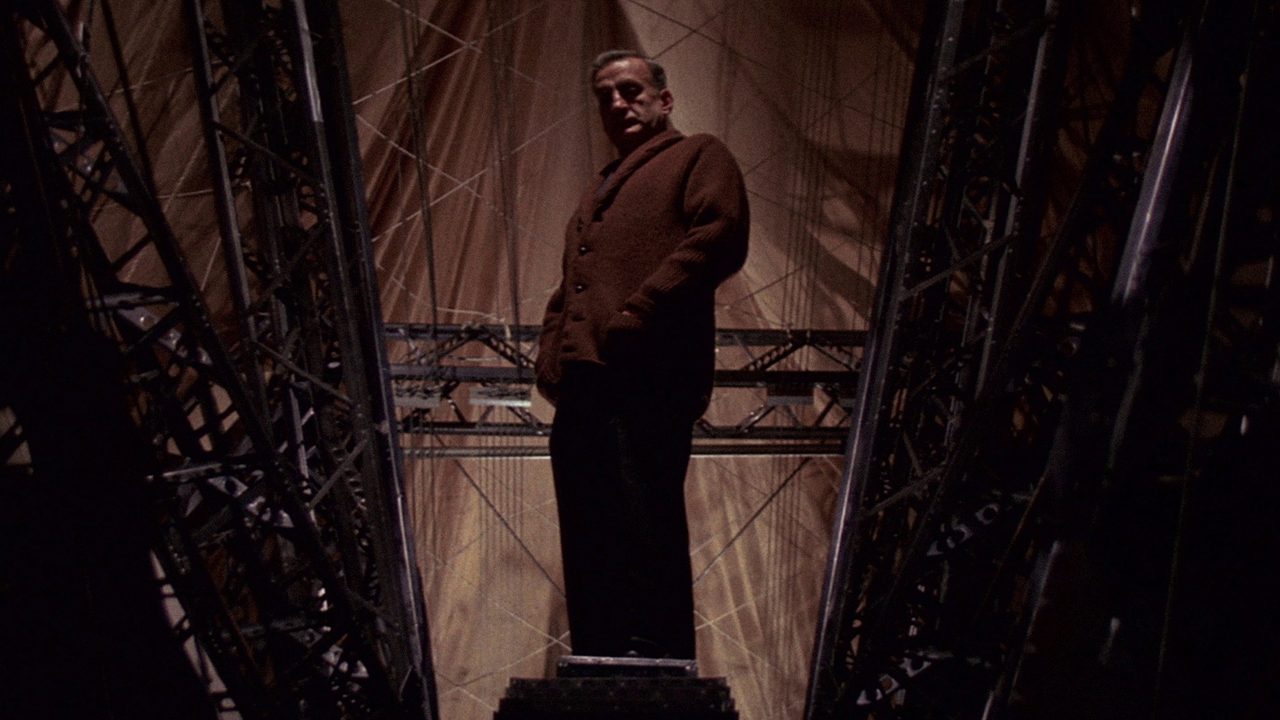
- Robert Wise wanted to shoot the whole film in black and white, not just the disaster sequence, but Universal objected. He and production designer Edward Carfagno then worked black and dark colors into the sets to give a black-and-white impression in a color film.
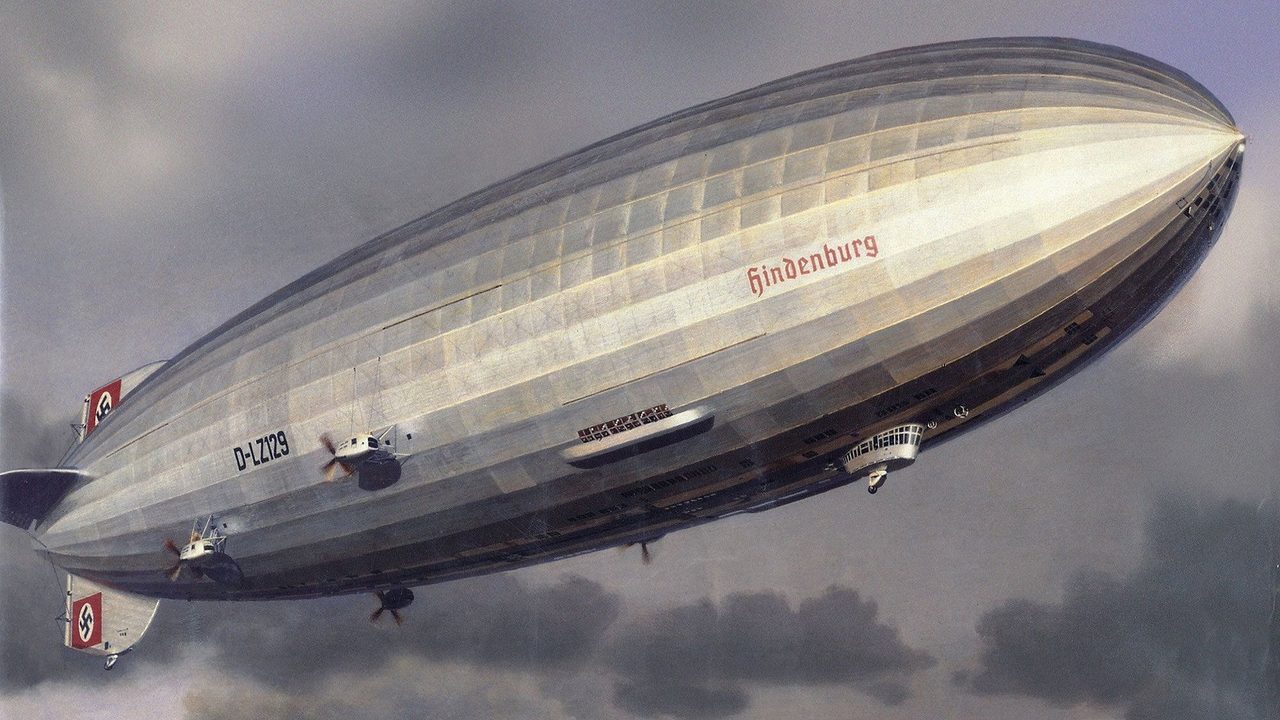
- A highly detailed 25 ft model of the Hindenburg was "flown" by keeping the model stationary and photographing it from a moving platform, a camera and dolly on a track, on Universal's largest and tallest sound stage, Stage 12.
- The German zeppelin hangar seen when the Hindenburg leaves for the United States was actually a World War II US Navy blimp hangar at Tustin, California, whose architecture is quite different from real German zeppelin hangars. The same hangar doubled for Lakehurst, where similar blimp hangars were not built until 1943.
- For the scene in which the airship drops water ballast, the filmmakers used a matte painting and dropped sugar through a hole in the windows to stand in for the water.