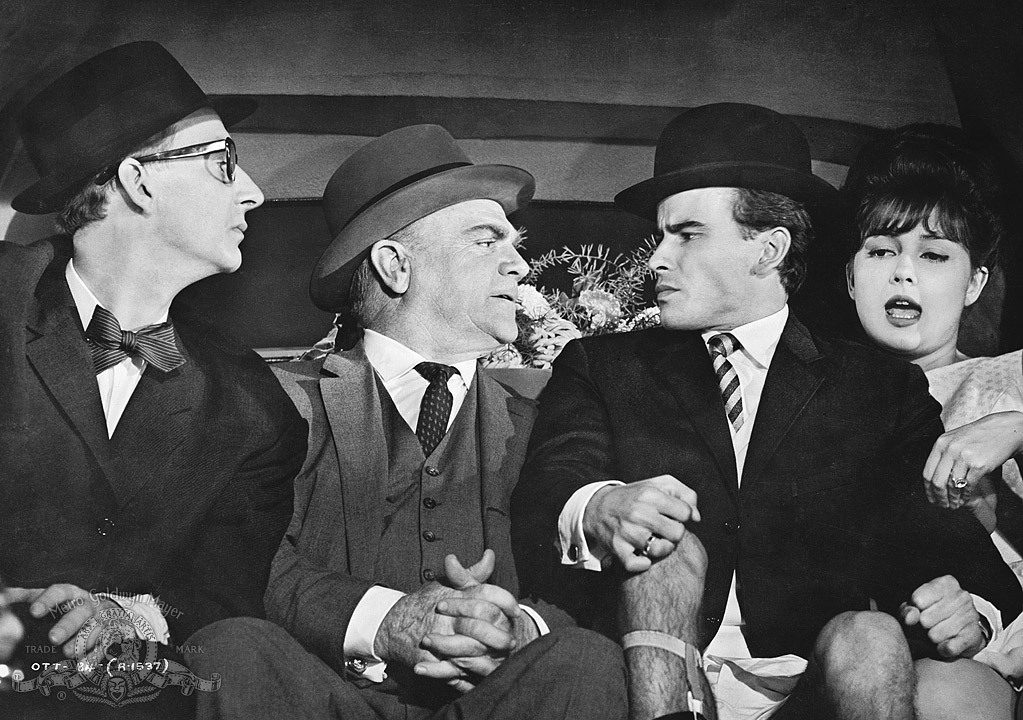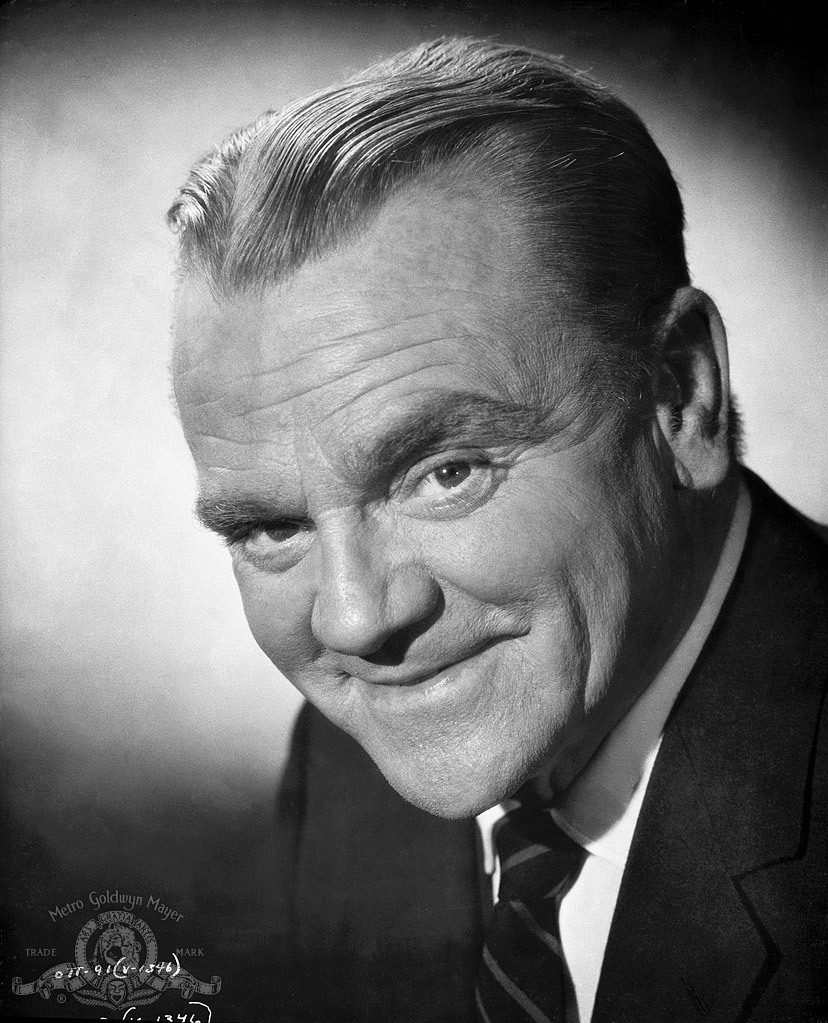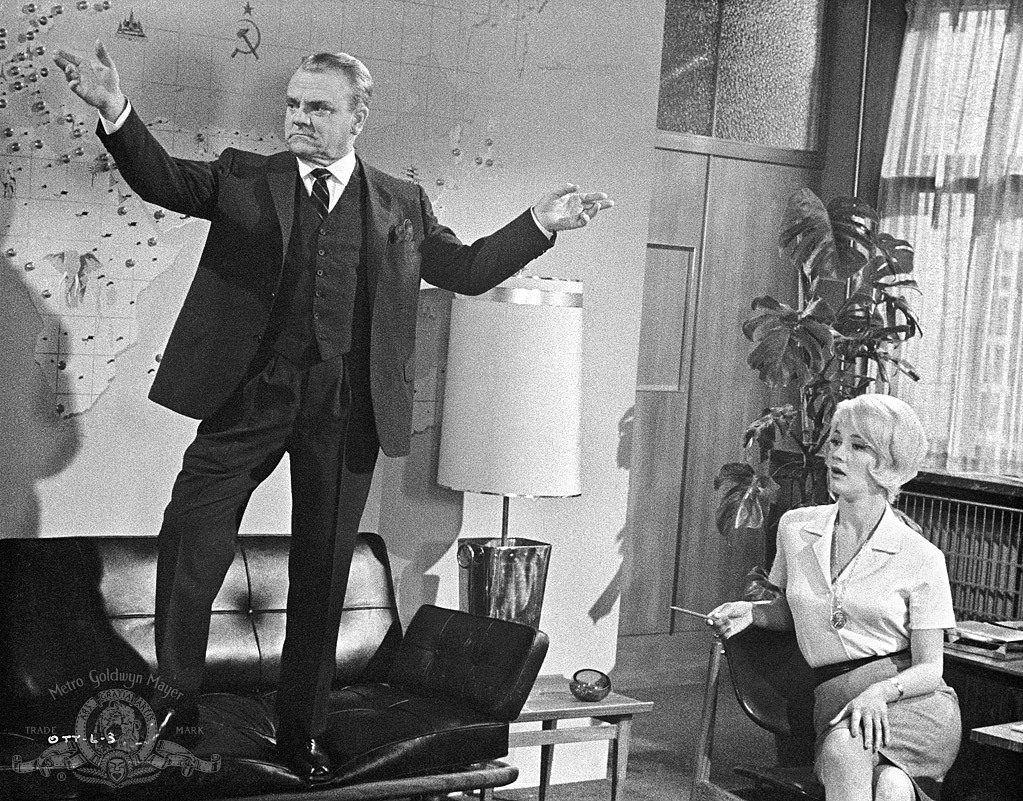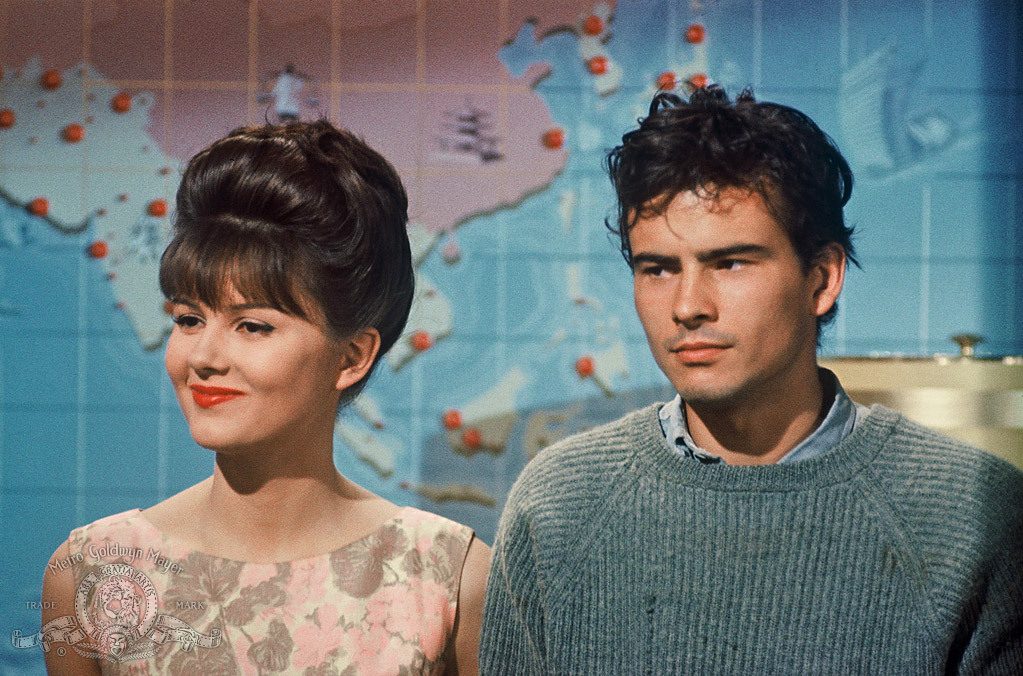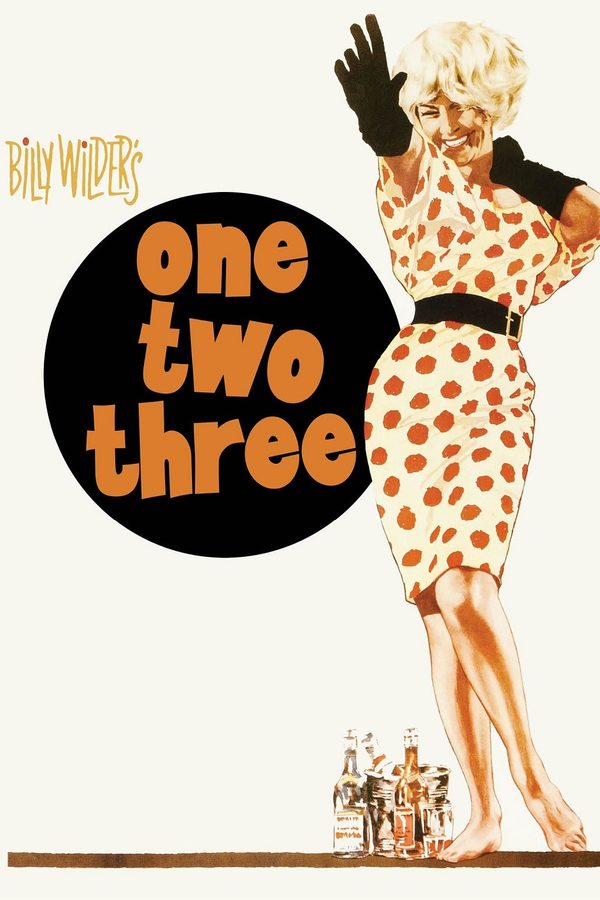
One, Two, Three (1961) on Netflix
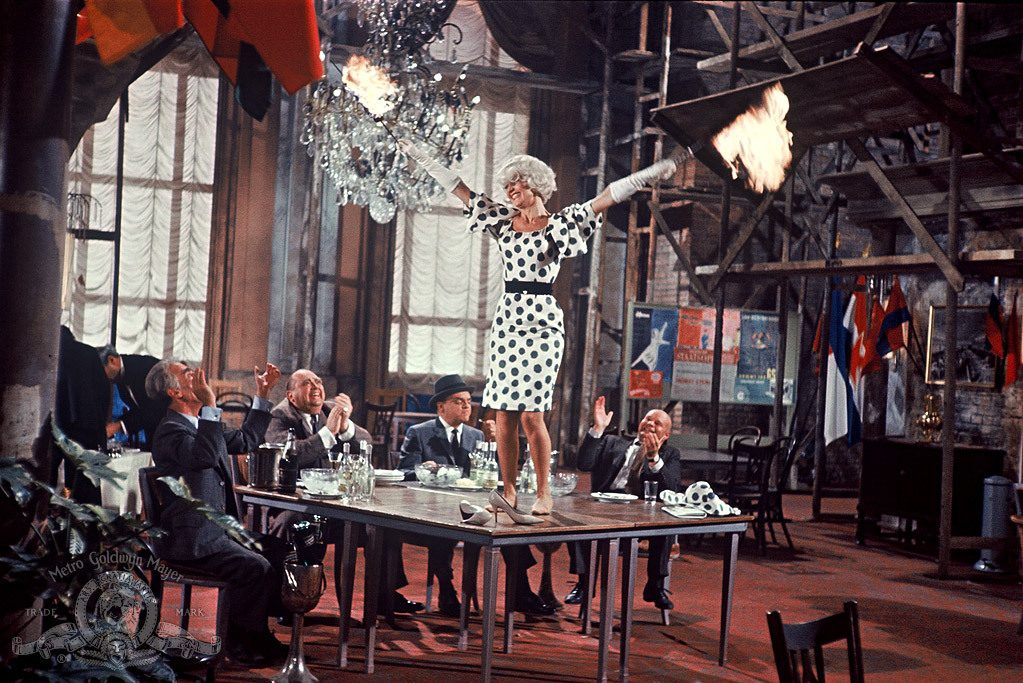
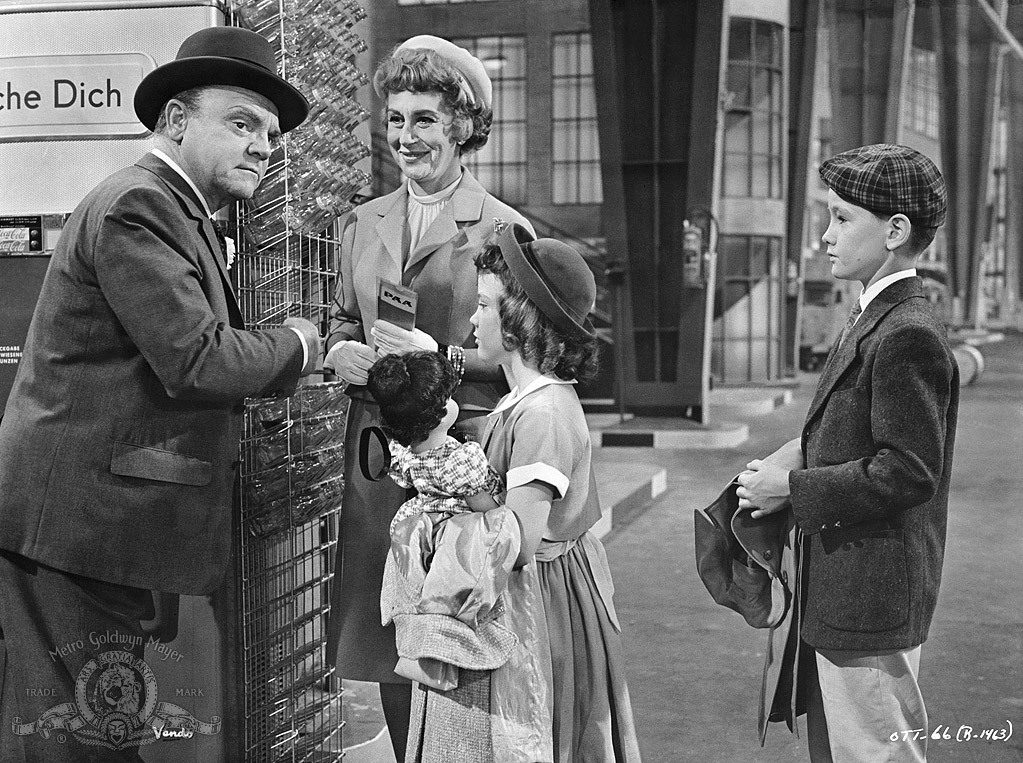
C.R. MacNamara runs Coca-Cola's West Berlin office and wants the European post in London. His boss's seventeen-year-old daughter, Scarlett, arrives, and Mac is put in charge of her.
- Netflix4.2/5
- IMDb7.8/1025,018 votes
- Rotten Tomatoes88%
Trailer

Plot summary
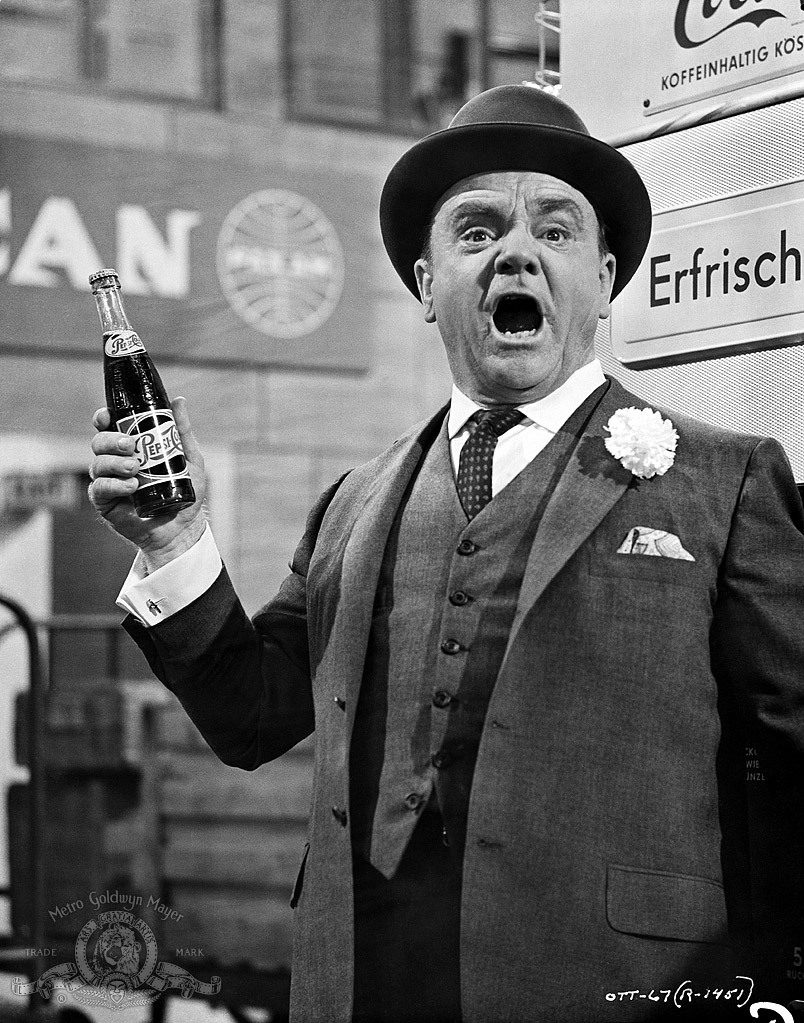
Mac MacNamara holds Coca-Cola's top post in Cold War West Berlin. He wants a bigger job, running the company's Western European operations from London, while his wife, Phyllis, argues for a steady position at the Atlanta head office, where his boss, W.P. Hazeltine, works. Mac is also trying to open the Soviet market to Coke. His Berlin staff treat him as their old master, and his secretary, Fräulein Ingeborg, is his mistress. Then Hazeltine telephones: his seventeen-year-old daughter, Scarlett, is arriving in West Berlin, and Mac is to look after her. A stay meant to last two weeks runs to two months.
Cast











- Loïs Boltonas Melanie Hazeltine (as Lois Bolton)


Did you know?!Facts and trivia about One, Two, Three (1961)
Can contain spoilers, watch the movie first.
- One, Two, Three was banned in Finland, which had a policy of Finlandization, from 1962 to 1986 on political grounds, for fear it would harm relations with the Soviet Union; United Pictures Finland tried to release it in 1962, 1966 and 1969 before the censors finally relented.
- Wilder was filming in Berlin the morning the Berlin Wall went up, which forced the crew to move to Munich, where the interiors were shot at Bavaria Film Studios.
- During principal photography Wilder took a call from Joan Crawford, recently appointed to the board of Pepsi-Cola after the death of her husband Alfred Steele; in response to her protests over the use of the Coca-Cola brand, he scattered references to Pepsi through the film, including the final scene.
- The poster Wilder originally intended for the release, designed by Bass, featured a United States style flag sticking out of a Coca-Cola-style bottle; it had to be replaced when Coca-Cola threatened legal action against United Artists for copyright infringement.
- The film recorded a loss of $1.6 million on its original release, but it was re-released in 1985 in France and West Germany and became a box office success, especially in West Berlin.
- Buchholz became the only actor that Cagney ever openly disliked, a hostility that flared up during the production of One, Two, Three.
- To star in the film, Tiffin dropped out of Frank Capra's Pocketful of Miracles, and the role she vacated there was reassigned to Ann-Margret.
- It would be Cagney's last film appearance until Ragtime in 1981, keeping him off cinema screens for the twenty years in between.