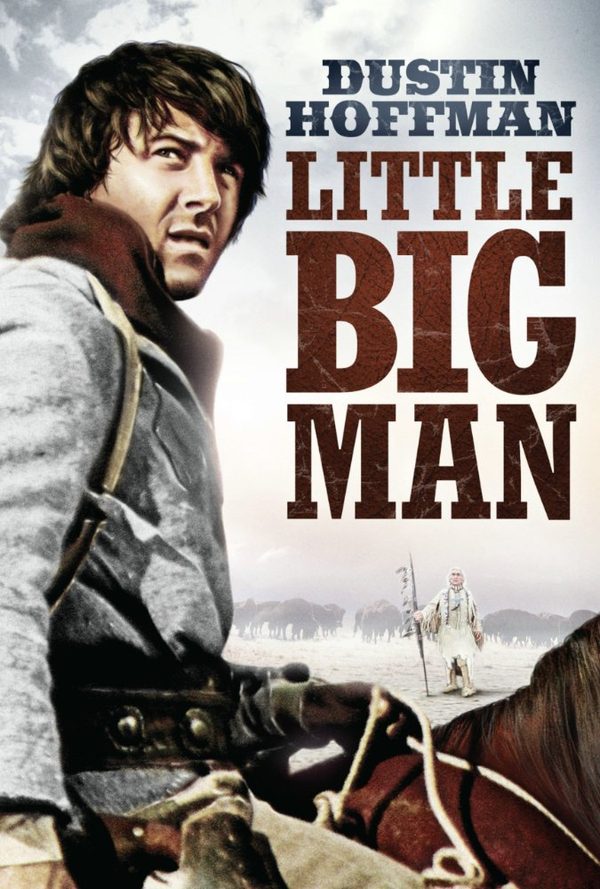
Trailer

Plot summary
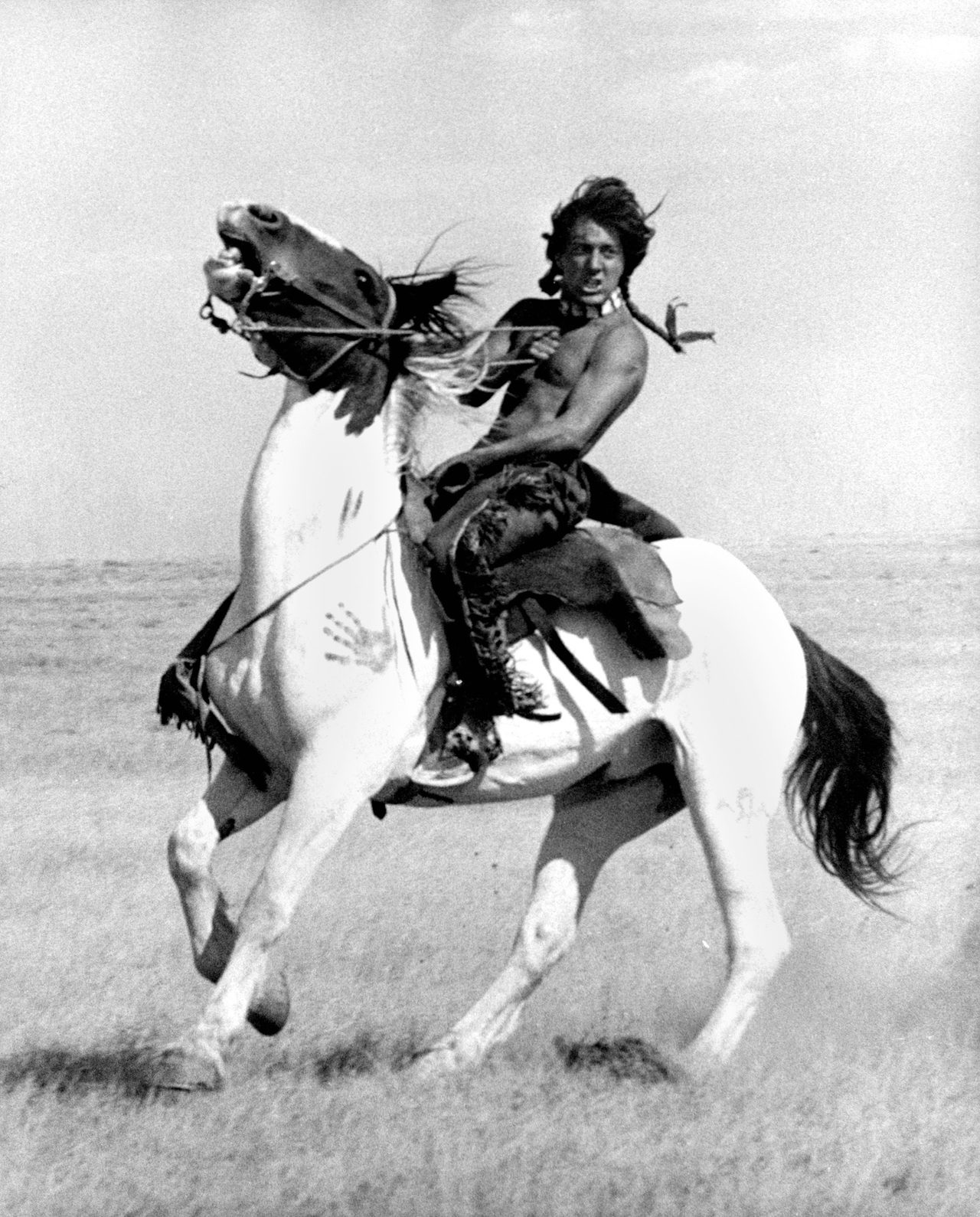
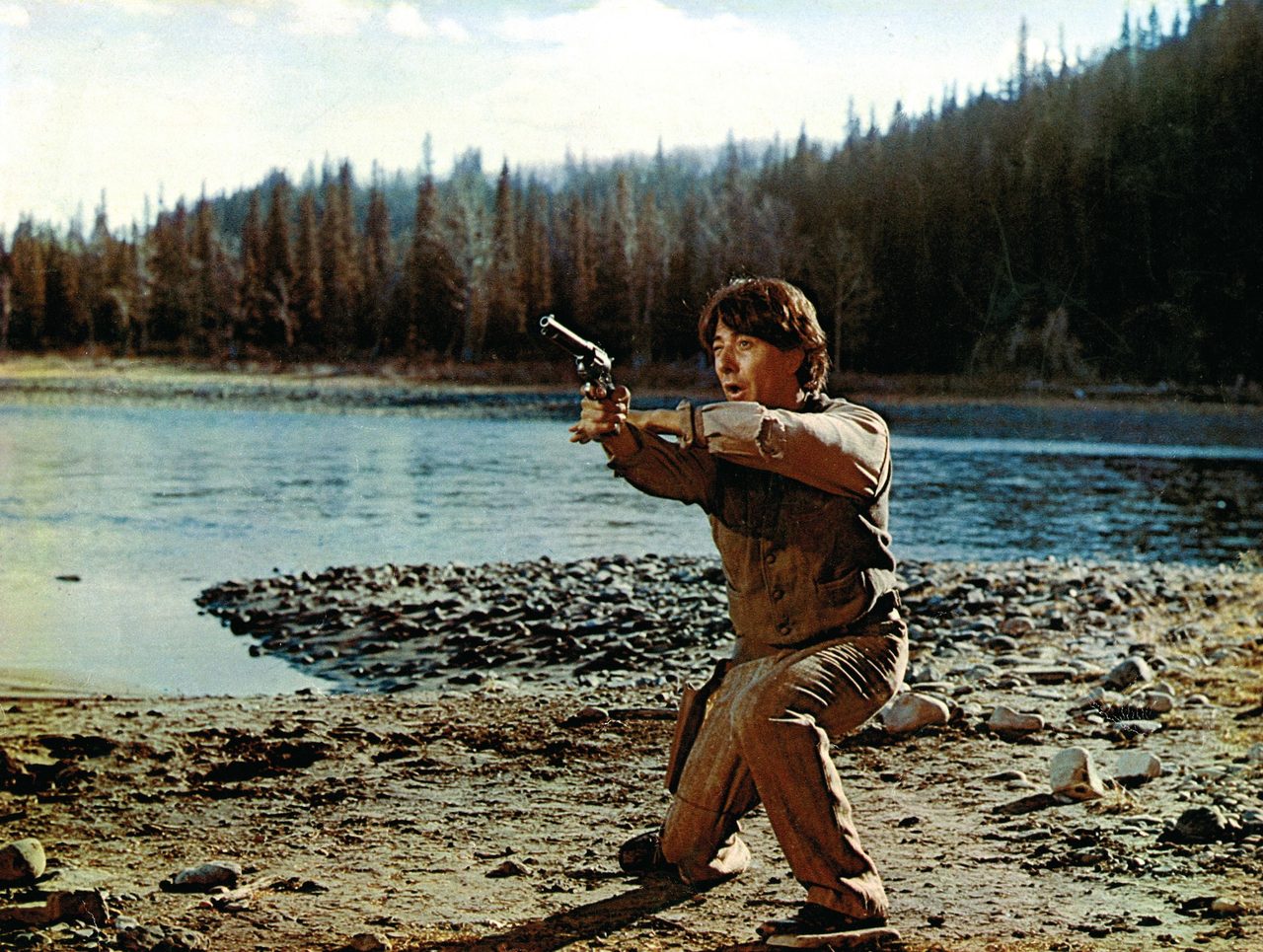
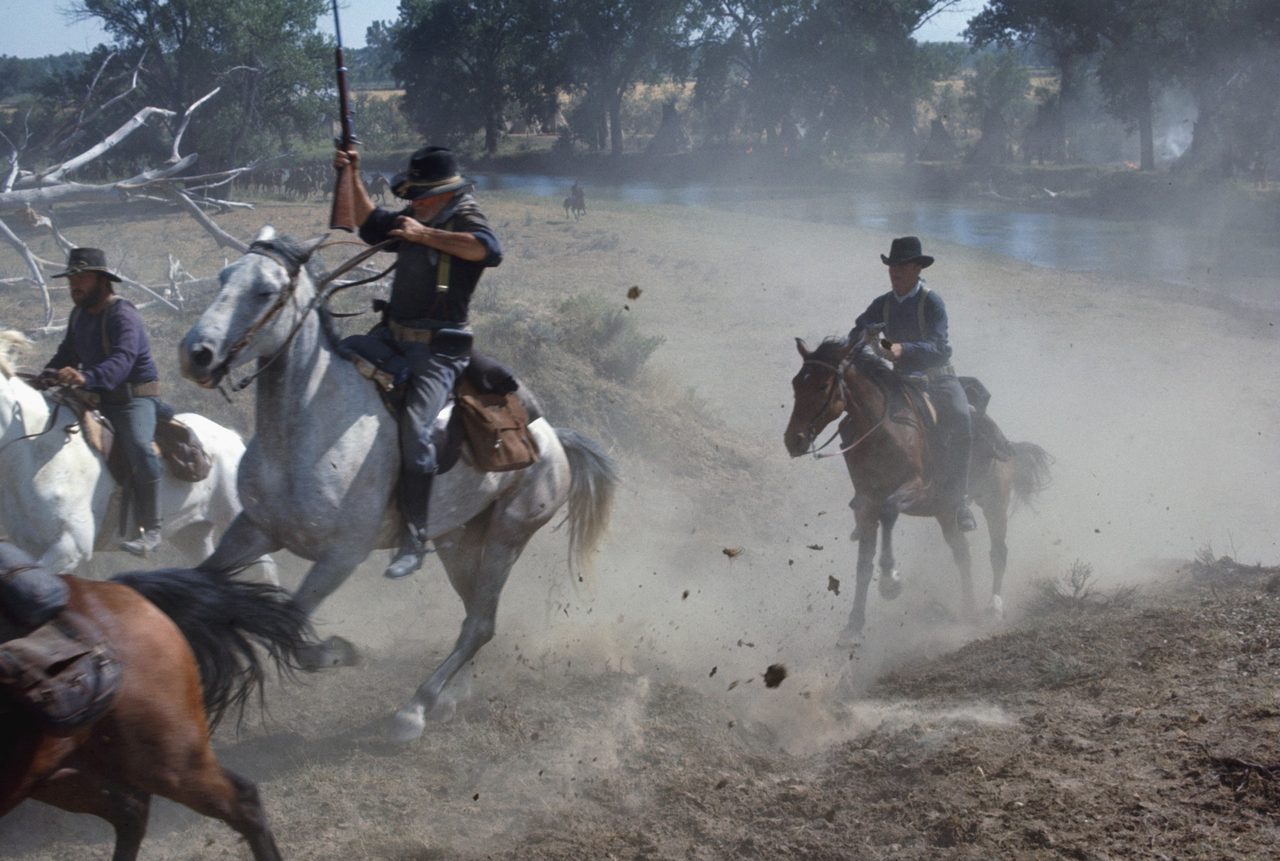
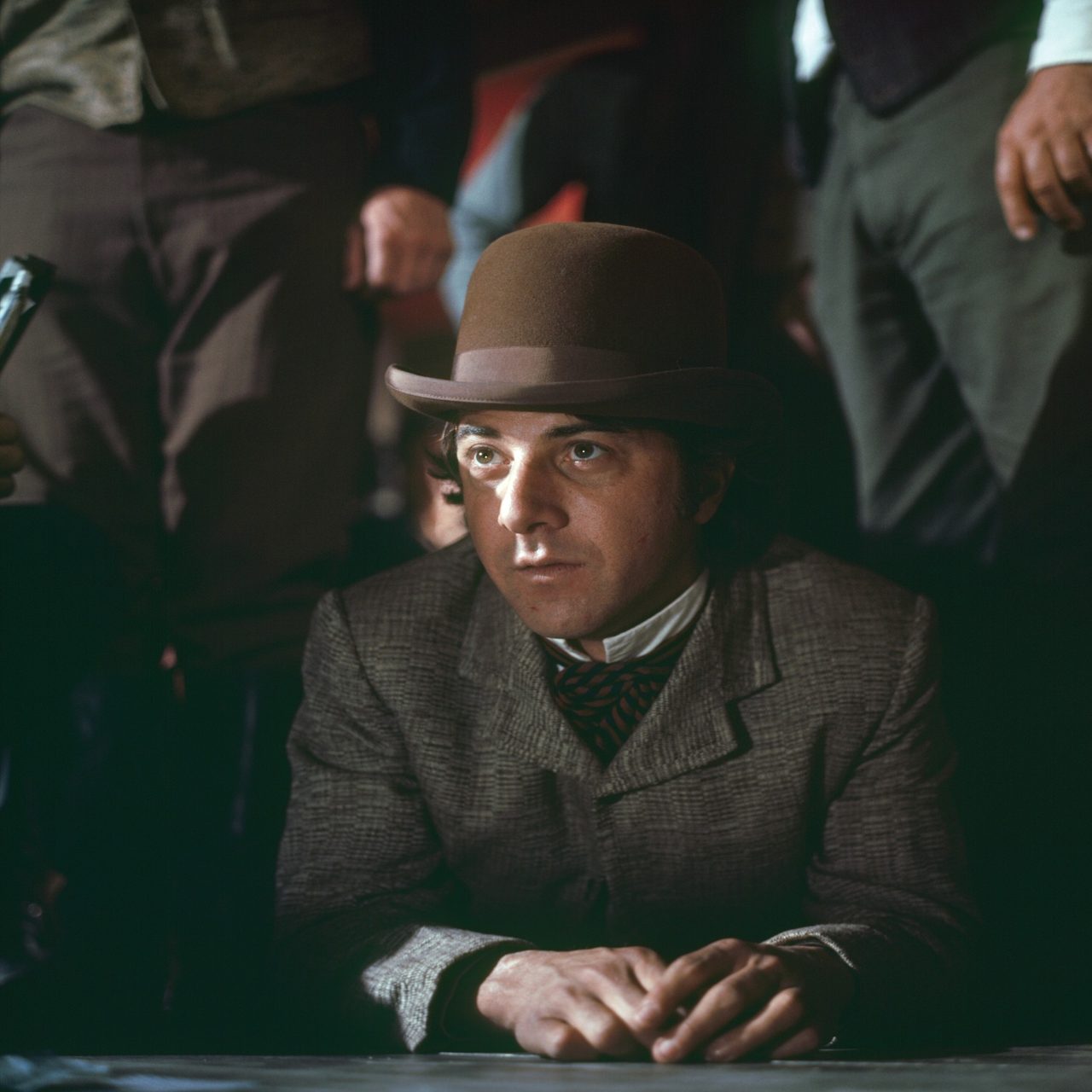
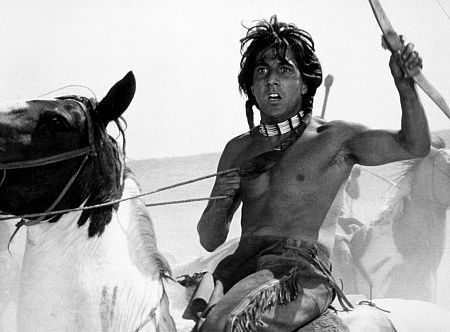
Jack Crabb is 121 years old when a historian comes to record his recollections. He begins in 1859, when he is ten: the Pawnee kill his parents, and a Cheyenne brave, Shadow, carries Jack and his sister Caroline to the village, where the tribal leader Old Lodge Skins raises him. Caroline runs off; Jack stays and receives the name Little Big Man, and another boy, Younger Bear, becomes his enemy. In 1865 cavalry troops seize him in a skirmish, and to keep from being killed he gives up his Cheyenne life. A reverend, Silas Pendrake, and his wife Louise take him into their home.
Cast





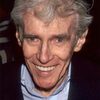


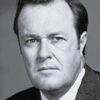


Show all 20 cast


Did you know?!Facts and trivia about Little Big Man (1970)
Can contain spoilers, watch the movie first.
- Chief Dan George received an Academy Award nomination for Best Supporting Actor, making him the first Indigenous North American actor to be nominated for an Oscar.
- To obtain the hoarse voice of a 121-year-old man, Dustin Hoffman sat in his dressing room screaming at the top of his lungs for an hour. Dick Smith's foam latex makeup included revolutionary false eyelids that could blink along with the actor's, but editing left no blinks visible in the finished film.
- The role of Chief Old Lodge Skins was initially offered to Marlon Brando, Paul Scofield and Laurence Olivier, all three of whom turned it down.
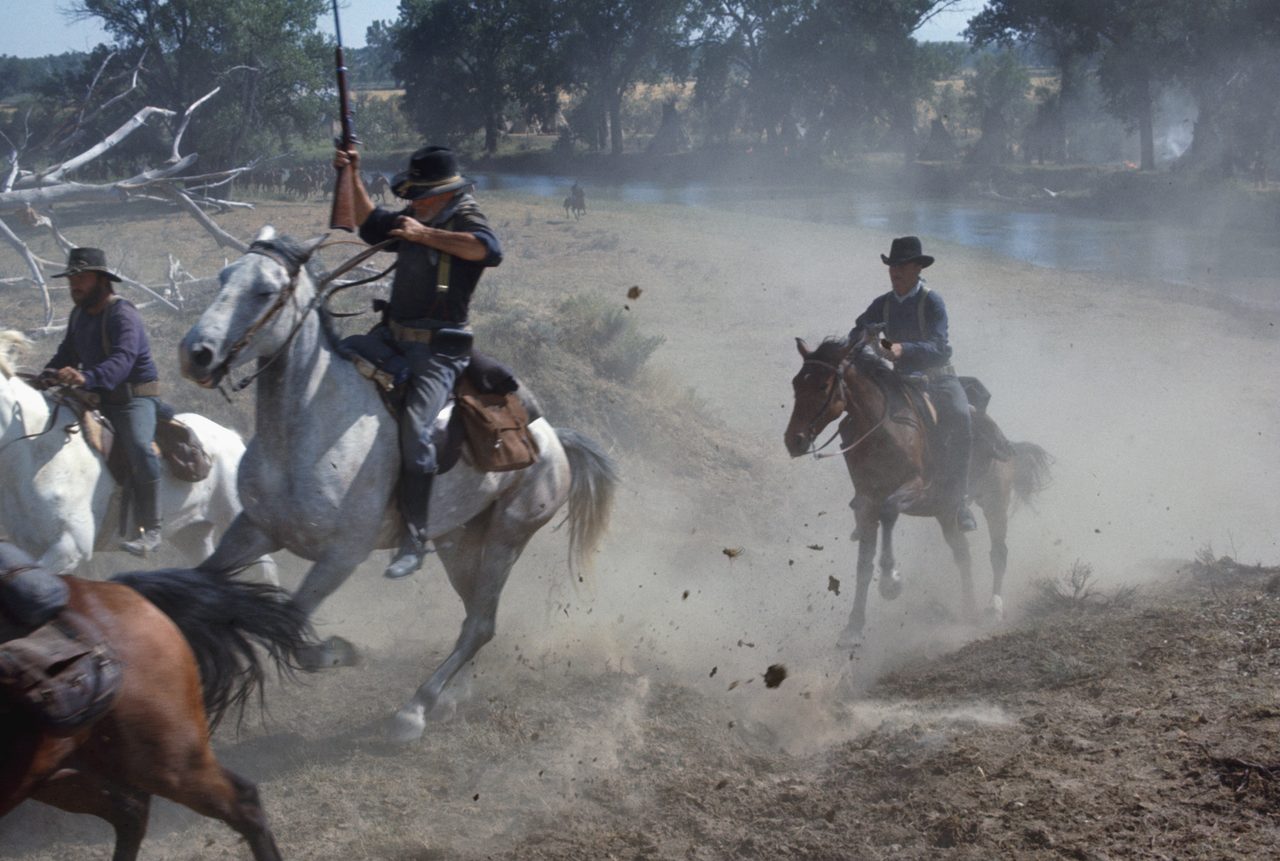
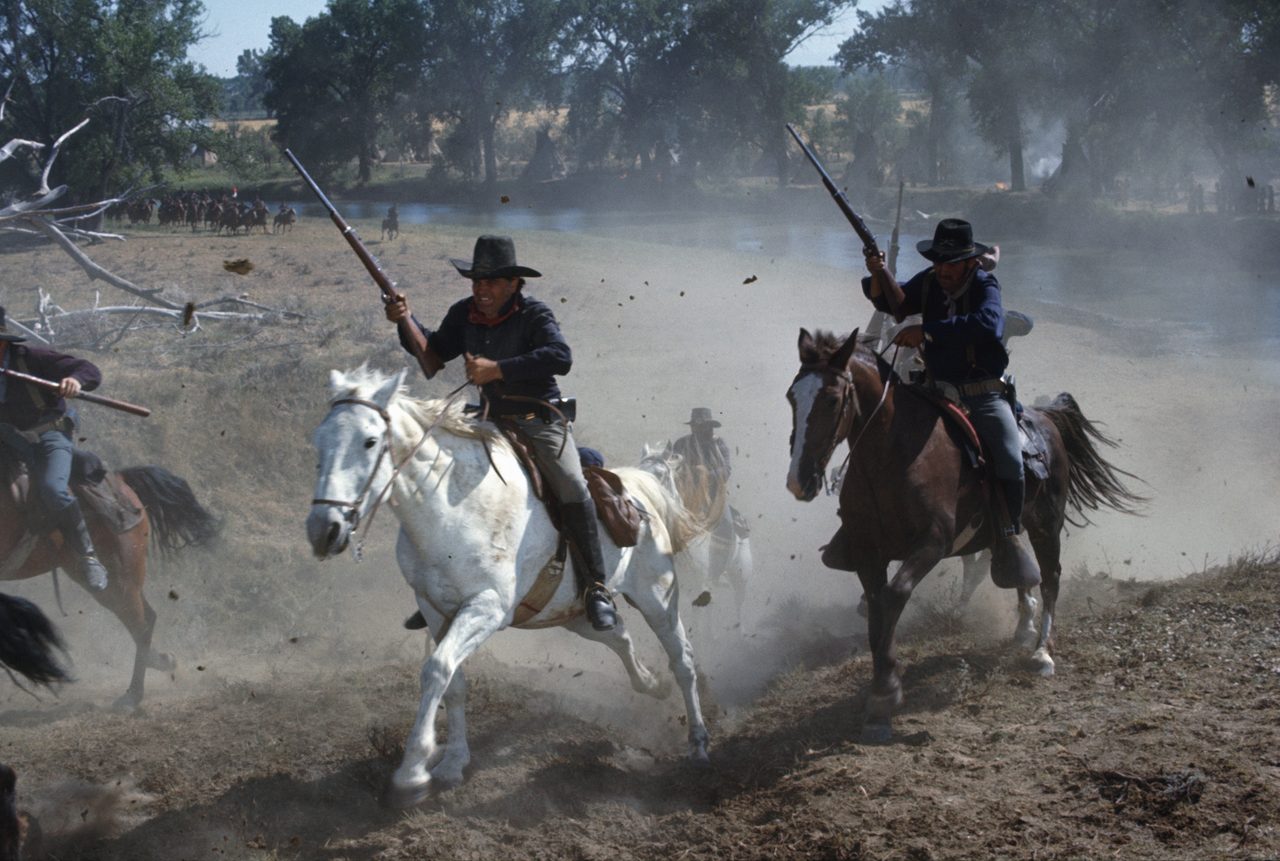
- James Anderson, who played the Sergeant, died of a barbiturate overdose while the production was filming in Montana, where the Little Bighorn battle scenes were shot on location at Crow Agency near the actual battle site.
SPOILER
Old Lodge Skins dies at the end of the novel, but not in the film. Arthur Penn said the death "would have introduced an element of sadness" and made the film melodramatic instead of picaresque, and that he wanted to show the Indians were not only going to be destroyed but "condemned to live".