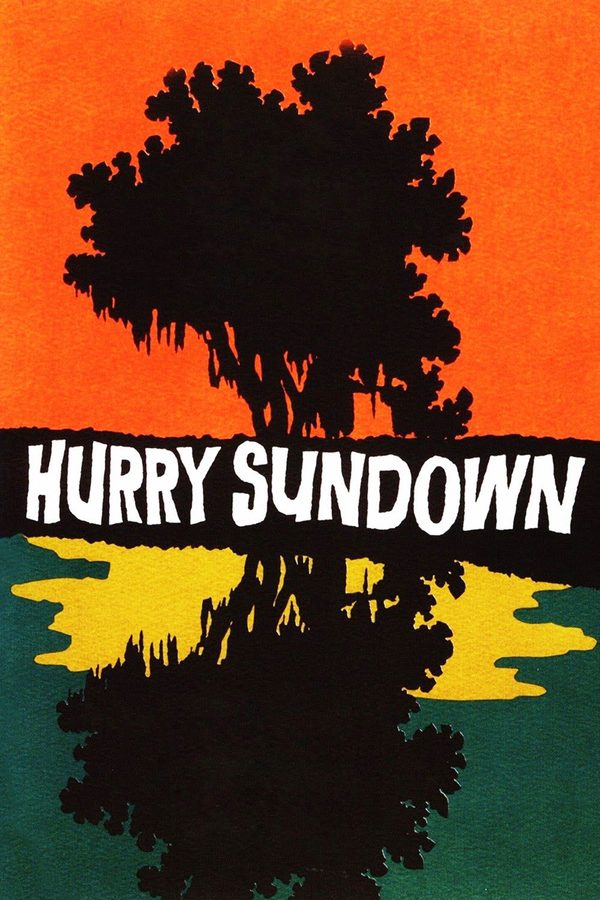
Hurry Sundown (1967) on Netflix
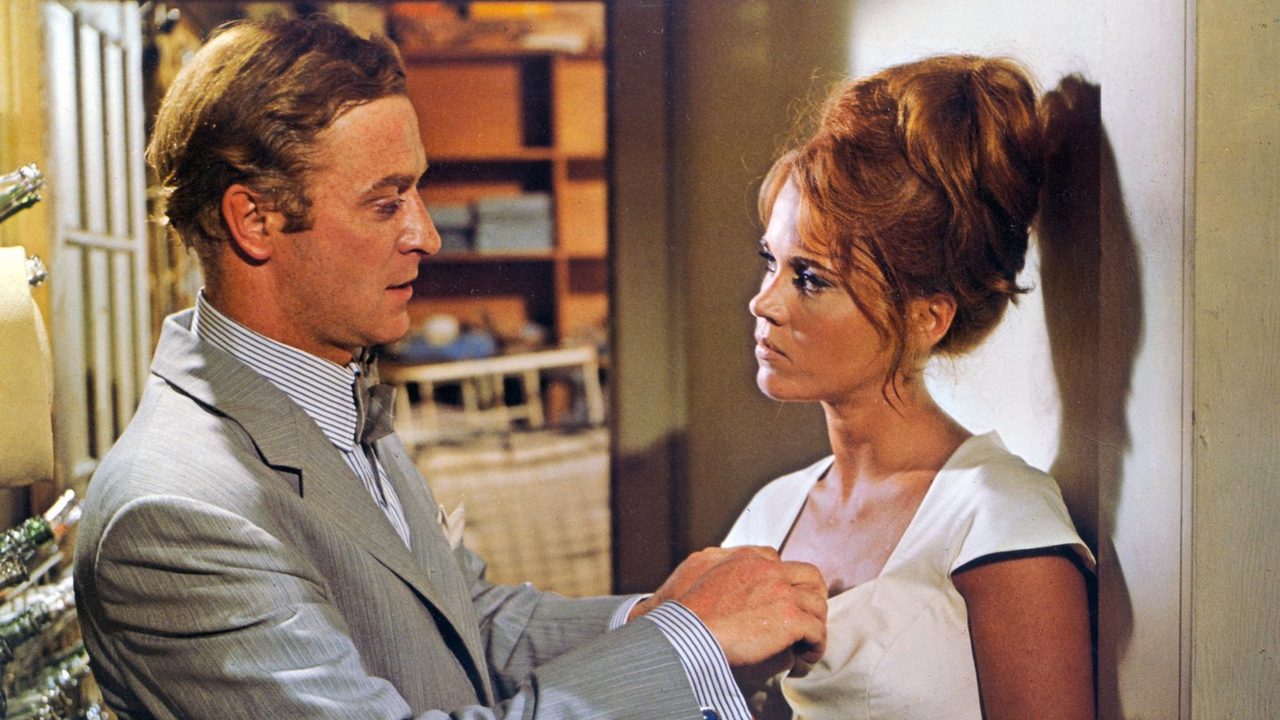
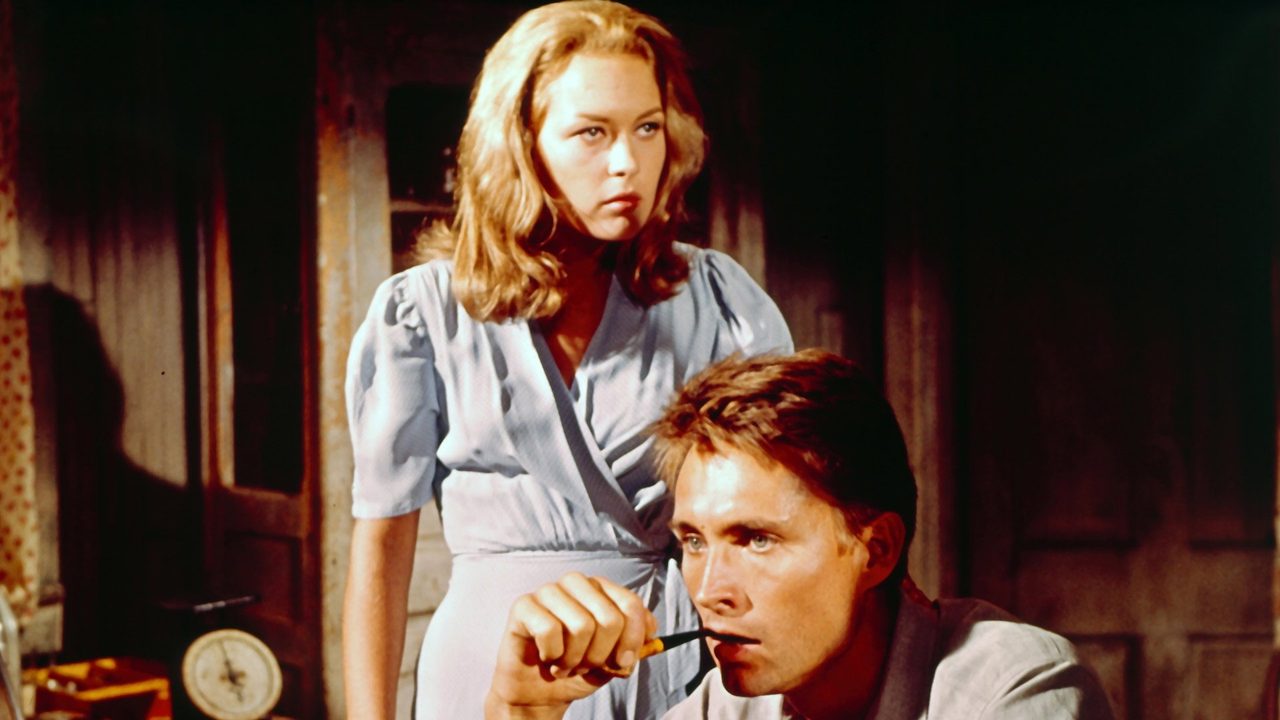
Henry Warren and his wife Julie Ann want to sell their Georgia land to a northern canning plant. The deal needs two adjoining farms, but Rad McDowell and Reeve Scott refuse.
- Netflix2.0/5
- IMDb5.9/101,551 votes
- Rotten Tomatoes22%
Trailer
Plot summary
In 1946, a northern canning company wants farmland in rural Georgia, and Henry Warren is prepared to sell. His wife Julie Ann holds the title. The buyers also need the two neighboring farms, owned by Henry's cousin Rad and Rad's wife Lou, and by Reeve Scott, a black farmer whose mother Rose is ill and once nursed Julie Ann. Neither man will part with his land. Rad and Reeve join forces in a black and white partnership that the county sees as dangerous and controversial, and it angers Henry. Julie Ann, meanwhile, is distressed by how Henry treats their mentally challenged son.
Cast



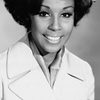
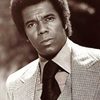

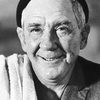
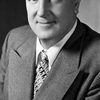



Did you know?!Facts and trivia about Hurry Sundown (1967)
Can contain spoilers, watch the movie first.
- Locals resented a film about a black and white friendship being made in their midst: tires were slashed, some actors received telephoned death threats, and a burning cross appeared on one of the sets at 3:00 am.
- A convoy of cars and trucks carrying the company back to its hotel was ambushed by a volley of sniper gunfire; actor Robert Hooks said they felt surrounded by the dumbest, meanest and most cowardly people on earth.
- Otto Preminger bought the film rights to the 1,046-page novel for $100,000 eight months before publication, then planned a four-and-a-half-hour epic with a $25 top ticket, the highest price scale in American film exhibition history.
- Horton Foote, hired to adapt the novel because Preminger admired his screenplay for To Kill a Mockingbird, finished a draft in three months in London; Preminger paid his full fee, dismissed him, and still insisted on giving him screen credit.
- Faye Dunaway sued Otto Preminger to win release from the five-film contract she had signed with him; an out-of-court settlement came in March 1968, and she later said it cost her a lot of money not to work for him again.
- A union demand that crews be paid double for filming after 4:00 pm killed Preminger's plan to shoot in Georgia, so the production moved to Louisiana, where designer Gene Callahan's crew built a dam and reservoir holding 17.5 million gallons of water.
- The Bellemont Motor Hotel advised Preminger that mixed bathing would not be allowed in its pools, agreeing to designate one "interracial" only when he threatened to leave without paying; a crude bomb was later thrown into that pool at night, injuring no one.