Flowers and Trees (1932) on Netflix
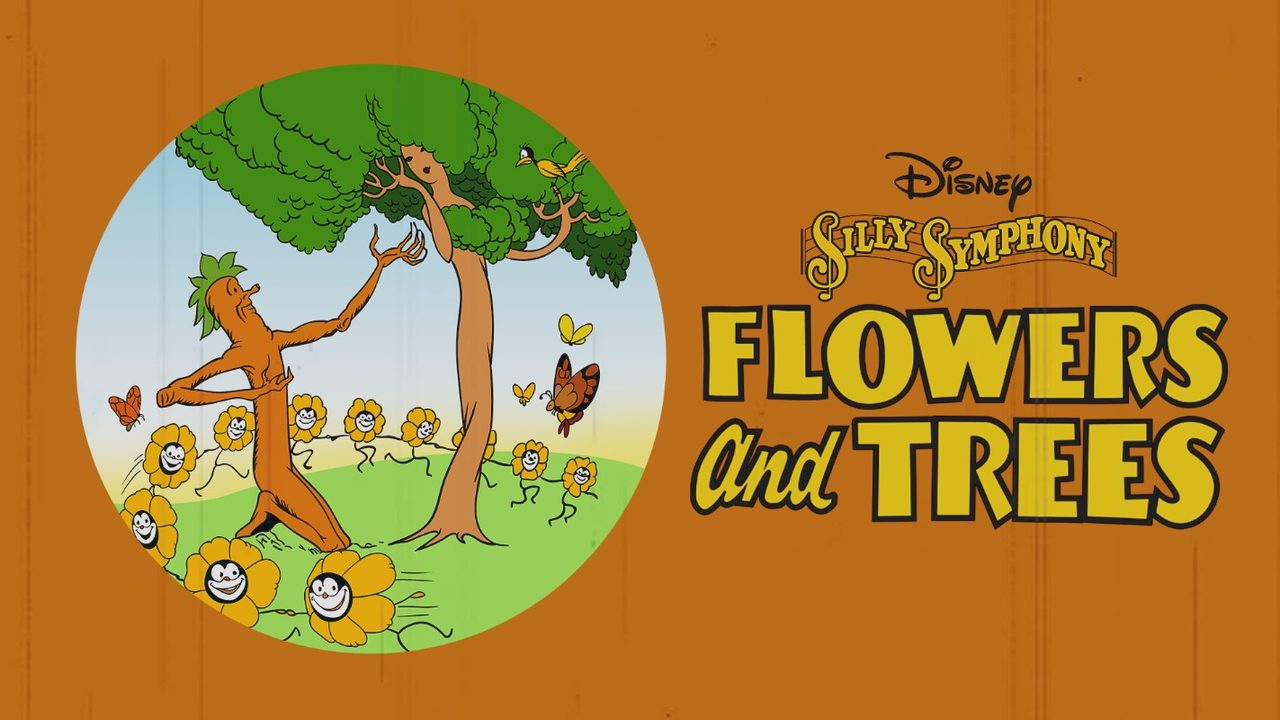
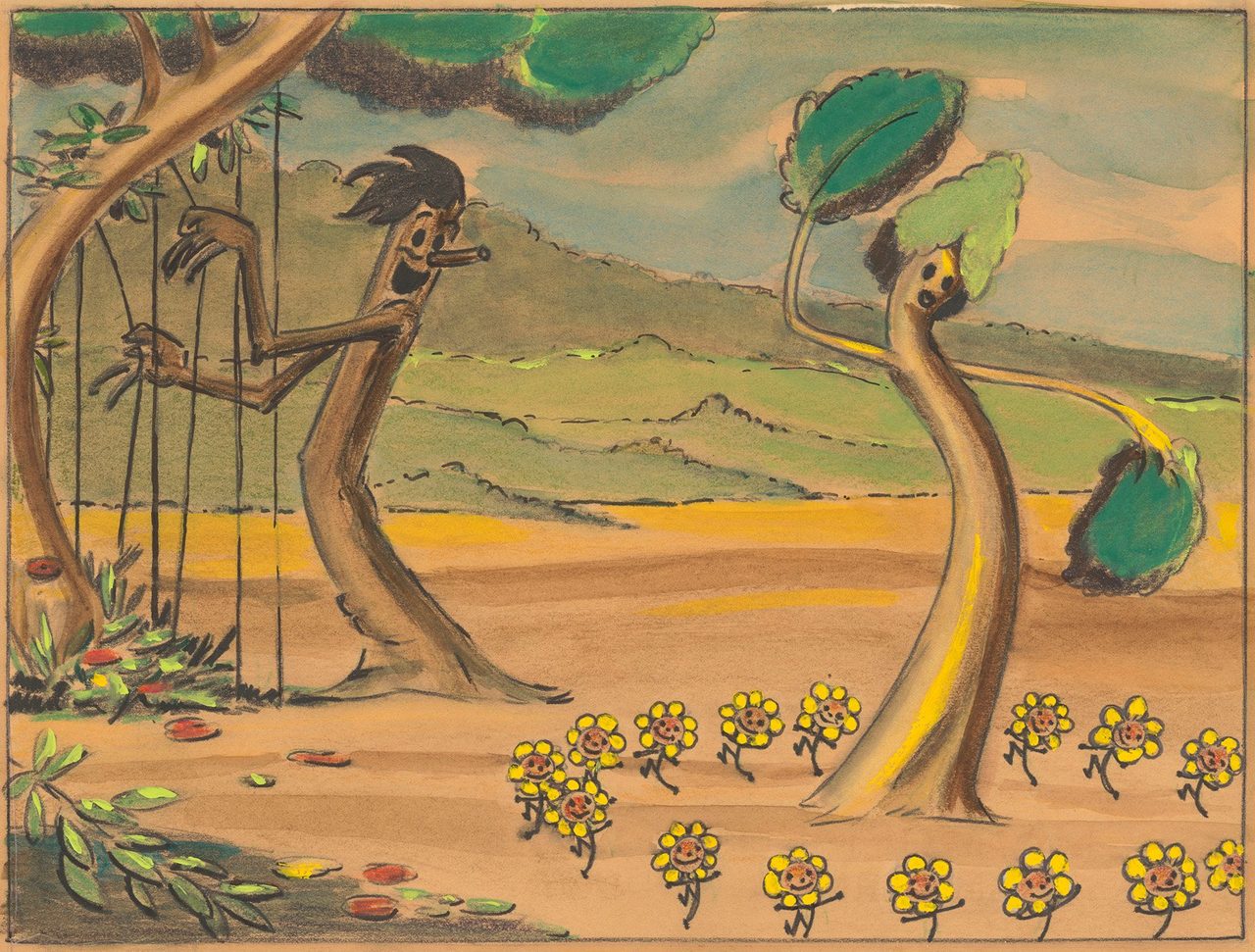
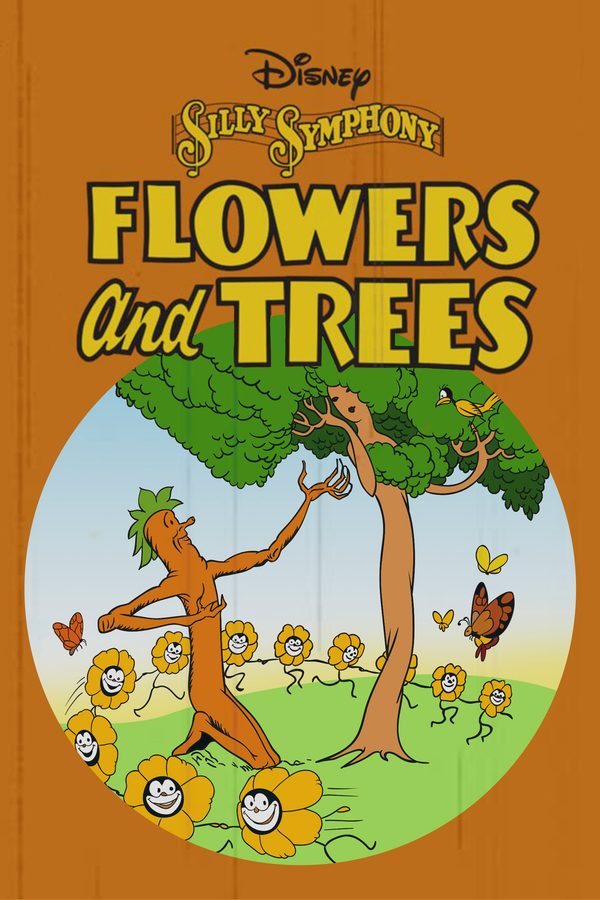
Flowers and mushrooms stretch, trees play tunes on vines, robins sing. A hollow elm and a young poplar court a holly oak, and the elm sets a fire.
- Watch on NetflixThis title is not on Netflix right now. Please check back later for updates.
- Watch on NordVPN
- Netflix3.6/5
- IMDb7.2/104,511 votes
- Rotten TomatoesNot available
Plot summary
The wood wakes for spring. Flowers and mushrooms do their calisthenics, trees bend and sway, and one stand of trees makes music on vines strung tight like harp strings while a chorus of robins sings along. Two trees, a younger, healthier poplar and a jealous, hollow elm, both want the notice of a holly oak, and the poplar is the one she favors. The elm retaliates by kindling a fire that catches in the undergrowth. Flames run through the trunks and vines, and the animals and plants of the forest scatter, some to escape the blaze and some to fight it.
Cast


Did you know?!Facts and trivia about Flowers and Trees (1932)
Can contain spoilers, watch the movie first.
- In May 1932, Technicolor completed its first three-strip camera. Herbert Kalmus wanted to test it in animation but found no interested animators, until Walt Disney agreed to try it on Flowers and Trees and had the cartoon, already in production in black-and-white, redone in color.
- Flowers and Trees was the first commercially released film made in the full-color three-strip Technicolor process, after several years of two-color Technicolor films.
- The switch to color ran the production over budget and threatened to ruin Walt Disney financially, but the cartoon proved so popular that its profits made up for the overage.
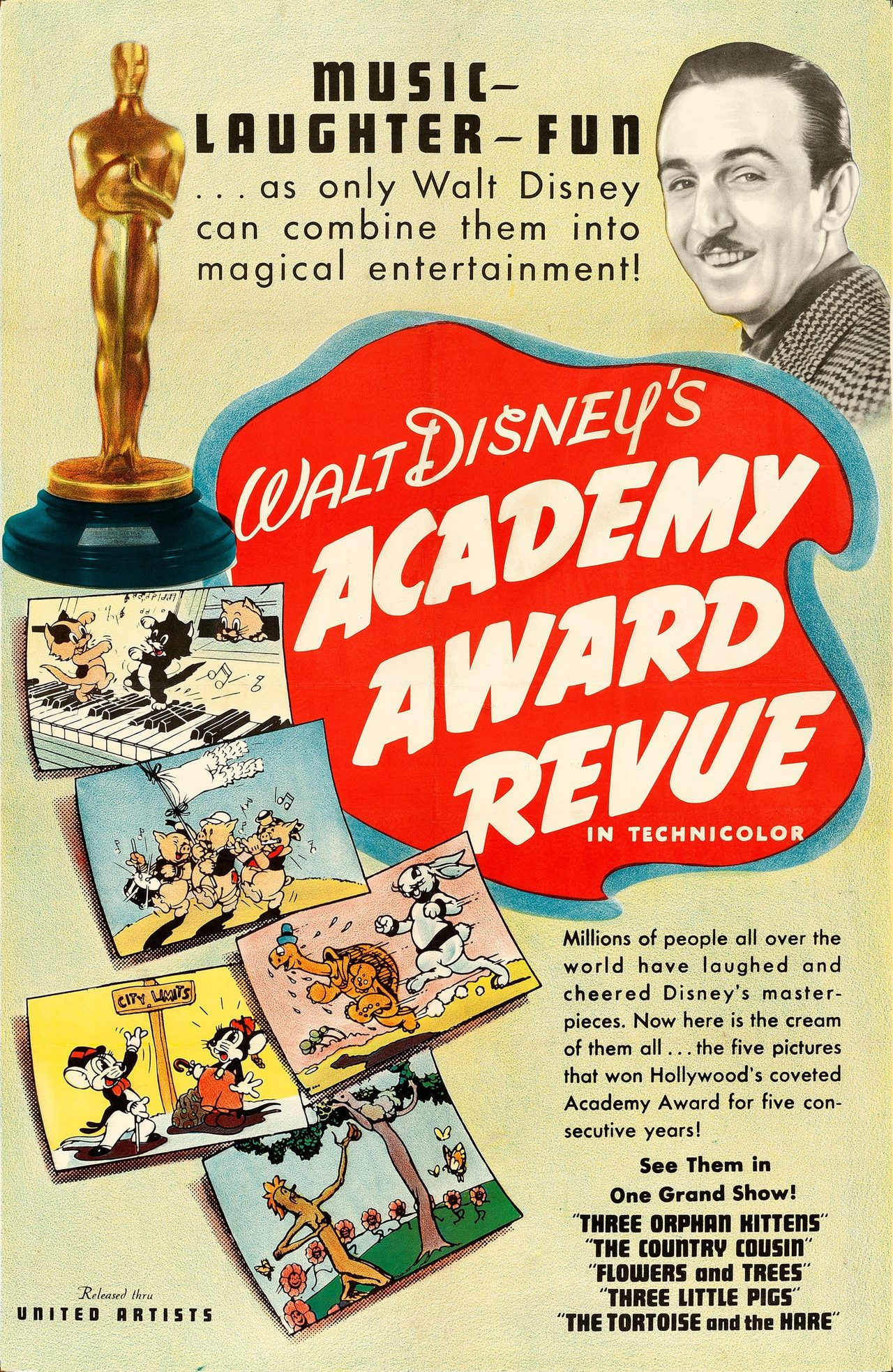
- Flowers and Trees was the first animated film to win an Academy award, taking best "Short Subjects, Cartoons" at the fifth Academy Awards in 1932, a category introduced that year.
- Disney's exclusive contract with Technicolor, which ran to the end of 1935, forced rival animation producers Ub Iwerks, Disney's former head animator, and Max Fleischer to use Technicolor's inferior two-color process or a competing two-color system such as Cinecolor.
- After Flowers and Trees succeeded, every future Silly Symphonies cartoon was made in three-strip Technicolor, and the novelty of color boosted the series' previously disappointing returns.