Diary of a Madman (1963) on Netflix
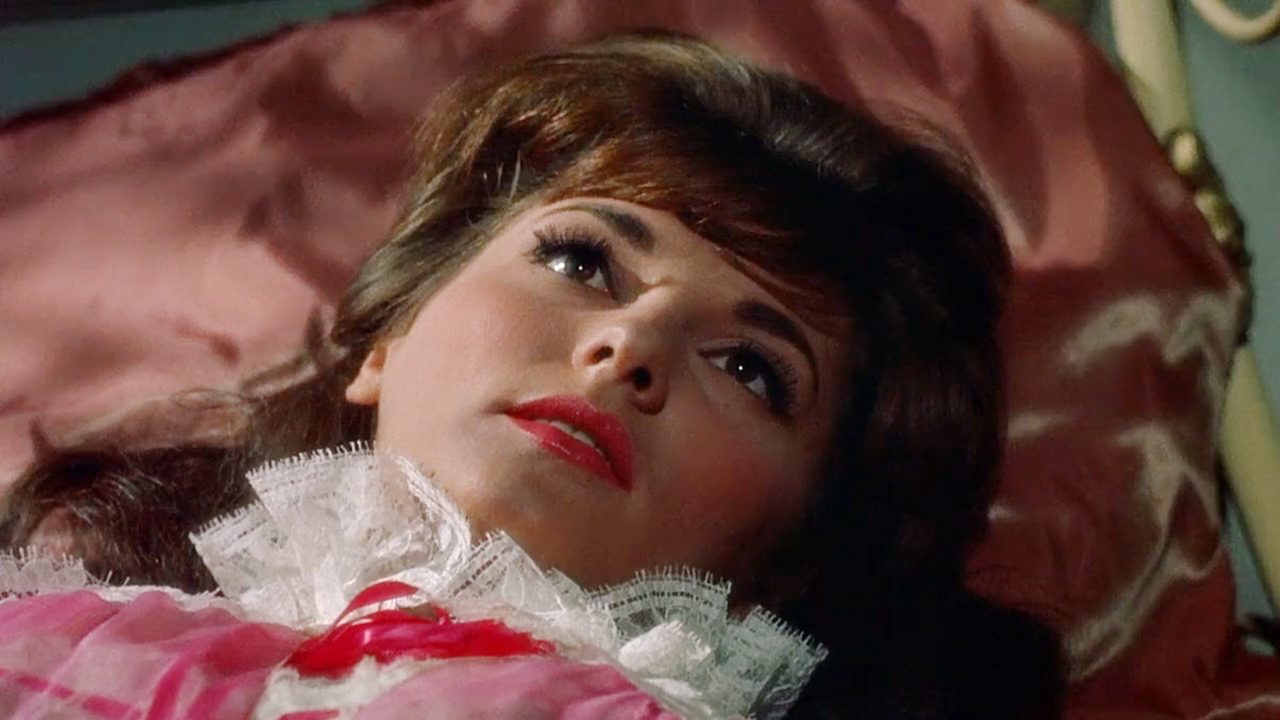
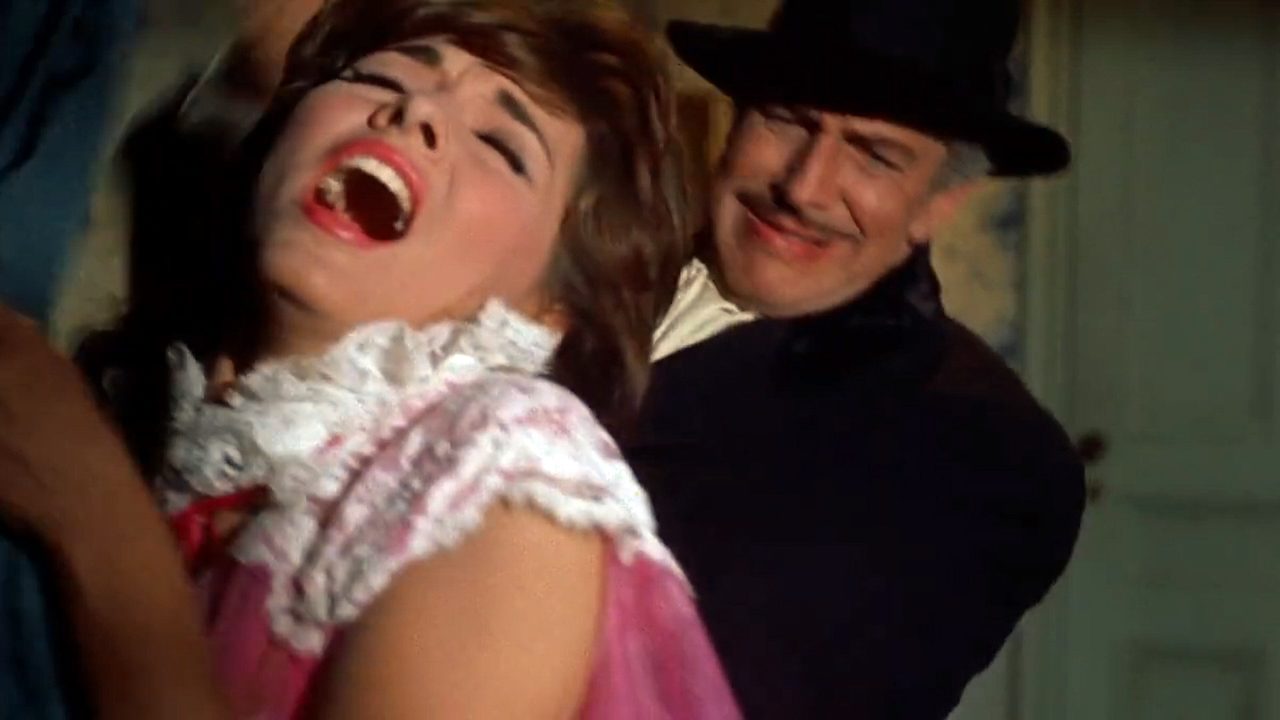
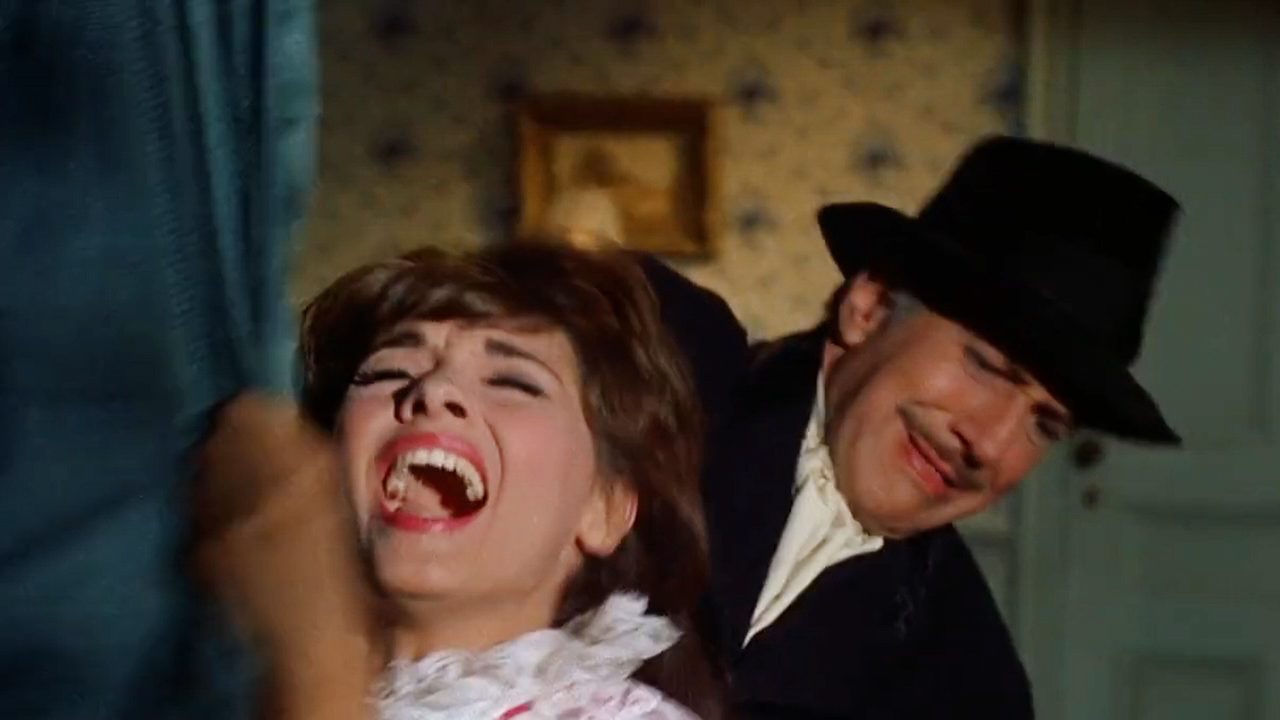
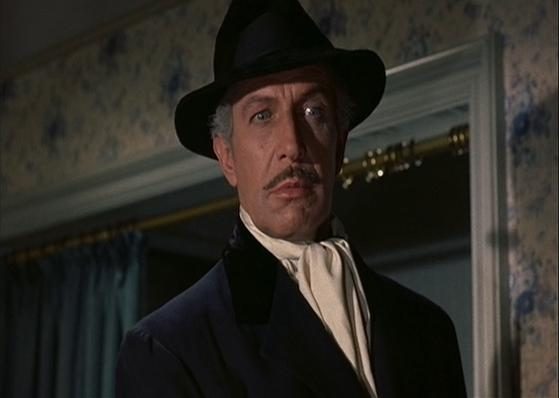
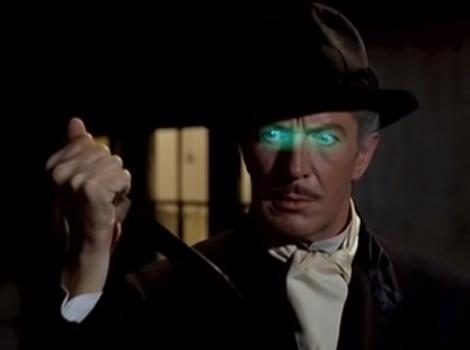
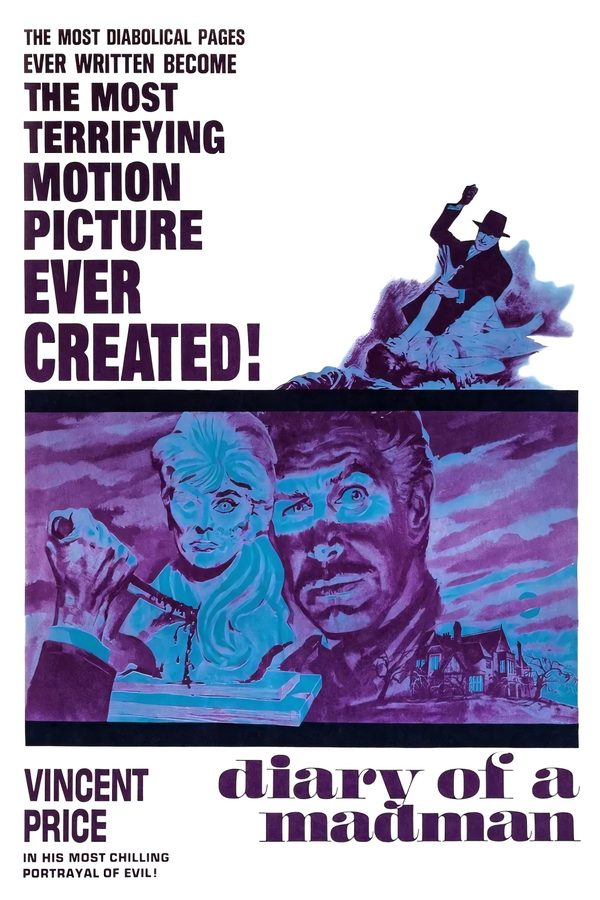
A French magistrate and amateur sculptor, Simon Cordier, visits a condemned prisoner who says an evil force drove him to kill. The invisible horla that possessed the man then turns to Cordier.
- Watch on NetflixThis title is not on Netflix right now. Please check back later for updates.
- Watch on Prime
- Watch on NordVPN
- Netflix3.2/5
- IMDb6.3/103,507 votes
- Rotten TomatoesNot available
Trailer

Plot summary
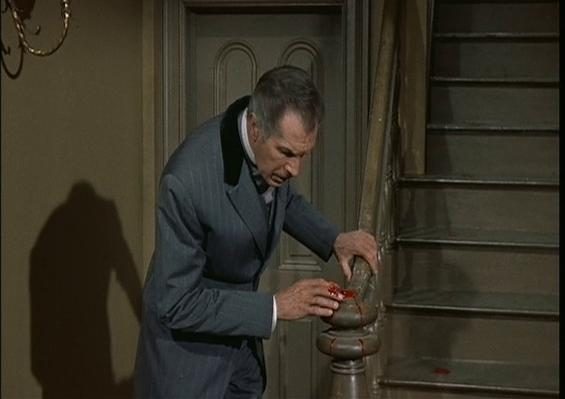
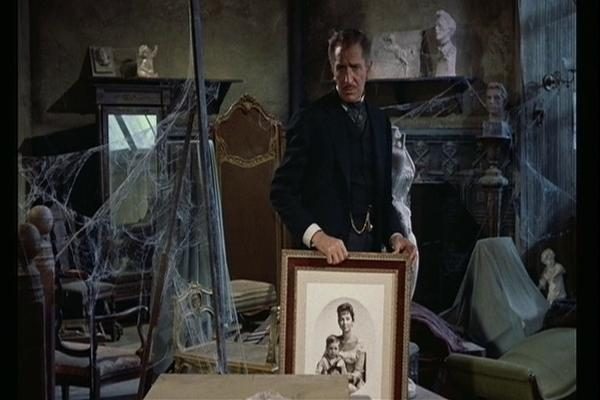
Simon Cordier is a French magistrate who sculpts in his spare time. A condemned prisoner, Louis Girot, asks to see him and claims an evil force inside him caused the murders he committed. Girot lunges at Cordier and falls dead. Afterward Cordier hears laughter and a voice that calls itself the horla and says it will take his body. His late wife's photograph reappears on a wall, Girot's trial file turns up on his desk, and his caged bird is found dead. Dr. Borman tells him the voice is in his mind and encourages him to take up sculpture again. On the street, Odette Mallotte suggests that he sculpt her.
Cast



- Stephen Robertsas Captain Robert Rennedon
- Mary Adamsas Louise




Show all 14 cast


Did you know?!Facts and trivia about Diary of a Madman (1963)
Can contain spoilers, watch the movie first.
SPOILER
Director Reginald LeBorg did the special effects for the finale himself: with no animation used, he cut out a little figure of a man, set it on fire and moved it with piano wire worked from offscreen.- A dispute during filming pitted director Reginald LeBorg against uncredited producer Edward "Eddie" Small over the evil spirit's disembodied voice; after several actors were tested, Small replaced LeBorg's pick with a "raspy"-voiced one, to the director's displeasure.
- Reginald LeBorg called Vincent Price an "excellent" player who "took direction" well but was prone to "overacting," and said he used hand signals on the set to draw more subdued performances out of him.