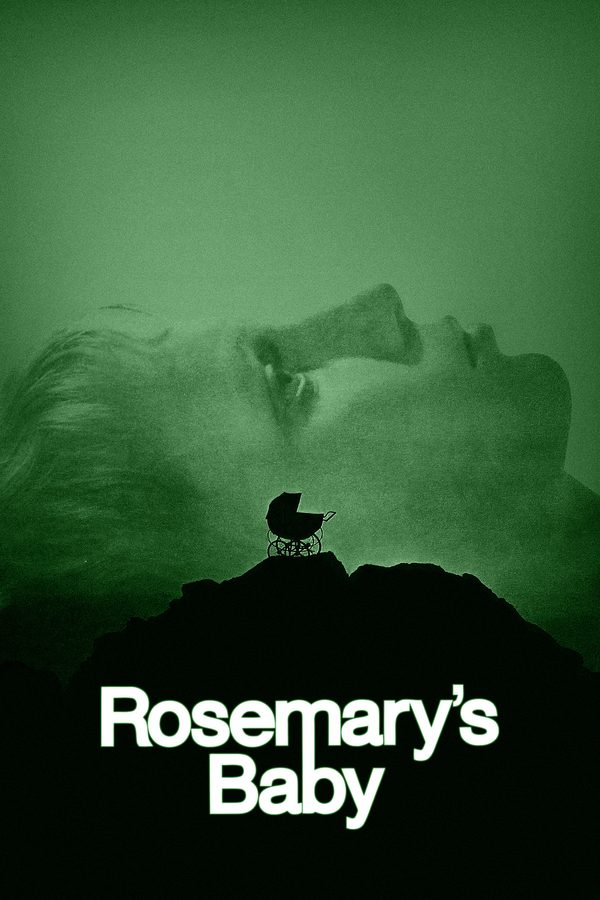
Rosemary's Baby (1968) on Netflix
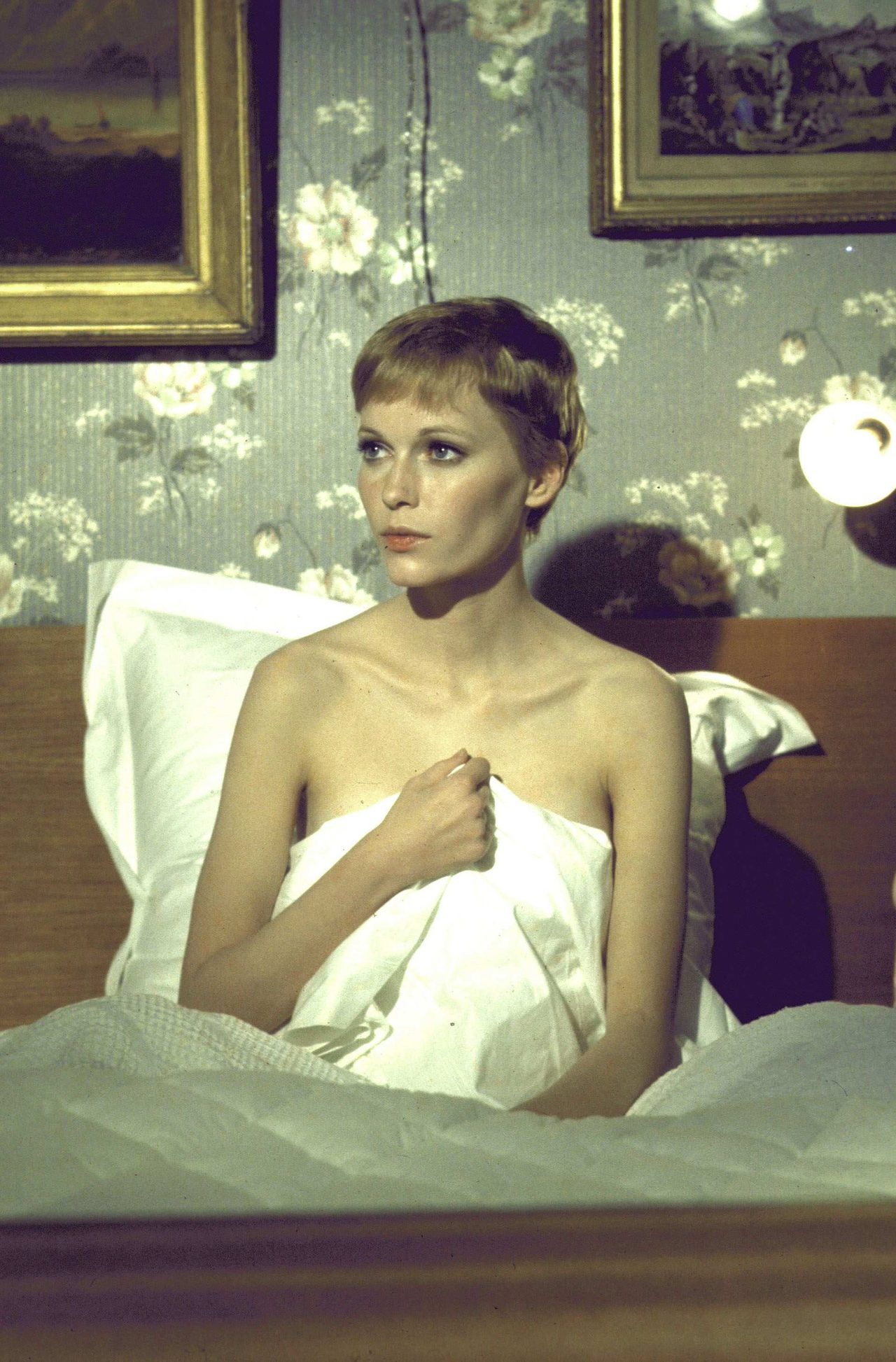
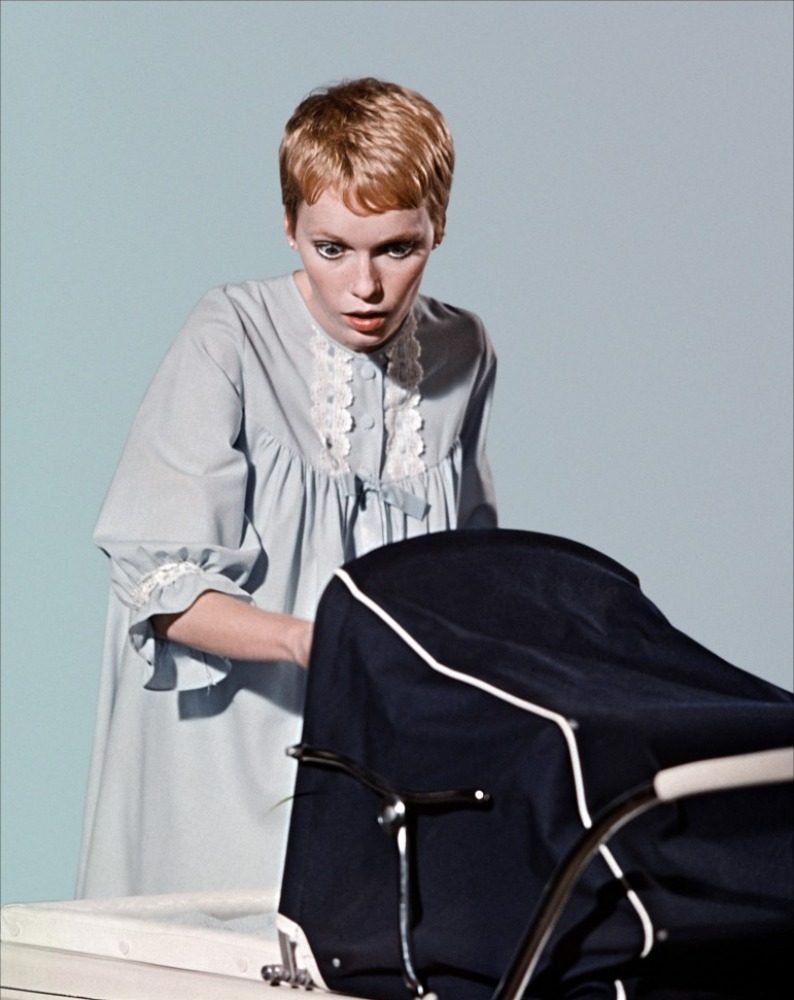
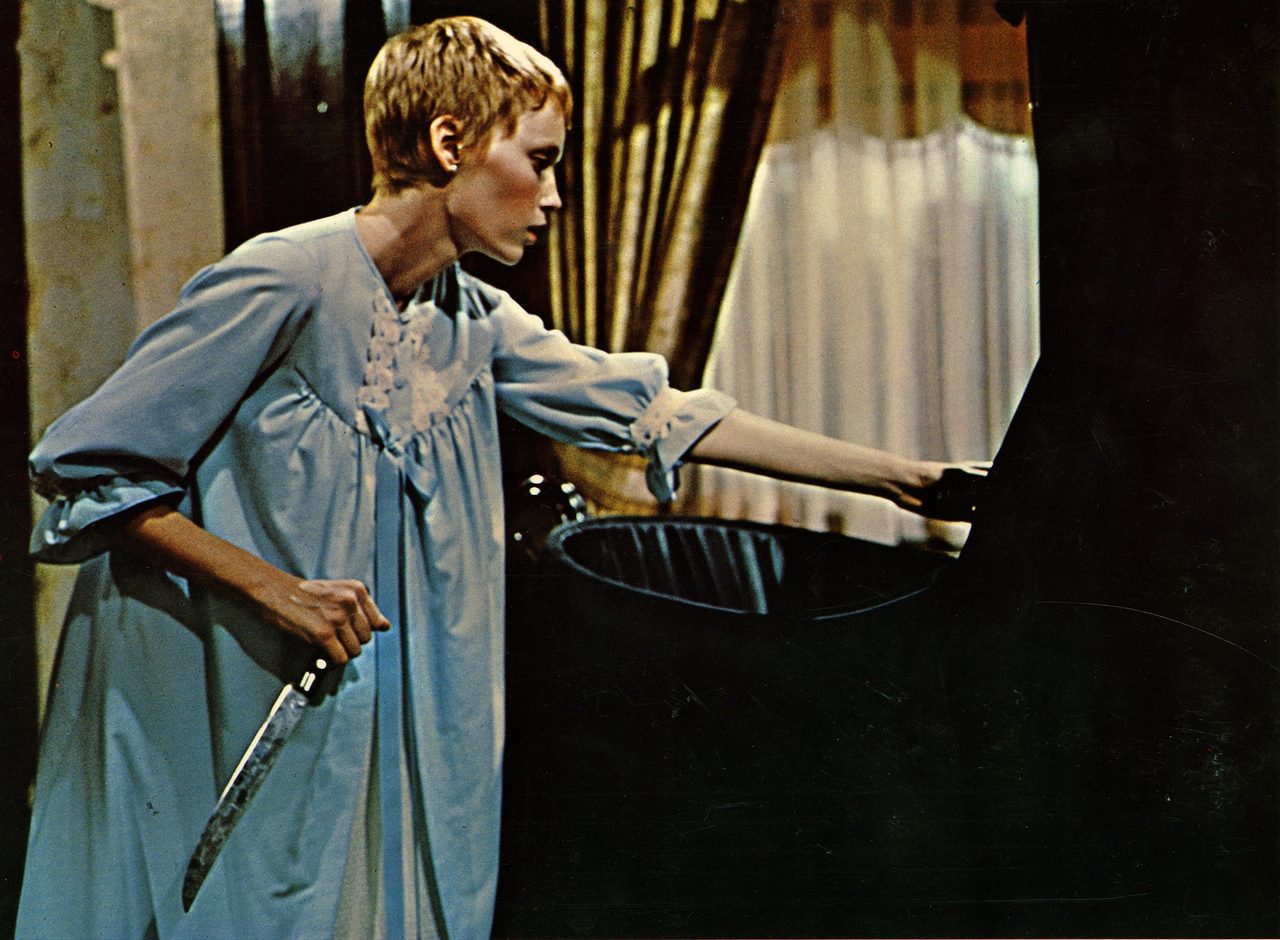
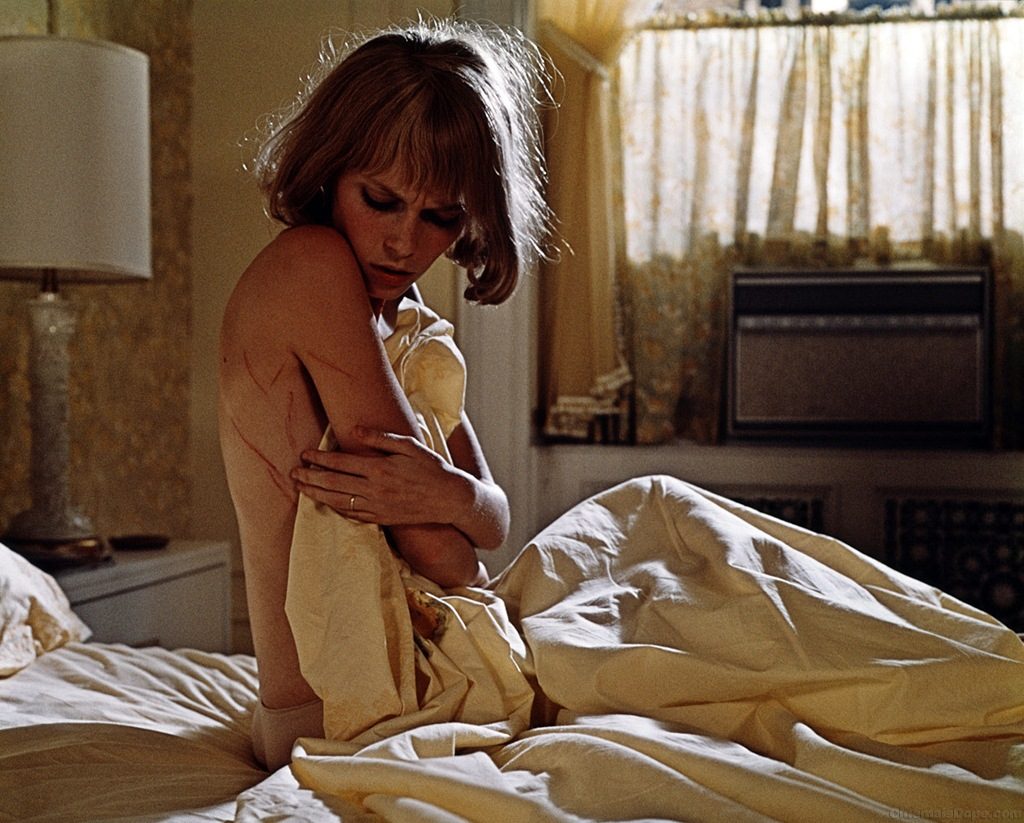
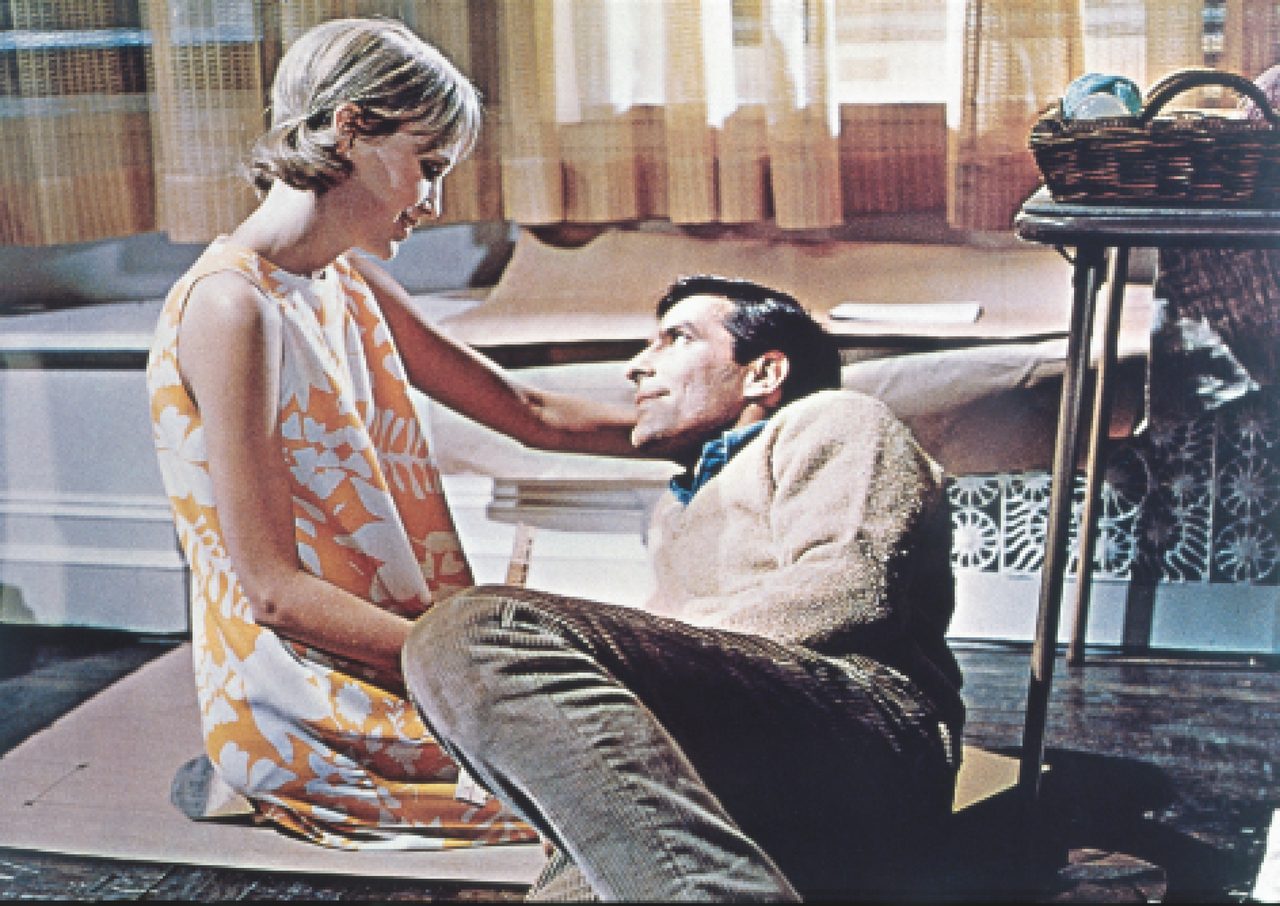
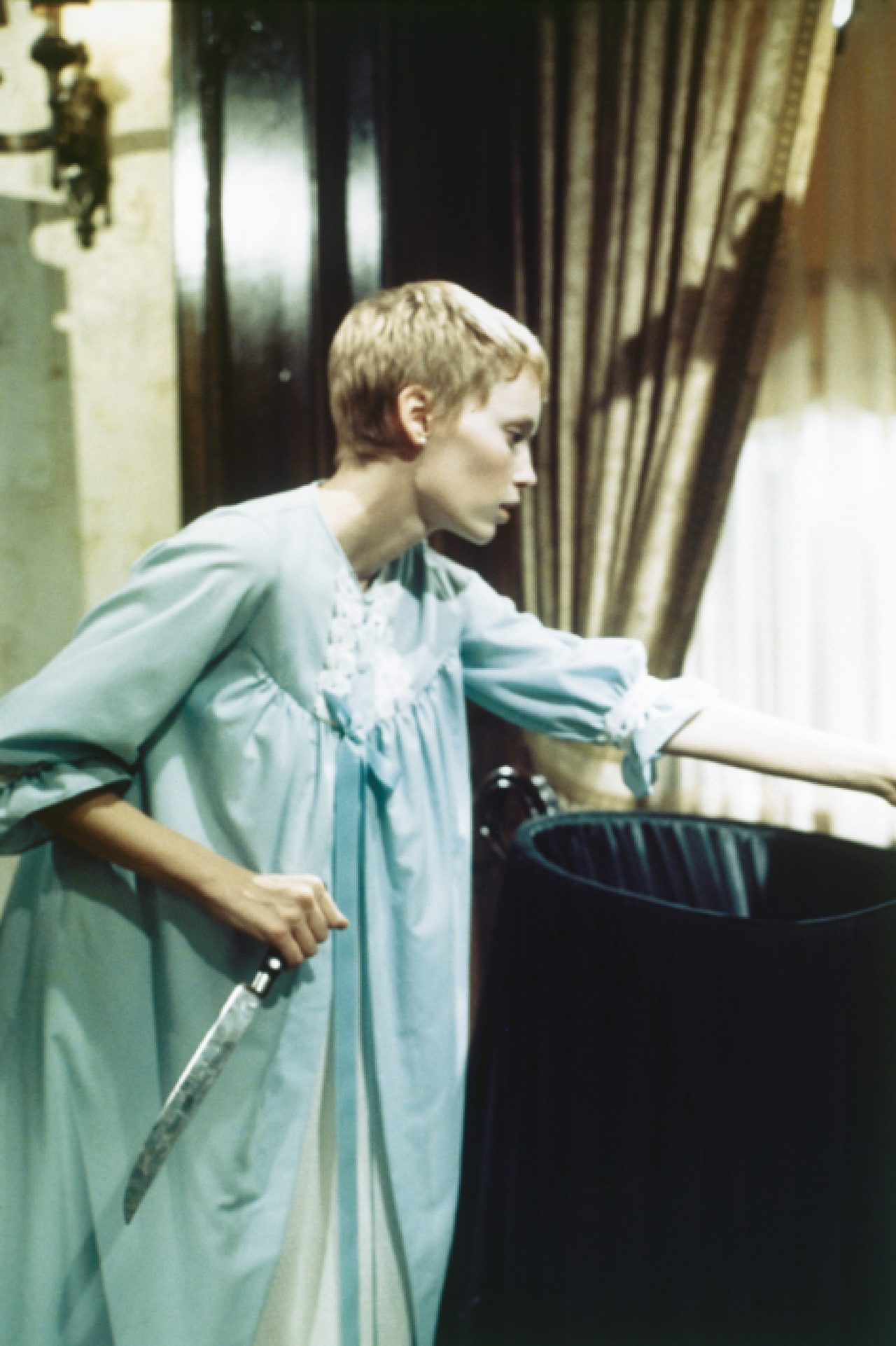
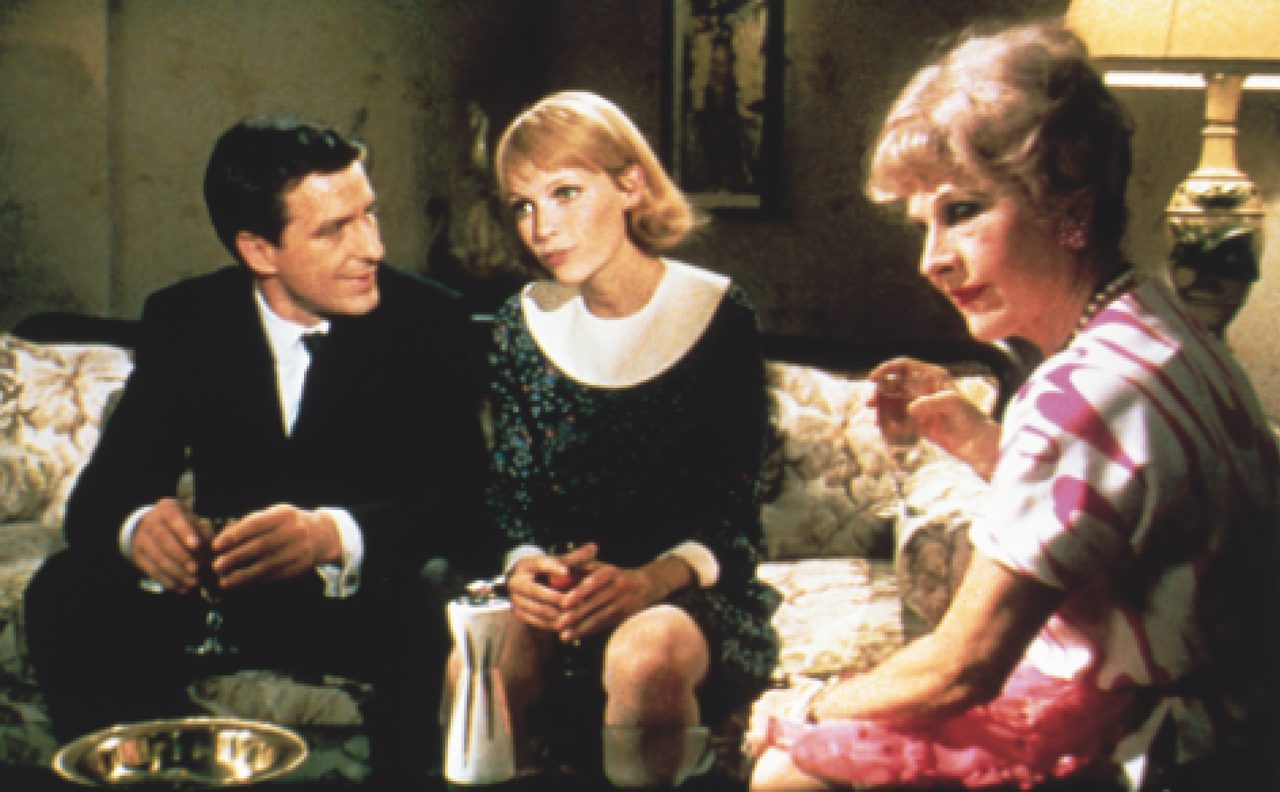
Rosemary and Guy Woodhouse move into the Bramford, a Manhattan apartment building, and befriend their elderly neighbors, Roman and Minnie Castevet. Guy, a struggling actor, wants a child.
- Netflix3.5/5
- IMDb8.0/10261,067 votes
- Rotten Tomatoes97%
Trailer

Plot summary
Guy and Rosemary Woodhouse take an apartment in the Bramford, a Gothic building in Manhattan, ignoring their friend Hutch's warning about the building's past. Their elderly next-door neighbors, Roman and Minnie Castevet, had taken in Terry Gionoffrio, a recovering drug addict, from the street. Rosemary admires the pendant the Castevets gave Terry but dislikes its pungent odor. After Terry dies in a fall from the Castevets' apartment, the old couple befriends the Woodhouses; Guy grows fond of them while Rosemary finds them meddlesome, and Minnie gives her the tannis root pendant as a good luck charm. When the actor in a play loses his sight, Guy takes the role, and he and Rosemary decide to try for a baby.
Cast











Show all 20 cast


Did you know?!Facts and trivia about Rosemary's Baby (1968)
Can contain spoilers, watch the movie first.
- Polanski first envisioned Rosemary as a robust, full-figured, girl-next-door type and wanted Tuesday Weld or his own fiancée Sharon Tate for the role. Jane Fonda, Patty Duke and Goldie Hawn were also reportedly considered.
- Robert Redford was the first choice to play Guy Woodhouse but turned the role down, and Jack Nicholson was briefly considered before Polanski suggested John Cassavetes, whom he had met in London.
- Midway through filming, Mia Farrow's husband Frank Sinatra served her divorce papers via a corporate lawyer in front of the cast and crew. Farrow asked Evans to release her from her contract, but he persuaded her to stay by showing her an hour-long rough cut and assuring her of an Academy Award nomination.
- When Farrow was reluctant to walk into oncoming traffic on Fifth Avenue, Polanski pointed at her pregnancy padding and told her “no one's going to hit a pregnant woman”. The scene was shot in real traffic with Polanski following on a hand-held camera, as he was the only one willing to do it.
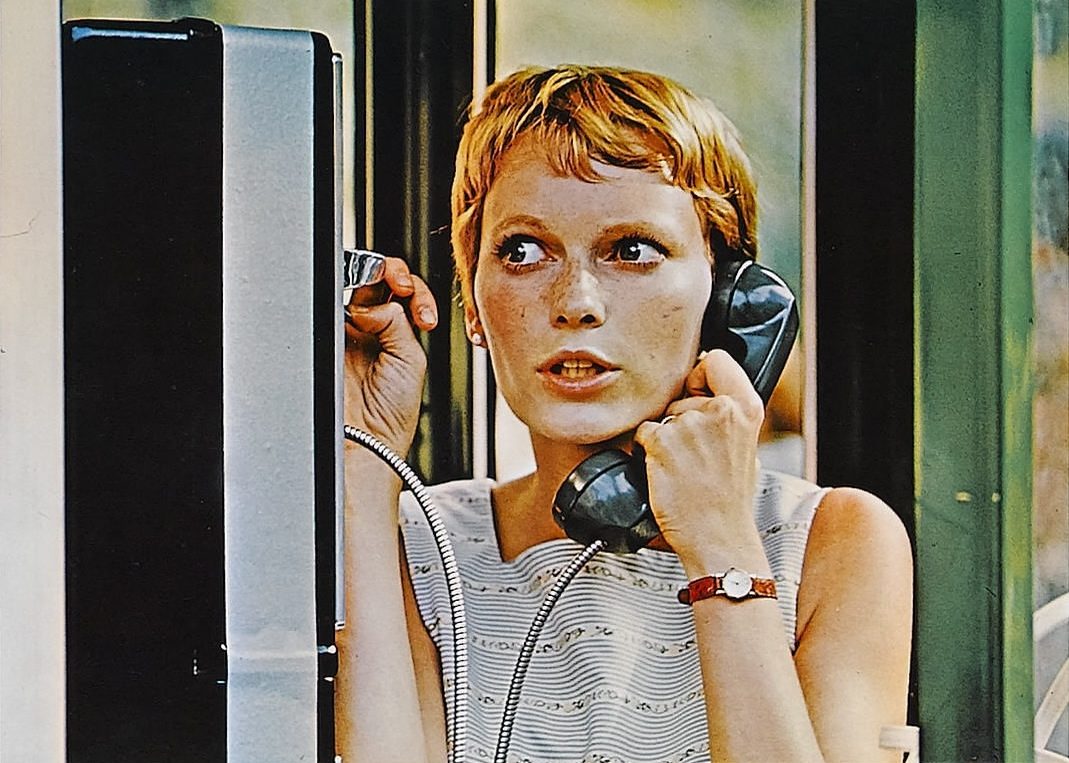
- The voice on the phone as Donald Baumgart, the actor who goes blind and is replaced by Guy, was Tony Curtis, uncredited. Farrow had not been told who would read the lines; she recognized the voice but could not place it, and that natural confusion was exactly what Polanski wanted.
- Polanski completed the 272-page screenplay in roughly three weeks, modeling it closely on Ira Levin's 1967 novel and incorporating large sections of its dialogue and detail, much of it lifted directly from the source text.
- Watching the film while touring the US in 1968 led the English band Deep Purple to write “Why Didn't Rosemary?” for their third album in 1969, a song whose lyrics ask, “Why didn't Rosemary ever take the pill?”
- The film inaugurated cinema's growing fascination with demons and related themes in the decades that followed, and the novel's author Ira Levin wondered in a 2003 afterword whether his idea for Rosemary's Baby ultimately led to an increase in religious fundamentalism.