Trailer
Plot summary
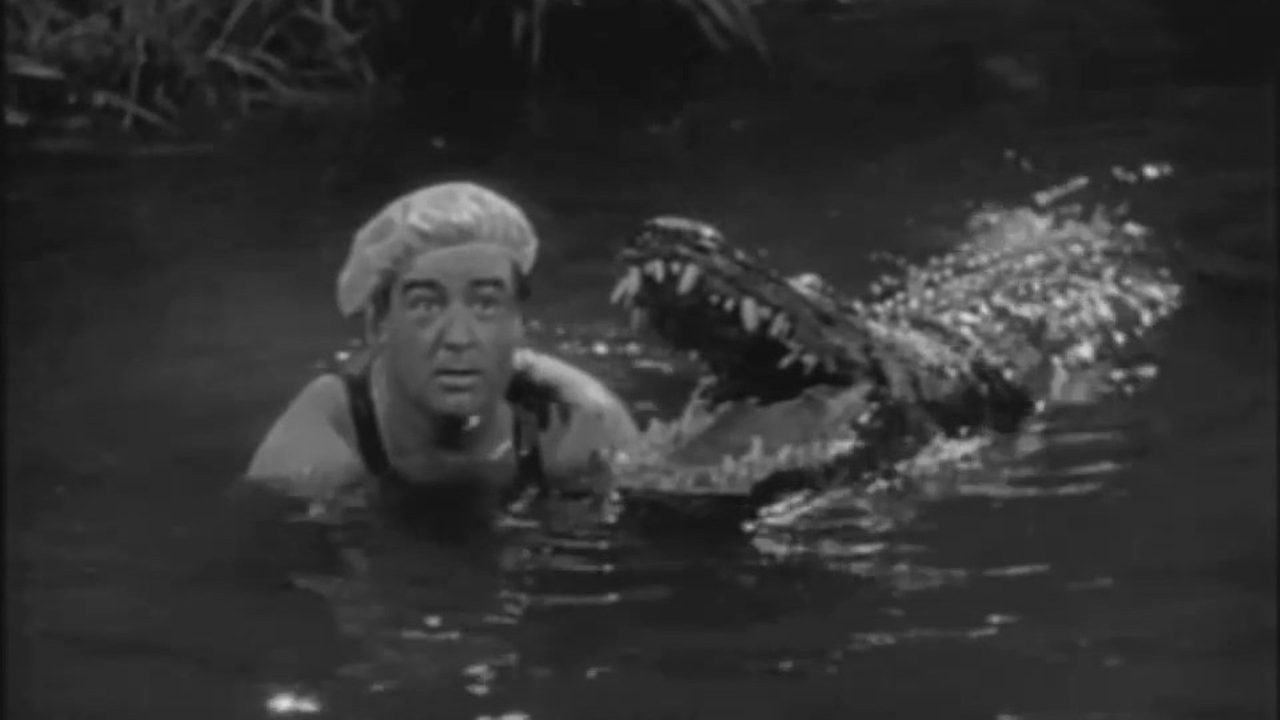
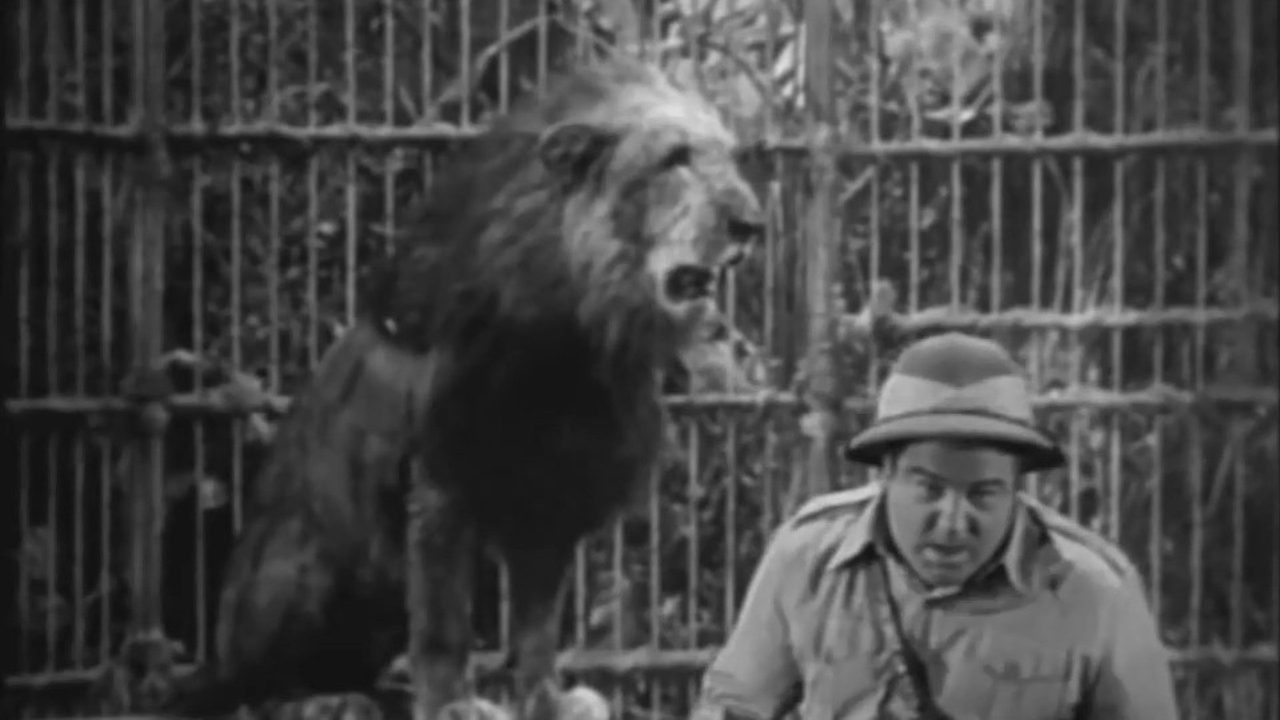
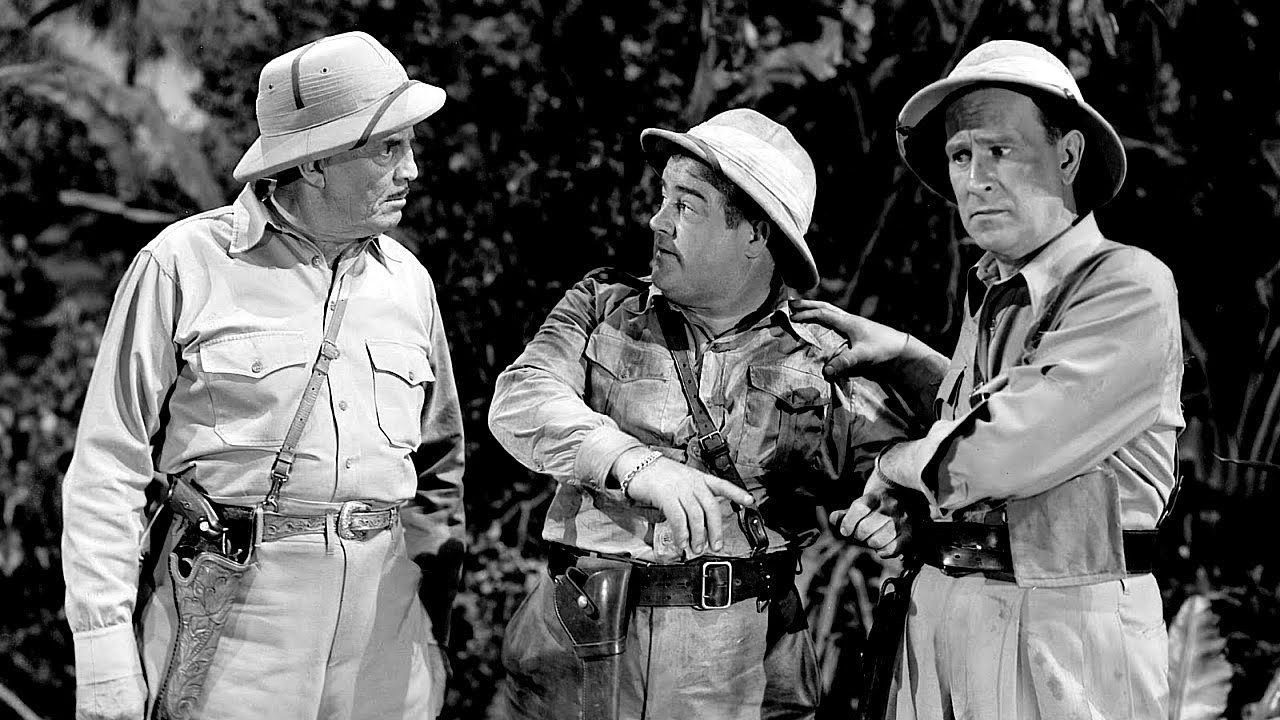
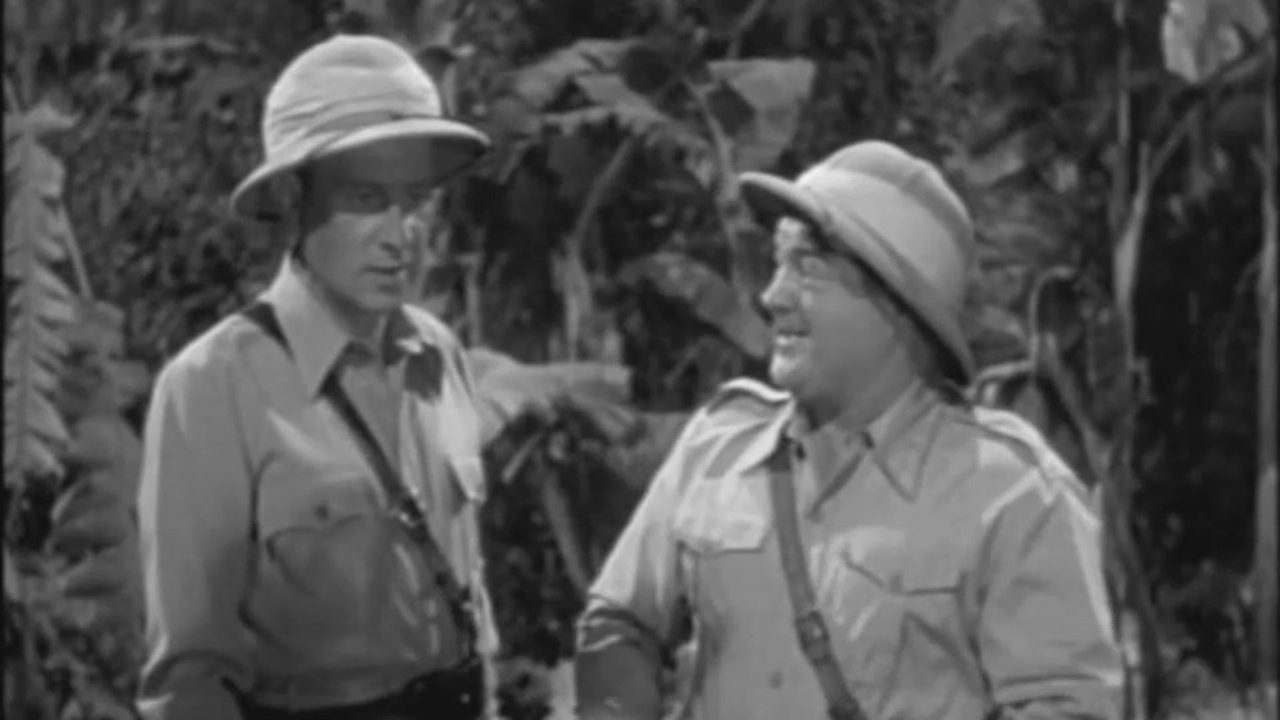
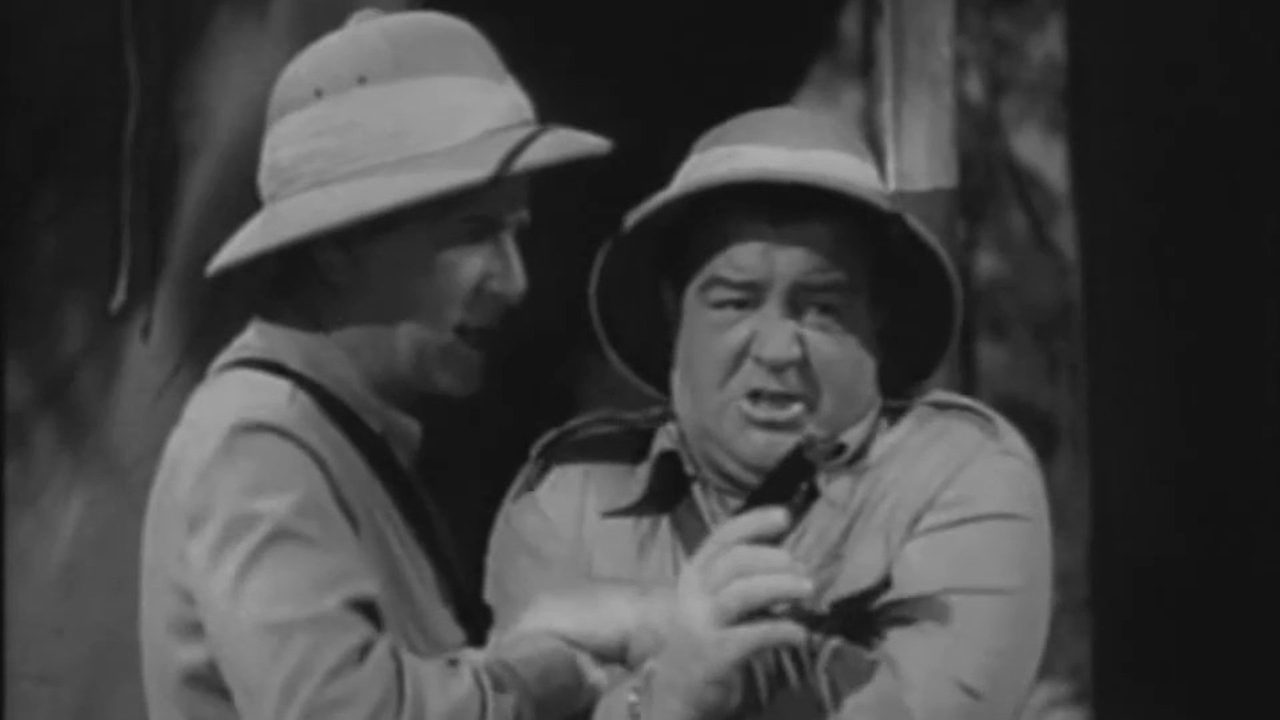
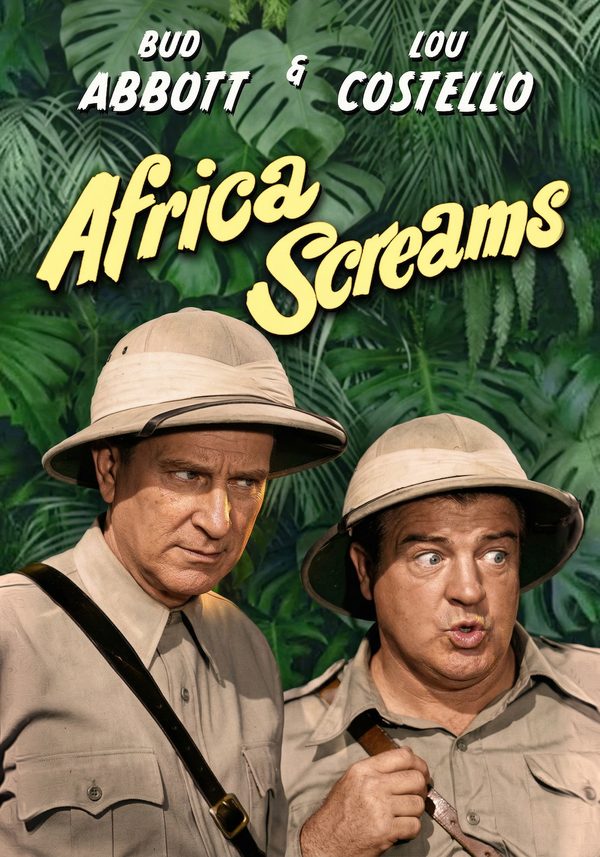
In the book section of Klopper's department store, Diana Emerson asks the clerk, Buzz Johnson, for a copy of Dark Safari by the explorer Cuddleford and offers $2,500 for a map inside the book. Stanley Livington, an armchair explorer who works with Buzz, knows the book and the map, so Buzz brings him to Diana's home to draw it. Buzz overhears Diana offer $20,000 to lead an expedition into the Congo to capture a legendary giant ape, and he bargains for more money and for himself and Stanley to join the safari. Diana takes her team of explorers, among them Boot Wilson, Grappler McCoy and the nearsighted hunter Gunner, toward the Congo.
Cast



Show all 13 cast

Did you know?!Facts and trivia about Africa Screams (1949)
Can contain spoilers, watch the movie first.
- The Breen Office censors, enforcing the Motion Picture Production Code, demanded that the affectionate gorilla pursuing Costello be changed from female to male, to avoid any suggestion of bestiality.
- Abbott and Costello surrounded themselves with family and friends and the picture ran over budget; Nassour was so distressed that a running joke on the set was that the film should be retitled "Nassour Screams".
- The film was purchased in 1953 by Robert Haggiag, an independent distributor in New York, who lost interest and failed to renew the copyright, so it fell into the public domain in 1977.
- Africa Screams was the first Abbott and Costello production to feature Hillary Brooke and Joe Besser, who later joined the ensemble of The Abbott and Costello Show, and the only film in which Joe Besser and Shemp Howard appeared together; Besser replaced Howard in the Three Stooges after Howard's death in 1955.
- Author and film historian Bob Furmanek obtained the original nitrate stock from Haggiag in the late 1980s; most of the original camera negative had decomposed, but the nitrate fine grain was still serviceable and Furmanek transferred it to 35mm for preservation.