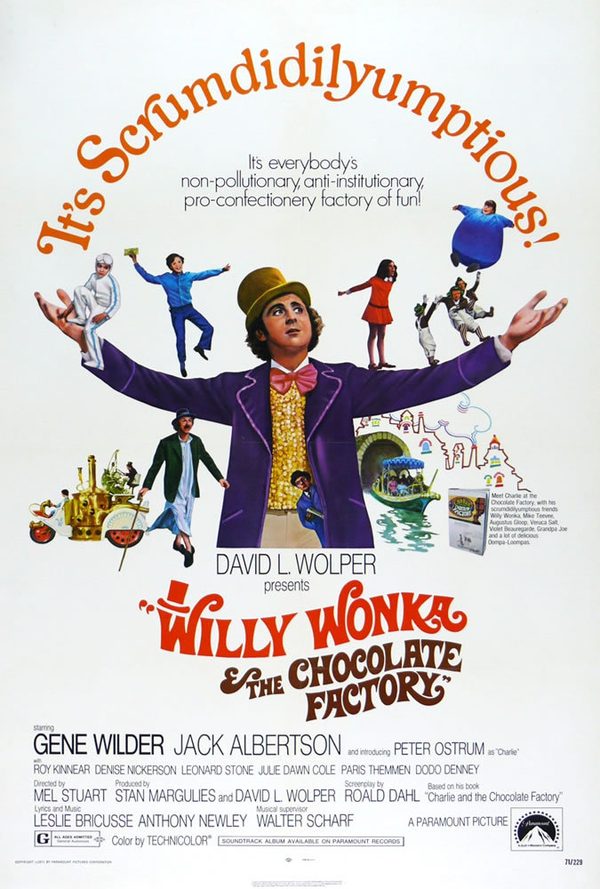
Willy Wonka & the Chocolate Factory (1971) on Netflix
G19711h 40mFamilyFantasyMusical
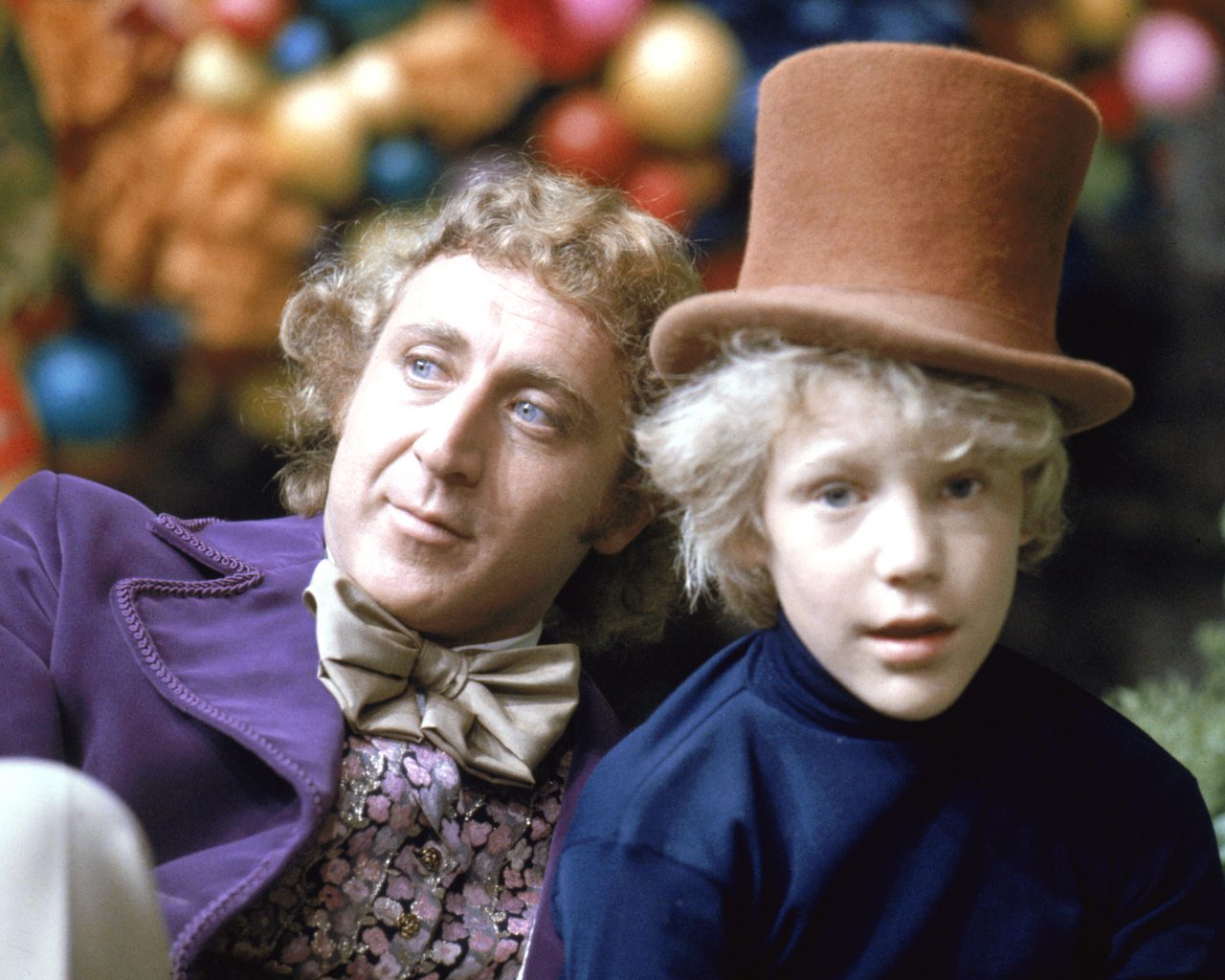
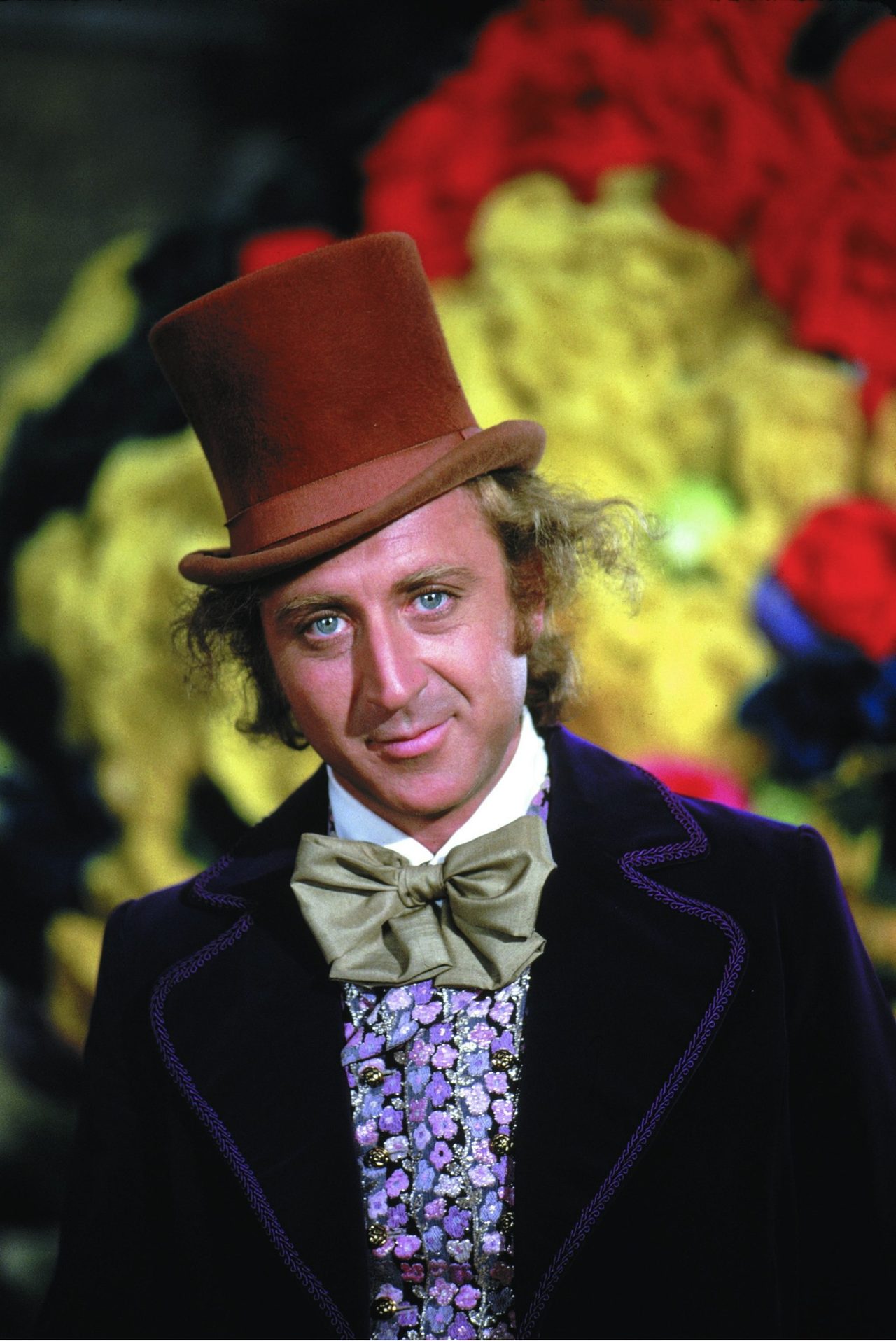
Willy Wonka hides five golden tickets in his chocolate bars, offering a factory tour and a lifetime supply of candy. Poor paperboy Charlie Bucket hopes to find one.
- Netflix3.8/5
- IMDb7.8/10246,984 votes
- Rotten Tomatoes92%
Trailer

Plot summary
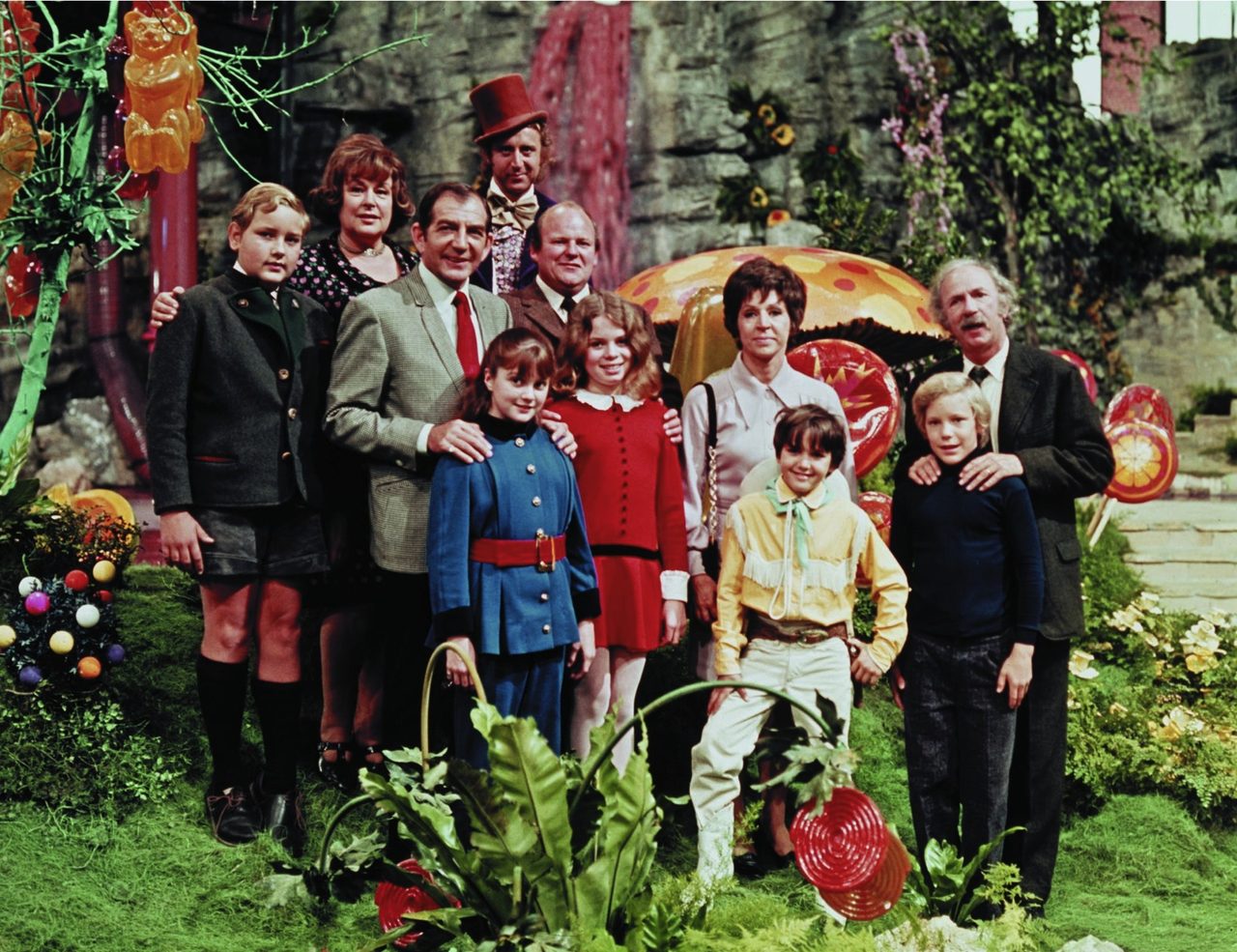
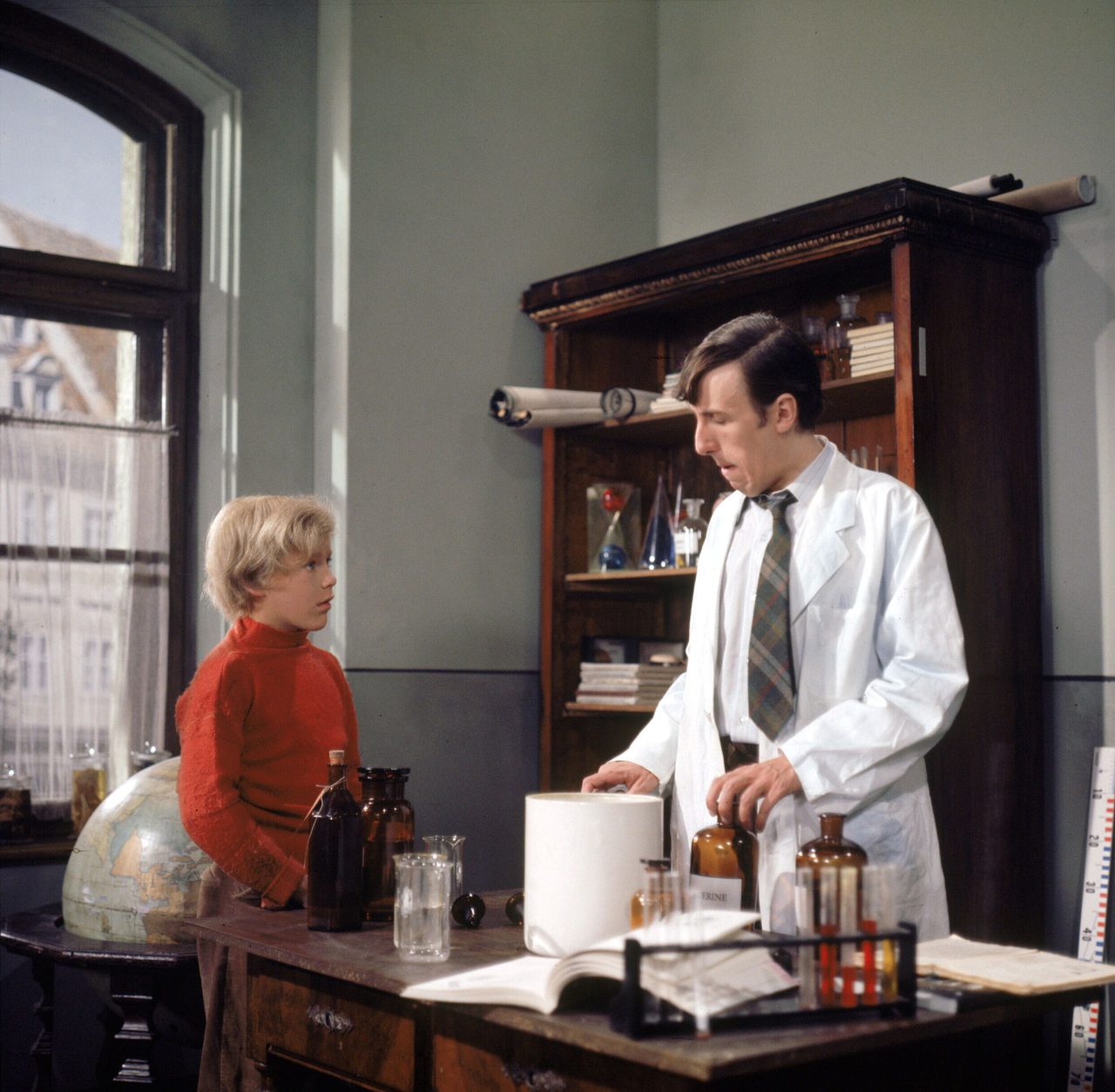
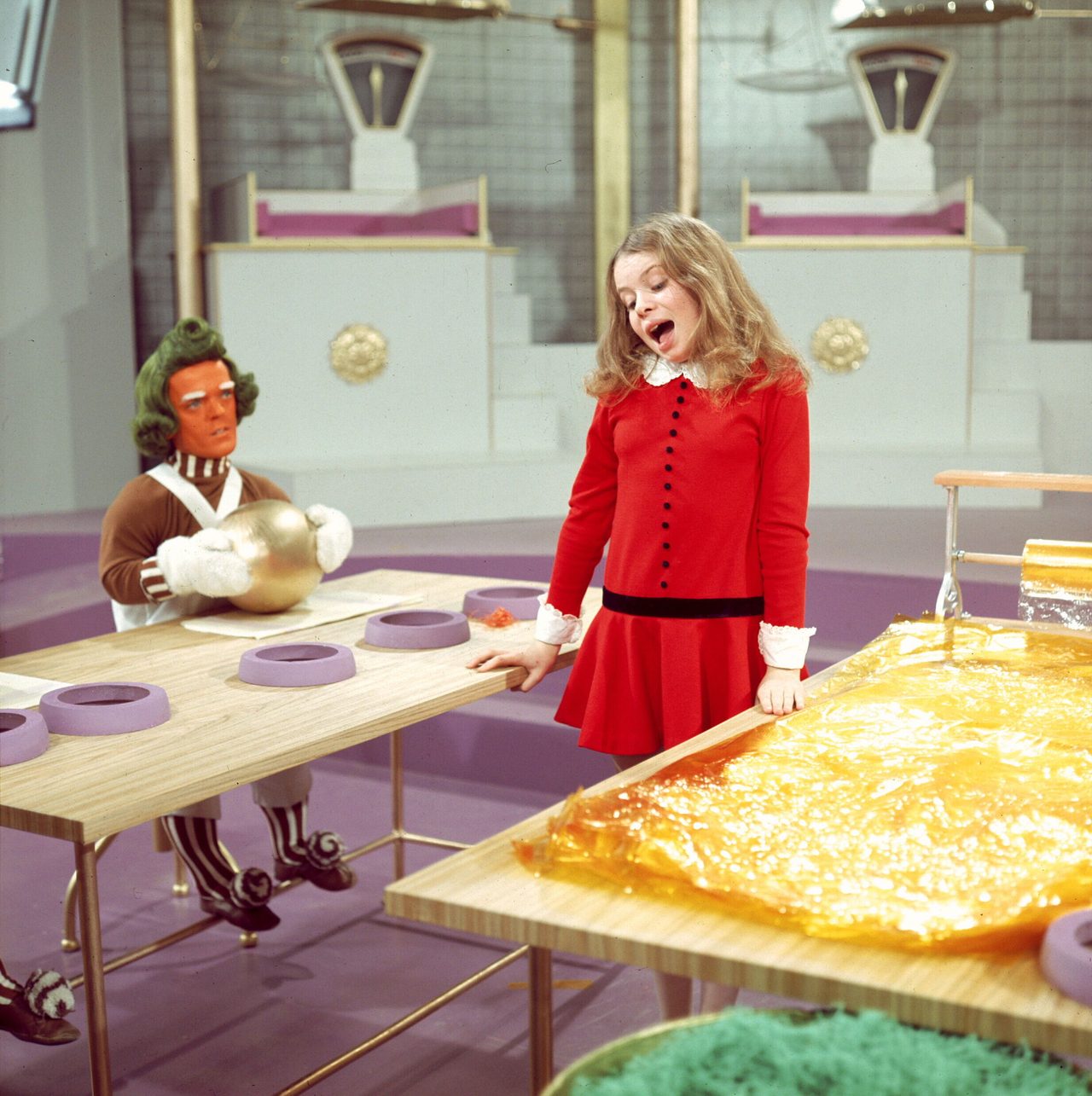
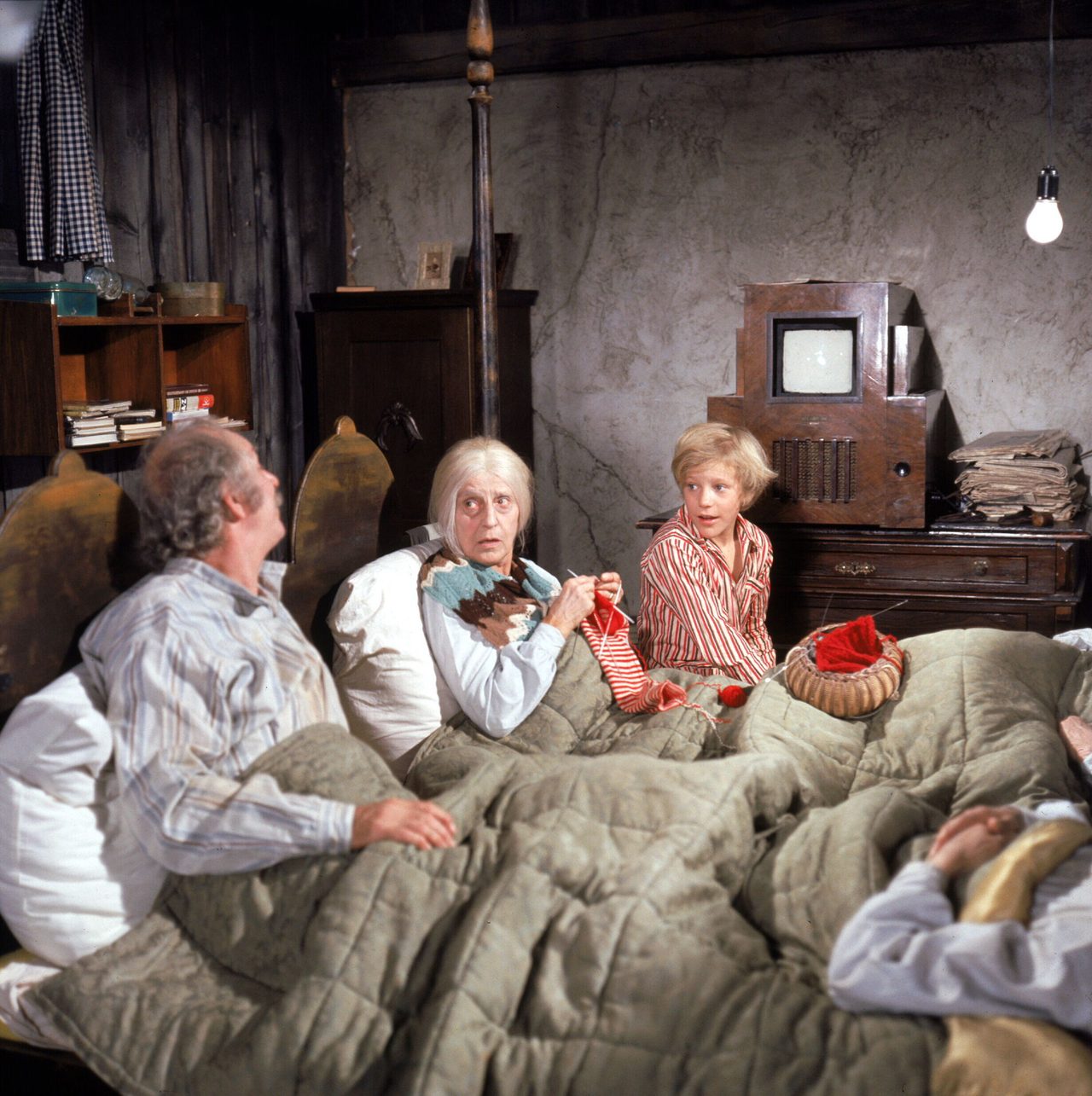
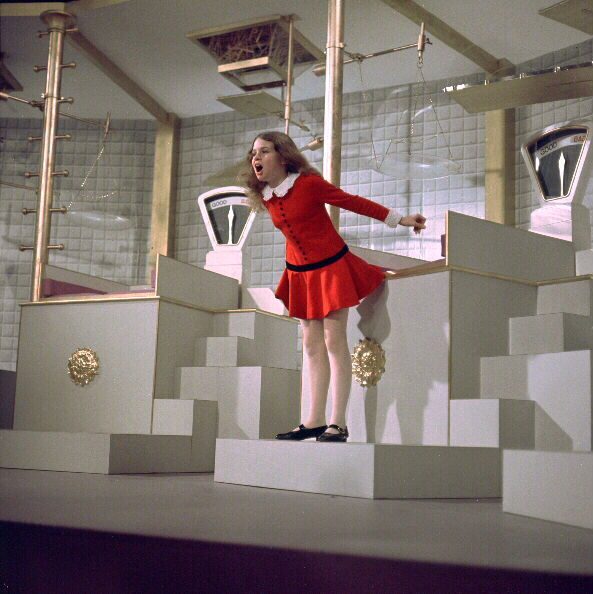
Charlie Bucket is a paperboy in a poor household, living with his mother and four grandparents. His route takes him past Willy Wonka's chocolate factory, which a passing tinker says nobody ever enters or leaves. Grandpa Joe explains that Wonka closed the gates years ago after rival confectioners sent spies to steal his candy secrets; the factory later restarted, but no one knows who works inside. Then Wonka announces five Golden Tickets hidden in his chocolate bars, each worth a factory tour and a lifetime supply of chocolate. Augustus Gloop, Veruca Salt, Violet Beauregarde and Mike Teevee find the first four, and a mysterious man speaks with each winner. A claim from Paraguay proves to be a forgery, and Charlie finds money in a gutter and buys a Wonka bar.
In these lists: New on Netflix This Week: 40 Movies (US)
Cast













Did you know?!Facts and trivia about Willy Wonka & the Chocolate Factory (1971)
Can contain spoilers, watch the movie first.
- Wilder would take the part only on one condition: his cane sinks into the cobblestones, he starts to fall and turns a beautiful forward somersault back up. Asked what he wanted to do that for, he said, "From that time on, no one will know if I'm lying or telling the truth."
- In the scene at Henry Salt's peanut factory, where thousands of Wonka bars are unwrapped to find a Golden Ticket, the bars were actually made of wood, a cheaper solution than rewrapping thousands of bars of real chocolate.
- Press reports claimed the title change was due to "pressure from black groups": in 1960s America "Mister Charlie" was a pejorative for a "white man in power", while U.S. soldiers in the Vietnam War used "Charlie" for the Viet Cong.
- Dahl disowned the film, was "infuriated" by the plot deviations, considered the music "saccharine, sappy and sentimental", felt it "placed too much emphasis on Willy Wonka and not enough on Charlie", and objected to Wilder being cast instead of Spike Milligan.
- Sammy Davis Jr. recorded the song "The Candy Man", which became his only number-one hit, spending three weeks at the top of the Billboard Hot 100 from 10 June 1972 and two weeks atop the easy-listening chart.