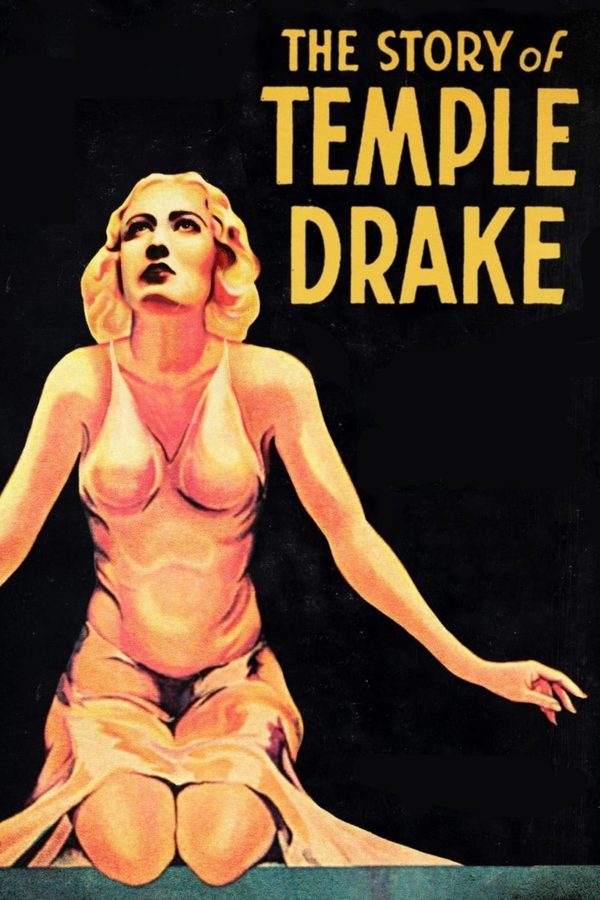
The Story of Temple Drake (1933) on Netflix
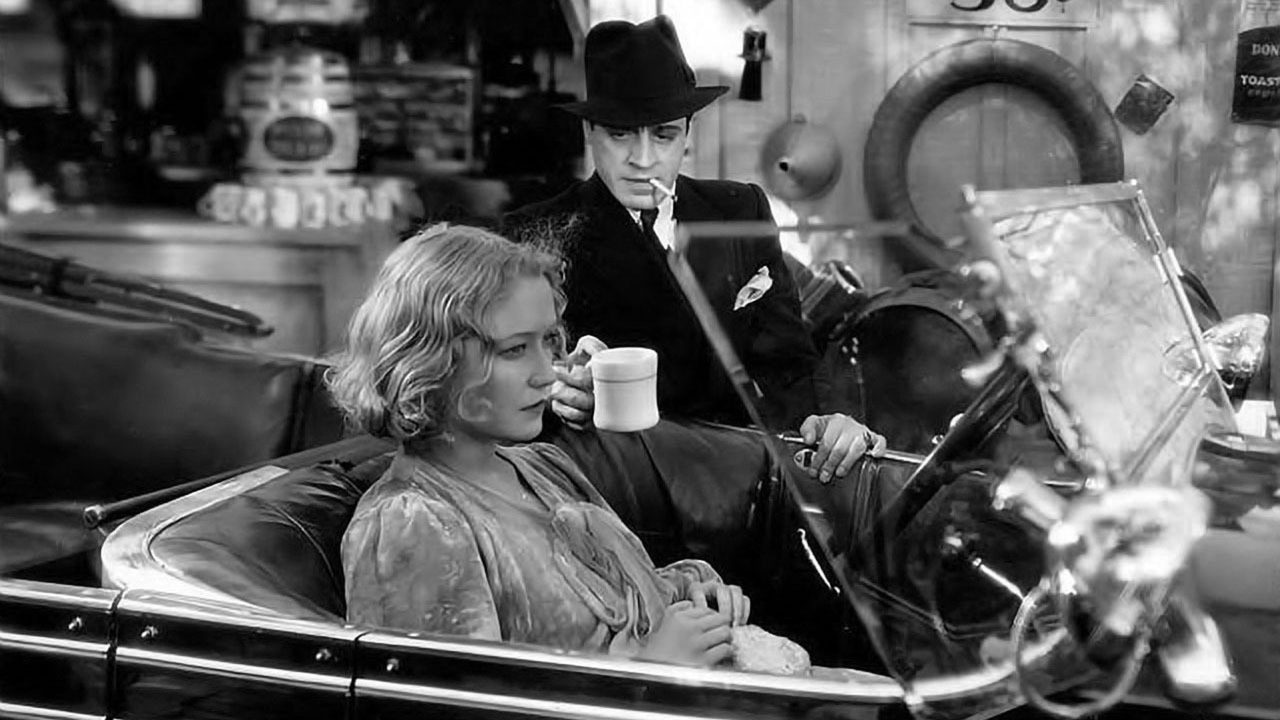
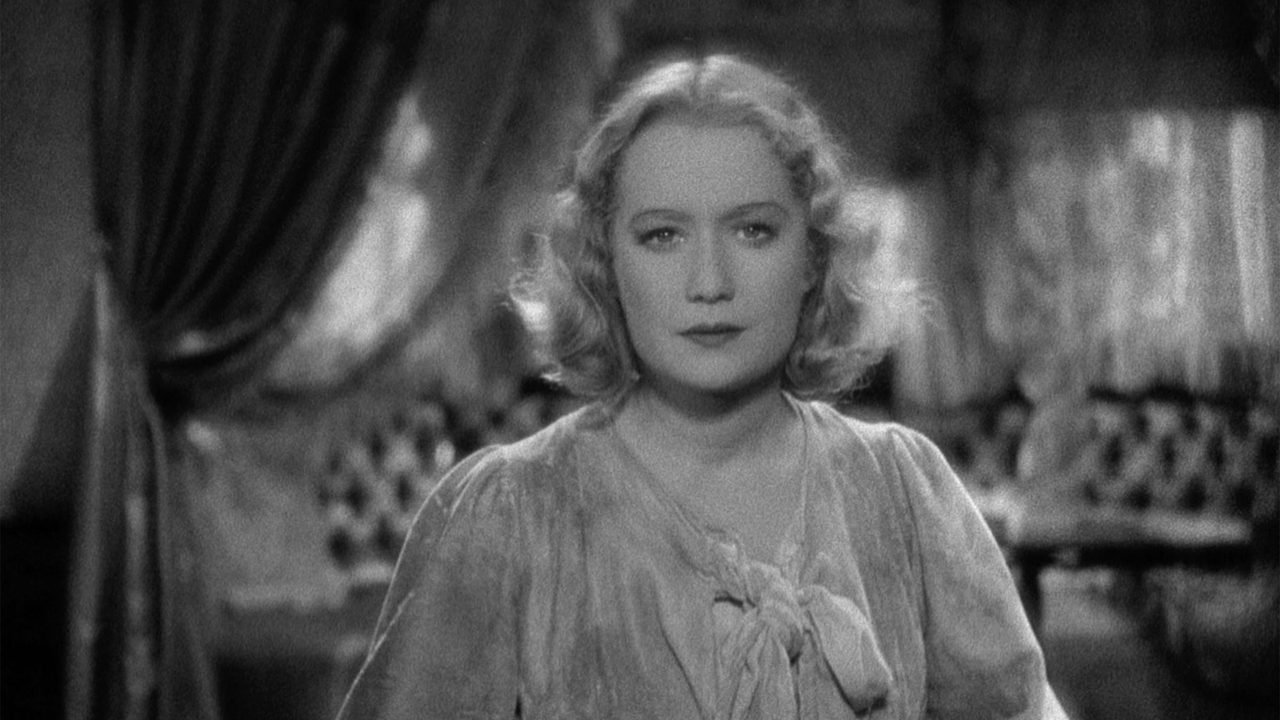
Temple Drake, reckless granddaughter of a Mississippi judge, refuses to marry her lawyer suitor. She goes out with Toddy Gowan, who is drinking and crashes the car near a plantation house.
- Watch on NetflixThis title is not on Netflix right now. Please check back later for updates.
- Watch on NordVPN
- Netflix3.9/5
- IMDb7.1/102,270 votes
- Rotten Tomatoes86%
Trailer
Plot summary
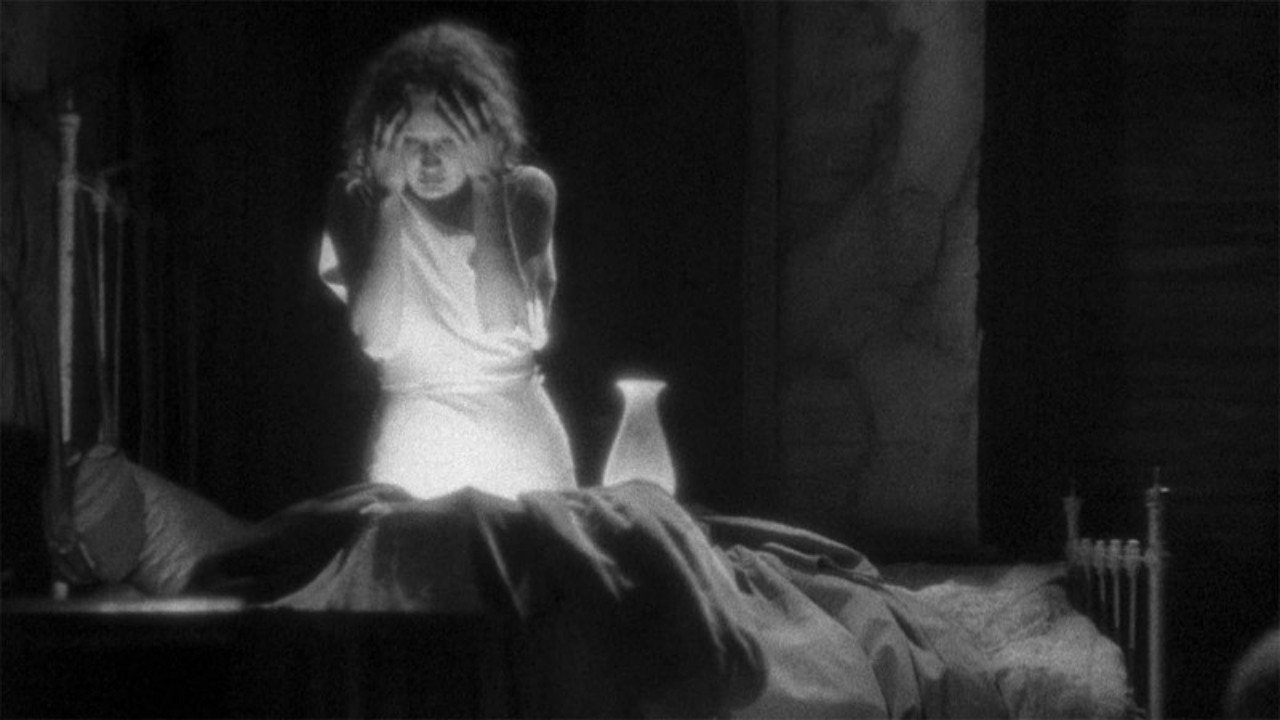
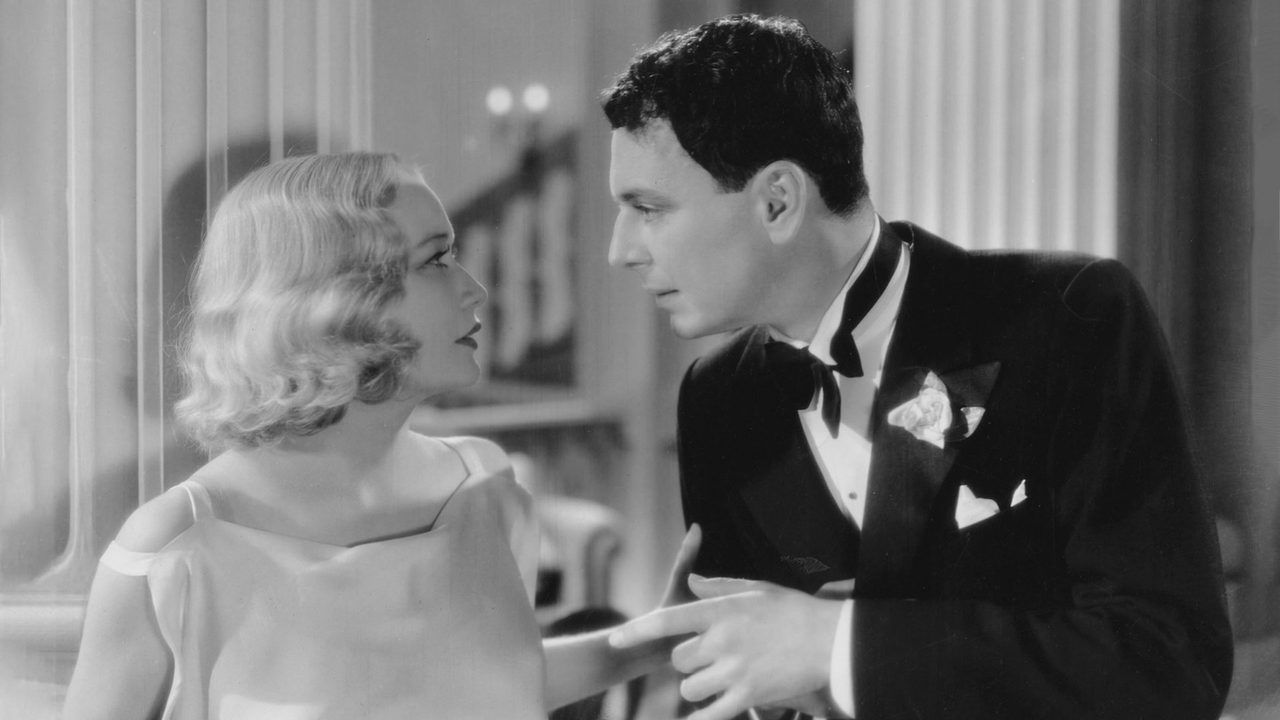
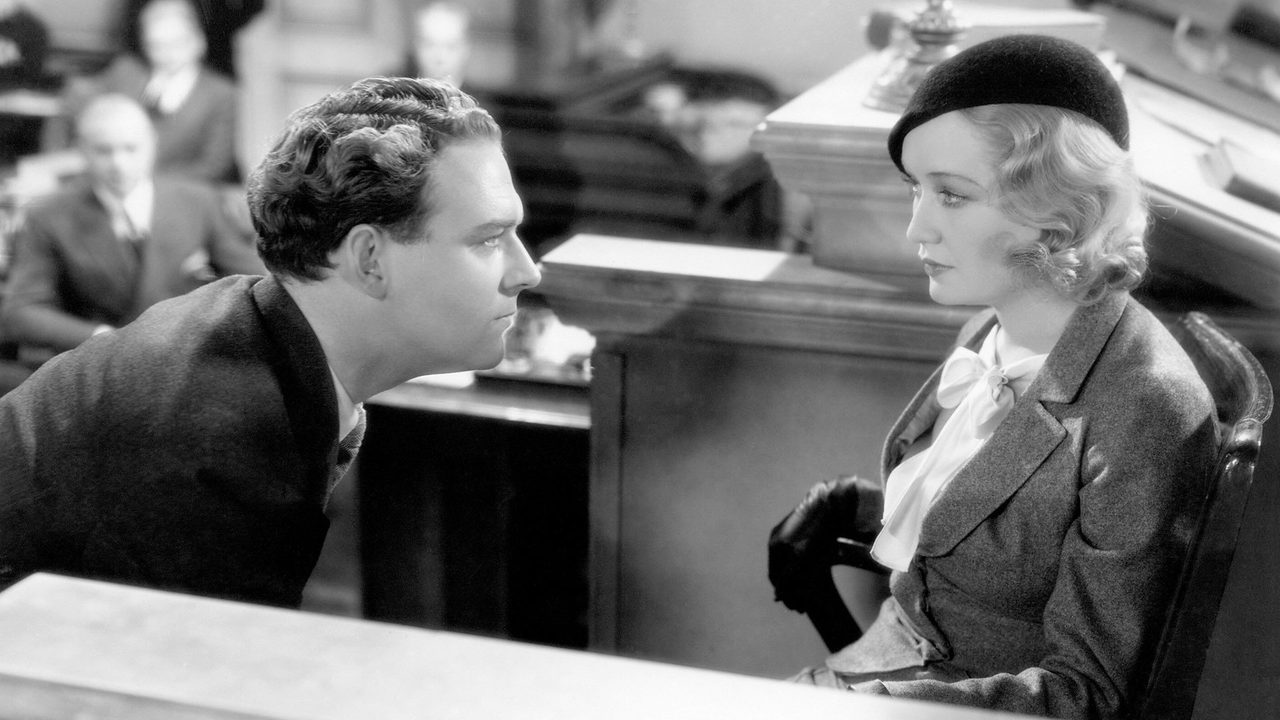
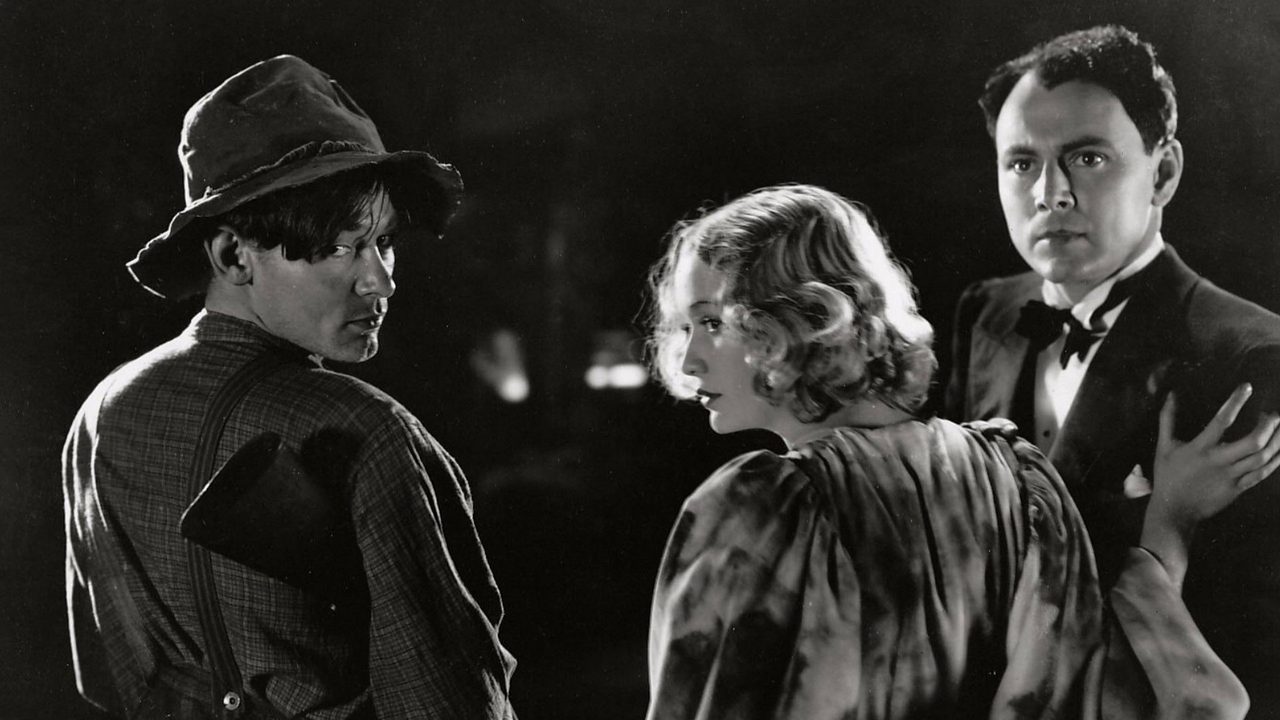
Temple Drake is the reckless granddaughter of a small-town Mississippi judge. She will not marry her lawyer suitor, Stephen Benbow, and the town takes her for a seductress. She goes out with Toddy Gowan, who has been drinking, and he crashes the car near a dilapidated plantation home where Lee Goodwin runs a speakeasy. Trigger, a bootlegger and gangster there, forces them inside the house.
Cast












Did you know?!Facts and trivia about The Story of Temple Drake (1933)
Can contain spoilers, watch the movie first.
SPOILER
The Hays Office ordered Paramount to reshoot the rape sequence in a barn and banned any footage of a corncob, after the original cut showed Trigger penetrating Temple with a corn cob during the assault in a corn crib, as in Faulkner's novel.- George Raft was initially cast as the gangster Trigger but dropped out, calling the part "screen suicide" since the character had no redeemable qualities; he also demanded a $2 million salary, was temporarily suspended by Paramount, and was replaced by Jack La Rue.
- Censors also made Paramount cut footage and dialogue showing that Reba's home was a brothel, so it passed as a boarding house; Ruby's line using the slang word "chippie" was covered by a clap of thunder.
- Even before filming had begun, the film was publicly condemned by U.S. women's leagues, an article in The New York Times, and the Roman Catholic Church.