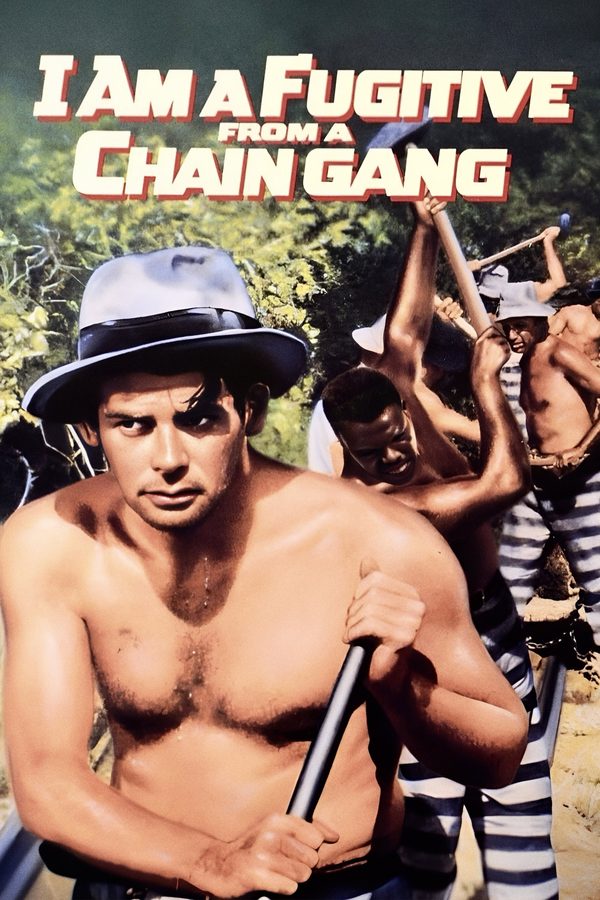
I Am a Fugitive from a Chain Gang (1932) on Netflix
Passed19321h 32mCrimeDramaFilm-Noir
James Allen, restless World War I veteran, turns down a clerk's job to work in construction. Penniless in the South, he is forced into a robbery and sent to a chain gang.
- Netflix3.7/5
- IMDb8.2/1015,858 votes
- Rotten Tomatoes96%
Trailer

Plot summary
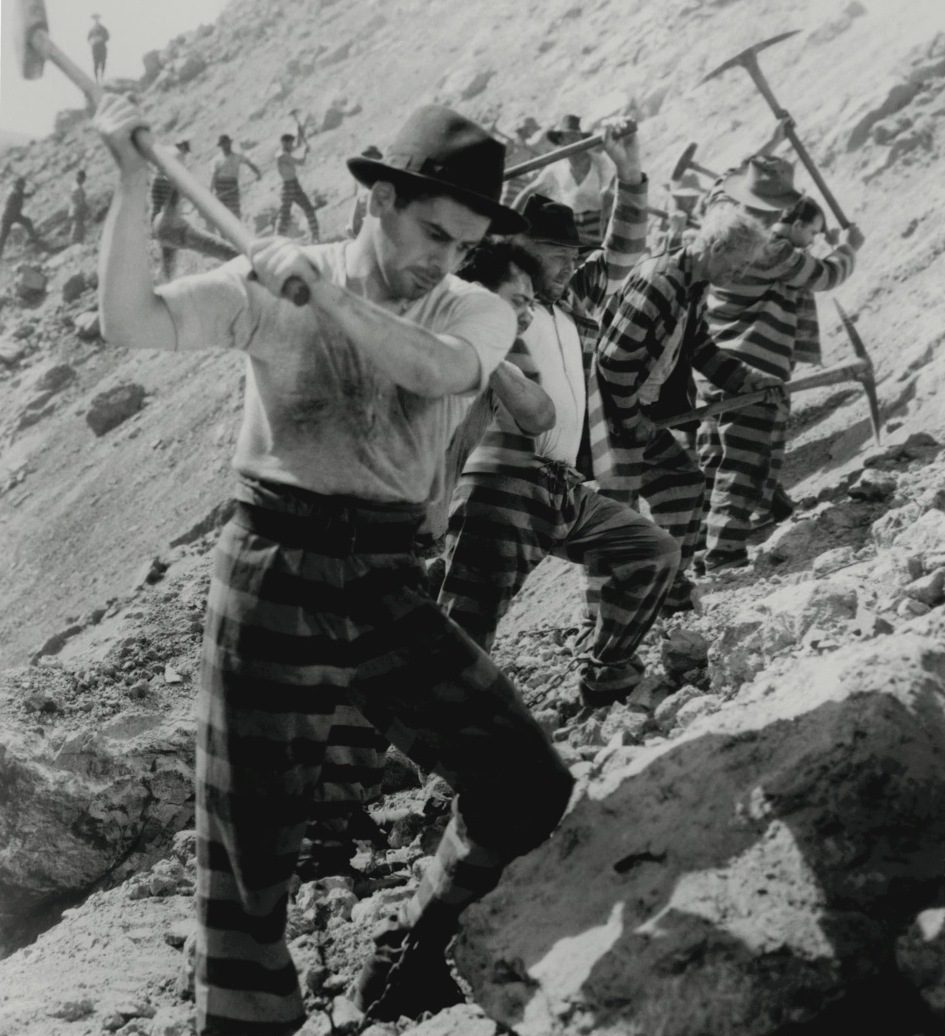
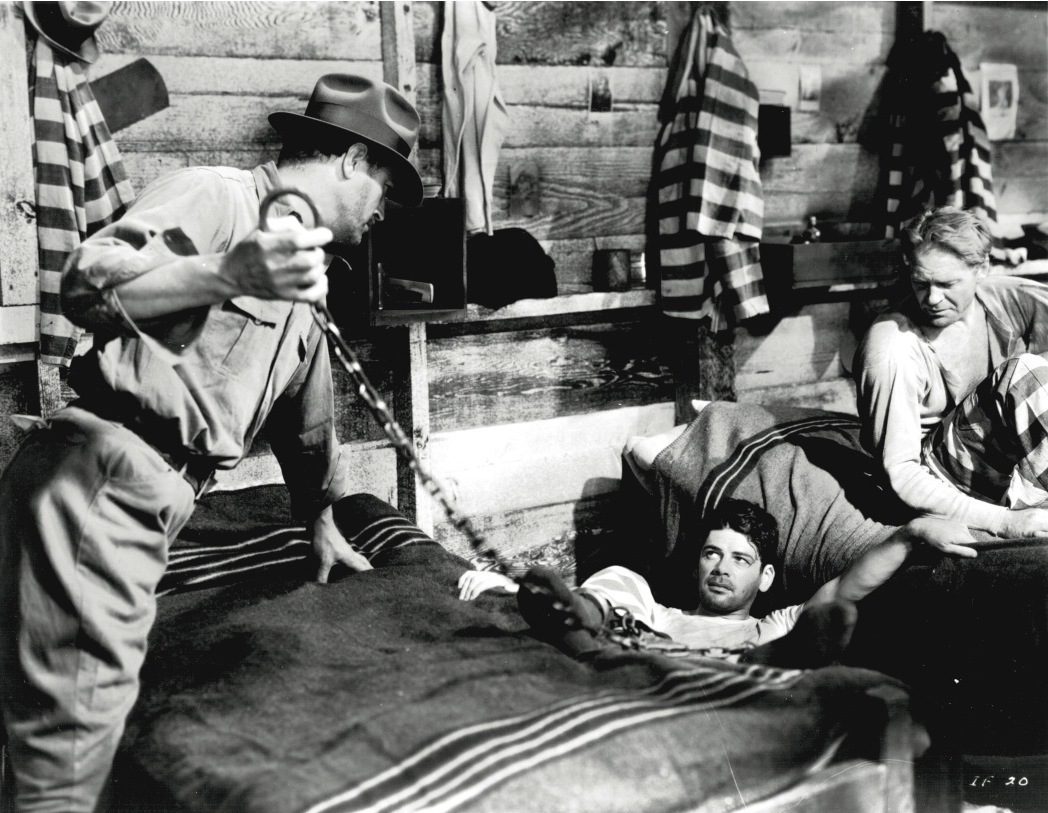
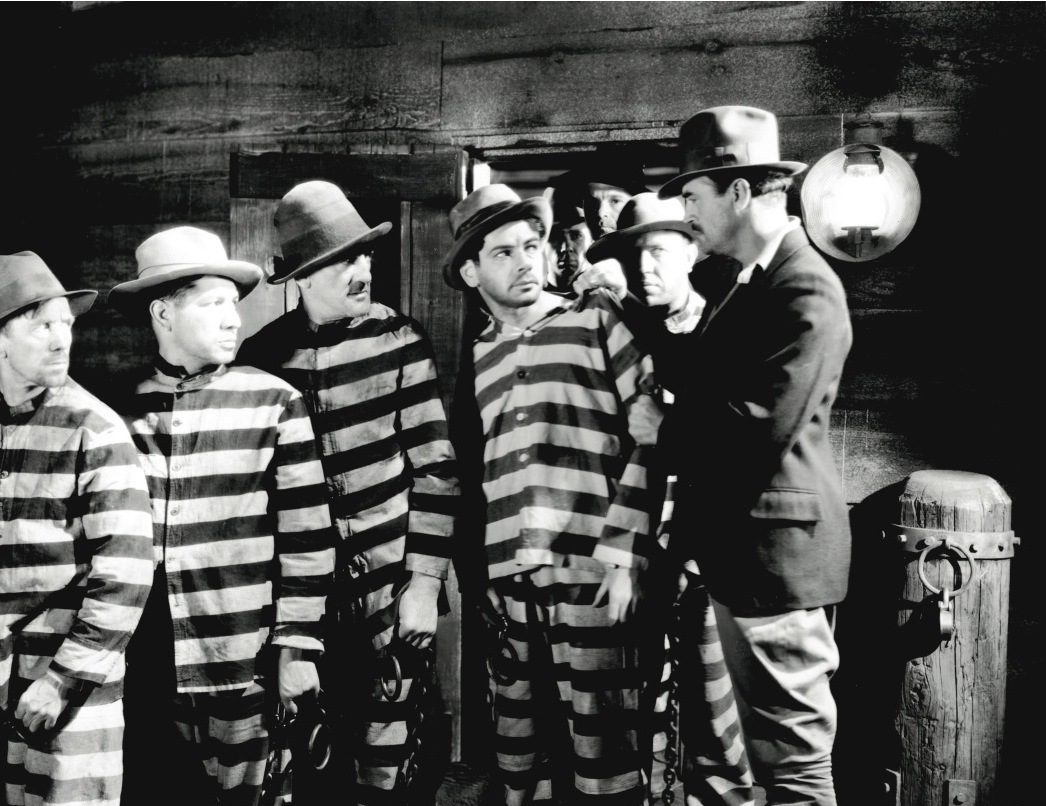
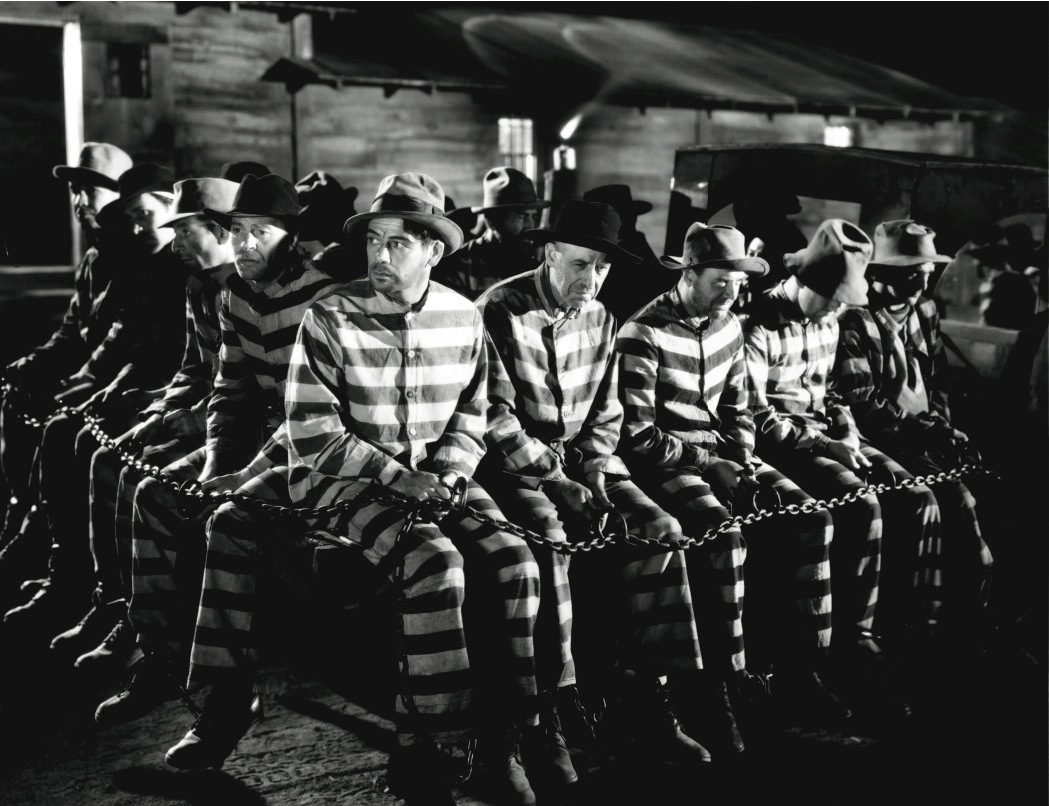
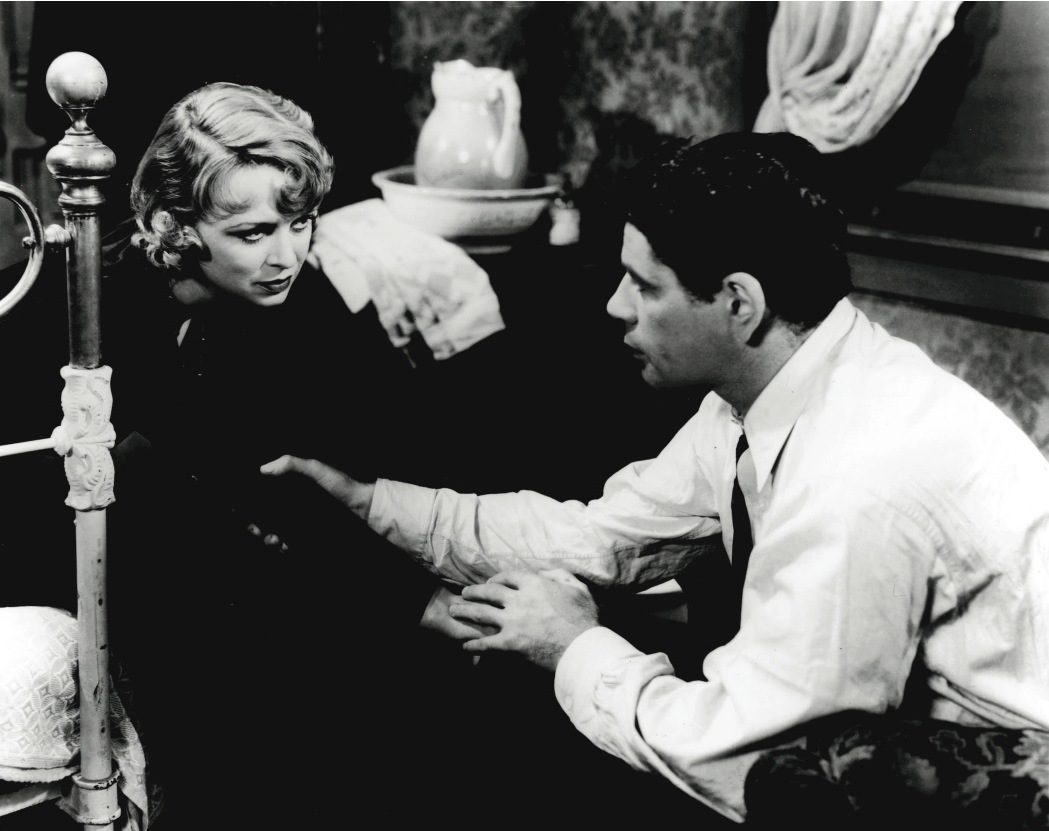
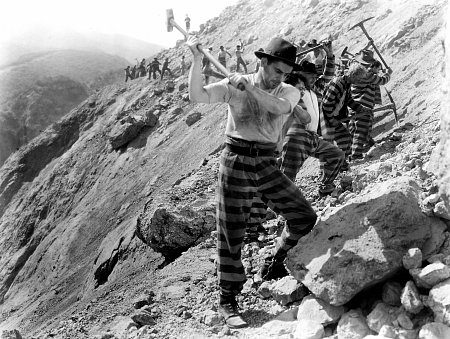
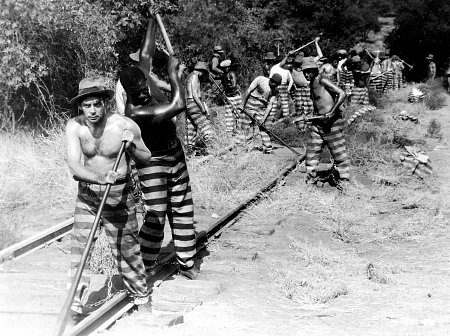
James Allen returns from World War I with a medal for bravery and no wish to settle into the office clerk job his brother, a minister, expects him to take. His mother lets him go. He wants to build things, but construction work is scarce, and a year of odd jobs leaves him a penniless vagrant in the South. There a man named Pete offers him a hamburger handout, then pulls a gun on the lunch wagon owner and pushes James into the robbery. Police shoot Pete; James runs, is caught, and is sentenced to hard labor. On the chain gang he chops rock for fifteen hours a day under guards who whip prisoners, and he listens when an older prisoner, Bomber Wells, talks about getting out.
Cast


Did you know?!Facts and trivia about I Am a Fugitive from a Chain Gang (1932)
Can contain spoilers, watch the movie first.
- The film is credited with turning American audiences against the chain-gang system: in January 1933 the real Robert Elliott Burns, still imprisoned in New Jersey, and several other U.S. chain-gang prisoners appealed and were released.
- Georgia chain-gang warden J. Harold Hardy, who was written into the film as a character, sued the studio in January 1933 for one million dollars over its "vicious, brutal and false attacks" on him.
- Warner Bros.' own story department voted against adapting Burns's book, warning that censorship would strip out its strong points and that the Deep South would erupt; Jack L. Warner and Darryl F. Zanuck overruled it and approved the film.
- Roy Del Ruth, then Warner Bros.' highest-paid director, refused to make it, calling the subject "heavy and morbid" with "not one moment of relief anywhere" and no box-office appeal; Mervyn LeRoy dropped out of 42nd Street, leaving that film to Lloyd Bacon.
- Paul Muni met the real Robert E. Burns repeatedly in Burbank to learn how he walked and talked and to catch "the smell of fear", telling him: "I don't want to imitate you; I want to be you." He also had the studio research the penal system and met California prison guards.
SPOILER
The closing exchange "But you must, Jim. How do you live?", "I steal" is one of American film's most famous endings; director Mervyn LeRoy claimed its image of James retreating into darkness came to him when a fuse blew on set, though it was already in the script.- The film is among the first examples of cinema used to win sympathy for imprisoned convicts without revealing what crimes they had committed.